How Is Natural Reishi Extract Powder Used in Functional Beverage Formulations?
As a standard, dry ingredient, Natural Reishi Extract Powder is added to functional drinks. It is added to solid drink mixes, instant tea, reishi coffee, and ready-to-drink bases at a certain amount. They pick the grade based on how much triterpene it has and then mix it with dry ingredients or slowly add it to the liquid while mixing it carefully. Before scaling up, tests on the final drink's bitterness, color, and sedimentation make sure they are correct. As much as the dose, it's important to have a clear specification sheet and taste tests for reishi because it makes drinks darker and tastes bitter.

Why Natural Reishi Extract Powder Is Gaining Attention in Functional Beverages?
Why Beverage Brands Are Looking at Reishi?
Ganoderma lucidum is also known as "Reishi," and it has been used traditionally in East Asia for a very long time. It can also be found in modern drinks like mushroom coffee and instant mixes. A 2018 article in Mycosphere about the global Ganoderma industry talks about a business sector that sells many different kinds of products, like teas, powders, and supplements. For people who make drinks, an extract is a concentrated form that can be measured and fits a controlled recipe. We see the same pattern in buyer inquiries: brands want clear information about the markers they use, a clean sensory profile, and paperwork that lets them get into the U.S. market. Every choice we make below is based on these three needs.
Beverage Formats That Fit Reishi
Natural Reishi Extract Powder is used to make functional drinks and dietary supplements. Reishi solid drinks like reishi coffee, reishi tea, and capsules and oil are on our list of ways to take it. They also test it in smoothies, nutrition shakes, ready-to-drink bases, and small-volume shots. The powder has to meet different needs for each format. A dry stick pack needs to mix quickly and flow well. Along with roasted notes, a hot coffee blend needs a flavor that lasts. After being stored, a bottled drink needs to have little sedimentation. If you match the powder to the format early on, you won't have to do expensive reformulation later on.
What This Guide Covers
Step-by-step instructions on how to define an ingredient, mix it into a drink, check for quality, and move from a sample order to a bulk order are given in this guide. For formulation and procurement, it stays the same. It doesn't make any claims about treating diseases or being therapeutic because those claims are handled very differently in the U.S. than claims about ingredients. The labels on finished goods should be looked over by your own regulatory advisor. If the specification sheet doesn't say anything about a topic, like particle size, moisture, or packaging, I say so instead of guessing.
What Is Natural Reishi Extract Powder?
Extract Powder Versus Regular Reishi Powder
Most reishi powder is made from milled dried mushrooms. Another step up is extract powder. A solvent is used to pull out specific compounds, and the liquid is then dried to make a concentrated powder. That change affects the dose, the taste, and how the two substances mix. Because a milled powder has all of the fibrous mushroom body in it, it can make drinks feel rough. Formulators can usually use less material to reach a marker goal when they use an extract. Standardized to marker compounds, FuYNature Natural Reishi Extract Powder gives each batch a number to work with instead of relying on what they look like.
Extraction Methods: Water, Ethanol, and Dual
Most of the time, hot water, ethanol, or both are used to make Natural Reishi Extract Powder. Most of the time, water is used to extract polysaccharides and ethanol is used to extract triterpenoids like ganoderic acids. Both solvents are used in a dual extract to cover both groups of compounds. Molecules published a review in 2018 that says triterpenoids and polysaccharides are the two main types of compounds that have been studied in Ganoderma lucidum. It's not clear from the specification data how to extract our grade, so please ask us to make sure before you finalize a recipe. That answer helps you figure out how the powder will mix with your base.
Specifications of Our Fruiting Body Extract
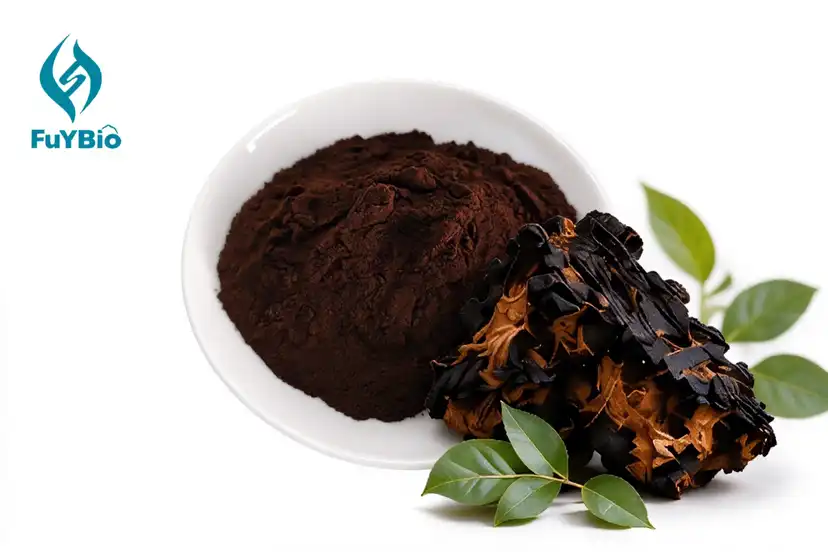
The grade we offer is a brownish-red powder that comes from the fruiting body of Ganoderma lucidum plants grown in China. It has the typical smell of the plant. Ganoderic Acid A is between 1% and 3%, and Reishi Triterpenes are between 1% and 25%. This was checked with UV and HPLC. Heavy metals are within the acceptable range, and the total mold count is less than 1000 cfu/g. If stored in a cool, dry place away from light and heat, it will last for 24 months. The sheet doesn't say anything about particle size, moisture, polysaccharide content, carriers, or packaging, so I can't guess them. Include those details in your question.
How Natural Reishi Extract Powder Is Used in Functional Beverage Formulations?
Common Beverage Formats and Use Levels
Reishi extract is added to solid drink mixes, instant tea bags, coffee and cocoa blends, smoothies, shakes, wellness shots, and OEM premixes by formulators. No one dose works for everyone. The right level depends on the triterpene content of the grade, the serving size, the base of the drink, the process, and the market rules. I think you should start with advice from your supplier and small tests on a bench, and then make changes after tasting. With a higher-triterpene grade, you can use less powder per serving, which can make the flavor and color lighter. If the cocoa or roast notes are already very strong, a lower grade might work better in the recipe. Tell us how many you want to serve, and we'll give you a starting grade.
How to Dissolve and Disperse the Powder
Particle size, extraction method, water content, pH, viscosity and other components such as proteins, oils and fibers will affect how well something mixes. Slowly add the powder to the lab and stir it up. Let it sit for a bit before judging the drink. If you pre-mix a dry ingredient that will work with the wet one, or make a slurry first, you’ll have less clumping. Since the matrix changes the behavior of the powder, you always need to test it in the final beverage and not just in water. Our sheet doesn’t tell us how large the particles are or how well they dissolve, so ask for those numbers and a sample to test on your own. Keep track of mixing order, temp, and hydration time so you don't have to do the same thing over again
Managing Bitterness, Color, and Stability
Reishi makes things taste bitter, has earthy notes, and is darker. Phytochemistry published a review in 2015 that lists Ganoderma's secondary metabolites. The bitter taste comes from triterpenoids like ganoderic acids. Since cocoa, coffee, spices, and natural sweeteners can balance the taste, that's why many developers mix reishi with those. When testing for stability, it's important to look at homogenization, pasteurization, hot filling, storage temperature, sedimentation, and color change. A botanical drink will naturally be a little cloudy, so decide what the acceptable level of cloudiness is before testing begins. First, run a sensory panel. Do not run it after the formula is locked.
Natural Reishi Extract Powder Quality: Triterpenes, Testing, and Consistency
Marker Compounds and Test Methods
When you make a formula, a standardized extract gives you a number to work with. UV and HPLC tests show that Reishi Triterpenes and Ganoderic Acid A are the markers for our grade. Most of the time, UV methods are used to find total triterpenes. On the other hand, HPLC is used to separate and measure individual compounds like ganoderic acid A. For each batch, ask for an analysis certificate that is linked to a named method. If a supplier gives you beta glucan or polysaccharide values, make sure you know exactly what they mean and how they got those numbers. You can't just switch between different types of analysis, and comparing them directly leads to wrong conclusions about strength.
Safety Limits and Certificates
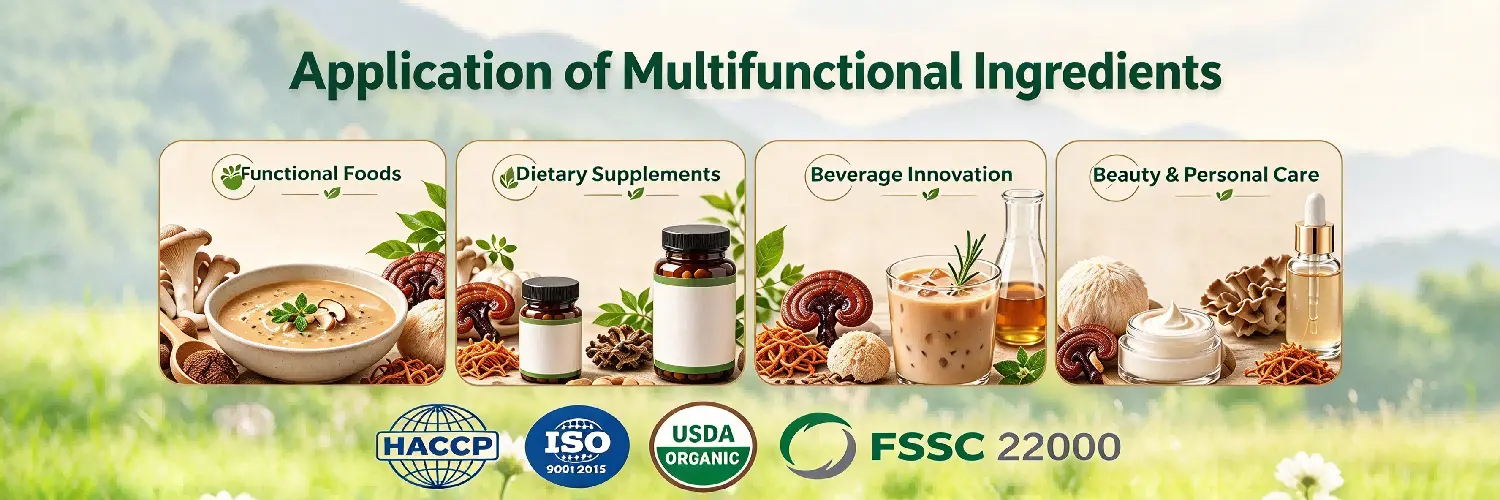
Our Natural Reishi Extract Powder standard calls for heavy metals that meet the standard and a total mold count of less than 1000 cfu/g. The sheet doesn't say exactly how much heavy metal is allowed, so ask for the standard that applies to your order. HACCP, ISO9001:2015, USDA Organic, and FSSC 22000 are some of the product certificates that are available. The companies that make our products are also certified by GMP, ISO22000, HACCP, and HALAL. The product certificates are not the same as these facility declarations, so we make sure that the right papers are sent with each order. The current good manufacturing practice rule from the FDA can be found in 21 CFR Part 111. Companies that sell dietary supplements in the US also have to follow this rule.
Why Fruiting Body Sourcing and Organic Status Matter?
This extract is not from mycelium grown on grains, but from the fruiting body. People who buy mycelium that was grown on grain may ask for the used part in writing because it may contain grain residue. From choosing the strain to production, our growing system oversees the whole process, and we follow both EU and US organic standards. The product is certified organic by the USDA. Being organic helps you get a better position and get into new markets, but it doesn't mean that your plant has more triterpenes or spreads them out better by itself. You should look at both the technical performance and the organic status separately and ask for data on both.
Choosing and Buying Natural Reishi Extract Powder for a Beverage Project
Matching the Grade to Your Beverage Concept
Do not start with the price, but with the idea. Describe the type of drink, the serving size, the process, the target market, the number of drinks that will be made each year, and any certification requirements. Then pick the right level of triterpenes. A high-end organic label might point to our USDA Organic grade, while a mix that needs to be cheap might point to a lower triterpene level. Powder is easier to turn into drinks than capsules are. Regular reishi powder should only be used when the recipe can handle a stronger mushroom flavor and a lower concentration. You shouldn't just look at price per kilogram when comparing suppliers. You should also look at cost per serving, documentation, and batch consistency.
From Sample Order to Bulk Procurement
Lower risk is managed process. Please provide a structured inquiry with type of drink, target triterpene level, country of product destination and process. Get a sample, specification and analysis certificate. During the tests, note the order of mixing, temperature, pH, time of hydration, sensory observations and sedimentation. Then make a test batch and check the labeling, filling and shelf life. Before placing a large order, you should agree on the minimum order quantity, lead time, acceptance criteria, terms for change notification, payment terms and shipping method. We do air and sea freight and can discuss special arrangements for you depending on your needs.
Common Mistakes to Avoid
Same mistakes over and over in a lot of different projects. People look for the cheapest price without looking at the carrier’s content or method of extraction. They think that the regular powder and the extract powder are the same. They wait till last moment to taste the drink and find it too bitter. They will take a beta glucan or polysaccharide number that is not specific and has no method name. They delayed compliance checks for the U.S. market. There is no mention of carriers or excipients on our specification sheet so I would suggest asking about those before you place your order. If it causes sedimentation, instability or labeling problems then the concentration of the extract is of no importance. You should still run a full system test.

Conclusion
Natural Reishi Extract Powder could be put into functional drinks if people buy it as a whole ingredient, not just a number on a sheet. Powder and milled mushroom are different in concentration and processing. Its profile is shaped by how it was extracted and the compounds that define it. The grade you select depends on the type of drink and how much you want to serve. The final drink must be tested for stability, bitterness, color and solubility. Quality is defined by named test methods, microbial limits, certificates and clear sourcing such as where the fruiting body came from and if it is organic. By sampling, bench trialing, pilot batching and bulk ordering, suppliers can be compared on cost per serving and risk and rework are reduced.
FAQ
What dose of Natural Reishi Extract Powder should a beverage contain?
No one dose works for everyone. The level is based on the amount of triterpenes, the size of the serving, the base of the drink, the process, and the rules in your area. Begin with advice from the supplier and test runs on a bench.
Is the powder made from the fruiting body or mycelium?
Our grade comes from the fruiting body of Ganoderma lucidum, not mycelium that was grown on grains.
Which tests support the triterpene content?
UV and HPLC are used to measure Reishi Triterpenes (1% to 25%) and Ganoderic Acid A (1% to 3%). Find a batch certificate of analysis and ask for it.
What are the storage conditions and shelf life?
Keep the powder somewhere cool and dry, away from light and heat. The shelf life is 24 months. It doesn't say how the items will be packaged, so make sure you know before you order.
Can the triterpene level be customized?
Yes. Let us know how much Reishi Triterpenes or Ganoderic Acid A you want and what you plan to use it for, and we'll let you know what grade is best.
Request a Natural Reishi Extract Powder Sample or Bulk Quote
Are you going to make reishi coffee, tea, or a solid drink? Email info@extrabroc.com with the type of drink, the target triterpene level, the country where the drink is going, and an estimate of how much you need. FuYNature is a company that sells Natural Reishi Extract Powder. They offer USDA Organic fruiting body grades, custom specifications, formulation suggestions, and shipping by air or sea. We'll make sure you get a good grade and share samples and papers. For more information, go to extrabroc.com.
References
1. Current Status of Global Ganoderma Cultivation, Products, Industry and Market, Mycosphere, 2018.
2. Antitumour, Antimicrobial, Antioxidant and Antiacetylcholinesterase Effect of Ganoderma lucidum Terpenoids and Polysaccharides: A Review, Molecules, 2018.
3. Secondary Metabolites from Ganoderma, Phytochemistry, 2015.
4. Ganoderma lucidum (Lingzhi or Reishi): A Medicinal Mushroom, in Herbal Medicine: Biomolecular and Clinical Aspects, CRC Press, 2011.
5. Health Benefits of Ganoderma lucidum as a Medicinal Mushroom, Turkish Journal of Agriculture – Food Science and Technology, 2019.
6. Current Good Manufacturing Practice in Manufacturing, Packaging, Labeling, or Holding Operations for Dietary Supplements, Code of Federal Regulations Title 21 Part 111, 2024.