Pure Lion's Mane Extract for Supplement Formulations: Quality and Sourcing Guide
Pure Lion’s Mane Extract – A concentrated ingredient derived from Hericium erinaceus. A good supplement formula has a known source, a named marker assay, clean test results and a dosage form that has been proven to work. The extract ratio alone does not tell you much. Ask for the used part, the marker compounds, the test method, contaminant data and certificates before you pass a batch. In this guide I’ll share how I look at lion’s mane extract powder, compare suppliers, order samples and set up a regular supply chain for finished products like capsules, drinks and more.
What Is Pure Lion's Mane Extract?
Extract Versus Standard Mushroom Powder
Common lion’s mane powder is made from dried and ground mushrooms. A piece in writing goes one step further. The target compounds are extracted with water or alcohol or both. They then concentrate and dry the liquid. The final product may be more concentrated, have different solubility and allow for a wider variety of dosage forms. But a ratio of 8:1 or 10:1 does not mean better quality. It doesn't say what marker compounds came out only how much raw material went in. You need to compare the extracts in relation to the source material, the extraction process, the content of the markers and the batch documents. The right choice depends on the dosage, format, cost and placement of the product. Powder can still work for the simple stuff.
Fruiting Body Versus Mycelium
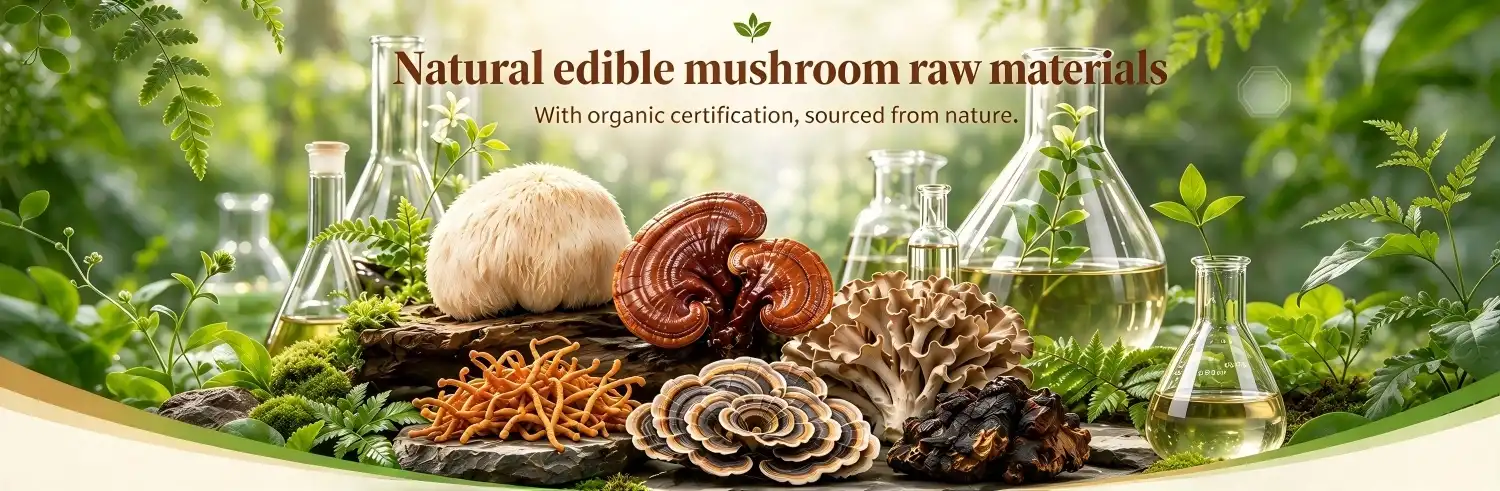
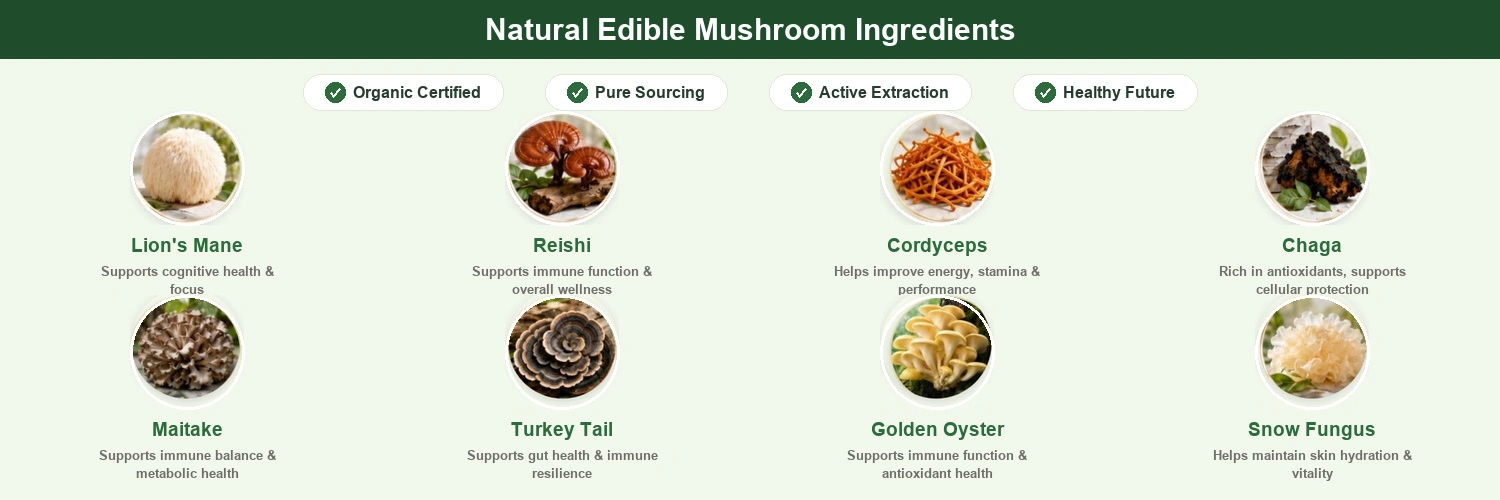
Lion's mane products are made from two different types of materials. The mushroom you can see is called the fruiting body, and the network of fungi that grows through a substrate is called mycelium. Their parts are different, and so are the expectations of buyers. Friedman's review from 2015 in the Journal of Agricultural and Food Chemistry talks about how fruiting bodies and mycelia have different bioactive compounds. That's why you should always ask what part was used and how the marker content was measured. The fruiting body is used in FuYNature Lion's Mane Extract, and it is said to come from China.
Available Formats and Applications
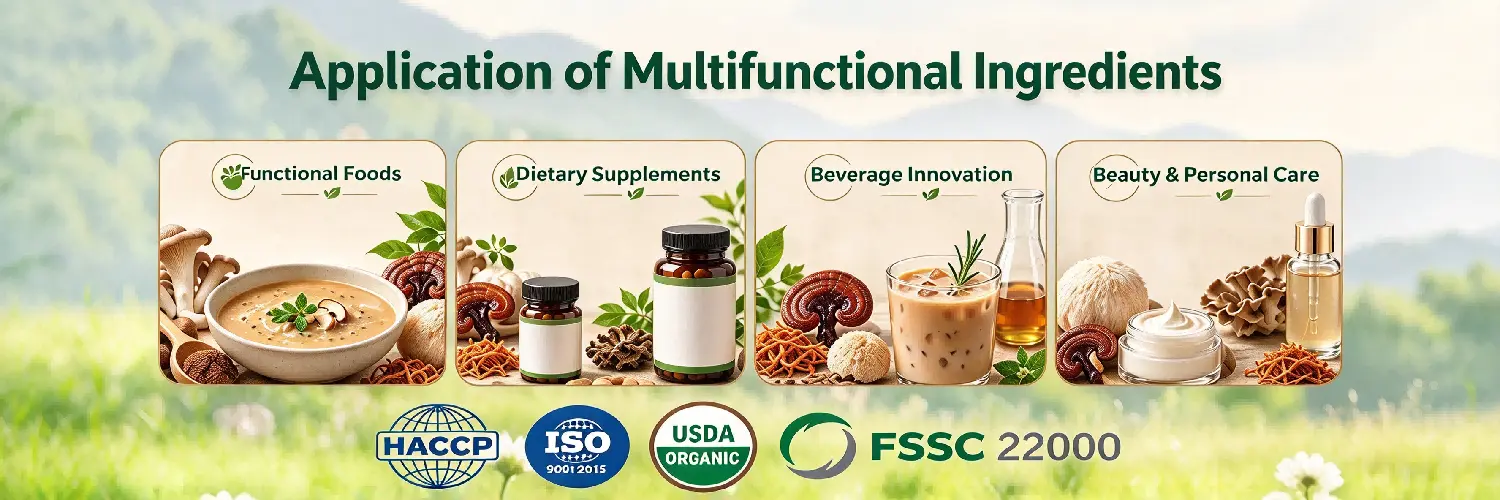
The information we have now about our products supports capsules, tea, solid drinks, oral liquids, and biscuits. All of them ask the powder to do different things. Check your line for fill weight and powder flow for capsules. For tea, check the sediment and dispersibility under the conditions you use to make it. Solubility and stability tests need to be done in your own base for solid drinks and oral liquids. In your baking profile for biscuits, you need to check the flavor and heat tolerance. Because the results depend on your base and process, I suggest you do some small tests first. Gummies and sachets are common packaging types in the market, but we don't have any application data for them yet, so talk to us about them before you make plans.
How Pure Lion's Mane Extract Works in Supplement Applications?
Marker Compounds: Hericenones and Erinacines
And two compounds of interest for FuYNature Lion’s Mane Extract are hericenones and erinacines. Kawagishi and his colleagues isolated erinacines from mycelia and hericenones from fruiting body in 1991 and 1994. People were interested in the groups because they have been shown in the lab to increase production of nerve growth factor. The HPLC tests indicate that the hericenones should be between 1% and 4% and the erinacines between 1% and 4%. These compounds are distributed differently in the fruiting body and the mycelium as mentioned in the literature. I suggest you ask for the details of the HPLC method and the batch data for both markers. We do not have beta-glucan or total polysaccharide values in our current data so let us know if you need these for your specification.
Formulation Performance Factors
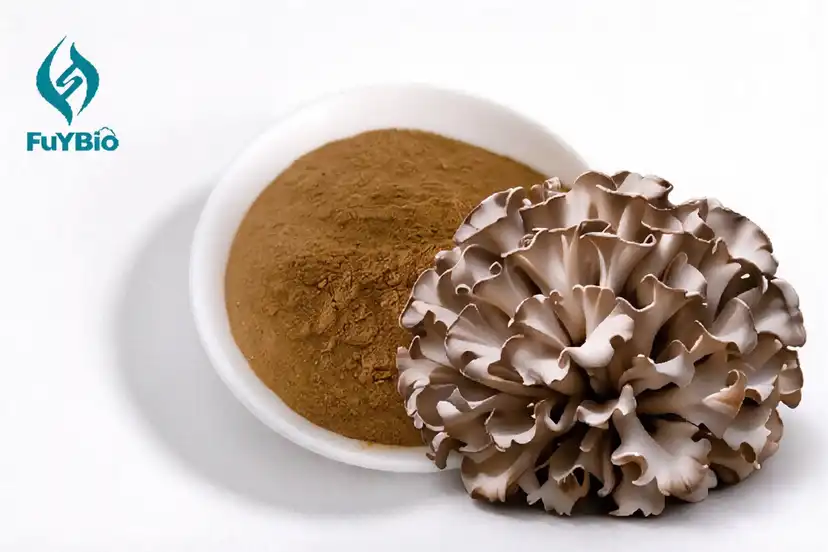
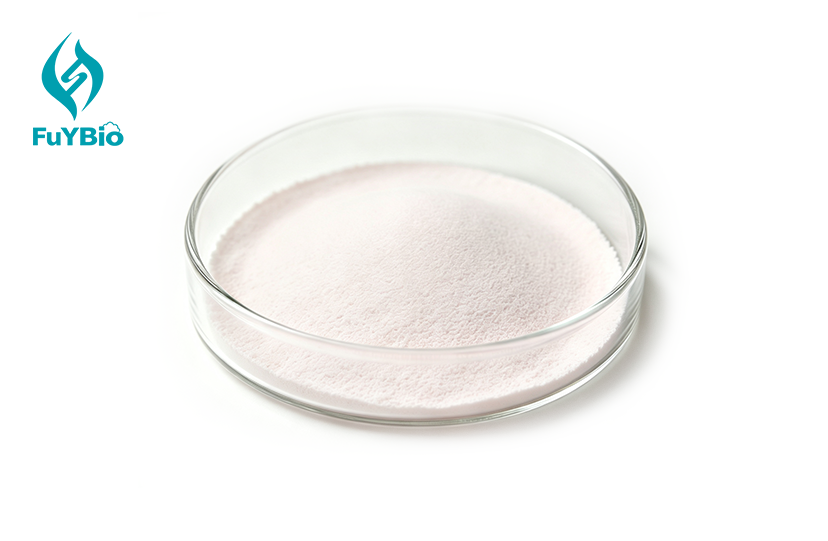
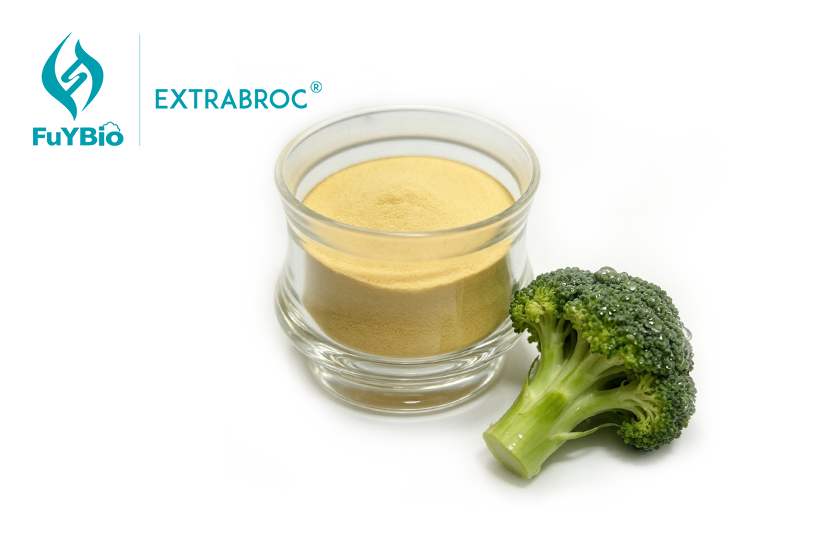
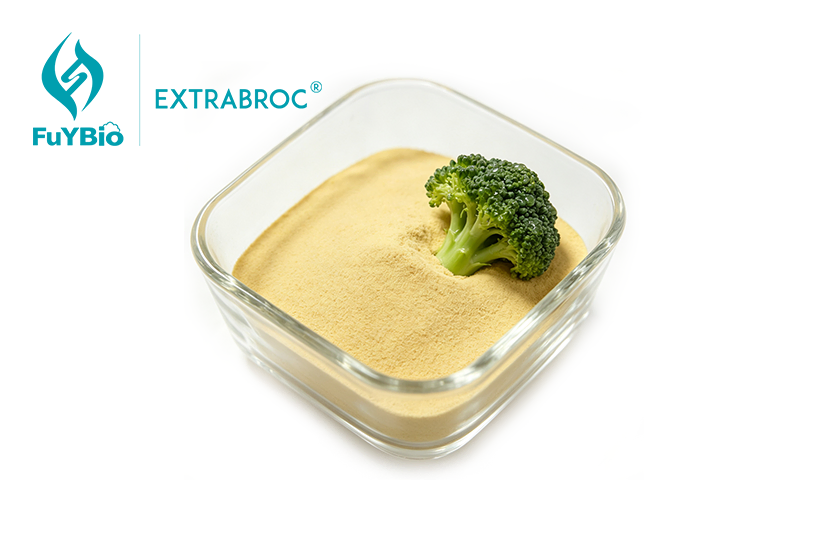
A marker number doesn't tell the whole story. The dissolution, mixing, color change, odor, taste, water absorption and settling properties also affect the formulation performance. This type of line cares about both flow and fill weight. It is important if sediment is formed and how fast the Pure Lion's Mane Extract powder is dispersed in tea or solid drink. A baked good wants to be tasty and take the heat. The powder is yellow-brown to tan and has a distinctive odor, so if you are planning to mask flavors or match colors, compare it to your own nose. You should test your real base as an ingredient that works well in the lab tests may not work well in the final product.
Positioning and Claim Boundaries
Lion’s Mane is frequently promoted as a nootropic for brain support, focus and memory, but claims should be taken with a grain of salt. Phytother Res. 2009;23:1086-1093. 8. A double-blind, placebo-controlled study of dried fruit body powder in Japanese adults with mild cognitive impairment. The participants were between 50 and 80 years of age. It only looked at powder, not this extract, so it can't support any claims about any extract. In the US, labels must carry the standard FDA disclaimer, and structure/function claims cannot mention the treatment of diseases. "Label claims, usage rates and warnings vary according to your formulation and local laws, so I won't give them here." Include warnings your target market needs and have a qualified regulatory review.
Quality Specifications to Request Before Buying Pure Lion's Mane Extract
What Our Current Product Data Lists?
This is what we got for you for EXTRA BROC® Lion's Mane Extract. Yellow-brown to tawny powder. Prepared from the fruiting body. It is from China. Contains 1-4% hericenones and 1-4% erinacines (HPLC). The mold count is under 1000 cfu/g, heavy metals are within acceptable limits, and the product has a shelf life of 24 months. Among the certificates are HACCP, ISO9001:2015, USDA Organic and FSSC 22000. Current data does not include details for heavy metal limits, particle size, moisture, packaging, MOQ or lead time so please contact us before ordering to make sure.
Certificate of Analysis Checklist
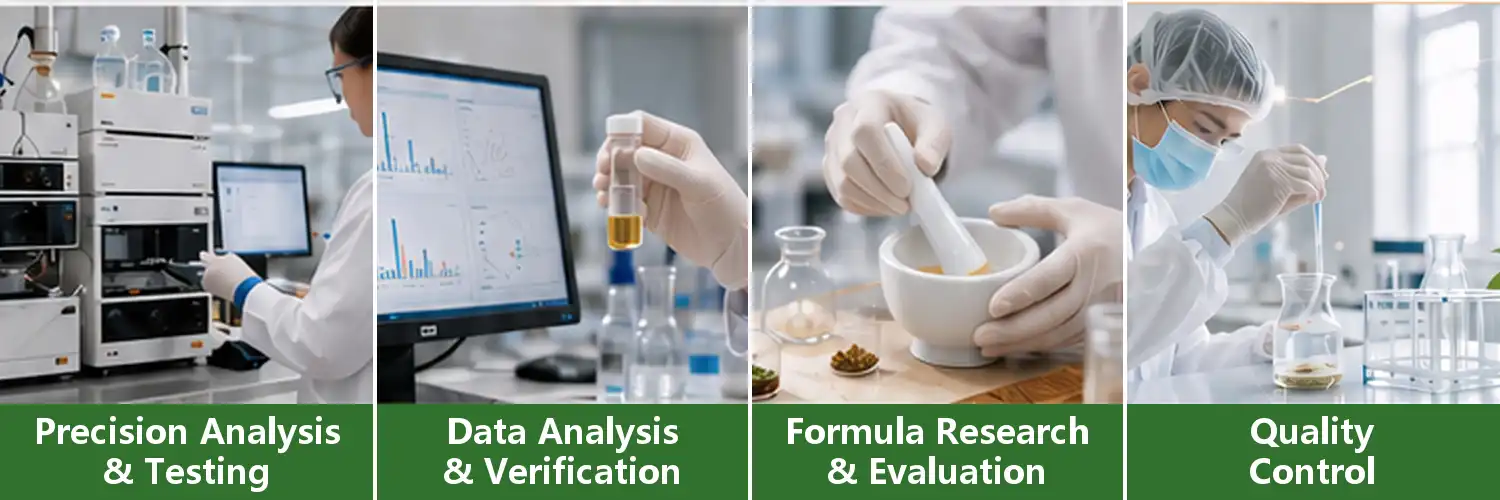
Before you approve a supplier, ask for a certificate of analysis that is specific to the batch. When it comes to microbiology, heavy metals, pesticides, residual solvents, and identity, source material, and marker results with the test method are all things that you should look for. The COA should list the lab, the criteria for acceptance, the production date, and the batch number. In the US, this is important because FDA's 21 CFR Part 111 says that supplement makers must use at least one proper test to make sure that each dietary ingredient is what it says it is. The rule also says that manufacturers have to check out any supplier whose COA they use for other requirements. For our product, you should ask what batch documents you can get for your order.
Incoming Material Checks
When it gets to you, compare the yellow-brown to tawny color and the unique smell to the standard you use for new materials. Then, make sure the COA, label, and batch number match. If your quality plan says to use HPLC to check for hericenones and erinacines, do so. Also, make sure that the total mold count stays below 1000 cfu/g. Store the powder in a cool, dry place away from light and high temperatures with the lid on tight. Keep samples from each lot. A shelf life of 24 months helps with planning what to keep in stock. The current data doesn't list any packaging options, so make sure you know the format before you set reorder points.
Choosing and Comparing Lion's Mane Extract Powder for Your Formula
Match the Extract to the Dosage Form
Select the finished product, then the Pure Lion's Mane Extract ingredient. When making capsules concentrate on flowability, fill weight and dose control. The drinks should be easy to mix, you should be able to control the flavor and it shouldn’t settle at the bottom. Gummies need to withstand heat and moisture during processing. Often the marker target is the starting point of a capsule project and the project works its way back to the serving size. This is because the weight of the fill depends on the content level. FuYNature Lion’s Mane Extract is available in any quantity you need. Send us the details you need, the dosage form and the people you want to reach. We offer formulation and dosage form reference recommendations. But custom finished product development requires a separate discussion.
Extraction Methods and Carriers
Hot water extraction works best for compounds that dissolve in water. It changes the flavor, color, consistency, and solubility. The water and alcohol steps are combined in dual extraction, which may get back a wider range of compounds. The supplier should give information about the order, solvents, concentration method, and controls for residual solvents. Spray drying and carriers can make flow and stability better, but carriers can change the math for potency, where the clean label goes, and the allergen status. We don't have information about the extraction method or carrier for this item in our current product data, so please ask us for it before you compare prices. Don't judge a method by its name; instead, look at how well the powder works in your final recipe.
Building a Supplier Scorecard
Fair comparisons are made with a simple scorecard. Rate each supplier on: clarity of sources; marker specifications; contaminant data; certifications; minimum order quantity; lead time; documentation; samples; technical support. Something has to be certified to be called organic. It is USDA Organic and on its website it says both the fruiting body powder and the extract are made according to EU and US export rules. Different markets need different documents, so tell us who your target market is and we’ll tell you which documents you need. You will want to look at value not price. A cheap lot that fails your test will cost you money and time.
Sourcing, Pricing, and Risk Control for Pure Lion's Mane Extract
Choosing a Qualified Supplier
Changes what you get Based on the type of supplier. Distributors might be better for small tests and regional stock, and direct manufacturers might be better for bulk buying, custom orders and long-term supply. OEM/ODM partners assist with Finished Goods. FuYNature Lion's Mane Extract is derived from a farm-plus-factory system, with standardized control from strain selection to powder production. We can do air freight and sea freight. We can also help with HPLC testing, scientific evidence, patent licensing (depending on the size of the order), and regulatory compliance, if asked. FuYNature is technically supported by our PhD-led R&D team.
Samples, Pricing Factors, and Procurement Planning
From sample to commercial order, I think there should be a controlled path. Define the requirements, look over the paperwork, test a representative sample, run application trials, approve the supplier, check the first batch, and make rules for how changes can be made for future orders. It depends on the source material, whether it is organic, the level of content, the need for testing, the packaging, the order volume, the level of customization, and the freight. Don't just look at the price per kilogram; compare quotes based on marker content, serving cost, and total landed cost as well. Prices are not shown here. Minimum order quantity (MOQ) and lead time are not in the current data, so please ask for them when you ask for a quote.
Sourcing Risks, Quality Control, and a Decision Matrix
Claims about ratios are often not backed up, polysaccharides and beta-glucans are often confused, fruiting body or mycelium sources are often not stated, carriers are often hidden, batches vary and organic claims are often not backed up. Your specification should list acceptable ranges for moisture, color, smell, solubility, microbiology, contaminants and markers. Please confirm particle size and moisture of your powder with us before ordering. For a long-term supply, there should be a collection of incoming identity checks, COA review, risk-based sampling, traceability records, retained samples and change notification. Next, rate suppliers on identity, source, markers, COA, contaminants, certificates, and capacity. Lastly, let's consider price. Select the appropriate supplier for the job: distributors for testing, direct manufacturers for large orders and OEM/ODM partners for finished goods.
Conclusion
When people buy Pure Lion’s Mane Extract they should look beyond the ratio and at the evidence. The chemicals in extracts and mycelium and fruiting bodies are different from the regular powder. Hericenones and erinacines HPLC testing gives a clear basis to a specification. Batch specific COA, contaminant data, certificates and incoming checks all help the FDA in its identity and specification duties. Tests with the real dosage form prove that it really works. The type of supplier, the method of extraction, the carriers and the documentation impact the sourcing risk. A scorecard and decision matrix allow for an apples-to-apples comparison. In this article we are looking at product data and provide a list of things that still need to be confirmed before ordering. These are moisture, particle size, packaging, MOQ and lead time.
FAQ
Is lion's mane extract better than powder?
Not all the time. Which option is better depends on the dose, concentration, format, price, and where it will be used.
What does FuYNature Lion's Mane Extract contain?
HPLC tests show that the fruiting body powder has between 1% and 4% hericenones and between 1% and 4% erinacines. Values for beta-glucan and polysaccharides are not shown in the current data.
What should a COA show?
ID, marker results with the method, microbiology, contaminants, moisture, and batch information should all be shown. Please let us know which batch documents you need.
Do I need separate trials for each format?
Yes. That's why you should test the powder in your own base and process, like capsules, tea, solid drinks, oral liquids, and baked goods.
Request a Pure Lion's Mane Extract Sample and Specification from FuYNature
Looking for a Pure Lion's Mane Extract supplier that has USDA Organic certification, markers that have been tested by HPLC, and fruiting body origin? Email FuYNature at info@extrabroc.com with your target content level, dosage form, and market. We will make sure that the specifications, batch documents, MOQ, lead time, and packaging are all correct. We can also help with regulatory documents, custom content levels, and HPLC testing. For more information, go to extrabroc.com.
References
1. Journal of Agricultural and Food Chemistry, 2015 – Friedman, M., "Chemistry, Nutrition, and Health-Promoting Properties of Hericium erinaceus (Lion's Mane) Mushroom Fruiting Bodies and Mycelia and Their Bioactive Compounds."
2. Phytotherapy Research, 2009 – Mori, K. et al., "Improving Effects of the Mushroom Yamabushitake (Hericium erinaceus) on Mild Cognitive Impairment: A Double-Blind Placebo-Controlled Clinical Trial."
3. Tetrahedron Letters, 1991 – Kawagishi, H. et al., "Hericenones C, D and E, Stimulators of Nerve Growth Factor (NGF)-Synthesis, from the Mushroom Hericium erinaceum."
4. Tetrahedron Letters, 1994 – Kawagishi, H. et al., "Erinacines A, B and C, Strong Stimulators of Nerve Growth Factor (NGF)-Synthesis, from the Mycelia of Hericium erinaceum."
5. International Journal of Medicinal Mushrooms, 2013 – Lai, P.L. et al., "Neurotrophic Properties of the Lion's Mane Medicinal Mushroom, Hericium erinaceus (Higher Basidiomycetes) from Malaysia."
6. Code of Federal Regulations, Title 21, Part 111, 2007 – U.S. Food and Drug Administration, "Current Good Manufacturing Practice in Manufacturing, Packaging, Labeling, or Holding Operations for Dietary Supplements."