How to Choose Glucoraphanin Extract for Supplement Manufacturing?
Selecting the right broccoli seed extract for supplement manufacturing hinges on understanding glucoraphanin's stability, bioavailability, and supplier credibility. Glucoraphanin Extract serves as the precursor to sulforaphane, a compound recognized for activating the Nrf2 pathway and promoting cellular defense mechanisms. Procurement teams must prioritize standardized potency (typically 13% to 20%), validated through HPLC testing, alongside certifications such as GMP, FDA GRAS, and ISO22000. Suppliers offering full traceability from seed cultivation to extraction, combined with clinical evidence supporting sulforaphane conversion rates, ensure formulations deliver consistent therapeutic outcomes while meeting regulatory demands in competitive markets.
Understanding Glucoraphanin Extract: What It Is and Why It Matters
Broccoli seeds (Brassica oleracea var. italica) are where Glucoraphanin Extract is found. It is a steady Glucoraphanin precursor that turns into Sulforaphane when gut bacteria break it down with myrosinase. This change at the molecular level is very important because Sulforaphane activates Phase II elimination enzymes through the Nrf2 signal pathway. As an added bonus, this helps protect cells from oxidative stress and boosts antioxidant defense.
The Biochemical Mechanism Behind Sulforaphane Activation
Sulforaphane is made when myrosinase mixes with Glucoraphanin. This chemical has been studied a lot because it can turn on genes that help the body fight free radicals and clean itself up. It depends on the quality of the Glucoraphanin that was used to make the Sulforaphane that the body can absorb it best. This rate can be anywhere from 20% to 60%, based on how it was stored and how it was removed.
Why Stability Matters in Manufacturing
If you treat Glucoraphanin the right way, it will stay chemically stable for a long time, but pure Sulforaphane breaks down quickly at room temperature. This steadiness solves a big problem in manufacturing: making sure that the product keeps working well over time. Manufacturers can trust Glucoraphanin that has been extracted with water. It doesn't leave behind any organic solvents and can be handled regularly without the need for special cold-chain supplies.
Dosage Guidelines and Safety Profiles
The <Dietary Nutrient Reference Intakes for Chinese Residents>(2023 edition) specifies a Suggested Intake Level (SPL) of 30 mg/day for sulforaphane.Several clinical studies have shown that the supplement is safe, and at normal supplement amounts, it doesn't have any bad effects. Certifications from government agencies, like GRAS status from the US FDA and meeting China's New Food Raw Materials standards, help customers trust a business more and make it easier for them to enter new markets in many places.
Core Criteria for Selecting High-Quality Glucoraphanin Extract
A lot of different quality factors need to be looked at by people who buy broccoli seed oils to make sure the goods work well and follow the rules. The following factors make up a full method for picking raw materials and analyzing suppliers.
Standardization and Potency Verification
You can trust suppliers to give you certificates of analysis (COA) that have been checked by HPLC and show how much Glucoraphanin Extract is in the product. Usually, it's between 13% and 20%. Higher amounts, like 14% Glucoraphanin Extract, need less raw material per dose unit. This keeps the therapeutic effectiveness while lowering the cost of production. It's important for brands that want to build trust with customers by giving them accurate health reports that the product will work again and again.
Purity and Contaminant Testing
A high-quality sample is carefully checked for heavy metals (lead less than 0.5 ppm, arsenic less than 0.5 ppm, and mercury less than 0.1 ppm), microbes (total plate count less than 1000 cfu/g, yeast and mold less than 100 cfu/g), and pesticide residues. Advanced sellers use pre-treatment methods to get rid of harmful impurities like allyl isothiocyanate, which can make the product less safe and upset the digestive system. Organic approvals and non-GMO verifications make high-quality extracts stand out even more in markets that care about health.
Extraction Methodology and Solvent Residues
The best way to make Glucoraphanin is through water extraction, which doesn't leave behind any organic solvents like ethanol or acetone-based methods do. People who want natural goods that have been treated as little as possible will like this "clean label" method, which also meets strict government standards. With gas chromatography-mass spectrometry (GC-MS) testing, no harmful extractants were found. This keeps the brand's reputation safe and the customer safe.
Certifications and Regulatory Compliance
Manufacturing sites should have several certificates that show they meet foreign quality standards. GMP certification makes sure that the places where things are made are controlled and that the tools and methods used are properly set up. A food safety management system needs to be certified by ISO22000 and HACCP. With HALAL approval, on the other hand, markets can reach places where Muslims are the majority. Firms can get into the US market more easily if their suppliers offer FDA registration and USP-NF compliance papers.
After evaluating these technical specs, it's easy for them to figure out which suppliers can give them steady quality that lets them make more products and keep their brand's integrity over time. Next, you should think about how Glucoraphanin Extracts compare to other ingredients that do the same thing.
Comparing Glucoraphanin Extract to Alternatives and Related Ingredients
When putting a product on the market, you need to know how Glucoraphanin Extracts and other cruciferous compounds are different and what their pros and cons are.
Glucoraphanin vs. Direct Sulforaphane Supplements
Maintaining the stability of sulforaphane is challenging, as it rapidly degrades when exposed to water, heat, or light. EXTRABROC® solves this issue, remaining stable at room temperature for up to 24 months—a fact demonstrated by the ability to use the ingredient without refrigeration. This stability translates into lower shipping costs, extended shelf life, and reduced waste—factors that are crucial for businesses purchasing in bulk.
Standardized Extracts vs. Whole Broccoli Powder
In whole broccoli powder, there is Glucoraphanin, nutritional fiber, vitamins, and minerals, but the quality has not been checked. Because of how the plants were grown, when they were picked, and how they were processed, the concentrations are very different between runs. It is possible to give exact doses of standardized extracts, which lets companies make goods with uniform bioactivity levels that live up to their labels. A lot of useful foods, medical nutrition products, and sports supplements depend on dose-response relationships to work. This accuracy is very helpful for those.
Powder Forms and Processing Compatibility
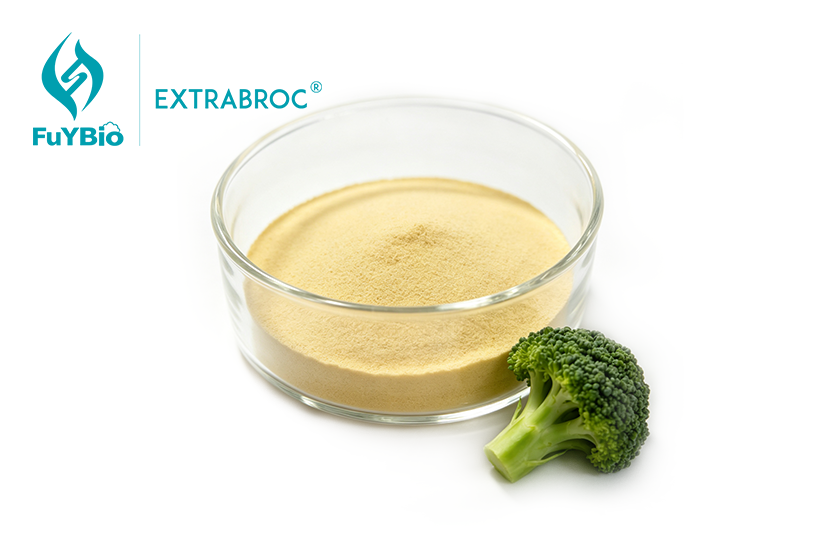
Fine yellow powder mixes that flow easily can be used to make capsules, crush tablets, and spread drinks. Needs for particle sizes (≥90% passing 180μm) make sure that mixes of different ingredients are mixed evenly and don't separate. Powdered meal replacements and ready-to-drink drinks can both have it added because it dissolves in water. This means it's not just for pills and can be used for other things too.
Understanding these distinctions helps procurement teams select raw materials that align with product positioning, target demographics, and manufacturing capabilities. Successful ingredient selection ultimately depends on partnering with suppliers who demonstrate technical expertise and supply chain reliability.
Case Studies and Real-World Applications of Glucoraphanin Extract in Supplements
Practical examples from the supplement industry demonstrate how high-quality broccoli seed extracts translate into successful product formulations that resonate with health-conscious consumers.
Advanced Dietary Supplements for Cellular Defense
Some high-end health supplement brands incorporate 5%–10% sulforaphane extract into formulations designed to combat free radicals and purify cells.. Selenium, alpha-lipoic acid, or N-acetylcysteine are often mixed with these products to make them work better together. People who want to take charge of their age and improve their metabolic health can use these formulas. The company that makes the product says that water-extracted Glucoraphanin works for two years, so there are no costs for making the product again because an ingredient went bad.
Functional Beverages and Nutricosmetics
Glucoraphanin is used in ready-to-drink health drinks and oral beauty supplements because it dissolves in water and stays stable at high temperatures. Even after being pasteurized, which is needed for shelf-stable drinking types, it still has bioactivity. There is scientific proof that Sulforaphane can turn on Phase II detoxification enzymes that fix damage caused by free radicals. This helps brands that say their products protect against UV rays and keep skin healthy. In the beauty-from-within market, which is already very crowded, this messaging based on evidence makes goods stand out and builds customer trust.
Medical Nutrition and Sports Performance Products
Food for Special Medical Purposes (FSMP) products and sports nutrition pills have Glucoraphanin Extracts in them to help the body heal, lower the oxidative stress that exercise causes, and speed up the metabolism. Because it is the normal strength, it is possible to use exact dose plans that are in line with research that shows that certain intake levels improve performance. The ingredient works well with many flow agents and moisture barriers, which helps the mixture stay solid even in places where there is a lot of shear.
These applications underscore the importance of selecting suppliers who provide not only high-quality raw materials but also technical paperwork to back up health claims and formulation advice that cuts down on the time it takes to make a new product.
Conclusion
When making products, choosing the right Broccoli Seed Extract (Glucoraphanin Extract/Sulforaphane Extract) means finding a balance between technical needs, the supplier's skills, and following the rules. Putting an emphasis on HPLC-verified strength standardization, thorough toxin testing, and water-extraction methods makes sure that the raw materials meet quality standards that help the product be safe and work well. For formulas to work, they need suppliers that can be fully tracked, foreign standards like GMP, ISO22000, and HALAL, and clinical proof that Sulforaphane conversion rates are correct. It is much easier to make Glucoraphanin supplements because they are more stable than straight Sulforaphane supplements. You can also make smart buying choices if you know how to find things in bulk and how to judge suppliers. There are a lot of people who want to buy Glucoraphanin because it works well in functional drinks, medical nutrition products, and dietary supplements. In the world of nutraceuticals, this makes it a unique element.
FAQ
What is the difference between glucoraphanin and sulforaphane supplements?
Glucoraphanin is a stable precursor molecule found in broccoli seeds. Through enzymatic action, it yields the active metabolite sulforaphane. While sulforaphane alone is prone to degradation, supplements combining glucoraphanin extract with myrosinase offer a longer shelf life (up to 24 months at room temperature). In the gut, this combination technology facilitates the natural conversion of glucoraphanin into sulforaphane. High-quality products enable the absorption of over 55% of the glucoraphanin.
What certifications should I look for when sourcing glucoraphanin extract?
It is necessary to have certifications in Good Manufacturing Practices (GMP), ISO22000 (for food safety management), HACCP (for risk analysis), and HALAL for some markets. To get into the US market more easily, getting FDA approval and GRAS status is helpful. Also, making sure the quality meets USP-NF standards is important for pharmaceuticals. Labs that are ISO 17025 certified and do tests for a third party check the specifications and levels of contaminants.
How do I verify the quality of glucoraphanin extract before purchasing?
Seek out Certificates of Analysis (COA) that show the Glucoraphanin level was checked with HPLC, as well as tests for heavy metals, microbes, and pesticide residue. Check out the businesses that offer Sulforaphane yield potential tests that work like enzymes and show biological activity. You can be even more sure of the quality before placing large orders if you have samples checked by independent labs before they are sent out.
Partner with EXTRABROC® for Premium Glucoraphanin Extract Supply
The broccoli seed extract in EXTRABROC® is pharmaceutical-grade and has been standardized, a natural system for converting glucoraphanin to sulforaphane—developed by combining glucoraphanin with myrosinase—has been granted patents in both China and Japan. The idea comes from 13 years of specialist study in functional nutrition that focuses on Nrf2. Our unique water extraction method gets rid of any chemical solvents that are still in the product. It also keeps the product safe at room temperature for 24 months without losing any of its usefulness. With over 10 finished human clinical trials that showed it worked and a supply capacity of 50 tons per year, we can help both new names and well-known makers who need to buy in bulk on a regular basis. With our fully linked supply chain, we can keep track of everything, from the seeds that are planted to the extract that is finally made. The FDA, GMP, ISO22000, HACCP, and HALAL have all approved it as well. We are a trustworthy company that makes Glucoraphanin Extract. To help you get your product to market faster, we offer custom formulation help, patent licensing choices, and full technical documentation. You can get examples or talk to us about your specific raw material needs by emailing info@extrabroc.com.
References
1. Fahey, J.W., Talalay, P. (1999). "Antioxidant Functions of Sulforaphane: A Potent Inducer of Phase II Detoxication Enzymes." Food and Chemical Toxicology, 37(9-10), 973-979.
2. Shapiro, T.A., Fahey, J.W., Dinkova-Kostova, A.T., et al. (2006). "Safety, Tolerance, and Metabolism of Broccoli Sprout Glucosinolates and Isothiocyanates: A Clinical Phase I Study." Nutrition and Cancer, 55(1), 53-62.
3. Clarke, J.D., Dashwood, R.H., Ho, E. (2008). "Multi-targeted Prevention of Cancer by Sulforaphane." Cancer Letters, 269(2), 291-304.
4. Atwell, L.L., Zhang, Z., Mori, M., et al. (2015). "Sulforaphane Bioavailability and Chemopreventive Activity in Women Scheduled for Breast Biopsy." Cancer Prevention Research, 8(12), 1184-1191.
5. Egner, P.A., Chen, J.G., Zarth, A.T., et al. (2014). "Rapid and Sustainable Detoxication of Airborne Pollutants by Broccoli Sprout Beverage: Results of a Randomized Clinical Trial in China." Cancer Prevention Research, 7(8), 813-823.
6. Alumkal, J.J., Slottke, R., Schwartzman, J., et al. (2015). "A Phase II Study of Sulforaphane-Rich Broccoli Sprout Extracts in Men with Recurrent Prostate Cancer." Investigational New Drugs, 33(2), 480-489.