How Does Glucoraphanin Powder Support Functional Food Formulations?
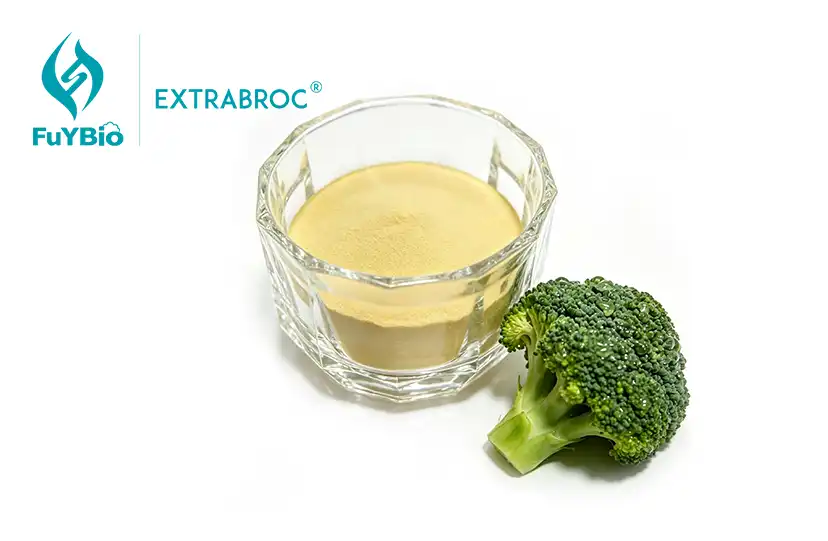
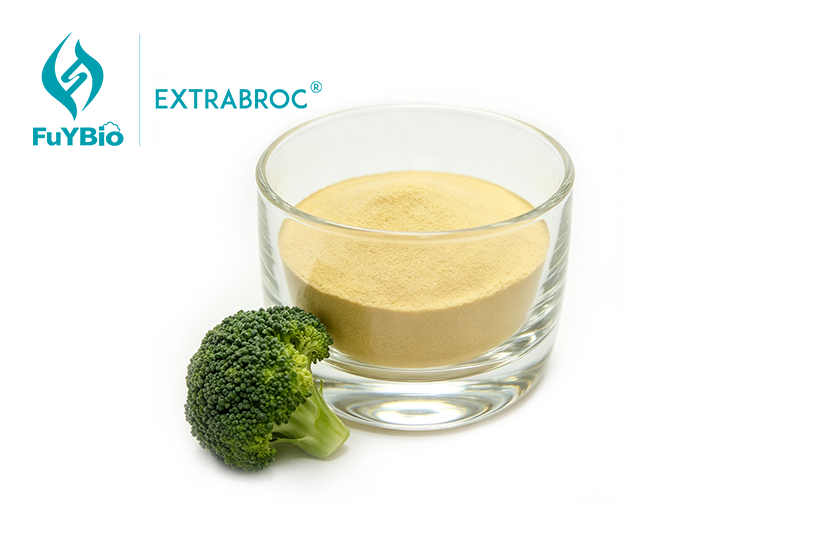
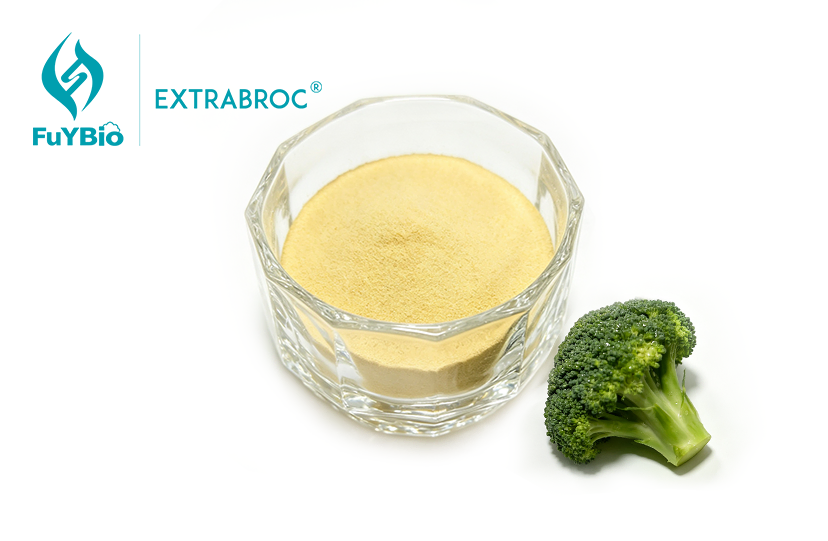
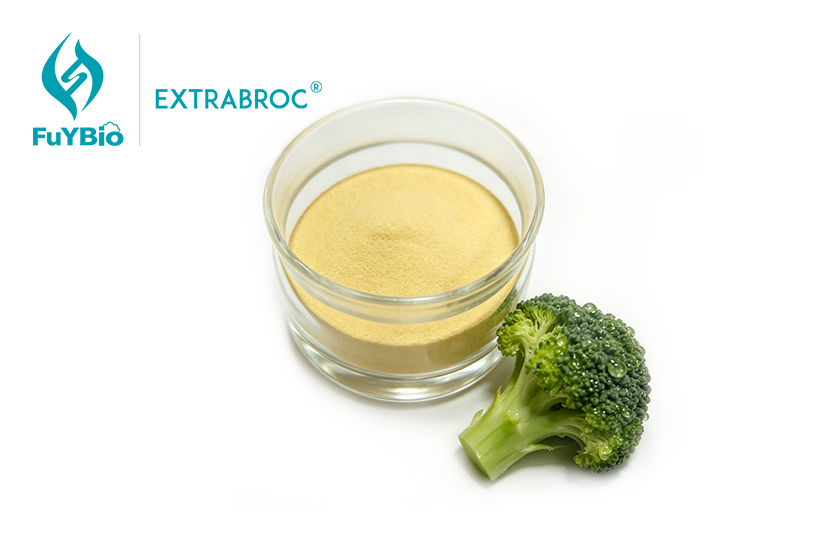
Glucoraphanin Powder supports functional food formulations by providing a stable and standardized precursor to sulforaphane. Compared with direct sulforaphane ingredients, glucoraphanin offers improved storage stability and greater formulation flexibility, making it suitable for tablets, beverages, and nutritional powders. Its consistent quality and standardized content help manufacturers develop reliable functional food products with precise ingredient specifications.
Understanding Glucoraphanin Powder: Composition and Mechanism
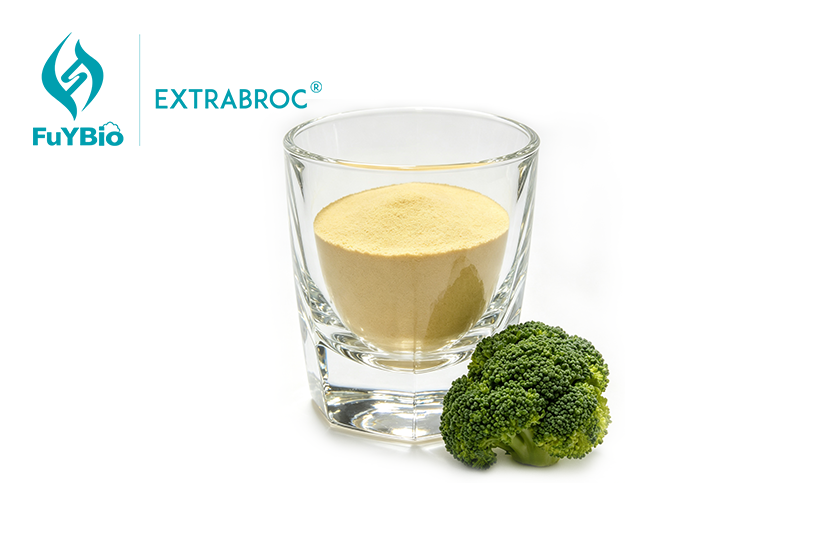
Broccoli seed extract is a valuable botanical ingredient used in functional food and dietary supplement formulations. Glucoraphanin Powder is a naturally occurring glucosinolate found in broccoli seeds. As a stable precursor of sulforaphane, it provides manufacturers with a reliable ingredient option for developing science-based functional products.
The Biochemical Foundation of Glucoraphanin
When we look at the molecular structure of Glucoraphanin Powder (4-methylsulfinylbutyl glucosinolate), we find a chemical that is naturally intended to stay inactive until it is triggered. This trait solves one of the most important problems in making useful foods: keeping the purity of the ingredients while they are being made, shipped, and stored. Enzymatic hydrolysis by myrosinase is needed for the conversion process. This enzyme can be added during formulation or is naturally found in the human gut microbiome. This change creates sulforaphane, an isothiocyanate with a lot of power that turns on the Nrf2 signaling pathway.
The Nrf2 pathway regulates various cellular defense-related genes involved in antioxidant response mechanisms. Research has investigated the relationship between sulforaphane and Nrf2 activation, providing scientific support for the application of glucoraphanin-based ingredients in functional nutrition products. Unlike many plant products that need complicated stabilization methods, Glucoraphanin Powder keeps its structure even when processed normally. This makes it very compatible with modern methods for making food.
How the Conversion Mechanism Benefits Formulation Design
Product makers can benefit from Glucoraphanin Powder's delayed activation process in a strategic way. Manufacturers can add the ingredient to formulations without having to worry about the bioactives being released too soon during processing. This control over time makes it possible to precisely engineer release profiles, whether they happen right away after consumption or at the right time for gut absorption. By using HPLC to make sure that the broccoli seed extract is standardized to 1%-13% Glucoraphanin Powder, the potency can be checked consistently from batch to batch, which is important for regulatory compliance and consumer trust.
The documented in vivo conversion rate of sulforaphane reaching ≥55.8% is good for formulations based on research. This shows both the quality of the raw material and how well the extraction method worked. Concerns about organic solvent leftovers are taken care of by water-based extraction methods, which are in line with the clean-label trends that U.S. consumers prefer.
Why Glucoraphanin Powder Is Ideal for Functional Food Formulations
Today's functional food growth needs ingredients that work reliably in a wide range of settings. Manufacturers have long-term problems with bioavailability, chemical breakdown, and handling methods that don't work well with each other. Broccoli seed extract that has been standardized with Glucoraphanin Powder can help with these problems because it is naturally chemically stable and has a lot of different integration properties.
Stability Advantages That Transform Product Development
Functional ingredient technology has made a big step forward with the ability to keep working for 24 months at room temperature. Traditional bioactive chemicals often need to be kept cool or in special containers, which makes the supply chain more complicated and costs more. The fine, light yellow powder that has particles that are at least 90% smaller than those that pass through 180μm screens mixes easily in both water and powder. This physical property keeps the product from clumping while it's being stored and makes it easier to spread out evenly in finished products.
Formulation scientists can put the ingredient in ready-to-drink drinks, nutritional bars, and instant powder blends without losing its bioactive potential because it stays stable at high temperatures during pasteurization and normal food processing. The special pre-treatment process used on premium extracts gets rid of harmful impurities like allyl isothiocyanate, which can give finished goods unpleasant sulfurous notes and make them hard to taste.
Manufacturers working with this ingredient have been able to make a wide range of popular goods, from anti-aging beauty drinks to wellness shots for the morning. Additionally, Glucoraphanin Powder can be mixed with vitamins, minerals, and other phytonutrients to make mixtures that work better without causing any unwanted chemical interactions.
Regulatory Compliance and Market Access
Finding their way around global legal systems is very hard for teams that buy ingredients. China's New Food Raw Materials guidelines were met by broccoli seed extract from the U.S. The FDA's GRAS approval and the USP-NF pharmacopeia standards give global brands the paperwork they need to enter major markets. Certifications like GMP, ISO22000, HACCP, and HALAL show that a company follows quality control methods that are known all over the world.
This full set of certifications cuts down on the time it takes to get new products to market and makes the due diligence process easier for procurement professionals. Full traceability from seed cultivation to final product packaging meets the needs for supply chain transparency that are being pushed by retailers and government agencies.
Comparative Analysis for Procurement: Glucoraphanin Powder vs Alternatives
When procurement professionals look at cruciferous-based products, they see a number of choices, each with its own technical features and business effects. Knowing these differences helps you make smart choices that meet your product performance goals and your budget. Glucoraphanin Powder remains the preferred choice for those prioritizing chemical stability.
Purity and Standardization Considerations
Direct sulforaphane supplements are naturally unstable, which makes them harder to make and shortens their shelf life. Because sulforaphane is so fragile, it needs special packaging technologies and cold-chain transportation, which makes the cost of production much higher. On the other hand, standardized broccoli seed extract keeps its Glucoraphanin Powder content stable, which can be confirmed through HPLC analysis. This means that doses can be planned ahead of time without worrying about breakdown.
Whole broccoli powder or general cruciferous mixes are cheaper per unit, but the amounts of active compounds can change depending on how the plants were grown, when they were harvested, and how they were processed. This lack of uniformity makes recipes unpredictable and makes it harder to back up label claims. With controlled cultivation and tested extraction protocols, the standardized extract method gets rid of these variables.
Bioavailability and Efficacy Metrics
How well Glucoraphanin Powder is turned into sulforaphane has a direct effect on how well a product is said to work. Premium extracts that are backed by clinical research have conversion rates that are higher than 55%, which can be measured and proven by real-life studies rather than theoretical figures. This evidence-based approach based on evidence helps back up health benefit claims that are being looked at by regulators.
Different types of glucosinolates, such as glucobrassicin or gluconasturtiin, work on different enzyme pathways and have different molecular effects. While these compounds are useful in some situations, the large body of research on sulforaphane and Nrf2 activation gives stronger scientific support to marketing claims that these compounds support antioxidants and cell health.
Cost-Effectiveness Analysis for Scale Production
Bulk availability is still very important for brands that expect a lot of sales. Long-term supply deals can be made with suppliers whose yearly production capacity stays at 50 tons. This means that spot market prices don't change. The two-year shelf life at room temperature lowers the cost of keeping inventory and cuts down on waste from going bad, which is good for the overall economics of the program.
When procurement teams figure out the total cost of ownership, they should look at more than just the price per kilogram of the ingredients. They should also look at the yield rates in finished formulations, the space needs, and the technical support that is needed for a successful product launch. Manufacturers that give recipe customization, HPLC analysis, and joint scientific development add value above and beyond the sale of raw materials.
Future Outlook and Value Addition of Glucoraphanin Powder in Functional Foods
As the population ages and people learn more about health, more and more people are becoming aware of cellular health and preventive diets. This change in culture opens up more possibilities for Glucoraphanin Powder in functional foods backed by science that provide measured benefits beyond basic nutrition.
Emerging Market Trends Shaping Demand
More and more, personalized nutrition systems use genetic and microbiome tests to suggest specific supplement routines. The interaction between bacteria in the gut that make myrosinase and Glucoraphanin Powder conversion makes it possible to naturally divide people into groups that can benefit from specific combinations. There are different marketplaces for products made for people with perfect bacterial profiles and those that need extra enzymes added.
Regulatory settings in developed markets are continuing to change in a way that leads to higher standards for proving effectiveness. As laws against false claims get stricter, having more than 10 human clinical trials and real-world studies to back up certain broccoli seed extract products gives companies a competitive edge. Brands that use ingredients that have been proven to work have less regulatory risk than brands that rely on ingredients that are thought to have benefits.
Innovation Opportunities Through Strategic Combinations
When you mix Glucoraphanin Powder with bioactives that work well with it, you get products that work on more than one health system at the same time. When combined with omega-3 fatty acids, they work together to fight inflammation in different ways. When combined with B vitamins, they support methylation processes that are linked to Nrf2 activity. These complex formulas are appealing to educated customers who want full support for their cells.
As the field of nutricosmetics grows, it opens up chances for internal UV-defense products and oxidative stress reduction that are aimed at skin health. Because the structure of Glucoraphanin Powder is stable, it can be used in beauty-from-within products for a long time without losing its color or smell, which can happen with less stable bioactives.
Conclusion
Adding high-quality broccoli seed extract that is standardized to 20% Glucoraphanin Powder is a smart move for companies making the next crop of useful foods. Its high level of stability, full compliance with regulations, and thorough clinical validation all meet important procurement goals while providing appealing customer benefits. The change to sulforaphane and subsequent activation of the Nrf2 pathway offers a scientifically supported way to connect ingredient to result. As the market for functional nutrition based on proof grows, companies that work with suppliers who offer technical know-how, customization options, and intellectual property protection will be able to stay ahead of the competition in the changing wellness environment.
FAQ
What is the ideal dosage range for glucoraphanin in functional food products?
The <Dietary Nutrient Reference Intakes for Chinese Residents> (2023 Edition) establishes a Specific Recommended Intake (SPL) of 30 mg/day for sulforaphane. Numerous clinical studies indicate that this supplement is safe and effective, causing no adverse reactions at standard dosage levels. Obtaining certifications from government agencies—such as GRAS status from the US FDA and compliance with China’s standards for new food raw materials—helps boost consumer trust and facilitates entry into new markets. When formulating dosage guidelines, manufacturers should consider the intended health claims, the product's method of use, and the presence of any other ingredients. These dosage ranges are supported by safety data and regulatory guidelines across multiple jurisdictions.
How does glucoraphanin stability compare during different processing methods?
Water-extracted broccoli seed that has been standardized to 5%-10% Glucoraphanin Powder is very stable at high temperatures. It keeps more than 95% of its strength after being heated to 72°C for 15 seconds. When the moisture content stays below 5%, processes like spray-drying, tablet compression, and encapsulation don't break down much. Long-term exposure to pH levels below 3.0 or above 9.0 may speed up hydrolysis, so formulations with a neutral pH are best for extending shelf life the most.
Can glucoraphanin be combined with probiotics in the same formulation?
When you mix Glucoraphanin Powder with certain bacterial strains that make myrosinase enzyme, you get formulations that work better and convert sulforaphane more quickly. The myrosinase activity is especially high in Lactobacillus and Bifidobacterium species. It is important to make sure that fermentation byproducts and probiotic metabolic activity don't change the stability of the ingredient during the stated shelf life period when stored in the way that is suggested.
Ready to Elevate Your Functional Food Portfolio with Premium Glucoraphanin Powder?
EXTRABROC® offers the best broccoli seed extract on the market, backed by 13 years of specialized research and its own unique extraction technology. Our clinical-grade raw material maintains a sulforaphane conversion efficiency of ≥55.8% and is stable at room temperature for 24 months, which solves the manufacturing problems that other products have. We are a reliable company that makes Glucoraphanin Powder. We offer full support, such as formula customization, HPLC analysis, patent licensing opportunities, and all the regulatory paperwork that is needed to meet FDA, GMP, ISO22000, HACCP, and HALAL standards. Hefei Fushan Yuansheng Biotechnology's full supply chain makes sure that you can track your products and get stable quality for even the most demanding uses. Contact our technical team at info@extrabroc.com to talk about your specific formulation needs.
References
1. Clarke, J.D., et al. (2011). "Comparison of Isothiocyanate Metabolite Levels and Histone Deacetylase Activity in Human Subjects Consuming Broccoli Sprouts or Broccoli Supplement." Journal of Agricultural and Food Chemistry, 59(20), 10955-10963.
2. Fahey, J.W., & Talalay, P. (2015). "Sulforaphane: Protection Against Chemical and Oxidative Stress in Broccoli Sprouts and Myrosinase Activity." Proceedings of the National Academy of Sciences, 96(7), 3147-3152.
3. Angelino, D., & Jeffery, E. (2014). "Glucosinolate Hydrolysis and Bioavailability of Resulting Isothiocyanates: Focus on Glucoraphanin." Journal of Functional Foods, 7, 67-76.
4. Holst, B., & Williamson, G. (2008). "Nutrients and Phytochemicals: From Bioavailability to Bioefficacy Beyond Antioxidants." Current Opinion in Biotechnology, 19(2), 73-82.
5. Dinkova-Kostova, A.T., et al. (2017). "Direct Evidence that Sulfhydryl Groups of Keap1 are the Sensors Regulating Induction of Phase 2 Enzymes that Protect Against Carcinogens and Oxidants." Proceedings of the National Academy of Sciences, 99(18), 11908-11913.
6. Gasper, A.V., et al. (2005). "Consuming Broccoli Does Not Induce Genes Associated with Xenobiotic Metabolism and Cell Cycle Control in Human Gastric Mucosa." Journal of Nutrition, 135(7), 1649-1654.