Broccoli Seed Extract 13% Glucoraphanin Supports Clean Label Ingredient Formulations for Functional Food and Beverage Brands
If you are a product developer or ingredient buyer searching for a natural, science-backed antioxidant, Broccoli Seed Extract 13% Glucoraphanin fits today's clean label demand. Derived from Brassica oleracea var. italica seeds using a pure water extraction process, this light yellow fine powder delivers a stable, quantifiable source of glucoraphanin—the direct precursor to sulforaphane. With FDA GRAS status, GMP and ISO22000 certifications, and over 10 completed human clinical trials backing its efficacy, this ingredient gives functional food and beverage brands a credible, traceable bioactive they can confidently put on a clean label.
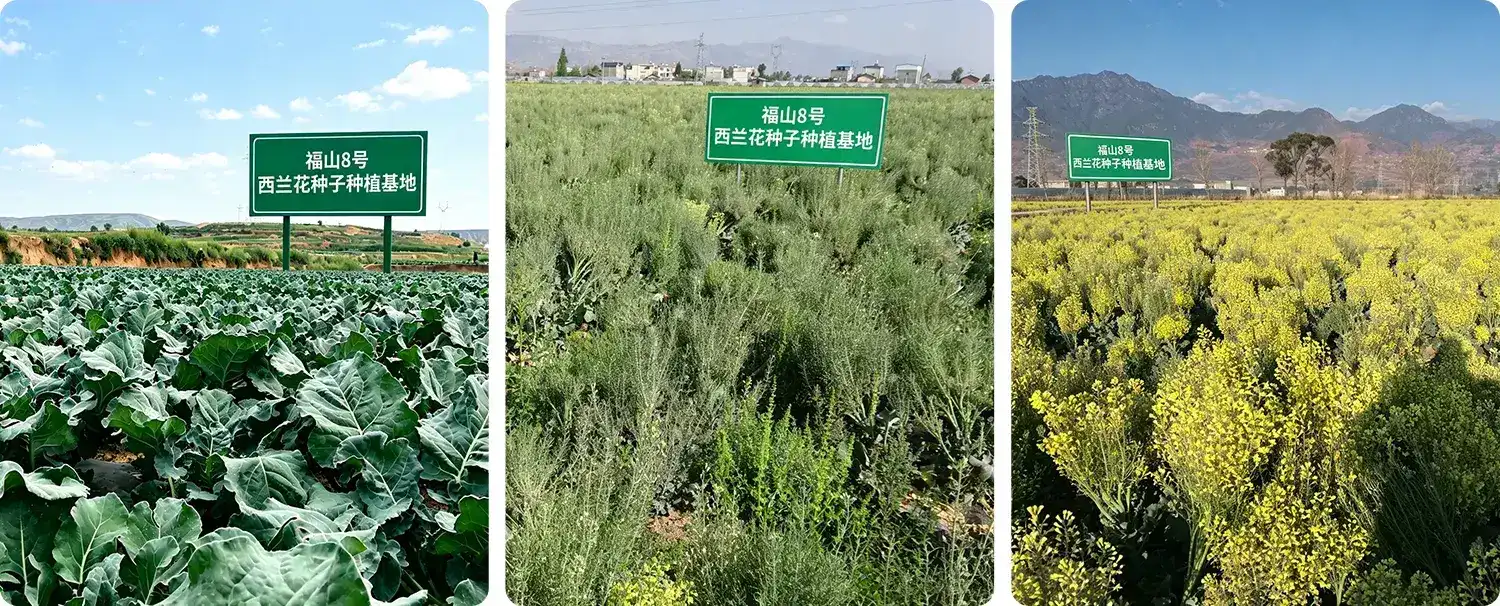
Understanding Broccoli Seed Extract with 13% Glucoraphanin
What Is Glucoraphanin and Why Does Concentration Matter?
Glucoraphanin is a glucosinolate chemical that is naturally found in broccoli seeds. When it is eaten, gut bacteria or specially made myrosinase enzymes change it into sulforaphane, which is a well-studied Nrf2 signaling pathway stimulator. Standardizing to 13% glucoraphanin through HPLC testing makes sure that every batch has the same exact molecule count. This is very important for brands that need to make sure that their label claims and dosages are always correct across production runs.
How the Nrf2 Pathway Connects to Consumer Health?
When sulforaphane activates the Nrf2 pathway, it sets off the body's own cellular defense enzymes, which help with cleansing and antioxidant reactions. Peer-reviewed research shows that activating Nrf2 can protect the heart, keep the metabolism in check, and lower signs of oxidative stress. This process gives functional food brands a scientific story that American customers who care about their health can relate to.
Why Seed-Based Extraction Outperforms Sprout Powders?
Broccoli sprout powders are widespread, but they have variable glucosinolate amounts and a higher risk of microbial contamination. Using a pure water process to extract seeds increases the amount of glucoraphanin to 13%, gets rid of harmful impurities like allyl isothiocyanate through a special pre-treatment process, and keeps the substance stable up to 80°C. Because of this, it works better for pasteurizing drinks and compressing tablets than alternatives made from sprouts.
Comparative Analysis: 13% Glucoraphanin vs. Alternatives
Higher Potency Means Fewer Compromises in Formulation
Lower-potency broccoli extracts (1%–5% glucoraphanin) need much higher inclusion rates to reach a therapeutic dose. This makes the cost of the ingredient per capsule go up, and the chance of off-notes in drinks go up as well. At 13%, formulators can fit 50–100 mg of glucoraphanin into a normal capsule or a small powder sachet. This keeps the end product clean, small, and cost-effective without lowering its bioactivity.
Glucoraphanin vs. Direct Sulforaphane Ingredients
There are chemicals that are 100% sulforaphane, but Broccoli Seed Extract 13% Glucoraphanin provides glucoraphanin, which stays stable for 24 months when stored in the usual way: cool, dry, away from light and high temperatures. This makes it much easier for large buyers to handle the supply chain. EXTRABROC® broccoli extract has an in vivo conversion rate of ≥55.8%, which has been proven in clinical studies and is backed up by EXTRABROC®'s own research.
Organic vs. Non-Organic Sourcing Considerations
Organic approval costs more and can lead to different sources of food. A non-organic extract that has been thoroughly tested and meets over 500 indicators for pesticide residues, heavy metals (inorganic arsenic at 0.052 mg/kg), and microbiology (total aerobic bacterial count at 280 cfu/g) is more likely to meet U.S. regulatory requirements and retailer quality audits than organic sources that aren't always certified. Most business-to-business buyers care more about test data that has been confirmed than organic labels alone.
Practical Guide to Using This Extract in Product Formulations
Dosage Guidelines and Delivery Format Flexibility
Doses of glucoraphanin that have been tested on humans usually range from 30 mg to 100 mg per day. At a concentration of 13%, that range is covered by 385–770 mg of the extract. The extract can be used in functional drinks, tablets, hard capsules, powders, and even oil-in-water emulsions used in cosmetics. Its particles are ≥90% passing 180 μm, which allows for smooth mixing in powder forms and even spreading in liquid forms.
Clean Label Claims and Regulatory Positioning
In the U.S. market, this extract can be sold with a clean label. It meets the standards of the USP-NF pharmacopeia and has FDA GRAS approval. Broccoli seed water extract has been approved as a new food raw material by China's National Health Commission. These regulatory anchors let brands make structure/function promises about antioxidant support and cellular defense with a clear regulatory route. This way, they can avoid using vague or unsupported benefit language.
Quality Control Measures Every Buyer Should Verify
Before you place a large order, ask any provider for the following paperwork. Here are the most important quality checks that buying teams should make:
- HPLC certificate of analysis confirming glucoraphanin ≥13% per internal testing method
- Heavy metal and microbiology reports aligned with U.S. and EU safety thresholds
- Full traceability documentation from seed origin through finished extract production
The heavy metal and microbiology reports are in line with U.S. and EU safety standards.
Sourcing and Procurement Insights
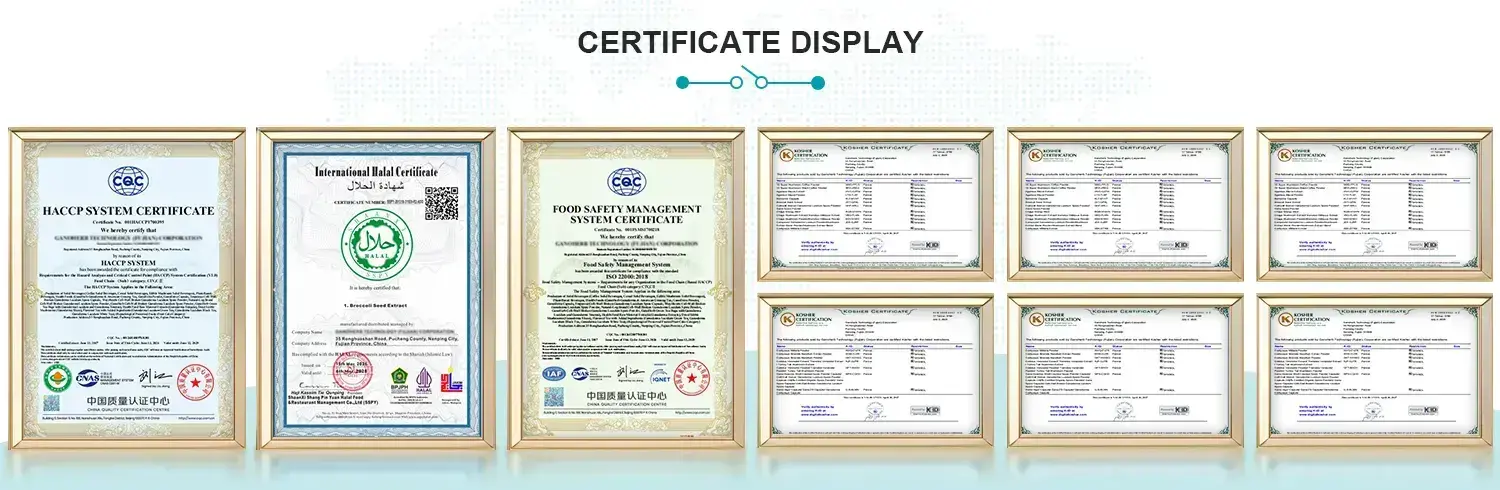
Certifications That Signal a Trustworthy Supplier
Not all companies that sell broccoli seed extract have the same kinds of approvals. Broccoli Seed Extract 13% Glucoraphanin from a factory that has FDA, GMP, ISO22000, HACCP, and HALAL certifications shows that quality control is done in a planned way at every step of the production process. EXTRABROC® only buys from factories that have all of these certifications. These factories can also produce 50 tons of products every year, so they can handle big orders without affecting wait times.
Full Traceability as a Supply Chain Differentiator
More and more U.S. store buyers and contract makers want suppliers to be able to track each lot from seed cultivation to extraction, packing, and final dispatch. The full-process traceability system for EXTRABROC® connects each batch to the farm where it came from, the extraction run, and the QC release records.
Volume Pricing, Private Label, and Technical Collaboration
This level of openness lowers the risk of recall and makes it much easier to audit your suppliers.
Future Trends and Market Opportunities
Growing Demand for Plant-Based Antioxidants in North America
The functional food and drink market in the U.S. keeps moving toward bioactives that come from plants and have been shown to work. That's exactly what glucoraphanin is: it comes from plants, isn't made from GMOs, is extracted using water, and is backed by peer-reviewed research. People who are interested in metabolic health, cellular health, and nutrition for long life create a steady market for ingredients like broccoli seed extract in new products.
Emerging Applications Beyond Traditional Supplements
Standardized glucoraphanin is being added to more than just pills and capsules. It is also being added to functional protein powders, ready-to-drink wellness shots, and cold-pressed juices. Because the extract is water-soluble and doesn't change the taste much at useful amounts, it can be used in acidic beverage mixtures. A more recent but rising market is anti-aging cosmetics, which study sulforaphane's antioxidant action on the skin against UV rays and environmental stresses.
Science-Based Marketing as a Competitive Advantage
Brands that use ingredients that have been shown to work in clinical trials can build longer-lasting customer trust than brands that make their products based on what's popular at the moment. Over 10 human clinical trials have been completed, and a team of PhD researchers is always adding to the body of evidence. EXTRABROC® gives its business-to-business partners access to claims that have been backed up by evidence and scientific materials that can help with marketing through channels that are compliant with regulations.
Conclusion
Broccoli Seed Extract 13% Glucoraphanin gives functional food and drink brands a rare mix of benefits: it comes from natural sources, has a known level of potency, is legal, and has been shown to work in clinical trials. It stays stable for 24 months, can be extracted with pure water, and can be fully tracked from seed to finished product, which are all things that B2B procurement teams care about these days. This element gives your product launch the scientific support and supply chain stability it needs, whether you are making an Nrf2-focused supplement, an enhanced beverage, or a cosmetic.
FAQ
What is the recommended dosage of glucoraphanin in functional food products?
30–100 mg of glucoraphanin per day is usually used in human clinical studies. At a concentration of 13%, this needs about 230 to 770 mg of extract per serving, which is a good amount for normal pill or powder forms.
How do I verify glucoraphanin content in a supplier's extract?
Ask for an analysis report that shows the HPLC test results that are specific to the amount of glucoraphanin present. The method should be checked to make sure it works and is done according to internal or pharmacopeial standards. Confirmation from a third-party lab adds another level of proof.
Is this extract safe for U.S. market distribution?
Yes. The FDA says the extract is GRAS, and it also meets USP-NF standards. It also meets the rules for China's New Food Raw Materials. Heavy metal and microbiology data show that the product is safe within acceptable limits.
What certifications should I require from a glucoraphanin supplier?
Check for FDA, GMP, ISO22000, HACCP, and HALAL approvals at the very least. These make sure that the standard of the production process is consistent and help with import compliance for the U.S. market.
Can this extract be used in beverages?
Yes. It dissolves in water, has small particles (≥90% passing 180 μm), and is stable at temperatures up to 80°C. These properties make it good for liquid delivery methods, such as healthy drinks and cold-press juice fortifications.
Partner with EXTRABROC® for Your Next Clean Label Formulation
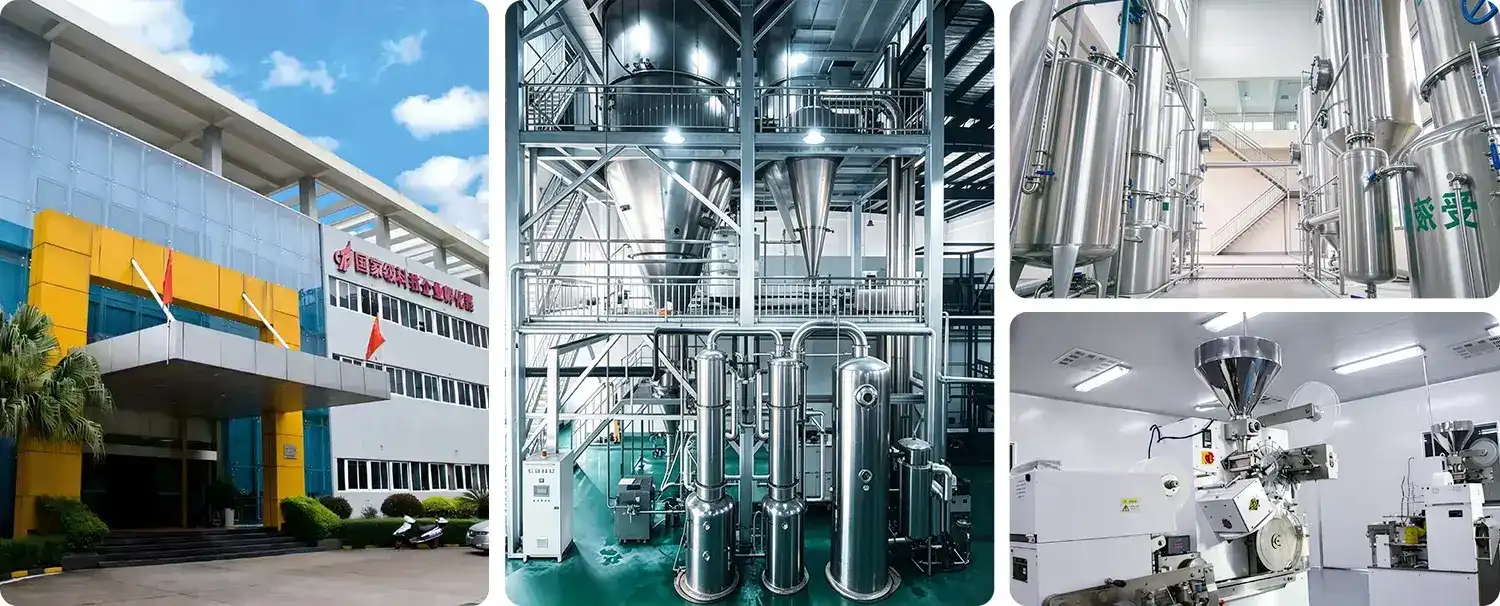
Broccoli Seed Extract 13% Glucoraphanin from EXTRABROC® is sold to companies that want more than just a basic ingredient. These companies want a tested, science-based raw material that is fully traceable throughout the supply chain. We are the Broccoli Seed Extract 13% Glucoraphanin supplier your formulation team can trust. We can make 50 tons of it every year; our extraction technology is protected by a patent, and each batch is backed by a team of PhD researchers. You can visit extrabroc.com or email us at info@extrabroc.com to get samples, technical information, and prices.
References
1. Fahey, J. W., Zhang, Y., & Talalay, P. (1997). Proceedings of the National Academy of Sciences, 94(19), 10367–10372.
2. Shapiro, T. A., Fahey, J. W., Wade, K. L., Stephenson, K. K., & Talalay, P. (1998). Cancer Epidemiology, Biomarkers & Prevention, 7(12), 1091–1100.
3. Kensler, T. W., Egner, P. A., Agyeman, A. S., Visvanathan, K., Groopman, J. D., Chen, J. G., & Talalay, P. (2013). Chemical Research in Toxicology, 26(11), 1600–1607.
4. Houghton, C. A. (2019). Nutrients, 11(10), 2498.
5. Angeloni, C., Leoncini, E., Bevilacqua, M., Guamieri, S., Vecchiettini, M., & Hrelia, S. (2009). Journal of Agricultural and Food Chemistry, 57(19), 9226–9235.
6. International Food Information Council. (2023). Food & Health Survey. IFIC Foundation.