Can Broccoli Extract Sulforaphane Improve Functional Ingredient Options for Global Brands?
Yes — broccoli extract sulforaphane genuinely expands functional ingredient options for global brands. Derived from glucoraphanin in Brassica oleracea var. italica seeds through enzymatic conversion, sulforaphane activates the Nrf2 signaling pathway, triggering the body's own antioxidant and detoxification defenses. Unlike many single-mechanism compounds, it addresses oxidative stress, inflammation, and cellular protection simultaneously. For B2B formulators seeking science-backed, market-ready ingredients, a standardized glucosinolate extract offers predictable potency, regulatory acceptance across major markets, and broad formulation compatibility — making it one of the more strategically sound additions to a modern nutraceutical portfolio.
Understanding Sulforaphane in Broccoli Extract: A Functional Ingredient Powerhouse
What Makes Sulforaphane Scientifically Significant
It has a molecular weight of 177.29 g/mol and is an organosulfur isothiocyanate (CAS 4478-93-7). It's not a direct antioxidant; instead, its electrophilic nature starts the Nrf2 pathway, which makes Phase II detoxification enzymes work. This indirect mechanism creates a long-lasting cellular defense response, which makes it different from other antioxidants like vitamin C or resveratrol.
The Bioavailability Challenge Formulators Must Understand
Glucoraphanin, not active sulforaphane, is found in raw broccoli. To convert, you need myrosinase, which is an enzyme that is killed by heat when food is cooked or dried normally. This difference in absorption is the main technical problem in creating new ingredients. Professional-grade products deal with this by either keeping active myrosinase along with glucoraphanin or giving you stable sulforaphane that has already been changed.
Dosage and Formulation Considerations
Clinical studies investigating sulforaphane have commonly evaluated doses corresponding to approximately 20–40 mg of sulforaphane per day, although the appropriate amount varies by study design, population, and intended application. For formulators working with broccoli extract sulforaphane, understanding the conversion of glucoraphanin into sulforaphane is important when establishing an appropriate serving size. Standardized extracts containing at least 13% glucoraphanin by HPLC provide a clearly defined starting point for calculating the amount of broccoli extract sulforaphane required in a formulation. This analytical standardization can help manufacturers maintain consistent glucoraphanin specifications across batches and support more accurate product documentation. For brands developing broccoli extract sulforaphane supplements, reliable potency data can also assist with supplement facts panels, formulation records, and technical communication with healthcare professionals. By combining standardized glucoraphanin content with appropriate conversion data, broccoli extract sulforaphane can be formulated with clearer dosage specifications and more consistent active-ingredient control.
Comparative Analysis: Broccoli Extract Sulforaphane Versus Other Sources and Functional Ingredients
Whole Vegetables and Generic Powders Fall Short
The amount of glucosinolates in whole broccoli or general cruciferous vegetable powders can change depending on the season, the quality of the earth, and how the vegetables were handled after they were picked. This variation makes it hard to keep quality control in check when making a lot of products. This uncertainty is taken away by a concentrated, HPLC-verified broccoli seed extract that is standardized to ≥13% glucoraphanin. This allows for uniform production from batch to batch.
How It Compares to Pure Sulforaphane Isolates
Pure sulforaphane isolates are very powerful, but they are also very unstable—they change a lot, are sensitive to heat, and break down quickly. A more stable glucoraphanin matrix can be made from broccoli seed extract, especially when it is made using an aqueous extraction method. The precursor form is much more stable on the shelf, and products that are made correctly can stay active for up to 24 months at room temperature. Because of this balance between strength and stability, seed extract is a good choice for buying.
Sulforaphane Versus Curcumin: Complementary, Not Competing
Curcumin is still commonly used to treat inflammation, but it has problems with bioavailability. Sulforaphane works in a different way than COX-2 inhibition—it activates Nrf2 instead. This means that the two compounds work together, not against each other. Formulators are putting them together in more and more high-end goods that target metabolic health and healthy aging. Each substance protects cells in a different way.
Practical Applications and Market Demand: Functional Ingredient Solutions for Global Brands
Where Broccoli Seed Extract Is Being Used Today
Glucoraphanin-rich seed extract is being used for more and more things. Multiple delivery methods can use it without big problems with reformulation. These are the main types of uses for this ingredient that work well:
- Dietary supplements: Enteric-coated capsules and tablets protect glucoraphanin from gastric acid, improving conversion efficiency in the small intestine. Standardized extracts at ≥13% glucoraphanin allow precise label claims.
- Functional beverages: Microencapsulated or powder-form extracts with controlled particle size (≥90% passing 180μm) blend smoothly into beverage matrices. The water extraction process leaves no organic solvent residues, meeting clean-label requirements.
- Sports nutrition and FSMP: Growing consumer interest in cellular resilience and recovery supports inclusion in performance nutrition. Clinical evidence on sulforaphane's role in reducing exercise-induced oxidative stress adds substantiation value.
In terms of sports diet and FSMP: More and more people are interested in cellular recovery and endurance, which supports its inclusion in performance diet. Additional support comes from clinical proof that sulforaphane can help lower reactive stress caused by exercise.
Regulatory Compliance as a Procurement Filter
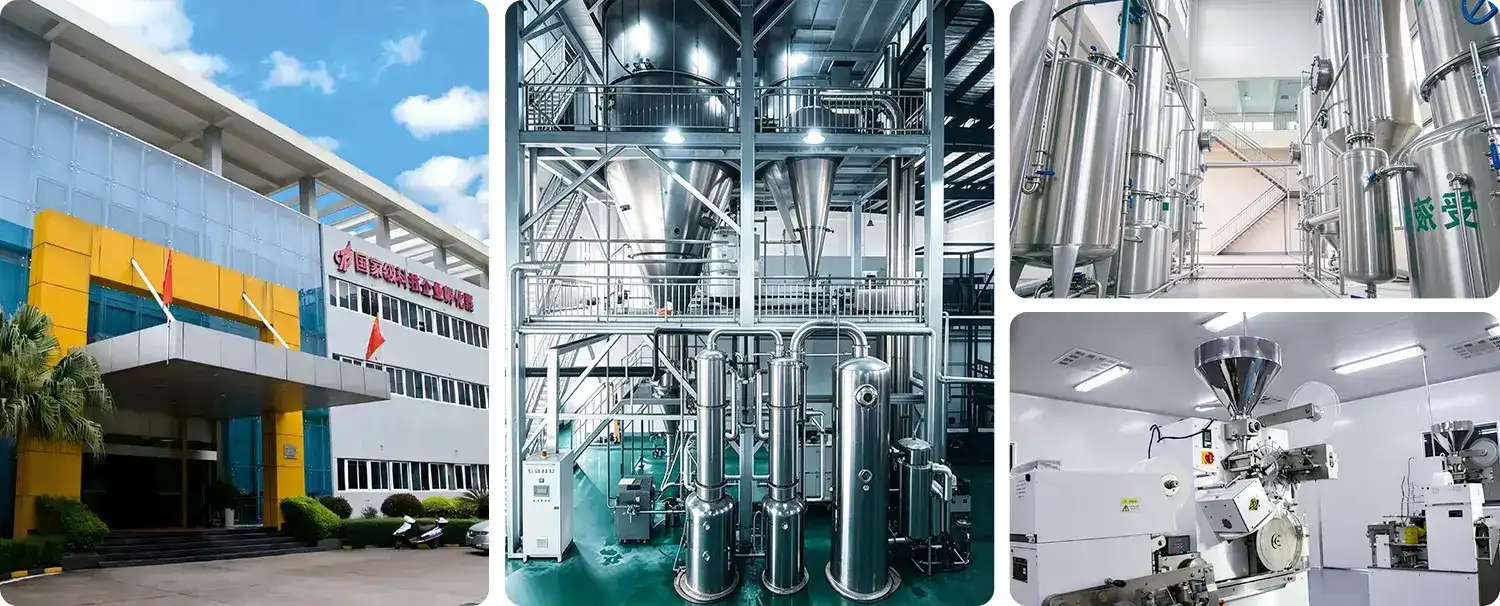
For global purchases, these formats benefit from a source that can keep up a production capacity of 50 tons per year and offers both air and sea freight services.
Choosing the Right Broccoli Extract Sulforaphane Supplier: Criteria for Global Procurement
Quality Verification Starts at the Specification Sheet
Procurement teams should ask for a full Certificate of Analysis from any broccoli extract sulforaphane manufacturer before hiring them. Some important things to check are the amount of glucoraphanin (≥13% by HPLC), the size of the particles (≥90% at 180μm), the moisture level, the heavy metal panels, and the number of microbes. A special pre-treatment process that gets rid of allyl isothiocyanate, an impurity that is known to pose a risk, gives a measured safety margin that not all sources offer.
Scientific Backing Separates Commodity from Premium
How much R&D a provider does has a direct effect on where your product stands in the market. Look for sellers whose extracts have been backed up by clinical study data. The proof base that US market brands need for structure/function claims comes from more than 10 finished human clinical trials and real-world studies. Patent protection in China and Japan, together with substantive patent examination in the US, is another sign of proprietary technology.not mass-produced processes.
Scalability and Customization Capacity
It's important for global brands to have both bulk and flexibility. Bulk order promises can be met by a seller who makes 50 tons of glucoraphanin every year, and reformulation bottlenecks can be avoided by being able to change the amount of glucoraphanin, the dosage form, or the mix formulation. Getting services like help with HPLC analysis, formula customization, and patent licensing (depending on order volume) adds value to the process of buying things beyond just the raw materials.
Enhancing Functional Ingredient Portfolios: Future Trends and Strategic Insights
Cognitive Health and Sports Nutrition Are Next
New research into sulforaphane's potential effects on neuronal protection is attracting attention in brain-health product development. Through pathways involving Nrf2 and NF-κB, preclinical research and some early-stage human studies are investigating possible applications related to cellular resilience and mood. A standardized broccoli extract sulforaphane ingredient can provide a defined source of glucoraphanin for formulations designed around these research areas. Sports nutrition companies are also monitoring research into post-exercise recovery and oxidative stress, creating interest in glucoraphanin-based formulations as part of broader recovery products. For manufacturers developing broccoli extract sulforaphane supplements, it is important to distinguish between established evidence and emerging research when selecting applications and developing product claims. A well-characterized broccoli extract sulforaphane ingredient can nevertheless provide a standardized botanical platform for further formulation and product-development work. As research continues to develop, broccoli extract sulforaphane may be evaluated across different functional nutrition applications based on the available scientific evidence.
Synergistic Formulations Are Gaining Ground
Combination formulas are taking shelf space away from products with only one ingredient. Broccoli seed extract works well with other ingredients that work on different pathways. For example, vitamin D3 helps the immune system, alpha-lipoic acid helps the mitochondria, and quercetin helps Nrf2 work even more. You can speed up the preparation process and lower internal R&D costs by working with suppliers who can give you advice on combinations based on evidence, not just raw materials.
Long-Term Supplier Relationships Drive Consistent Quality
Consistent ingredient quality over time needs more than a good first batch. If a supplier has full tracking from seeds to extracts, their own growing control, and six major molecular signaling pathway targets in their R&D library, they will be able to keep quality high as production grows. When global brands buy sulforaphane-based products, they need to make sure they have a long-term supply agreement with a partner they can trust. This protects both the quality of the products and the brand's reputation.
Conclusion
One scientifically supported functional ingredient for global brands is broccoli seed extract standardized for its glucoraphanin content. A broccoli extract sulforaphane ingredient provides a plant-based source of glucoraphanin, which can be converted into sulforaphane and is associated with activation of the Nrf2 pathway. With applications across dietary supplements, functional foods, and beverages, broccoli extract sulforaphane can provide formulators with a versatile platform for developing evidence-based products. For B2B buyers, however, the value of a broccoli extract sulforaphane ingredient depends not only on its intended functionality but also on the supplier's quality documentation, production capacity, analytical testing, and research support. Verified specifications, documented processing technology, and end-to-end traceability can help manufacturers properly evaluate broccoli extract sulforaphane during supplier qualification and procurement. By reviewing these factors together, brands can establish clearer requirements for ingredient consistency, formulation development, and long-term commercial supply.
FAQ
What is the standard glucoraphanin content in professional broccoli seed extract?
Professional-grade extracts are typically standardized to ≥13% glucoraphanin, verified by HPLC. This specification provides a reliable basis for dosage calculation and label claims in dietary supplements and functional foods.
How long is the shelf life of a glucoraphanin-standardized extract?
When stored in a cool, dry area away from direct light and high temperatures, properly formulated broccoli seed extract maintains activity for 2 years. Aqueous extraction and proprietary pre-treatment processes support this stability without organic solvent residues.
Is broccoli seed extract compliant with US market regulations?
Yes. Extracts produced under FDA GRAS, GMP, ISO22000, HACCP, and HALAL certifications meet the regulatory requirements for the US dietary supplement and functional food markets. Compliance with USP-NF standards adds an additional layer of verification.
What impurities should procurement teams screen for?
Allyl isothiocyanate is a key risk impurity in cruciferous extracts. Suppliers employing an exclusive pre-treatment process to remove this compound provide a measurably safer ingredient. Standard COA parameters should also cover arsenic levels, microbial counts, and residual solvent absence.
Can the extract be customized for specific formulation needs?
Yes. Reputable suppliers offer customizable glucoraphanin content, particle size, and dosage form options. Some also provide collaborative technical development for specific health applications and HPLC testing support during formulation development.

Partner with EXTRABROC® — Your Trusted Broccoli Extract Sulforaphane Supplier
When making EXTRABROC®, they use a pure water extraction method that leaves no organic solvent residues and have completed over 10 human clinical studies. They also have idea patents in China, Japan, and the US. With an annual output of 50 tons, full traceability from seed to extract, and FDA GRAS compliance, we help global brands from the sample stage all the way through commercial scale. To get specs or a sample of a product, email your procurement team at info@extrabroc.com or go to extrabroc.com.
References
1. Fahey, J. W., Zhang, Y., & Talalay, P. (1997). Broccoli sprouts: An exceptionally rich source of inducers of enzymes that protect against chemical carcinogens. Proceedings of the National Academy of Sciences, 94(19), 10367–10372.
2. Kensler, T. W., Egner, P. A., Agyeman, A. S., et al. (2013). Keap1–Nrf2 signaling: A target for cancer prevention by sulforaphane. Topics in Current Chemistry, 329, 163–177.
3. Shapiro, T. A., Fahey, J. W., Wade, K. L., Stephenson, K. K., & Talalay, P. (2006). Chemoprotective glucosinolates and isothiocyanates of broccoli sprouts. Cancer Epidemiology, Biomarkers & Prevention, 15(6), 1234–1240.
4. Vanduchova, A., Anzenbacher, P., & Anzenbacherova, E. (2019). Isothiocyanate from broccoli, sulforaphane, and its properties. Journal of Medicinal Food, 22(2), 121–126.
5. Houghton, C. A. (2019). Sulforaphane: Its "coming of age" as a clinically relevant nutraceutical in the prevention and treatment of chronic disease. Oxidative Medicine and Cellular Longevity, 2019, 2716870.
6. Bahadoran, Z., Mirmiran, P., & Azizi, F. (2013). Dietary polyphenols as potential nutraceuticals in management of diabetes: A review. Journal of Diabetes & Metabolic Disorders, 12(1), 43.