Can Glucoraphanin Extract Meet the Needs of Brands Developing Natural Functional Products?
Yes — glucoraphanin extract can absolutely meet the needs of brands developing natural functional products. As a stable, water-soluble precursor to sulforaphane derived from broccoli seeds (Brassica oleracea var. italica), it addresses one of the industry's most persistent challenges: delivering reliable antioxidant activity through a shelf-stable ingredient. With growing consumer demand for clean-label, evidence-backed formulations, brands that incorporate a standardized broccoli seed extract are gaining a measurable edge in the supplement, functional food, and sports nutrition categories.
Understanding Glucoraphanin Extract and Its Functional Value
What Makes This Compound Stand Out
Glucoraphanin is a glucosinolate that is found naturally in large amounts in broccoli seeds and sprouts. Direct antioxidants get rid of free radicals right away, but this one turns on the Nrf2 signaling pathway, which is the body's defense system, and makes Phase II cleansing enzymes. Formulators of dietary supplements, FSMP, and functional drinks are giving close attention to this process because it protects cells for longer than regular antioxidants.
Documented Health Benefits Backed by Research
Studies that were reviewed by experts in the field link sulforaphane, which is produced from glucoraphanin by myrosinase, to reducing inflammation, supporting heart health, improving brain function, and changing the immune system. In 2017, a study in the journal Science Translational Medicine showed that people who took broccoli sprout extract had better detoxification biomarkers. More than 10 human clinical studies have shown that broccoli seed aqueous extract is safe and biologically active. This gives formulators a good scientific basis for claims about structure/function.
Safety Profile and Dosage Considerations
Glucoraphanin doses in dietary supplements usually fall between 10 mg and 60 mg per serving, although higher-end FSMP formulations may use different levels when clinically indicated. When evaluating a glucoraphanin extract, brands should consider the available safety data and the intended population for the finished product. Safety research generally reports a low incidence of adverse events in healthy adults, but formulations intended for specific or sensitive populations require appropriate professional and regulatory review. For a glucoraphanin extract, raw-material quality is also an important consideration, particularly when the ingredient undergoes a specialized pre-treatment process designed to reduce allyl isothiocyanate and other unwanted impurities. Evaluating the specifications and processing controls of a glucoraphanin extract can therefore help brands make more informed decisions about ingredient quality and formulation requirements.
Comparison and Selection Criteria for Glucoraphanin Extract in Natural Functional Products
Glucoraphanin vs. Sulforaphane: A Practical Breakdown
Sulforaphane works physically but is naturally fragile. At room temperature, it breaks down in a few weeks, which leads to variations in dose that lower the quality of the product. In contrast, glucoraphanin doesn't change chemically until it's changed by an enzyme, which can happen through gut bacteria or co-administered myrosinase. Because it is stable, it is the better choice for manufacturers who need to manage logistics, label accuracy, and shelf life. It has been shown that EXTRABROC® broccoli seed extract has an in vivo sulforaphane conversion rate of ≥55.8%, which shows that safety does not mean less effectiveness.
Choosing the Right Delivery Format
The choice of transport method has a direct effect on how well the formulation works and how well consumers accept it. When brands add glucosinolates from broccoli, these are the main ways they think about delivering them:
- Powder (light yellow fine powder, particle size ≥90% at 180μm): Best for tablets, capsules, and bulk blending; excellent flowability and uniformity make it a versatile base for high-volume manufacturing runs.
- Ready-to-drink beverages and functional shots: Water solubility makes this extract compatible with aqueous matrices, including juice-based and health shot formats, without settling or cloudiness issues.
- FSMP and medical nutrition: High standardization (glucoraphanin ≥18% by HPLC) supports precise dosing requirements in clinical nutrition products where ingredient accuracy is non-negotiable.
The type of form you choose will rely on your target market, your production infrastructure, and the rules and regulations in your market. Aligning format with function from the start can save a lot of money in post-processing costs.
Evaluating Against Other Antioxidant Ingredients
For comparison, a glucoraphanin extract can be positioned as an ingredient that supports the body's endogenous antioxidant defense mechanisms, rather than simply serving as a direct antioxidant source. Glucoraphanin is converted into sulforaphane, which is associated with activation of endogenous antioxidant and cellular defense pathways. In this way, a glucoraphanin extract can complement ingredients such as resveratrol, quercetin, or vitamin C rather than necessarily replacing them. This mechanism-based positioning can be useful for brands developing differentiated antioxidant products in premium supplement categories. A well-characterized glucoraphanin extract can therefore serve as an additional functional ingredient when formulators are developing products focused on antioxidant and cellular defense support.
Market Trends, Procurement, and Supply Chain Insights
What's Driving Demand Right Now
The U.S. nutrition market keeps growing, and the antioxidant supplement group is expected to keep growing until 2030. Since 2020, people's interest in chemicals that come from broccoli has grown quickly. This is because immune health trends and rising knowledge of Nrf2 pathway science are to blame. People who care about their health in the U.S. market expect clean labels, non-GMO products, and plants from a single source. These are no longer niche tastes.
What to Prioritize When Sourcing
Before making bulk orders, procurement workers in charge of evaluating broccoli seed extract suppliers should pay attention to these things:
- Certifications: Require FDA, GMP, ISO22000, HACCP, and HALAL certificates at minimum; confirm active certificate status rather than relying on copies.
- Traceability: Demand full-chain documentation from seed origin through final extraction, including pesticide residue testing across ≥500 indicators and ICP-MS heavy metal analysis.
- Stability data: Insist on real-world shelf-life data, not accelerated aging extrapolations. Verified 24-month room-temperature stability eliminates cold-chain shipping costs and reduces waste.
- Supply capacity: A supplier capable of 50 tons/year output can support growth without supply interruptions.

These factors help you tell the difference between qualified companies that make glucoraphanin extract and those that just sell it without any scientific infrastructure.
Regulatory Compliance for the U.S. Market
The broccoli seed extract in EXTRABROC® meets the standards set by the US Food and Drug Administration (FDA), the USP-NF, and China's National Health Commission for New Food Raw Materials. This record of compliance in multiple markets makes it easier for brands to follow the rules when they sell in both local and foreign channels.
Formulation and Application Strategies
Target Consumer Segments and Positioning
Glucoraphanin naturally fits into a number of growth categories. In immune health supplements, it helps the body's own antioxidant defenses. In anti-aging formulas, the Nrf2 activation process is directly linked to stories about cells living longer. People who are focused on performance are interested in the detoxification and healing angle in sports diet. Each segment gets the same ingredient, but the dosage, delivery method, and claims that go with it are different.
Synergistic Ingredient Combinations
When broccoli seed extract is mixed with myrosinase-rich materials, like daikon radish powder, the amount of sulforaphane produced in living things goes up. Preclinical tests have shown that vitamin C helps the conversion of glucoraphanin more efficiently. When stacking ingredients with more than one, it's important to test for ingredient compatibility and pH stability during production to make sure the stack stays potent throughout its shelf life.
Quality Control at the Formulation Stage
HPLC analysis is the main way that EXTRABROC® raw material is checked for its effectiveness. The total aerobic bacterial count is kept very low (280 cfu/g), and the inorganic arsenic level is 0.052 mg/kg, which is well below the world safety limits. These written specifications make it easy for quality control teams to see what criteria are acceptable and lower the risk of rejecting a batch.
Conclusion
Standardized broccoli seed extract meets the real needs of modern product development for brands that need a stable, science-backed broccoli-derived ingredient that is ready to be incorporated into finished formulations. A well-characterized glucoraphanin extract can provide consistent ingredient specifications for supplement and functional food manufacturers. Supported by clinical research, clean-label credentials, supply dependability, and regulatory documentation across major markets, glucoraphanin extract has become a useful ingredient option for functional product development. For brands evaluating suppliers, choosing a glucoraphanin extract with consistent quality specifications and reliable documentation can help simplify sourcing and formulation processes. The key consideration is therefore finding a glucoraphanin extract provider that can consistently meet the technical and quality requirements of the intended product line.
FAQ
uf
What is the recommended dosage of glucoraphanin extract in dietary supplements?
Typical servings range from 10 mg to 60 mg of standardized glucoraphanin per day in dietary supplement applications. The appropriate dose depends on your product category, target health claim, and consumer population. FSMP formulations may use higher doses under clinical guidance.
How does glucoraphanin differ from sulforaphane in terms of formulation stability?
Glucoraphanin is chemically stable at room temperature for up to 24 months; sulforaphane degrades rapidly under ambient conditions. This makes glucoraphanin the more practical ingredient for commercial manufacturing, label accuracy, and supply chain management.
Is broccoli seed extract safe for long-term use?
Yes. Over 10 published human clinical trials have evaluated broccoli seed aqueous extract for safety and efficacy. When produced with an exclusive pre-treatment process that removes allyl isothiocyanate and other impurities, the safety profile is well-documented and acceptable across healthy adult populations.
What certifications should I require from a glucoraphanin extract supplier?
At minimum, look for FDA, GMP, ISO22000, HACCP, and HALAL certifications, combined with full-chain traceability documentation and third-party-verified heavy metal and microbial testing results.
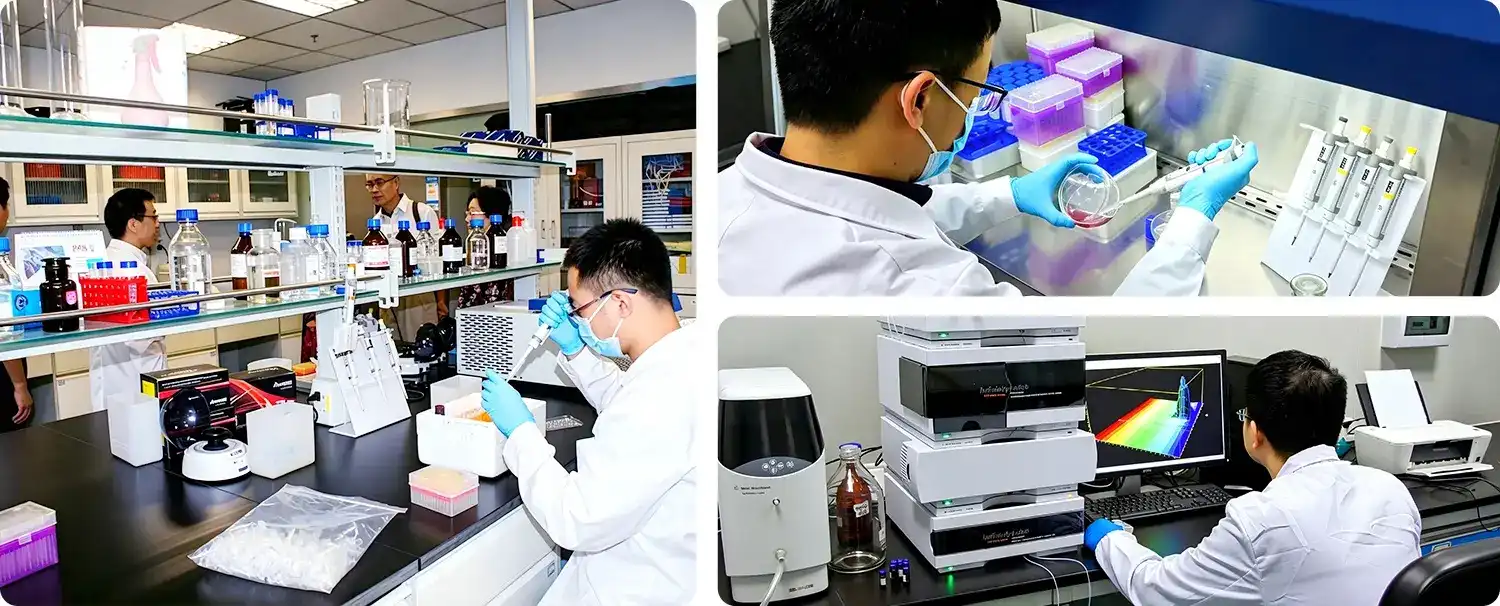
Partner with EXTRABROC® — A Trusted Glucoraphanin Extract Supplier
EXTRABROC® broccoli seed extract has at least 18% glucoraphanin, stays stable at room temperature for 24 months, and meets FDA, USP, and GMP standards. It is based on 13 years of Nrf2 research and 10+ human clinical trials. Our team is ready to help you develop your product, whether you need big raw materials, recipe customization, or legal paperwork. Please email us at info@extrabroc.com right away to ask for samples or details.
References
1. Fahey, J. W., Zhang, Y., & Talalay, P. (1997). Broccoli sprouts: An exceptionally rich source of inducers of enzymes that protect against chemical carcinogens. Proceedings of the National Academy of Sciences.
2. Shapiro, T. A., et al. (2006). Safety, tolerance, and metabolism of broccoli sprout glucosinolates and isothiocyanates: A clinical phase I study. Nutrition and Cancer.
3. Egner, P. A., et al. (2014). Rapid and sustainable detoxification of airborne pollutants by broccoli sprout beverage: Results of a randomized clinical trial in China. Cancer Prevention Research.
4. Kensler, T. W., et al. (2017). Modulation of the metabolism of airborne pollutants by glucoraphanin-rich and sulforaphane-rich broccoli sprout beverages in Qidong, China. Carcinogenesis.
5. Vanduchova, A., Anzenbacher, P., & Anzenbacherova, E. (2019). Isothiocyanate from broccoli, sulforaphane, and its properties. Journal of Medicinal Food.
6. Fahey, J. W., Wehage, S. L., & Talalay, P. (2012). Protection of humans by plant glucosinolates: Efficiency of conversion of glucosinolates to isothiocyanates by the gastrointestinal microflora. Cancer Prevention Research.