Can Glucoraphanin Rich Broccoli Extract Improve the Value of Natural Product Formulations?
Glucoraphanin rich broccoli extract is reshaping how formulators think about plant-based bioactives. Standardized to ≥18% glucoraphanin by HPLC, EXTRABROC®'s broccoli seed extract delivers a shelf-stable, water-extracted ingredient backed by over 10 human clinical trials. For procurement teams and product developers in the U.S. dietary supplement market, this ingredient addresses a persistent challenge: finding a potent, clean-label broccoli-derived compound that performs reliably across multiple product formats without the instability issues associated with pre-formed sulforaphane.
Understanding Glucoraphanin Broccoli Extract and Its Mechanism
A lot of buyers get glucoraphanin and sulforaphane mixed up. Knowing the difference is the first step in making smart decisions about formulation.
Glucoraphanin vs. Sulforaphane: What Is the Actual Difference?
Glucoraphanin is a glucosinolate, which is a solid precursor that dissolves in water and is found in broccoli stems. Its active metabolite is sulforaphane, which is made when the enzyme myrosinase breaks down glucoraphanin. Sulforaphane that has already been made reacts with chemicals, breaks down quickly at room temperature, and is hard to keep stable in finished goods. Glucoraphanin, on the other hand, keeps its structure during normal production, which makes it the best way to deliver the compound in food and supplements.
How the Body Converts Glucoraphanin to Sulforaphane
When glucoraphanin is eaten, it goes to the gut, where microbes and an enzyme called myrosinase change it into sulforaphane. It has been shown in studies that EXTRABROC®'s broccoli seed extract has a much higher in vivo sulforaphane conversion rate than many other forms. By initiating the Nrf2 pathway, which is the body's main cell defense system, this conversion also speeds up the production of Phase II detoxification enzymes.
The Science Behind the Nrf2 Pathway Activation
The Nrf2 signaling system regulates the expression of numerous genes involved in cellular defense, antioxidant responses, and detoxification processes. When sulforaphane activates Nrf2, it can promote the expression of protective enzymes and proteins, including HO-1, NQO1, and glutathione S-transferases. Because glucoraphanin serves as a precursor to sulforaphane, a standardized Glucoraphanin rich broccoli extract can be used in formulations designed around this biological pathway. For manufacturers developing evidence-based functional products, a Glucoraphanin rich broccoli extract provides a defined botanical source of glucoraphanin that can be incorporated into dietary supplements and functional food formulations. The use of a standardized Glucoraphanin rich broccoli extract also allows formulators to specify the target glucoraphanin content more precisely and maintain greater consistency between batches. As a result, Glucoraphanin rich broccoli extract can be a useful ingredient for product concepts focused on antioxidant response and Nrf2-related cellular defense.
The Health and Functional Benefits of Broccoli Seed Extract in Formulations
Because glucoraphanin has a wide range of functions, it can be used in many different types of products.
Antioxidant Protection and Cellular Defense
Glucoraphanin's main benefit is that it can increase Nrf2 and cause antioxidant activity to last for a long time. When Nrf2 is turned on, it causes a stronger and longer-lasting antioxidant reaction than direct antioxidants like vitamin C, which are broken down in a 1:1 ratio with free radicals. This process is especially useful for supplements that focus on detox, anti-aging products, and general health formulas that aim to lower oxidative stress.
Immune Support, Detoxification, and Inflammation Control
Besides its protective properties, sulforaphane, which is made from glucoraphanin, has been shown to reduce inflammation by blocking the NF-κB pathway. Its role in liver detoxification and Phase II enzyme induction is also backed up by clinical data. This makes it a good choice for liver health and detox product lines. In the U.S. market, people want more natural immune and detox formulas that work through more than one process. These qualities directly meet that need.
Cognitive and Metabolic Support: Expanding the Positioning
A new study supports the idea that glucoraphanin helps protect neurons and keep metabolism in check. Several clinical studies have shown that people who took broccoli sprout or seed extract had better levels of insulin sensitivity and reduced neuroinflammation. Researchers who are making medicines for brain health or metabolic wellness can use these results as solid proof that they should include this extract in their products.
Comparing Glucoraphanin Extract with Other Broccoli-Derived Ingredients
Not all ingredients that come from broccoli are the same. When buying, teams know the differences, they can make better decisions about where to get things.
Stability Advantages Over Pre-Formed Sulforaphane
When exposed to heat, light, or moisture, pre-formed sulforaphane can degrade relatively quickly, creating additional shelf-life and formulation challenges for manufacturers. By comparison, glucoraphanin is a more stable glucosinolate and can provide a practical raw-material option for products where storage stability is important. A standardized Glucoraphanin rich broccoli extract can therefore reduce the need to rely on specialized handling methods that may be required for less stable active compounds. According to EXTRABROC®'s stated specifications, its broccoli seed extract maintains its standardized glucoraphanin content for up to 24 months when stored under recommended conditions, such as in a sealed, cool, and dry environment without refrigeration. For manufacturers, a Glucoraphanin rich broccoli extract with a defined shelf life can simplify inventory management, transportation, and formulation planning. The storage stability of a Glucoraphanin rich broccoli extract can also help B2B buyers maintain consistent ingredient specifications throughout the supply chain. For applications where stability, standardized potency, and convenient storage are important, Glucoraphanin rich broccoli extract offers a practical ingredient format for supplement and functional food dev
Powder Format Versus Other Delivery Systems
This extract works well in tablets, capsules, drinks, FSMP formulations, and sports nutrition products because it is a fine light yellow powder with particles that are at least 90% 180μm in size. Its water-extracted, solvent-free production process supports "clean label" labeling, which is something that U.S. stores and online shopping sites want more and more. Whole broccoli powders or sprout extracts that aren't always standardized don't have the same level of strength as a definition of ≥18% glucoraphanin.
Quality Differentiation and Supplier Credibility
The separation method is one of the most important things that sets glucoraphanin sources apart. EXTRABROC® uses a special pre-treatment method that gets rid of risky impurities like allyl isothiocyanate while keeping the integrity of the glucoraphanin. Full traceability from seed to finished product, along with certifications for FDA, GMP, ISO22000, HACCP, and HALAL standards, puts this extract at a quality level that can be easily checked and that B2B buyers can use to show compliance.

How to Choose and Source High-Quality Glucoraphanin Extract for Your Products
It takes more than just looking at price lists to find a reliable source of glucoraphanin-rich broccoli extract.
Certification and Regulatory Compliance Criteria
Different markets have different rules about how broccoli seed extract can be used. FDA GRAS status is a must for buyers in the United States. The extract from EXTRABROC® also meets USP-NF standards and the country's National Health Commission's list of broccoli seed watery extract as a New Food Raw Material. Before choosing a seller, purchasing teams should get up-to-date certificates of analysis (COA), third-party test results on heavy metals (for example, inorganic arsenic ≤0.052 mg/kg), and microbial counts (total aerobic bacterial count ≤280 cfu/g).
Assessing Bulk Supply Capacity and Customization Options
For industrial buyers, the long-term value of a supplier partnership depends on reliable supply, flexible production capacity, and the ability to support changing formulation requirements. EXTRABROC® has a stated production capacity of up to 50 tons per year, providing a scalable supply option for different purchasing volumes of Glucoraphanin rich broccoli extract. Beyond production volume, the supplier can support adjustments to ingredient specifications, customized dosage forms, and blended formulations based on customer requirements. For manufacturers purchasing Glucoraphanin rich broccoli extract, additional technical services such as HPLC testing support can help with active-ingredient verification and quality control. EXTRABROC® also offers patent licensing and collaborative technical development for brands working on specific health and nutrition applications. These capabilities allow buyers to evaluate Glucoraphanin rich broccoli extract not only as a standardized botanical ingredient but also as part of a broader product-development partnership. For companies seeking a scalable Glucoraphanin rich broccoli extract supply solution, flexible manufacturing and technical support can simplify formulation development, quality assessment, and long-term procurement planning.
Logistics, Storage, and Quality Continuity
When a lot is done, it should be kept somewhere cool and dry, away from light and heat. EXTRABROC® can handle both air and sea freight, and the product specs can be changed to meet the unique packaging or labeling needs of each client. With a shelf life of two years if stored properly, buying rounds can be planned well without the need for extra safety stock.
Maximizing Formulation Value with Glucoraphanin Extract
How much commercial value this ingredient adds to a finished product is based on strategic integration decisions.
Synergistic Combinations That Increase Conversion Efficiency
It is common practice in the industry to combine glucoraphanin with outside myrosinase sources, like mustard seed powder or daikon radish extract. This greatly boosts the amount of sulforaphane that is produced after consumption. This mix works especially well in tablet and pill forms, where gut microflora change may be different on its own. Formulators who want to make sulforaphane consumption clinically important should think about using this method as standard in their products.
Dosage Guidance Based on Clinical Evidence
In most clinical studies, amounts of broccoli seed or sprout preparation that are equal to 10 to 100 mg of sulforaphane per day are used. With a requirement of ≥18% glucoraphanin, formulators can figure out the exact dose needed to reach the target sulforaphane level. This level of standardization gives product developers control over claims about how well their formulations work and positions them as evidence-based rather than general wellness products. This is a meaningful way to stand out in the U.S. supplement market, which is very competitive.
Market Trends Supporting Long-Term Investment
Consumer interest in clean-label, science-backed botanical ingredients keeps growing. Products with glucoraphanin are becoming more popular in the areas of detox, longevity, metabolic health, and brain wellness. Fushan Biotechnology holds authorized invention patents in China and Japan, while the US patent is undergoing substantive examination. This means that EXTRABROC® gives B2B partners access to unique technology that rivals can't copy. This is a real way for products to stand out from each other.
Conclusion
A standardized Glucoraphanin rich broccoli extract offers formulators a combination of scientific research, manufacturing practicality, and documented quality characteristics. With a stated glucoraphanin content of at least 18%, water-based extraction, and a reported 24-month shelf life under recommended storage conditions, this ingredient can provide a defined botanical platform for natural product development. A Glucoraphanin rich broccoli extract can also be evaluated for its potential to support sulforaphane formation, with EXTRABROC® reporting an in vivo conversion rate of at least 55.8% under specific study conditions. For brands developing evidence-based dietary supplements, functional foods, and FSMP products, a Glucoraphanin rich broccoli extract provides a standardized source of glucoraphanin that can be incorporated into different product formats. EXTRABROC®'s broccoli seed extract has been evaluated in more than 10 clinical studies and is supported by traceability from raw-material sourcing through finished production. This combination of standardized content, documented stability, research support, and supply-chain traceability makes Glucoraphanin rich broccoli extract a practical ingredient for manufacturers evaluating long-term product development and commercial supply.
FAQ
What is the difference between glucoraphanin and sulforaphane in formulations?
Glucoraphanin is the stable precursor; sulforaphane is the active compound produced during digestion. Formulators prefer glucoraphanin because it remains stable during manufacturing and storage, while sulforaphane degrades quickly under heat or humidity.
Does glucoraphanin extract require refrigeration during storage?
No. Unlike pre-formed sulforaphane, glucoraphanin extract is stable at room temperature. Store in a cool, dry place away from direct light. Shelf life is 24 months under proper conditions.
How do I verify the quality of a glucoraphanin supplier?
Request a current COA with HPLC glucoraphanin quantification, heavy metal analysis, microbial counts, and relevant certifications. EXTRABROC® provides full test documentation and supports third-party verification.
Can this extract be used in beverages or heat-processed formats?
Yes. Because glucoraphanin is thermally stable, it is compatible with pasteurization and other heat processes where sulforaphane would otherwise degrade. It is suitable for tablets, powders, beverages, FSMP, and sports nutrition products.
What certifications does EXTRABROC®'s broccoli seed extract carry?
The product holds FDA, GMP, ISO22000, HACCP, and HALAL certifications, and complies with USP-NF and China's New Food Raw Materials regulations.
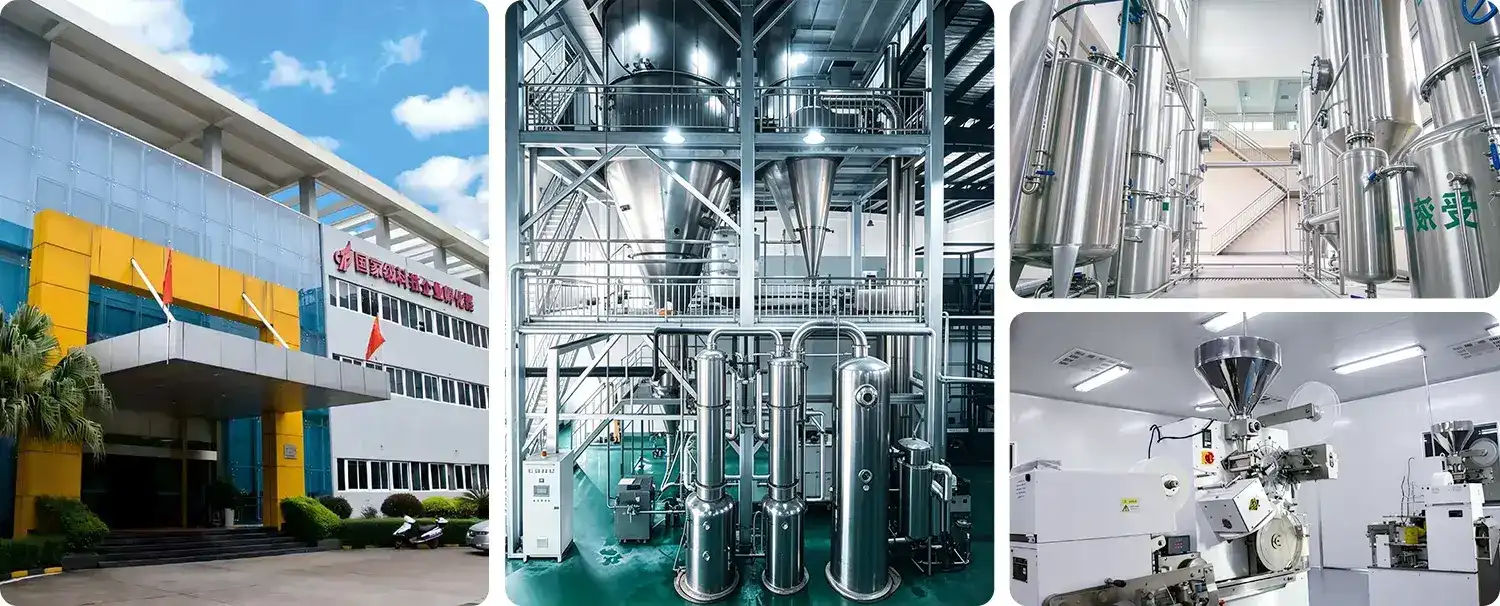
Partner with EXTRABROC® for Premium Glucoraphanin Supply
The broccoli seed extract from EXTRABROC®, which is standardized to ≥18% glucoraphanin, gives your brand a scientific edge that is backed by over 30 granted patents. As a reliable source of glucoraphanin-rich broccoli extract that can produce 50 tons per year, we can help you buy in bulk, make changes to the recipe, and provide all the necessary legal paperwork. Get in touch with our team right away to get samples, prices, or technical advice: Email: info@extrabroc.com; FTP: extrabroc.com
References
1. Fahey, J. W., Zhang, Y., & Talalay, P. (1997). Broccoli sprouts: An exceptionally rich source of inducers of enzymes that protect against chemical carcinogens. Proceedings of the National Academy of Sciences, 94(19), 10367–10372.
2. Shapiro, T. A., Fahey, J. W., Dinkova-Kostova, A. T., Holtzclaw, W. D., Stephenson, K. K., Wade, K. L., & Talalay, P. (2006). Safety, tolerance, and metabolism of broccoli sprout glucosinolates and isothiocyanates: A clinical phase I study. Nutrition and Cancer, 55(1), 53–62.
3. Dinkova-Kostova, A. T., & Kostov, R. V. (2012). Glucosinolates and isothiocyanates in health and disease. Trends in Molecular Medicine, 18(6), 337–347.
4. Heber, D., Li, Z., Garcia-Lloret, M., Wong, A. M., Lee, T. Y., Thames, G., & Singh, R. (2014). Sulforaphane-rich broccoli sprout extract attenuates nasal allergic response to diesel exhaust particles. Food & Function, 5(1), 35–41.
5. Traka, M. H., & Mithen, R. F. (2009). Glucosinolates, isothiocyanates and human health. Phytochemistry Reviews, 8(1), 269–282.
6. Vanduchova, A., Anzenbacher, P., & Anzenbacherova, E. (2019). Isothiocyanate from broccoli, sulforaphane, and its properties. Journal of Medicinal Food, 22(2), 121–126.