What Product Applications Can Broccoli Extract Sulforaphane Support Beyond Traditional Supplements?
Broccoli extract sulforaphane reaches far beyond the standard capsule bottle. This naturally occurring organosulfur compound, derived from Brassica oleracea var. italica seeds through enzymatic hydrolysis of glucoraphanin, activates the Nrf2 signaling pathway to trigger the body's own antioxidant and detoxification enzymes. Published research across functional foods, skincare, animal feed, and pharmaceutical adjunct therapy confirms its expanding utility. Whether you are a brand developer, contract manufacturer, or ingredient buyer, understanding where sulforaphane fits outside the supplement aisle opens real commercial opportunity.
Understanding Broccoli Extract Sulforaphane and Its Core Benefits
What Makes Sulforaphane Biochemically Distinctive
Sulforaphane (CAS 4478-93-7) has a molecular weight of 177.29 g/mol and a reactive isothiocyanate group that makes it very electrophilic. It's not a straight antioxidant; instead, it binds to Keap1 and lets Nrf2 go to the nucleus. There, it turns on more than 200 genes that protect cells. Because of this indirect process, the cell defense response lasts longer than when antioxidants like vitamin C are used alone.
Evidence Behind the Health Claims
Sulforaphane has been studied in real life and in more than 10 completed clinical trials to show that it can lower oxidative stress markers, change pathways that cause inflammation, and help the body cleanse. A study published in 2019 by Cancer Prevention Research found that in a controlled sample, broccoli sprout extract cut the amount of aflatoxin-DNA adducts by 61%. This proved that Phase II enzyme activation really happened in people.
Why B2B Formulators Pay Attention
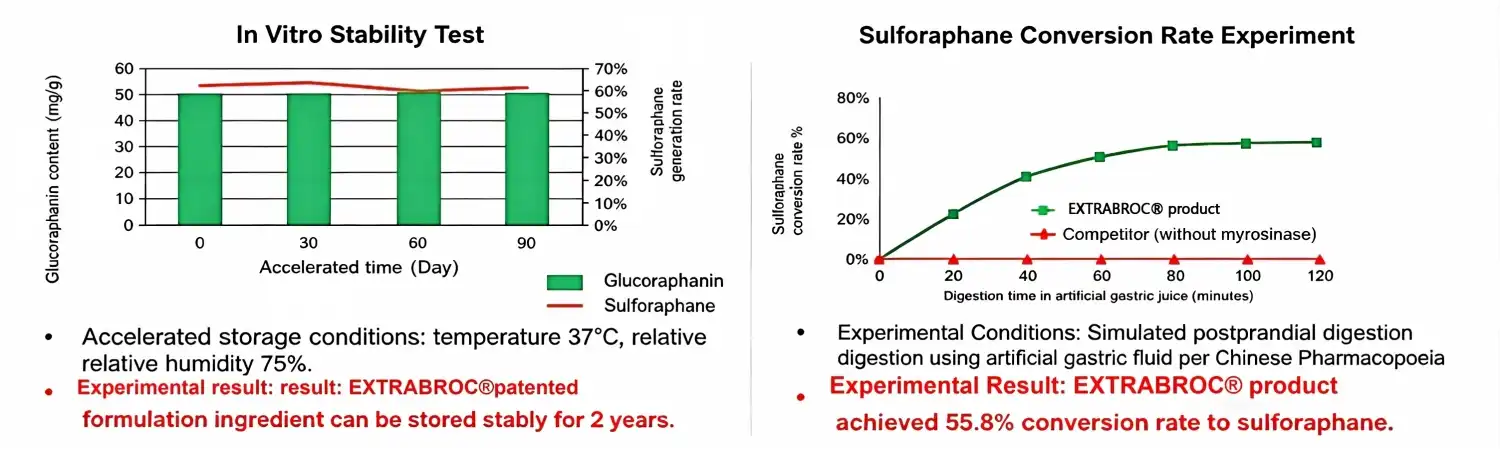
The unevenness issue with raw broccoli is solved when you use a measured seed extract. This is because the myrosinase breaks down and the glucoraphanin content changes when the broccoli is cooked. HPLC tests verify that EXTRABROC® Broccoli Seed Extract features high-purity glucoraphanin with premium active ingredient content.It has a known in vivo sulforaphane conversion rate of ≥55.8%, which gives people who make products a dependable ingredient that can be used in the right amount.
Expanding Product Applications Beyond Traditional Supplements
Functional Foods and Beverages
More consumers are looking for products that provide functions beyond basic nutrition, creating opportunities for ingredients such as Broccoli extract sulforaphane in snack bars, meal replacement powders, and protein drinks with added functional ingredients. A well-characterized Broccoli extract sulforaphane can be incorporated into different nutritional formulations according to the target product and processing requirements. EXTRABROC® supports clean-label formulations through a water-based extraction process without organic solvent residues. The Broccoli extract sulforaphane powder is described as fine and light yellow, allowing it to be dispersed into suitable beverage and powdered formulations. For applications where consistent mixing is important, the product specification requires at least 90% of particles to be 180 μm, helping formulators evaluate the Broccoli extract sulforaphane according to their desired processing and formulation requirements.
Skin Health and Nutricosmetics
Skin care items that you eat or put on your skin are one of the fastest-growing types of applications. If you put sulforaphane on skin cells, it can turn on Nrf2. This helps protect DNA from oxidative damage caused by UV light and speeds up the defense processes for collagen. Researchers who looked at a lot of different studies agreed that skin care items with a lot of glucoraphanin did protect against UV light. Quality compliance teams need a powder extract that is stable, doesn't smell bad, and passes more than 500 tests for heavy metals, bacteria, and pesticide residues in cosmetics.
Animal Nutrition and Veterinary Applications
Glucosinolate-rich products are now being used by companies that make supplements for pets and feed for animals to improve the gut health, antioxidant levels, and immune systems of these animals. A unique pre-treatment process used by EXTRABROC® gets rid of allyl isothiocyanate, a chemical that can upset animals' digestive systems. Because of this, the extract is much safer to use in pet goods. The low amount of Arsenic (0.052 mg/kg) and the number of Aerobic Bacteria (280 cfu/g) show that the heavy metals and microbes are what high-end pet product makers need.
These three groups alone show that sulforaphane is more than just a drug. The most important thing is that the ingredients are always strong, don't contain any harmful substances, and have been shown to work in the past. There is a difference between normal seed extract and regular broccoli powder in this area.
Choosing the Right Broccoli Extract Sulforaphane for Diverse Applications
Extract Form and Formulation Compatibility
This fine, light yellow powder called EXTRABROC® is broccoli seed extract. It can be used in pills, hard capsules, stick packs, ready-to-mix drinks, and FSMP (Foods for Special Medical Purposes). It stays useful for two years when kept in a cool, dry place, so you can use it over and over again without losing any of its power. This helps big buyers who need to keep a lot of things on hand.
Certifications That Protect Market Access
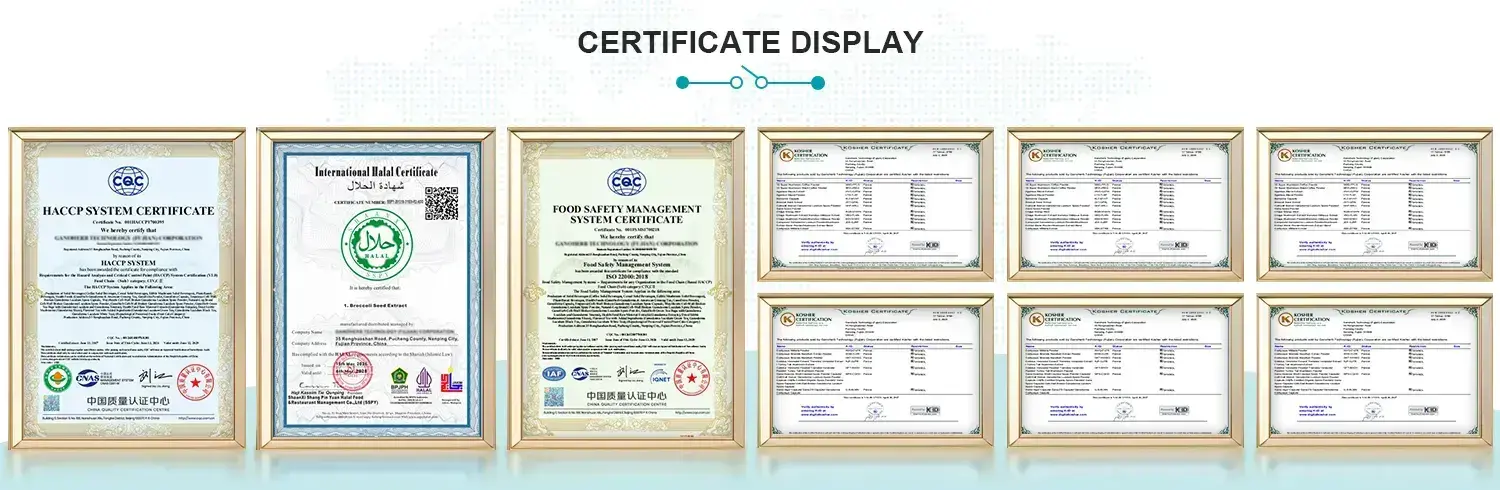
Before entering the U.S. market, companies should review the applicable regulatory requirements for each product category. For brands sourcing Broccoli extract sulforaphane, regulatory documentation and quality certifications are important parts of supplier due diligence. EXTRABROC® is supported by documentation covering GRAS status, GMP, ISO 22000, HACCP, and HALAL requirements, while the ingredient is also presented as meeting relevant USP-NF Pharmacopeia and U.S. FDA requirements. For a Broccoli extract sulforaphane supplier, complete traceability information covering the supply chain from seed material through finished product can help brands organize quality reviews and prepare for applicable regulatory assessments. Maintaining clear documentation for Broccoli extract sulforaphane can also support retailer due diligence and internal quality-control procedures.
Bulk Supply and Customization Options
EXTRABROC® can make 50 tons of it every year, which makes it easy to buy in bulk. They can change how much glucoraphanin is in the mixture, mix it with other plants that work well together, and change how it is delivered. They can also help brands make health claims by working with them to sell rights and improve technology.
Optimizing Product Performance and Absorption of Sulforaphane
Delivery Systems That Protect Bioactivity
The free sulforaphane breaks down quickly when it's hot, and there's water around. Most of the time, microencapsulation and enteric coating are the two solutions that are used. Enteric-coated capsules avoid stomach acid and release glucoraphanin in the small intestine, where gut bacteria have more myrosinase activity. Sulforaphane release is kept going for at least 24 months by the stable glucoraphanin framework in EXTRABROC®. There is evidence to back up this number; it's not just a guess.
Dosage Ranges Across Product Categories
Does that work depend on what you want to do? In studies that looked at how to activate Nrf2, people were given glucoraphanin equivalents of 30 mg to 400 mg every day. To find a good mix between cost, taste, and efficiency in functional foods, lower inclusion rates are often used. Once more, there are different rules about how to feed animals. Compliance and the effectiveness of the product are both protected when you work with a supplier that gives specific dosage advice for each format instead of a general suggestion.
Stability Considerations for Processing
Heat, light, and oxidation are the main things that can damage sulforaphane molecules while they are being made. Solvents can break down EXTRABROC®, but the water extraction method doesn't do that. The storage requirements—cool, dry, and out of direct light—make sense for production floors. The fact that the product is non-GMO and passes more than 500 tests for chemical residues is strong evidence that the seller should be checked.
Strategic Procurement Considerations for B2B Buyers
Evaluating Supplier Credentials
When sourcing Broccoli extract sulforaphane, the supplier's quality and compliance documentation can be just as important as the purchase price. For a Broccoli extract sulforaphane supplier, certifications such as GMP, ISO 22000, HACCP, and HALAL can provide evidence of established production and quality-control procedures. EXTRABROC® is also supported by patent documentation in China, Japan, and the U.S., providing information about the intellectual property associated with its core technology. For procurement teams, these certifications and patent records can help with supplier due diligence and product evaluation. A well-documented Broccoli extract sulforaphane supply chain can also make it easier to assess manufacturing consistency, traceability, and quality requirements before placing an order.
Supply Chain Logistics and Scalability
People in the US can use EXTRABROC® even if they need different wait times because it can handle both air and sea freight. The factory can increase its output to meet rising demand without lowering the quality standards since it already makes 50 tons of the product every year. It's easier for sellers to keep legal records and check the quality of goods when they have full traceability papers for each production batch.
Total Cost of Ownership vs. Unit Price
People who are only interested in the price per kilogram often don't think about the costs that come after, like having to make the product again, having checks fail, and having customers send it back because the ingredients don't match up. It is possible to check the quality of a Glucoraphanin 20% extract that has been standardized by HPLC and is backed by more than 10 clinical studies and 54 patent filings in the US and other countries. This quality price lowers the risk of production in the long term and keeps the brand's image safe.
Together, these buying factors show if a relationship with an ingredient pays off over more than one product run, not just the first order.
Conclusion
Many buyers may not initially recognize the range of applications associated with sulforaphane and glucoraphanin-based ingredients. From a scientific perspective, the Nrf2-related activity of sulforaphane has been investigated in areas such as functional beverages, nutricosmetics, animal nutrition, and pharmaceutical research. For brands developing these products, Broccoli extract sulforaphane can provide an ingredient option when supported by appropriate specifications and scientific documentation. A standardized Broccoli extract sulforaphane ingredient with clear quality controls, clinical research, and supply-chain traceability can be easier for formulation teams to evaluate. EXTRABROC® Broccoli Seed Extract, with a specified glucoraphanin content, documented production capacity, relevant quality certifications, and patent documentation, can therefore be considered by businesses developing different product formats that incorporate Broccoli extract sulforaphane. For procurement teams, selecting Broccoli extract sulforaphane with transparent specifications and supporting documentation can help facilitate product development and supplier evaluation.
FAQ
What is the difference between glucoraphanin and sulforaphane?
Glucoraphanin is the stable precursor stored in broccoli seeds. When exposed to the enzyme myrosinase—either during food preparation or in the gut—glucoraphanin converts to sulforaphane, the biologically active compound. Standardized extracts with ≥20% glucoraphanin provide a measured starting point that ensures predictable sulforaphane release in the body.
Is sulforaphane stable in beverages?
Raw sulforaphane degrades quickly in liquid environments. Microencapsulated or enteric-protected glucoraphanin forms maintain stability more reliably in beverage applications. EXTRABROC® maintains documented activity for ≥24 months under proper storage conditions.
What certifications should I request from a sulforaphane supplier?
At minimum, look for GMP, ISO22000, HACCP, and FDA compliance. For US market entry, GRAS status and USP-NF conformity add another layer of regulatory assurance.
Can sulforaphane extract be used in pet supplements?
Yes. The key requirement is removal of allyl isothiocyanate, which can irritate animal gastrointestinal tissue. EXTRABROC®'s exclusive pre-treatment process specifically addresses this concern, making it suitable for veterinary-grade formulations.
How do I request a sample or bulk quote?
Contact the EXTRABROC® team directly at info@extrabroc.com or visit fsys.aixdb.cn for product documentation and inquiry submission.
Partner with EXTRABROC® — Your Trusted Broccoli Extract Sulforaphane Supplier
Experts in making products can get what they need from EXTRABROC®: a standardized broccoli seed extract with Glucoraphanin amounts of at least 20% and up to 55.8% in vivo conversion. It also comes with patent-protected technology that is known in the US, China, and Japan. This kind of sulforaphane provider will be loved by brands that care about being fair to science. They can make 50 tons of it every year, get all the necessary approvals, and have an R&D team led by a PhD working on each batch. You can talk about your formulation needs by emailing info@extrabroc.com or by going to fsys.aixdb.cn to see all of our goods.
References
1. Fahey, J. W., Zhang, Y., & Talalay, P. (1997). Broccoli sprouts: An exceptionally rich source of inducers of enzymes that protect against chemical carcinogens. Proceedings of the National Academy of Sciences, 94(19), 10367–10372.
2. Kensler, T. W., et al. (2005). Effects of glucosinolate-rich broccoli sprouts on urinary levels of aflatoxin-DNA adducts and phenanthrene tetraols in a randomized clinical trial. Cancer Epidemiology, Biomarkers & Prevention, 14(11), 2605–2613.
3. Talalay, P., & Fahey, J. W. (2001). Phytochemicals from cruciferous plants protect against cancer by modulating carcinogen metabolism. Journal of Nutrition, 131(11), 3027S–3033S.
4. Dinkova-Kostova, A. T., & Kostov, R. V. (2012). Glucosinolates and isothiocyanates in health and disease. Trends in Molecular Medicine, 18(6), 337–347.
5. Talalay, P., et al. (2007). Sulforaphane mobilizes cellular defenses that protect skin against damage by UV radiation. Proceedings of the National Academy of Sciences, 104(44), 17500–17505.
6. Houghton, C. A., Fassett, R. G., & Coombes, J. S. (2016). Sulforaphane and other nutrigenomic Nrf2 activators: Can the clinician's expectation be matched by the reality? Oxidative Medicine and Cellular Longevity, 2016, 7857186.