Glucoraphanin Natural Extract Provides a Stable Botanical Ingredient for Premium Product Development
Glucoraphanin natural extract has become one of the most sought-after botanical ingredients in the premium supplement and functional food market. Sourced from Brassica oleracea var. italica (broccoli) seeds, it acts as the stable precursor to sulforaphane—the bioactive compound that activates the Nrf2 antioxidant pathway. Unlike sulforaphane itself, which degrades quickly under normal processing conditions, glucoraphanin remains chemically stable throughout manufacturing and storage, making it a technically sound choice for product developers who need reliable, shelf-stable botanical inputs.
Understanding Glucoraphanin Natural Extract: Composition, Benefits, and Mechanism
What It Is and Where It Comes From
Glucoraphanin is a glucosinolate chemical that is mostly found in broccoli seeds. It changes into sulforaphane when the body's bacteria or natural enzymes (myrosinase) work on it. In people, this enzymatic conversion rate usually falls between 10% and 40%, based on the make-up of each person's gut microbiome. However, release efficiency can be greatly increased by using properly standardized extracts and optimized delivery forms.
How It Works in the Body
When sulforaphane is released, it starts Nrf2 signaling, which activates Phase II detoxification enzymes like glutathione S-transferase and NAD(P)H quinone oxidoreductase. These enzymes stop reactive oxygen species from doing damage and lower oxidative stress in cells. According to a study released in 2012 in Cancer Prevention Research, glucosinolates found in broccoli sprouts greatly increased Nrf2 target genes in human subjects. This helped with both antioxidant defense and possible cancer prevention.
Safety Profile and Formulator Guidance
Unlike progoitrin, another cruciferous glucosinolate that has been associated with potential thyroid-related concerns, glucoraphanin does not convert into goitrin. This distinction makes a standardized Glucoraphanin natural extract an attractive option for long-term supplement formulations, particularly when manufacturers are considering ingredients with well-defined glucoraphanin content. For formulators, clinical literature commonly discusses daily glucoraphanin intake in the range of approximately 30–60 mg, depending on the study and intended application. EXTRABROC® provides a standardized Glucoraphanin natural extract with at least 10% glucoraphanin according to HPLC testing, giving manufacturers a clearly defined active-content specification. Its reported inorganic arsenic level of 0.052 mg/kg and total aerobic bacterial count of 280 CFU/g also provide useful quality-control benchmarks for evaluating ingredient safety and consistency. For supplement manufacturers, a well-documented Glucoraphanin natural extract can simplify formulation, quality assessment, and batch-to-batch specification management. By combining standardized glucoraphanin content with documented testing and traceability, EXTRABROC® offers a practical Glucoraphanin natural extract option for manufacturers developing dietary supplements and functional nutrition products.

Comparing Glucoraphanin Natural Extract with Alternative Options for Product Development
Glucoraphanin vs. Sulforaphane
In its pure state, sulforaphane is unstable, smelly, and quickly breaks down at room temperature and during normal production. On the other hand, glucoraphanin is a thio-glycoside that dissolves in water and stays stable at temperatures up to 100°C when it is dry. This property of the material means that it can withstand being pressed into tablets, heated, and pushed through a die without losing a lot of its effectiveness. Free sulforaphane, on the other hand, can't always do this.
Glucoraphanin vs. Broccoli Sprout Extract
Broccoli sprout extract is popular, but it can be different. The amount of glucosinolate in food changes depending on how it was grown, when it was picked, and how it was processed. It is known that glucoraphanin extract from seeds works consistently well, especially when it is made using a normal aqueous extraction method. Every batch of EXTRABROC® is tested with HPLC to make sure that the concentration of glucoraphanin is at least 10%. This gives B2B procurement teams the stability they need from batch to batch.
What Certifications Signal to Buyers
In the world of ingredient procurement, certifications are more important than marketing words. The broccoli seed extract from EXTRABROC® is certified by the FDA, GMP, ISO22000, HACCP, and HALAL, and it meets the standards set by the US FDA GRAS and USP-NF pharmacopeias. A full Certificate of Analysis (COA) is included with every batch. It describes the product's appearance, particle size (≥90% at 180μm), shelf life, heavy metals, microbes, and how long it will last. The proof they need to meet US market regulations is in these papers, which are given to procurement managers.
Sourcing and Procurement Guide for Glucoraphanin Natural Extract
How to Evaluate a Glucoraphanin Supplier
There are three things that you must look for in a glucoraphanin natural extract supplier: standardized potency verification through HPLC, full production traceability, and multi-tier quality certifications. EXTRABROC® runs the whole industry chain, from growing the seeds to extracting them, making the products, and checking their quality. At every step, the company can be fully traced. This model from seed to finished extract clears up the supply line and makes buyers legally responsible.
Production Capacity and Logistics
Supply security is important for brands that are growing or trying to keep up with seasonal demand. The facility where EXTRABROC® is located keeps a steady annual production capacity of 50 metric tons, which means that large orders can be filled without worrying about lead times. The item is sent out in covered containers as a fine, light yellow powder that can be sent by both air and sea. Depending on what the client wants, the specifications can be changed. For example, the glucoraphanin amounts and particle sizes can be changed to fit different dosage forms.
Pricing, MOQ, and Quality Assurance
Buying plant ingredients on a budget needs to be clear. EXTRABROC® can handle large orders and provide clear COA paperwork and compliance checks that are in line with US import rules. The product has a two-year shelf life if it is kept cool, dry, and out of the light. This gives buyers more stocking options and lowers the cost of having to reorder often. Internal HPLC tests on each batch make sure that what the COA says is what goes into production.
Integrating Glucoraphanin Natural Extract into Premium Product Development
Compatible Dosage Forms and Applications
Because of how it is made, EXTRABROC®'s broccoli seed extract can be used in a variety of product forms. Here are the main types of applications where this extract consistently works well:
- Dietary supplements (capsules and tablets): The powder's fine particle size (≥90% passing 180μm) and stability under tableting pressure make it suitable for both hard-shell capsules and direct compression tablets. Delayed-release capsule formats can be used to protect glucoraphanin through gastric acidity and target conversion in the small intestine.
- Functional beverages and powdered drink mixes: Glucoraphanin's water solubility and thermal resistance allow incorporation into beverage applications that require pasteurization. It dissolves cleanly without affecting taste or color at typical use concentrations.
- Sports nutrition products: With growing consumer interest in cellular recovery and oxidative stress reduction post-exercise, glucoraphanin-standardized extract fits logically into performance nutrition stacks alongside established antioxidant ingredients.
- Foods for special medical purposes (FSMP): The extract's documented safety profile, clean aqueous extraction process (no organic solvent residues), and compliance with international food safety standards position it well for clinical nutrition applications.
Supplements for your diet (capsules and tablets): The powder can be used for both hard-shell capsules and direct compression tablets because it is stable under tableting pressure and has particles that are less than 180μm in size. To keep glucoraphanin safe from stomach acid and to target conversion in the small intestine, delayed-release capsules can be used.
Bioavailability Considerations in Formulation
Glucoraphanin-standardized extract makes sense to include in performance nutrition stacks with other well-known antioxidants because more and more people are interested in reducing oxidative stress and speeding up cell repair after exercise.
Future Trends and Opportunities in the Glucoraphanin Botanical Ingredient Market
Rising Demand for Natural Antioxidants
Over the past ten years, demand for clean-label antioxidant ingredients supported by scientific evidence has continued to grow. Within this expanding category, a Glucoraphanin natural extract offers a distinct positioning because glucoraphanin serves as a precursor to sulforaphane and is associated with activation of the Nrf2 pathway. Unlike general antioxidant ingredients such as polyphenols or vitamin C, a standardized Glucoraphanin natural extract can be formulated around a clearly defined glucoraphanin content and a specific biological pathway. This makes Glucoraphanin natural extract particularly relevant to manufacturers developing dietary supplements, functional foods, and other evidence-based wellness products. For brands seeking differentiated antioxidant formulations, a Glucoraphanin natural extract can provide a plant-derived ingredient platform with a more specific mechanism of action than conventional broad-spectrum antioxidant ingredients.
Technology Advances in Extraction and Standardization
A lot of progress has been made in the field of aqueous extraction, which now lets companies offer high-purity glucoraphanin that is free of liquid contamination. EXTRABROC® has applied for 54 idea patents in the United States and other countries. Over 30 of these patents have been granted, and 3 PCT international patent priorities cover its sulforaphane release technology and pre-treatment processes. The public data can't be used to make these private ways work again, which means that supply partners get to use a technically protected ingredient.
Regulatory and Clean-Label Pressures
The US market wants more and more information about ingredients and legal paperwork. In most US states, glucoraphanin that is removed from non-GMO broccoli seeds using a water-based method can be put on a "clean label." Following the rules for FDA GRAS, USP-NF, and China's New Food Raw Materials gives EXTRABROC®'s extract a legal base that works for multiple markets, supporting both US product launches and formulas aimed at exports.
Conclusion
Glucoraphanin natural extract from broccoli seeds addresses a real formulation problem: how to deliver sulforaphane's benefits in a stable, scalable, and regulatory-compliant form. EXTRABROC®'s standardized broccoli seed extract—≥10% glucoraphanin, aqueous extraction, 50 tons/year production capacity, and full COA documentation—gives product developers a dependable botanical ingredient backed by 13 years of specialized research. For procurement teams and formulators building premium products in the US market, this is an ingredient worth serious evaluation.
FAQ
What is the shelf life of a 10% glucoraphanin broccoli seed extract?
When stored in a cool, dry place away from light and high temperatures in original sealed packaging, EXTRABROC®'s broccoli seed extract maintains documented potency for 24 months.
Does glucoraphanin affect thyroid function?
Unlike progoitrin, glucoraphanin does not convert into goitrin. This distinguishes it from other cruciferous compounds associated with thyroid concerns, making it suitable for long-term supplementation in most consumer populations.
What dosage forms is this extract compatible with?
It works well in tablets, capsules, powdered beverages, functional foods, and FSMP formats. Its fine particle size and water solubility support a wide range of manufacturing processes.
How is potency verified?
Potency is confirmed via HPLC using certified reference standards, distinguishing glucoraphanin from other glucosinolates. Each batch includes a COA covering appearance, specification, heavy metals, microbiology, and particle size.
Is this extract non-GMO and solvent-free?
Yes. EXTRABROC®'s extract is produced from non-GMO broccoli seeds using a pure aqueous extraction process, with no organic solvent residues. It meets standards for over 500 indicators, including pesticide residues, heavy metals, and microorganisms.
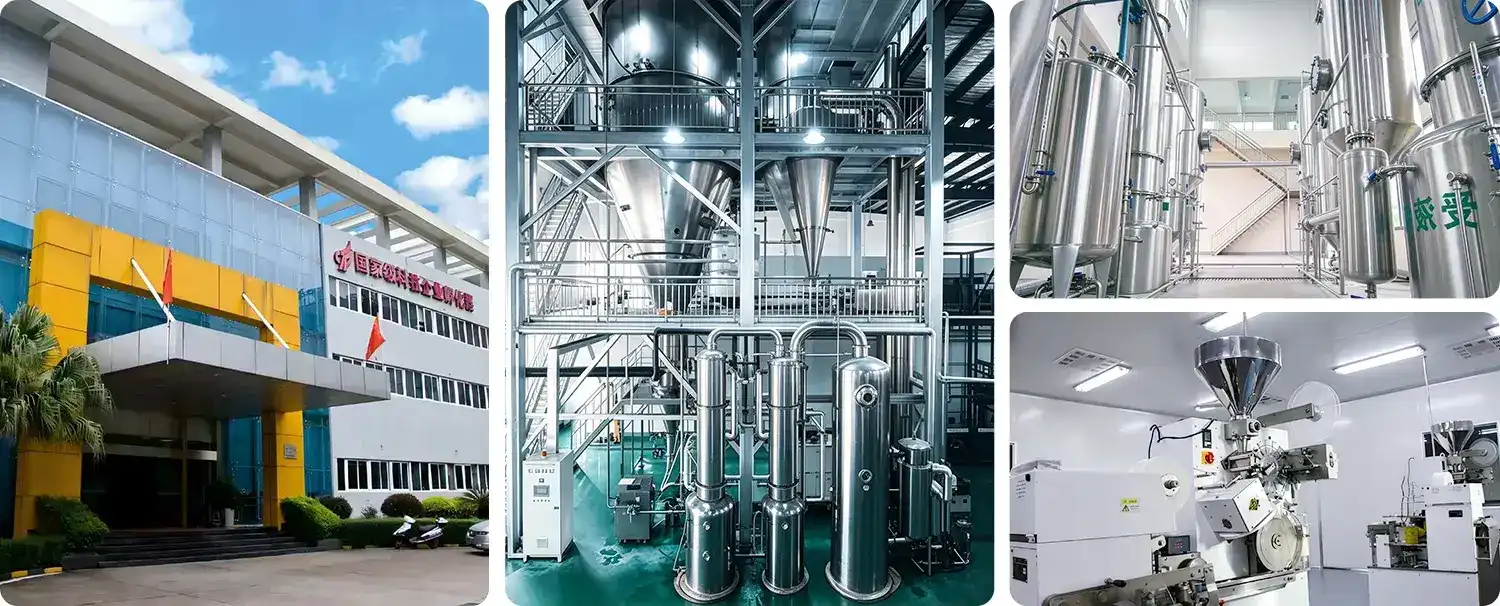
Partner with EXTRABROC® — Your Trusted Glucoraphanin Natural Extract Supplier
EXTRABROC®'s broccoli seed extract is proven to stay effective for 24 months when kept in its original sealed packaging in a cool, dry place away from light and high temperatures. With standardized glucoraphanin content, HPLC-based quality verification, aqueous extraction, full batch traceability, and comprehensive COA documentation, EXTRABROC® provides a reliable ingredient solution for supplement brands, functional food manufacturers, and other B2B product developers. From raw material sourcing and extraction to testing and final delivery, every stage is managed with consistent quality and supply control. Whether you are developing capsules, tablets, functional beverages, sports nutrition products, or specialized nutritional formulations, EXTRABROC® can support your requirements with scalable production and specification flexibility. For product specifications, samples, pricing, MOQ, or technical support, contact the EXTRABROC® team at info@extrabroc.com to discuss your glucoraphanin natural extract requirements.
References
1. Fahey, J. W., Zhang, Y., & Talalay, P. — Proceedings of the National Academy of Sciences, 1997.
2. Kensler, T. W., Egner, P. A., et al. — Cancer Prevention Research, 2012.
3. Shapiro, T. A., Fahey, J. W., et al. — Cancer Epidemiology, Biomarkers & Prevention, 2006.
4. Traka, M. H., & Mithen, R. F. — Phytochemistry Reviews, 2009.
5. Dinkova-Kostova, A. T., & Kostov, R. V. — Seminars in Cancer Biology, 2012.
6. Angeloni, C., Leoncini, E., et al. — Journal of Agricultural and Food Chemistry, 2009.