Bulk Broccoli Seed Powder Helps Nutrition Brands Develop Plant-Based Product Solutions
Broccoli seed powder has become one of the most sought-after plant-based ingredients in the nutrition industry. Derived from the mature seeds of Brassica oleracea var. italica, this light yellow fine powder is standardized for Glucoraphanin and Sulforaphane — two bioactives that activate the Nrf2 cellular defense pathway. For nutrition brands developing clean-label supplements, functional foods, or topical formulations, it offers a stable, science-backed foundation. This article walks through what makes this ingredient worth considering, how to procure it responsibly, and why EXTRABROC® is trusted by global B2B partners.

Understanding Bulk Broccoli Seed Powder and Its Nutritional Value
What Makes Broccoli Seeds Nutritionally Distinct
The amount of glucosinolates in broccoli seeds is much higher than in florets or sprouts. When Glucoraphanin comes in contact with the enzyme myrosinase, either from the plant or from gut microbiota, it changes into Sulforaphane, which is more useful in medicine. This change sets off Phase II detoxification enzymes, encourages the production of antioxidant genes, and starts the Nrf2 signaling pathway. Fahey et al.'s research in the Proceedings of the National Academy of Sciences (1997) showed that extracts from cruciferous seeds are one of the best natural sources of Sulforaphane intermediates.
Bioactive Profile Relevant to Supplement Formulation
HPLC tests show that EXTRABROC® Broccoli Seed Extract Powder contains between 1% and 98% Glucoraphanin and Sulforaphane. It is designed to be used in industrial formulations because it has a particle size of ≥90% passing 180μm and can be stored for 24 months in the right way. Because it is extracted with pure water and no toxic solvents are left behind, it can be used for clean-label marketing. A special pre-treatment process gets rid of risky impurities like allyl isothiocyanate. This solves a major safety issue that is often missed with raw seed materials.
Applications Across Product Categories
This ingredient works well across three main formulation categories. In functional food products, Broccoli seed powder can be positioned for applications related to cellular defense and antioxidant support. In beauty products, Broccoli seed powder can serve as a plant-derived antioxidant ingredient, with glucoraphanin serving as a precursor to sulforaphane and supporting Nrf2-related pathways rather than acting simply as a direct free-radical scavenger. This mechanism may provide longer-lasting biological activity than conventional antioxidants, depending on the formulation and evidence available. Broccoli seed powder also blends well with green superfood products and meal replacements in functional food formulations. Compared with lower-concentration sprout powder, a standardized seed-based ingredient can provide a more defined glucoraphanin content per gram, allowing formulators to adjust serving sizes according to the desired active-ingredient specification. For manufacturers seeking a versatile botanical ingredient, Broccoli seed powder can therefore be incorporated into functional foods, dietary supplements, and beauty-oriented formulations where consistent glucoraphanin content is important.
Bulk Broccoli Seed Powder as a Strategic Ingredient for Nutrition Brands
Market Trends Favoring Glucosinolate-Rich Ingredients
The market for plant-based supplements is still growing, and people are looking for ingredients that have been shown to work in research studies. This need is perfectly met by broccoli seed extract. Over 10 real-life and clinical trials with humans have been done on products related to EXTRABROC®. These have looked at uses ranging from antioxidant defense to metabolic health. These studies give nutrition brands the scientific proof their marketing teams need to make structure/function claims that are legal with the FDA.
Why Shelf Stability is a Competitive Advantage
One of the most common problems with Sulforaphane-based goods is that they break down while they are being stored. Pure Sulforaphane changes quickly and depends on the temperature. This problem can be fixed by broccoli seed extract, which gives the body the stable precursor Glucoraphanin, which changes when needed. In vivo, EXTRABROC® keeps the conversion of Sulforaphane stable at ≥55.8%, and its activity has been proven to last for 24 months at room temperature. This stability profile cuts down on the number of times a product needs to be reformulated and saves the money that brands spend on product development.
Supply Chain Differentiation Through Traceability
From the seed to the finished product, EXTRABROC® can be fully tracked. The method of making the product is certified by GMP, ISO22000, HACCP, and HALAL, and it meets the standards set by the FDA and USP-NF. For buying managers, this means that paperwork is available at every stage of production, which is needed to sell in high-end stores in the US.
Comparing Bulk Broccoli Seed Powder with Alternative Plant Powders
Seed Extract vs. Sprout Powder vs. Whole Vegetable Powder
Many manufacturers use Broccoli seed powder as a plant-based broccoli ingredient, but its glucoraphanin content can vary depending on the raw material, processing method, and degree of standardization. Broccoli sprout powder may also contain glucoraphanin, while myrosinase activity can differ according to sprouting and processing conditions. Whole-vegetable powders such as kale or wheatgrass may provide a broader range of micronutrients, whereas a standardized broccoli seed extract is typically designed to deliver a more defined glucoraphanin concentration. For buyers comparing Broccoli seed powder with standardized seed extracts, it is important to distinguish between total botanical material and the actual concentration of the target glucosinolate. A well-characterized Broccoli seed powder can be useful in functional food and supplement formulations, while a standardized extract may be more suitable when manufacturers need tighter control over glucoraphanin content, serving size, and storage stability. For applications focused on Nrf2-related functionality, evaluating the specifications of Broccoli seed powder alongside those of standardized extracts can help formulators select an ingredient according to concentration, consistency, and intended use.
Organic vs. Non-Organic Sourcing Considerations
In high-end B2B procurement, non-GMO status is a must. Over 500 indicators, such as pesticide residues, microorganisms, and heavy metals, are met by EXTRABROC®. The amount of solid arsenic found in heavy metal tests is 0.052 mg/kg, which is well below the limits set by California Prop 65 and the EU for food safety. The number of aerobic bacteria is proven to be 280 cfu/g. For companies that want to sell natural products in the U.S., these testing standards help them meet retailer requirements without having to pay extra for independent verification.
Capsule vs. Powder Format for B2B Buyers
Each format has its own benefits, depending on the use. The powder format gives you the freedom to mix it in any way you want, add it to drinks, or make it under your own brand name. The capsule form works for finished supplement SKUs that have set amounts of Glucoraphanin per dose. Because myrosinase stops working above 60°C and Glucoraphanin stays stable up to 100°C, heat-processed foods need an extra enzyme source. Through HPLC analysis and process consultation services, EXTRABROC® expert teams help with formulation advice for both situations.
Procurement Considerations for Bulk Broccoli Seed Powder
Evaluating Supplier Credentials
Documented approvals are the first step toward reliable bulk buying. EXTRABROC® is approved by the FDA, GMP, ISO22000, HACCP, and HALAL. Fushan Biotechnology's research and development team, which is made up of four PhDs, has filed 54 idea patents in China and other countries. Over 30 of these patents have been granted, and 3 PCT foreign patent priorities have been set. People in China, Japan, and the US have been granted patents, which protect key technology. This much money spent on intellectual property (IP) means a reliable supply over the long term and a level of technical detail that generic product providers can't match.
MOQs, Logistics, and Custom Specifications
EXTRABROC® can handle both air and sea freight, and it can also make products to fit the wants of its customers. Here are the main service choices that B2B buyers have:
- Formula customization: Customers can choose the concentration of Glucoraphanin or Sulforaphane (1–98%), change the particle size, or ask for mix formulas with actives that work well together.
- Patent licensing support: Available to partners who meet certain requirements based on order volume. This gives brands access to our own Sulforaphane release technology.
- Collaborative technical development: Working together to make finished goods based on evidence for certain health uses, from the first idea to the regulatory paperwork.
- Process and testing support: HPLC analysis services are included, so there's no need for a third party to check the results at intake.
Ensuring Quality & Safety: Dosage, Side Effects, and Regulatory Compliance
Evidence-Based Dosage Guidance
In clinical studies involving ingredients designed to provide sulforaphane, glucoraphanin doses corresponding to approximately 10–40 mg of sulforaphane per serving have been investigated, although the appropriate amount varies according to the study design, intended health application, and target population. For manufacturers working with Broccoli seed powder, the actual serving size should be determined according to the ingredient's measured glucoraphanin concentration rather than relying on a fixed weight of raw material. EXTRABROC®'s technical support team can provide formulation guidance based on available published clinical data and the standardized glucoraphanin content of the ingredient. This approach allows Broccoli seed powder formulations to be developed with clearly defined active-ingredient specifications and appropriately documented serving sizes. For brands using Broccoli seed powder, evaluating glucoraphanin concentration, product specifications, and relevant clinical evidence together can help support responsible and defensible formulation decisions. A standardized Broccoli seed powder ingredient can therefore give manufacturers a clearer basis for adjusting serving sizes across different supplement and functional food products.
Safety Profile and Allergen Status
There is no gluten or any of the major allergens mentioned in the Food Allergen Labeling and Consumer Protection Act (FALCPA) in broccoli seed extract. The special pre-treatment process used to make EXTRABROC® gets rid of allyl isothiocyanate, a chemical that can irritate the mucosa when it's present in high amounts. When compared to seed powders that haven't been processed, this step makes the end item much safer.
Regulatory Compliance for the U.S. Market
China's National Health Commission has named broccoli seed aqueous extract as a New Food Raw Material. EXTRABROC® also meets FDA GRAS certification and USP-NF pharmacopeia standards. These three levels of regulatory validation make it easier for U.S. nutrition brands to import and make label claims without having to file extra regulatory paperwork at intake.
Conclusion
Broccoli seed powder is no longer limited to a small number of niche formulations. It has become a practical botanical ingredient for nutrition brands developing the next generation of plant-based products. With standardized glucoraphanin content, a reported 24-month shelf life, documented supply-chain controls, and a growing body of clinical research, Broccoli seed powder can address several key requirements considered by B2B buyers when evaluating functional botanical ingredients. For manufacturers, consistent specifications and traceability are particularly important when incorporating Broccoli seed powder into dietary supplements, functional foods, and other wellness products. Brands looking to differentiate their formulations through evidence-based botanical ingredients can evaluate Broccoli seed powder based on its glucoraphanin concentration, stability, quality documentation, and suitability for the intended application. These factors make Broccoli seed powder a relevant ingredient for companies seeking to develop plant-based products with clearly defined quality and formulation requirements.
FAQ
What is the difference between broccoli seed extract and broccoli sprout powder?
Glucoraphanin levels in broccoli seed extract are higher than those in sprout powder, which is what the standard says. The strength of sprout powder changes depending on how it was grown, but the strength of seed extract stays the same across batches that have been HPLC-verified. Seed extract is the better choice for brands that need to be sure of the amount of active ingredient in each dose.
How do I verify a broccoli seed powder supplier's quality claims?
You should ask for HPLC certificates of analysis for Glucoraphanin content, heavy metal test reports, microbial screening data, and certifications for the production facility like GMP and ISO22000. EXTRABROC® keeps full records and documentation of every step of the production process, from where the seeds come from to how the powder is packed at the end.
Is broccoli seed powder safe for long-term use in finished supplements?
Published clinical study shows that healthy people can take Sulforaphane regularly at amounts that have been tested without experiencing major side effects. EXTRABROC®'s unique pre-treatment process gets rid of allyl isothiocyanate, which lowers the risk of irritation even more when it comes to raw seed materials.
What health claims can nutrition brands make in the U.S. market?
Structure/function claims about antioxidant support, cellular defense, and general wellness are allowed by FDA rules as long as they are backed up by scientific literature. For brands to properly back up their claims, EXTRABROC® offers evidence-based support documents.
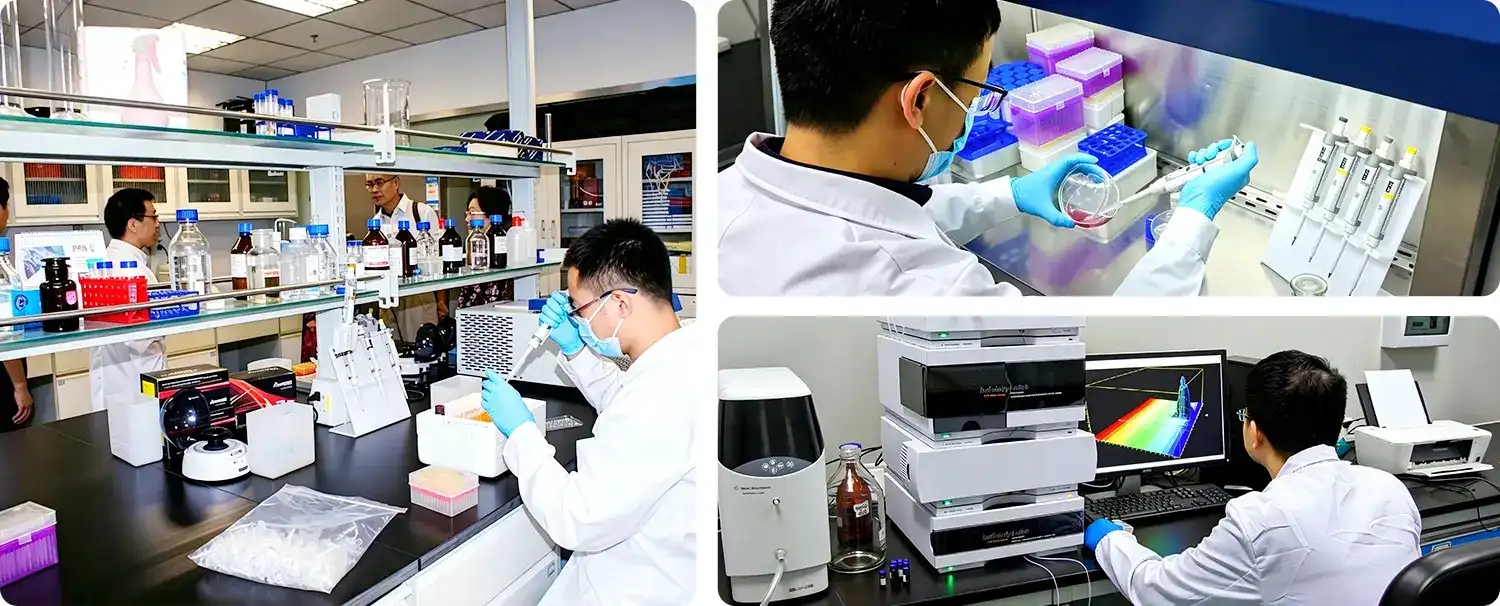
Partner With EXTRABROC® — A Trusted Broccoli Seed Powder Supplier
When you work with a company, EXTRABROC® brings 13 years of study and a fully certified supply chain. We only sell broccoli seed powder and have full legal paperwork, sample access, standardized Glucoraphanin and Sulforaphane content, and the ability to make formulas that fit your needs. Our research is led by PhDs, and we have patents in the U.S., China, and Japan. Prepare to base your next plant-based product on facts that have been proven to work? You can ask for a sample or talk about your recipe needs by emailing us at info@extrabroc.com.
References
1. Fahey, J. W., Zhang, Y., & Talalay, P. (1997). Broccoli sprouts: An exceptionally rich source of inducers of enzymes that protect against chemical carcinogens. Proceedings of the National Academy of Sciences.
2. Shapiro, T. A., Fahey, J. W., Wade, K. L., et al. (1998). Human metabolism and excretion of cancer chemoprotective glucosinolates and isothiocyanates of cruciferous vegetables. Cancer Epidemiology, Biomarkers & Prevention.
3. Dinkova-Kostova, A. T., & Kostov, R. V. (2012). Glucosinolates and isothiocyanates in health and disease. Trends in Molecular Medicine.
4. Houghton, C. A. (2019). Sulforaphane: Its "Coming of Age" as a clinically relevant nutraceutical in the prevention and treatment of chronic disease. Oxidative Medicine and Cellular Longevity.
5. Vanduchova, A., Anzenbacher, P., & Anzenbacherova, E. (2019). Isothiocyanate from broccoli, sulforaphane, and its properties. Journal of Medicinal Food.
6. Traka, M. H., & Mithen, R. F. (2011). Plant science and human nutrition: Challenges in assessing health-promoting properties of phytochemicals. The Plant Cell.