Broccoli Seed Extract 14% Glucoraphanin Enhances Customized Ingredient Solutions for Global Nutrition Product Manufacturers
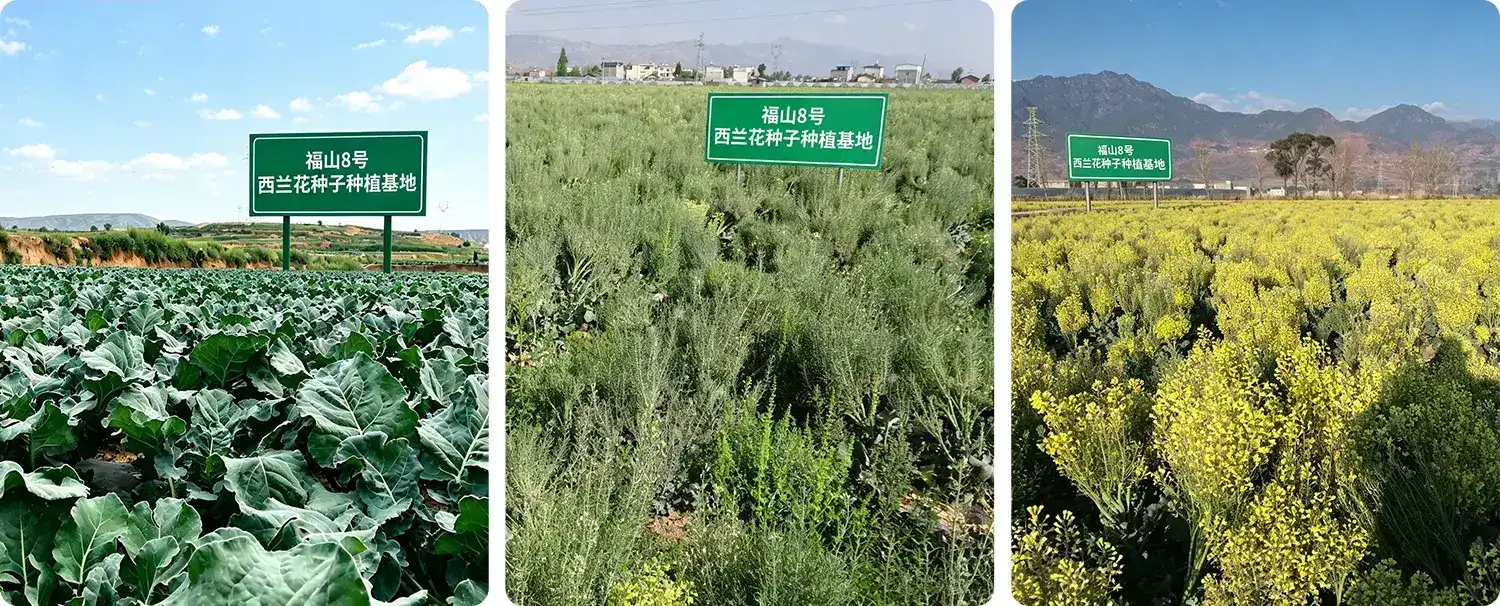
If you work in B2B nutrition sourcing, you already know how hard it is to find a standardized botanical ingredient that holds up across formulations, regulatory frameworks, and supply chain demands. Broccoli Seed Extract 14% Glucoraphanin answers that problem directly. Derived from Brassica oleracea var. italica seeds using a pure water extraction process, this light yellow fine powder delivers a verified ≥14% glucoraphanin concentration — confirmed by HPLC testing — making it one of the most consistent sulforaphane precursors available for commercial nutrition applications today. Backed by over 10 human clinical trials and 13 years of focused R&D, EXTRABROC® offers manufacturers a genuinely science-grounded ingredient option.
Understanding Glucoraphanin in Broccoli Seed Extract: Key Benefits and Mechanisms
The steady glucosinolate precursor that you can find in broccoli seeds is called glucoraphanin. It changes into sulforaphane when eaten, which is a strong Nrf2-pathway activator that starts the body's Phase II detoxification enzymes and antioxidant defense responses. This change depends on myrosinase activity, which can come from the microbiota in the gut or from outside sources.
How Sulforaphane Activates the Nrf2 Pathway?
The Nrf2 transcription factor can get into the cell nucleus when sulforaphane binds to the Keap1 protein. When Nrf2 is turned on, it turns on more than 200 genes that protect cells. The in vivo sulforaphane conversion rate of EXTRABROC® is ≥55.8%, which is backed up by controlled clinical data and not just estimates from in vitro studies.
Antioxidant and Immune Support Properties
Sulforaphane raises the production of glutathione and lowers oxidative stress factors in cells, according to a study that has been published. Because of these features, standardized glucoraphanin from broccoli seed extract is a reliable ingredient for products that target health-conscious customers and help the immune system, brain health, and cell protection.
Bioavailability Advantages Over Raw Broccoli Sprouts
The amount of glucosinolate in raw broccoli stems is famously unstable. That difference is taken away by a standardized extract at 14% glucoraphanin. Each batch gives a consistent amount of sulforaphane, which helps product formulators make accurate doses so they can make effective formulas that can be used again and again.
Comparative Insights: Choosing the Best Broccoli Seed Extract for Your Product Line
Of course, not every broccoli seed extract is the same. There are clear differences in how well your product works, how long it lasts, and how much it costs to make when you choose between different glucoraphanin amounts or between a precursor extract and finished sulforaphane.
14% vs. Lower Concentration Options
To get the same amount of active ingredient in a 10% or 13% glucoraphanin extract, higher inclusion rates are needed. This means that the capsules or servings need to be bigger. The 14% standardization makes the ingredients denser, which lets smaller delivery methods work. This is very helpful for pill makers who have to stick to standard fill weight limits.
Precursor Extract vs. Finished Sulforaphane
Sulforaphane that has been finished breaks down quickly in heat, light, and water. On the other hand, Broccoli Seed Extract 14% Glucoraphanin stays chemically stable at room temperature for up to 24 months. This difference in stability is important for companies that need to keep finished goods on hand for two years, which is normal in the dietary supplement business.
Powder Form, Purity, and Certification Requirements
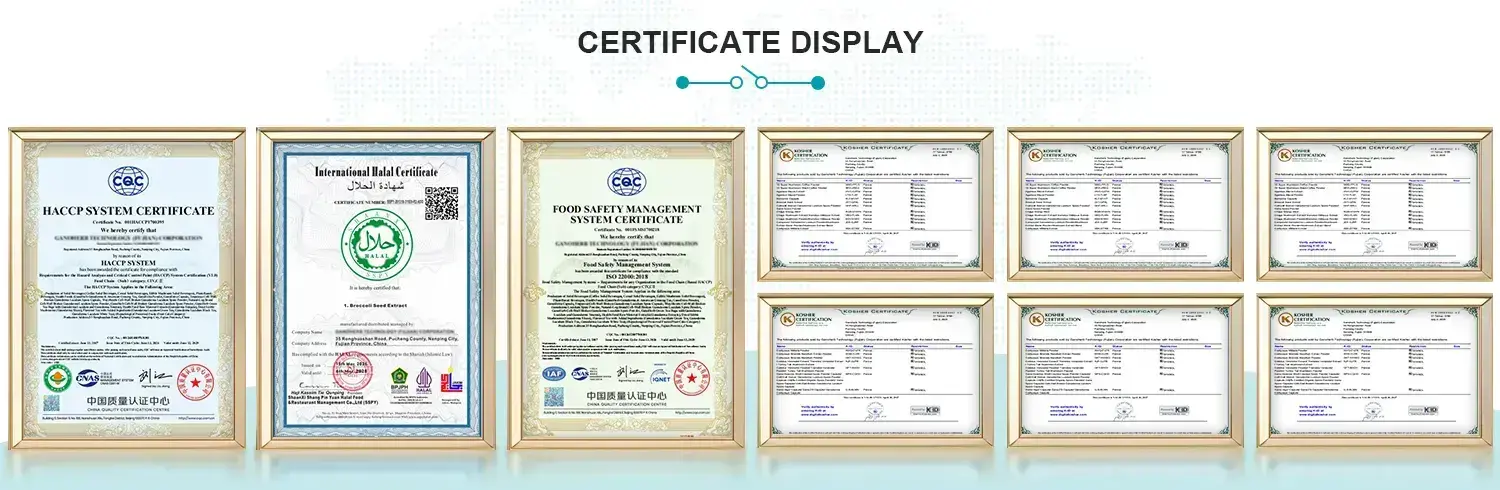
EXTRABROC®'s broccoli seed extract ships as a light yellow fine powder with particles that are ≥90% of the way through 180μm. It is certified by FDA, GMP, ISO22000, HACCP, and HALAL, and it meets the standards set by the US FDA GRAS and USP-NF pharmacopeias. These qualifications make it easier for companies to enter the US market, which is something that most buying teams want.
Practical Guide for Procurement: Sourcing Broccoli Seed Extract 14% Glucoraphanin at Scale
One of the biggest problems in the nutrition industry is getting more ingredients without lowering the quality standards. When looking for a glucoraphanin supplier, these are the things that experienced B2B buyers usually look at first.
Supply Capacity and Lead Time Planning
EXTRABROC® has a steady yearly production capacity of 50 tons, which makes it possible to fill large orders all year long. This ability is backed by a supply chain that includes growing seeds, extracting water, and making finished powder. This means that buyers don't have to worry about a single point of failure.
Quality Verification and Third-Party Testing Protocols
Before buying in bulk, buyers should ask for a Certificate of Analysis that shows the amount of glucoraphanin that has been tested using HPLC, as well as information on heavy metals (EXTRABROC® reports inorganic arsenic at 0.052 mg/kg) and microbes (Total Aerobic Bacterial Count: 280 cfu/g). These numbers come from actual batch data, not general limits. They give procurement teams a solid way to compare quality.
Logistics, Customs, and Storage Requirements
Freight going to the US can be sent by both air and sea with EXTRABROC® Broccoli Seed Extract 14% Glucoraphanin. The product needs to be kept in a cool, dry place that is out of direct sunlight and heat. With the right storage conditions, it can maintain its quality for 24 months. When buyers plan their quarterly inventory, they should include storage costs and customs wait times to make sure there aren't any gaps in supply for products that sell quickly.
Customized Ingredient Solutions: How Broccoli Seed Extract 14% Glucoraphanin Integrates with Nutrition Product Development
This extract can be used in a lot of different types of end products because it is standardized at 14% glucoraphanin. The ingredient can be used in a variety of ways, depending on the needs of your brand. It can be used for sports recovery, daily wellness, or clinical-grade supplementation.
In these main areas of use, this extract consistently does a good job:
- Dietary supplements and nutraceuticals: The extract works in tablets, capsules, and powders. Its high glucoraphanin density supports effective dosing within standard serving sizes, making it practical for once-daily supplement formats targeted at longevity and antioxidant-focused consumers.
- Functional beverages and wellness shots: Because the extract is produced via a clean water extraction process with no organic solvent residues, it integrates smoothly into beverage matrices. Its solubility profile supports clear liquid formats without significant sedimentation or flavor distortion.
- FSMP and sports nutrition: For Foods for Special Medical Purposes and sports nutrition applications, purity and traceability are non-negotiable. EXTRABROC®'s full traceability system — from seed to finished powder — and its exclusive pre-treatment process that removes allyl isothiocyanate ensure both safety and compliance at the ingredient level.
Because of these uses, the extract is a real multi-category element. EXTRABROC® gives more than just standard formulations. They can also customize formulas by changing the amount of ingredients, choosing the dosage form, and creating new combinations that meet the needs of each client's target market and legal requirements.
Conclusion
Broccoli Seed Extract 14% Glucoraphanin is a steady, well-studied material that can be used in a lot of different types of products. With full-chain traceability, confirmed in vivo conversion rates, and compliance with FDA GRAS and USP standards, it solves the real problems that B2B buyers have when they buy things: consistency, proof of effectiveness, and being ready for regulatory approval. EXTRABROC® has built this element from the ground up to meet the needs of businesses while staying true to science. It is the result of 13 years of research and development focused on Nrf2 and a team led by PhD-level scientists.
FAQ
Why choose 14% glucoraphanin over lower concentrations?
The 14% norm lets serving sizes be smaller while still getting the same amount of sulforaphane. It lowers the amount of ingredient needed per dose, which in turn lowers the weight of the capsules and the cost of packaging. This is helpful for manufacturers who need to balance cost-effectiveness with effectiveness.
How is glucoraphanin concentration verified?
High-Performance Liquid Chromatography (HPLC) is the main testing method used for EXTRABROC®. It is compared to an external potassium glucoraphanate standard. Each batch comes with proof that it has been checked for quality issues like heavy metals, glucoraphanin, particle size, and bacterial counts.
Is the extract stable during standard manufacturing processes?
Yes. Glucoraphanin is not affected by heat at normal settings for tableting and packaging, but sulforaphane is. When stored properly, the extract stays effective for 24 months, which is the standard shelf life for dietary supplements.
Does the extract contain myrosinase?
In order to keep things stable, the enzyme is usually turned off during the extraction process. A lot of formulators add an extra myrosinase source to boost the rate of conversion in living things. As part of special formulation projects, EXTRABROC® offers expert advice on this topic.
What regulatory documentation is available for US market entry?
EXTRABROC®'s broccoli seed extract is GRAS (generally recognized as safe) by the US Food and Drug Administration (FDA) and meets USP-NF pharmacopeia standards. It also meets the standards set by China's National Health Commission, which has named broccoli seed watery extract a New Food Raw Material. If you ask, you can get the full documentation.
Partner With EXTRABROC® for Your Next Glucoraphanin Sourcing Project
EXTRABROC® is a reliable source of Broccoli Seed Extract 14% Glucoraphanin. They have a proven 50-ton yearly supply capacity, patent-protected extraction technology, and a quality system based on science. For markets in the US and around the world, our team offers raw materials, helps with HPLC testing, customizes formulas, and writes up regulatory paperwork. Get in touch with us right away to get product specs, COA samples, or a unique quote. You can email us at info@extrabroc.com or go to extrabroc.com.
References
1. Fahey, J. W., Zhang, Y., & Talalay, P. (1997). Broccoli sprouts: An exceptionally rich source of inducers of enzymes that protect against chemical carcinogens. Proceedings of the National Academy of Sciences, 94(19).
2. Kensler, T. W., Egner, P. A., Agyeman, A. S., et al. (2013). Keap1–Nrf2 signaling: A target for cancer prevention by sulforaphane. Topics in Current Chemistry, 329.
3. Shapiro, T. A., Fahey, J. W., Dinkova-Kostova, A. T., et al. (2006). Safety, tolerance, and metabolism of broccoli sprout glucosinolates and isothiocyanates. Nutrition and Cancer, 55(1).
4. Egner, P. A., Chen, J. G., Zarth, A. T., et al. (2014). Rapid and sustainable detoxification of airborne pollutants by broccoli sprout beverage. Cancer Prevention Research, 7(8).
5. Bahadoran, Z., Mirmiran, P., & Azizi, F. (2013). Dietary polyphenols as potential nutraceuticals in management of diabetes: A review. Journal of Diabetes & Metabolic Disorders, 12(1).
6. Vanduchova, A., Anzenbacher, P., & Anzenbacherova, E. (2019). Isothiocyanate from broccoli, sulforaphane, and its properties. Journal of Medicinal Food, 22(2).