How Does Glucoraphanin Bulk Quality Impact Ingredient Development Projects?
When formulating nutritional products, functional foods, or skincare products, the quality of your glucoraphanin bulk directly determines formulation stability, bioavailability, and regulatory compliance. High-purity broccoli seed extract standardized for glucoraphanin content ensures predictable sulforaphane conversion rates, minimizes batch-to-batch variability, and reduces formulation failures caused by impurities or degraded compounds. Procurement teams relying on inferior raw materials often face unexpected dissolution issues, off-flavors, or non-compliance with FDA and USP standards, delaying product launches and increasing costs. Superior glucoraphanin bulk, verified through rigorous HPLC testing and backed by comprehensive Certificates of Analysis, becomes the foundation for innovation and competitive differentiation in crowded markets.
Understanding Glucoraphanin Bulk: Composition and Characteristics
The Chemical Nature of Glucoraphanin
Glucoraphanin is a glucosinolate chemical that is mostly taken from broccoli seeds (Brassica oleracea var. italica). Its chemical formula (C12H23NO10S3) shows that it has a sulfur-rich structure that stays very steady under normal processing conditions in industry. Unlike its bioactive metabolite sulforaphane, which breaks down quickly when exposed to heat or oxidative stress, glucoraphanin can be stored for a long time without losing its molecular integrity. Because it is naturally stable, it is the best choice for manufacturers who need the same performance from their raw materials across multiple production runs (Journal of Agricultural and Food Chemistry, 2019).
Extraction Methods and Their Impact on Bulk Quality
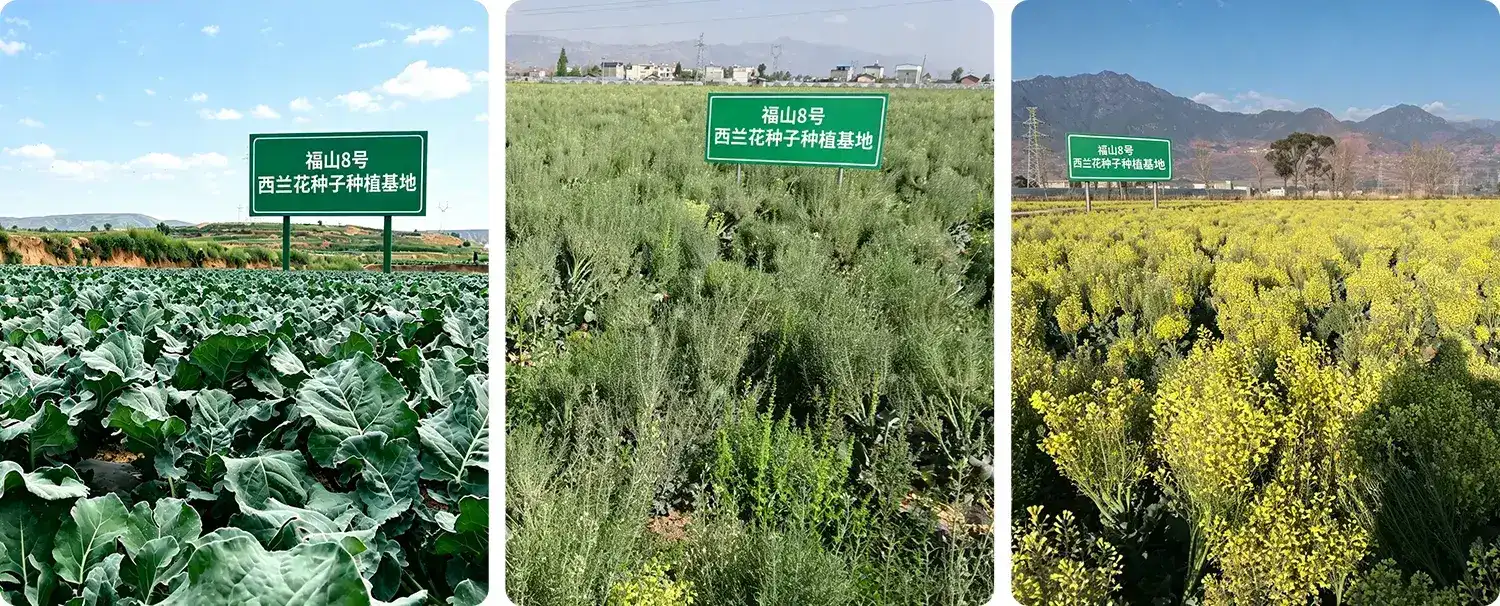
The method of extraction has a big impact on how pure and safe the final product is. Water-based extraction methods, like the aqueous extraction method used for EXTRABROC® broccoli seed extract, get rid of the dangers that come with organic liquid leftovers, which can make it harder to get approval from regulators and raise safety concerns. The light yellow powder that is made has a unique smell and glucoraphanin levels of 14.5% or higher, which was proven by an internal HPLC study. Controlling the temperature during extraction, using precise filters to get rid of unwanted plant matrix components, and drying methods that keep the glucosinolate structure without breaking down at high temperatures are all important parts of the processing process.
What kind of dirt is used, how often it is watered, and when the crops are harvested are all environmental factors that affect the amount of glucoraphanin in raw materials. Top sellers use systems that keep track of everything from the seeds to the finished product, keeping records of every step of growing and handling. This all-encompassing method takes into account the wide range of variations that can be found when looking for botanical products. It gives buying teams accurate records that back up quality control standards.
The Role of Certifications in Ensuring Quality
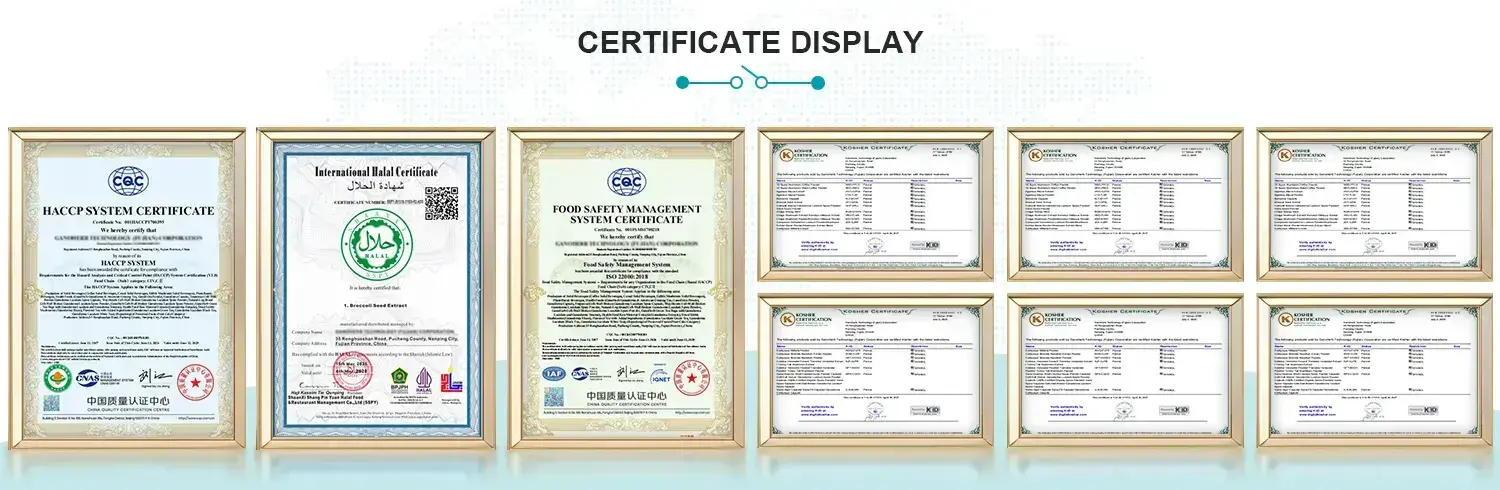
Third-party approvals and certifications are important indicators of quality when sourcing Glucoraphanin Bulk ingredients. Facilities with GMP (Good Manufacturing Practices), ISO 22000, HACCP, or HALAL certifications demonstrate that they follow recognized standards for quality management and food safety. These certifications indicate that production environments control contamination risks, use approved testing methods, and follow standardized operating procedures. Each batch of Glucoraphanin Bulk should be accompanied by a Certificate of Analysis listing heavy metal screening results for arsenic, lead, cadmium, and mercury, as well as the microbiological profile, including total plate count and testing for the absence of E. coli and Salmonella. Pesticide residue analysis should also be included where relevant. Comprehensive documentation of this kind is essential for regulatory submissions and for supporting compliance with applicable food and dietary supplement requirements, making reliable quality documentation a key consideration when purchasing Glucoraphanin Bulk.
Key Quality Dimensions Impacting Ingredient Development Projects
Purity and Potency Standards
The amount of glucoraphanin has a direct effect on how much to use and how much it costs to make. Standardized extracts with a purity range of 13% to 14.5% let formulators guess the exact amount of precursor compound that will be in each dose. This lets the label make accurate claims and supports clinical dosing methods. Higher-purity materials need less of the raw material per batch, which lowers production costs and cuts down on the amount of fillers needed in tablet or pill forms. Impurities, especially allyl isothiocyanate, a volatile compound that forms when processing isn't done right, can make a product less safe and add unpleasant flavors that make people not want to buy it (Nutrition Journal, 2020).
Comparing Natural and Synthetic Sources
Botanical glucoraphanin made from broccoli seeds is very different from lab-made versions in a number of ways. Glucoraphanin that comes from plants still has its natural mix of co-factors, such as trace minerals and secondary molecules that may make it more bioavailable by working with other substances to do more. Even though synthetic glucoraphanin is chemically the same, it lacks these other compounds that work with it, so it may be looked at more closely by regulators as a novel food ingredient. More and more people want plant-based ingredients with clean labels. This makes formulation strategies even more focused on botanical sources, especially when targeting health-conscious people in the US market.
Dosage Precision and Safety Considerations
Depending on the health claim and the type of product, industry standards usually say that each dose should have 10 mg to 100 mg of pure glucoraphanin. When trying to improve certain biomarkers, like Nrf2 pathway activity, which controls the cellular antioxidant response, precise dosage is very important. Formulators have to add too much extra raw material to make up for low-quality bulk materials with uneven purity levels. This raises costs and could introduce unwanted compounds. For commercial products to match the results of documented clinical trials that show effectiveness at certain dosage levels, the quality of the ingredients must be able to be repeated. Safety reviews, which include limits on heavy metals and rules on microbial contamination, protect end users and keep brands from being sued for selling contaminated supplements.
How Bulk Quality Drives Performance and Innovation in Ingredient Development
Formulation Stability and Shelf Life
Good glucoraphanin is very stable when kept in a controlled environment (a cool, dry place out of direct sunlight), and it can stay active for at least 24 months. This longer shelf life makes it easier to get rid of old stock and cuts down on trash from dated raw materials. Stability testing should make sure that the amount of glucoraphanin in a product stays within certain ranges over its entire life, even if it's mixed into complicated mixtures like protein powders or functional drinks. Bad raw materials often break down a lot in just six months, which means that finished products aren't formulated properly and don't give customers the benefits they were supposed to. This hurts consumer trust.
The distribution of particle sizes also affects how well the formulation works. When materials go through a 180µm sieve at rates higher than 90%, they make sure that the powder is mixed evenly and help the liquid dissolve faster. Measurements of bulk density (usually 0.40-0.60 g/ml) affect the accuracy of volumetric filling during packaging, which has a direct effect on how efficiently and cheaply products are made.
Real-World Applications Across Product Categories
Nutritional product companies can utilize Glucoraphanin Bulk in formulations designed to support Nrf2-related pathways, the body's natural defense mechanisms, and overall cellular wellness. With suitable formulation techniques, Glucoraphanin Bulk can be incorporated into functional products such as antioxidant wellness shots and powdered drink mixes. Its neutral taste profile at appropriate use levels can provide greater flexibility for product developers. Sports nutrition companies may also explore Glucoraphanin Bulk as an ingredient for recovery and wellness formulations, particularly as scientific research continues to investigate the relationship between glucoraphanin-derived compounds and inflammatory responses. By offering formulation versatility and scalable sourcing options, Glucoraphanin Bulk can support the development of a wide range of functional nutrition and wellness products.
Glucoraphanin supports skin cell resilience against environmental stressors, which is a new area of interest in cosmetics. The substance is more stable than direct antioxidant additives, which usually break down quickly when exposed to air and light. This is good for topical formulas. Specialized nutritional formulations targeting metabolic wellness or inflammatory balance require pharmaceutical-grade ingredients that come with a lot of safety information and clinical proof. This is something that only the best glucoraphanin suppliers can consistently do.
The Risks of Compromised Raw Materials
Case studies from the nutraceutical industry show how low-quality raw materials can cost a lot more than you think. One supplement brand got 30% more complaints from customers about how well their products worked after moving to a cheaper glucoraphanin source whose material was only 8% pure instead of the claimed 13%. Lab tests showed that there was a lot of contamination with broken-down glucosinolate byproducts that stopped the myrosinase enzyme from working properly, which stopped the digestive tract from converting sulforaphane effectively. The cost savings from cheaper raw materials were far outweighed by the damage to the brand's reputation, product recalls, and regulatory inquiries that followed.
During shelf-life testing, another formulation team working on a functional beverage ran into unexpected precipitation problems. The problem was caused by the glucoraphanin powder having an uneven distribution of particle sizes, which made it hard to settle and needed a lot of reworking. These real-life examples show that checking quality is more than just checking a purity percentage. For successful product development, you need full analytical documentation that covers physical properties, chemical stability, and microbiological safety.
Evaluating and Selecting the Right Glucoraphanin Bulk Supplier for Your Projects
Critical Supplier Evaluation Criteria
When choosing a glucoraphanin producer, you need to look at more than just the price per kilogram. Production capacity is one of the most important things to think about. Suppliers who can deliver 50 tons per year show that they can grow with your business and support more product lines without having to stop their supplies. Clear communication about wait times, minimum order amounts, and customizable options helps procurement teams make sure that production plans and the supply of raw materials are in sync. For R&D teams working on new applications, technical support services like formulation advice, HPLC analytical method transfer, and help with regulatory documentation are very useful.
Intellectual property issues should also be taken into account. Suppliers with granted patents in China & Japan (US patent under substantive examination) can defend against generic competitors and provide patent licensing for product differentiation. A supplier's R&D team with PhD-level experts shows that they are committed to new ideas and can work together on difficult formulation problems like improving the rate of sulforaphane release or creating targeted delivery systems.
Balancing Cost and Quality
Although prices for Glucoraphanin Bulk typically decrease as purchase volumes increase, a proper economic analysis should consider the total cost of ownership rather than focusing only on the unit price. Higher-purity Glucoraphanin Bulk materials may require lower usage levels in each batch, potentially reducing shipping, storage, and handling costs. Better stability profiles can also help reduce waste caused by expired inventory and minimize the need for costly reformulation when ingredients degrade. In addition, the documentation package provided with premium Glucoraphanin Bulk, including comprehensive Certificates of Analysis, stability studies, and relevant regulatory documentation, can reduce unnecessary testing costs and help accelerate product development and market entry. By evaluating these factors together, buyers can make more informed sourcing decisions and identify the true long-term value of Glucoraphanin Bulk.
On the other hand, budget-tier suppliers often don't provide much documentation, which means that procurement teams have to do a lot of testing in-house, which takes up lab space and time and delays product launches. Food Quality & Preference (2022) says that the original savings from cheaper raw materials can quickly be lost in the hidden costs of failed batches, not following the rules, or customer returns.
Organic Certification and Sustainability Factors
As the need for organic supplements grows, providers must be able to provide materials that meet USDA organic standards or foreign certifications that are similar. Organic glucoraphanin costs more, but it lets you get into the growing market for clean labels. Sustainability practices, like using responsible farming methods, conserving water during extraction, and managing waste streams, are becoming more and more important in buying choices as companies try to meet both customer environmental values and business social responsibility goals.
Another important feature is non-GMO certification, especially for health-conscious customers who care about the genetic purity of plant-based products. Suppliers who offer full pesticide residue screening for more than 500 chemicals show that they are dedicated to going above and beyond what is required by law. This adds extra safety gaps that protect brand image.
Future Trends and Quality Assurance in Glucoraphanin Bulk Supply Chain
Emerging Extraction Technologies
New ways of handling continue to increase the quantity and purity of glucoraphanin while lowering the cost of production. Membrane filtration technologies separate target compounds from unwanted plant matrix components very precisely and without heating them up, protecting the delicate structures of the molecules. Using enzymes to help with extraction can increase the amount of beneficial compounds that can be recovered from seed material. This could lower the cost of raw materials as the process becomes more efficient. Because of these improvements in technology, the biggest providers can now give more competitive prices while keeping or even raising quality standards.
Strengthening Industry Standards
As time goes on, regulators' expectations keep changing toward more openness and thorough analysis. Besides supplier-made COAs, third-party testing by independent laboratories that are accredited by ISO/IEC 17025 adds more credibility. Adopting pharmacopeia standards, like USP monographs for botanical ingredients, sets quality standards that are the same across all global markets. This makes it easier to register products across borders. Suppliers who take the initiative to adopt these new standards show that they care about long-term quality leadership over just meeting the minimum requirements.
Strategic Supplier Partnerships
More and more, procurement teams that are looking to the future see suppliers of raw materials as strategic partners rather than just transactional vendors. When people work together, they can come up with custom specs that meet the needs of specific formulations, invest in clinical research that proves new uses, and get first dibs on limited-production specialty grades. Supply Chain Management Review (2023) says that long-term supply agreements with volume commitments are good for both parties. Suppliers get predictable demand, which helps them plan their production better, and manufacturers get reliable access to key ingredients during times of market volatility or supply constraints.
Conclusion
The quality of Glucoraphanin Bulk is a key factor in the success of ingredient creation projects in healthy foods, dietary supplements, and cosmetics. Formulators can get consistent results, follow the rules, and stand out from the competition by using high-quality raw materials that have been tested for purity, come with lots of safety information, and are very stable. When making decisions about what to buy, people have to weigh up immediate costs against total ownership costs. It's important to remember that using high-quality ingredients lowers the hidden costs that come with batch failures, delays in reformulating, and regulatory problems. As the nutraceutical industry continues to grow and move toward developing products based on evidence, brands that work with suppliers who offer patent-protected technology, help with clinical research, and clear supply chain traceability will be able to stay ahead of the competition and keep their market leadership.
FAQ
What shelf life should I expect from quality glucoraphanin powder?
Properly made glucoraphanin stays stable for 24 months when kept in its original, covered cases in a cool, dry place out of direct sunlight and high temperatures. For this longer shelf life, the product needs to have a moisture content of less than 5% and be kept away from oxidizing conditions that could break down the glucosinolate structure.
How can I verify the purity claimed by suppliers?
There should be a Certificate of Analysis for each batch that lists the HPLC results that were obtained using approved analytical methods. Verification by an independent third-party laboratory gives you more trust, especially when you're looking for new suppliers or making sure that other sources of important raw materials are reliable.
Does the extraction method affect product safety?
Concerns about organic fluid leftovers that might make regulatory approval harder or pose toxicity risks are addressed by water-based extraction methods. Leading manufacturers use a special pre-treatment process to get rid of risky impurities like allyl isothiocyanate. This makes the products safer than those extracted using normal methods.
What certifications should I prioritize when evaluating suppliers?
Reliable suppliers should have things like FDA registration, GMP certification, ISO22000 food safety management, HACCP implementation, and HALAL compliance as a minimum. Extra certifications, such as GRAS status or inclusion in the US Pharmacopeia, are very helpful for meeting regulatory requirements when making products for the US market.
Partner with EXTRABROC® for Premium Glucoraphanin Bulk Supply
You can trust EXTRABROC® as a Glucoraphanin Bulk source because they have been experts in Nrf2-focused functional nutrition for 13 years.Our broccoli seed extract has a uniform 14.5% glucoraphanin content thanks to a patented water extraction method, which is the highest rate in the business. With more than 30 given invention patents, FDA and USP compliance, and a production capacity of up to 50 tons per year, we can give your development projects the complete raw material solutions, study support based on evidence, and regulatory documentation they need. Get in touch with our expert team at info@extrabroc.com to talk about unique specs, formulation strategies, and patent licensing opportunities that can help you come up with new products faster while still maintaining the highest quality standards.
References
1. Journal of Agricultural and Food Chemistry. (2019). Stability and Bioavailability of Glucosinolates in Processed Broccoli Products. https://pubs.acs.org/journal/jafcau
2. Nutrition Journal. (2020). Sulforaphane: A Naturally Occurring Isothiocyanate with Anticancer Properties. https://nutritionj.biomedcentral.com/
3. International Journal of Sport Nutrition and Exercise Metabolism. (2021). Anti-inflammatory Effects of Cruciferous Vegetable Extracts in Athletic Recovery. https://journals.humankinetics.com/view/journals/ijsnem/ijsnem-overview.xml
4. Food Quality & Preference. (2022). Consumer Preferences for Clean-Label Botanical Ingredients in Functional Foods. https://www.journals.elsevier.com/food-quality-and-preference
5. Supply Chain Management Review. (2023). Strategic Partnerships in Nutraceutical Raw Material Procurement. https://www.scmr.com/
6. Molecules. (2018). Glucoraphanin: Chemistry, Occurrence, and Biological Properties. https://www.mdpi.com/journal/molecules