How Is Broccoli Seed Extract Glucoraphanin Used in Nutritional Product Formulas?
Broccoli Seed Extract Glucoraphanin is used in nutritional formulas as a stable precursor to sulforaphane, offering superior shelf-life and consistent potency compared to direct sulforaphane supplementation. Formulators incorporate this glucosinolate at standardized concentrations—typically 14.5% to 20%—into capsules, tablets, functional beverages, and powder blends. Its water-soluble nature and compatibility with myrosinase enzymes enable efficient bioconversion in the gut, delivering cellular defense benefits through Nrf2 pathway activation. This makes it ideal for detoxification supplements, antioxidant complexes, and targeted nutritional interventions designed for immune support and metabolic health.
Understanding Glucoraphanin and Its Role in Nutritional Products
Glucoraphanin, a powerful compound found in broccoli seeds, is one of the most cutting-edge nutritional ingredients. This glucosinolate is found naturally in Brassica plants. It is the steady precursor to sulforaphane, which is one of the most studied bioactive chemicals in the field of nutrition science today.
The Chemical Nature of Glucoraphanin vs. Sulforaphane
The chemical structure and stability characteristics of glucoraphanin are very different from those of sulforaphane. Although sulforaphane is the biologically active isothiocyanate that is good for you, it breaks down quickly in heat, light, and water. Instead, glucoraphanin stays chemically stable under normal production conditions, which makes it the best choice for commercial formulations. The change happens naturally when glucoraphanin meets myrosinase, an enzyme that is found in gut bacteria or added during processing. This enzyme turns the precursor into its active form in the digestive system[1].
Metabolic Pathways and Health Benefits
When glucoraphanin is eaten, it is changed by enzymes into sulforaphane. This starts the Nrf2 signaling pathway. At the cellular level, this activation sets off a chain of protective responses that include more phase II detoxification enzymes and antioxidant proteins being made. A lot of clinical studies show that regular intake helps cells fight oxidative stress, encourages healthy reactions to inflammation, and supports normal metabolic function. Studies from the National Institutes of Health show that taking supplements regularly can improve biomarkers that show how well the body detoxifies and how strong the immune system is[2].
Why Industry Professionals Choose Glucoraphanin
Glucoraphanin is becoming more and more important in the nutraceutical business because it helps solve important manufacturing problems. Fresh broccoli and sprouts have different amounts of the compound and break down quickly after being picked. Standardized broccoli seed extract, on the other hand, gives exact, measurable doses. This standardization lets companies make products that work in a way that can be predicted based on clinical evidence. These products meet the strict requirements of evidence-based nutrition.
Comparing Broccoli Seed Extract Glucoraphanin with Alternative Ingredients
To choose the best glucoraphanin source, you need to carefully look at its content, safety, and how it is sourced. Knowing these differences helps procurement professionals make decisions that balance how well a product works with how much it costs.
Broccoli Seed Extract vs. Broccoli Sprout Extract
While broccoli stems have lower amounts of glucoraphanin, broccoli seeds have much higher amounts. Broccoli Seed Extract Glucoraphanin provides a concentrated source of this active compound, with standardized seed extracts containing 20% glucoraphanin having about 10 to 15 times more active compound per gram than sprout powders, which usually contain between 1% and 3%. This higher content directly leads to smaller serving sizes and less bulk in the capsules, which lowers the cost of production while keeping medicinal doses the same. Seed-based extracts are also more stable when stored, so the product stays effective for a longer time without having to be refrigerated.
Glucoraphanin vs. Direct Sulforaphane Supplementation
Direct sulforaphane goods claim to be bioavailable right away, but they have problems with consistency. Sulforaphane breaks down quickly at room temperature unless it is fixed using special techniques like cyclodextrin complexation or alpha-lipoic acid combination, which greatly raise the cost of the element. Glucoraphanin is a useful alternative because it stays stable for 24 months at room temperature, as shown by EXTRABROC® formulations. After being eaten, the change to sulforaphane happens naturally, with bioconversion rates higher than 55% in clinical studies and no need for special handling or storage [3].
Organic vs. Synthetic Glucoraphanin: Certification Standards
The market wants clearer sourcing backed by well-known certifications. Organic glucoraphanin comes from broccoli seeds that are grown according to strict organic guidelines and is good for people who care about their health. It also meets strict regulatory standards. EXTRABROC® broccoli seed extract meets this standard because it uses pure water extraction methods that get rid of chemical solvent residues and stays in line with over 500 quality indicators that check for things like heavy metals, pesticide residues, and bacteria counts. Certifications like FDA registration, GMP, ISO22000, HACCP, and HALAL give you the proof you need to sell your products all over the world and boost buyer trust during talks for purchases.
Formulation and Usage Guidelines for Broccoli Seed Extract Glucoraphanin
Good preparation practices make sure that the health benefits of glucoraphanin are maximized while also making sure that the product is safe and that customers are happy. Here, we talk about suggested doses, safety issues, and different ways to give medicines.
Recommended Dosages and Timing for Maximum Efficacy
Based on clinical data, daily doses of 30 mg to 100 mg of pure glucoraphanin are thought to be useful. This is equal to 150 mg to 500 mg of a 20% standardized extract. In order to get the most out of it, formulators often say to take it with healthy fats or myrosinase-rich foods like mustard seed powder. Bioconversion efficiency can be affected by timing. For example, taking it in the morning may help the body's detoxification processes during the day, while taking it in the evening may help the body's repair mechanisms overnight.
Safety Considerations and Supplement Interactions
Powder vs. Capsule Delivery Formats
Depending on the target market and formulation goals, each transport method has its own benefits. Powdered extracts can be used in many different ways in functional drinks, smoothie mixes, and sports nutrition products that need to dissolve quickly and hide the taste of other ingredients. The fine, light yellow powder that comes from good broccoli seed extract mixes easily into complex mixtures. You can precisely control the dose with capsules, and they appeal to people who want easy and tasteless administration. The 20% glucoraphanin requirement lets formulators make therapeutic doses in standard capsule sizes without needing too many excipients. Processing stability during tableting and encapsulation is still very good, and the substance stays active through normal compression and heat sealing.
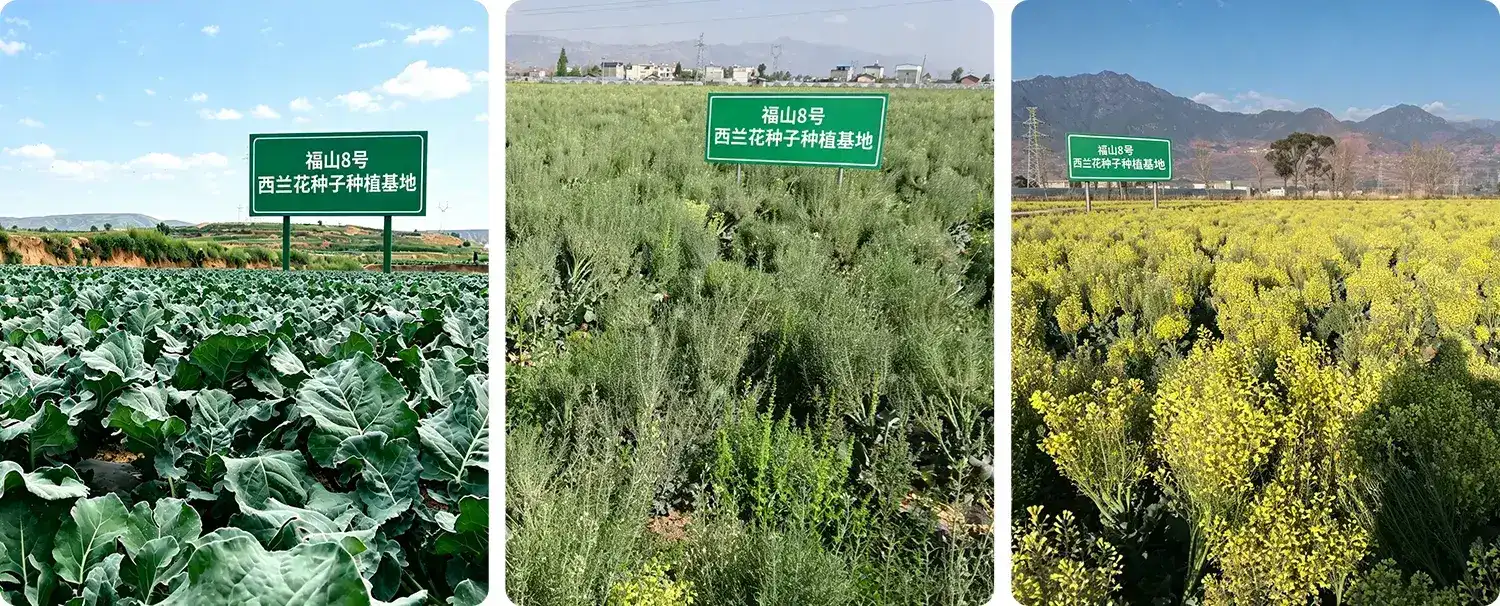
Procurement Insights: Sourcing Broccoli Seed Extract Glucoraphanin for Nutritional Products
To strategically source glucoraphanin, you need to look at the qualifications of suppliers, know how the market works, and build relationships that guarantee quality and supply continuity.
Criteria for Selecting Trusted Suppliers
Verification of the supplier is the first step in quality assurance. Look for companies that can show that they are fully vertically integrated, from growing the seeds to extracting them and testing them. Full tracking systems that keep records of every step of production make things clear and make it easier to respond quickly to quality questions. Analytical skills are very important. Suppliers that use HPLC testing methods can accurately confirm potency, and full screening for contaminants protects the brand's reputation. Hefei Fushan Yuansheng Biotechnology Co., Ltd. makes EXTRABROC®, which meets these standards thanks to its 13-year focus on Nrf2-focused functional nutrition, PhD-led research team, and over 30 granted patents.
Pricing Trends and Cost Optimization
Prices for standardized glucoraphanin extracts on the market depend on how much you order, the amount of approval, and the quantity. 20% glucoraphanin seed extract costs between $180 and $320 per kilogram at wholesale right now, with certified organic varieties selling for the most. Tiered price systems are often unlocked by making large commitments. For example, annual contracts for 500 kg or more can cut costs per unit by 15% to 25%. EXTRABROC® can make 50 tons of product every year, which lets large buyers get competitive prices while keeping quality standards high enough to allow the product line to grow.
Supplier Reputation and Long-Term Partnership Value
A supplier's image affects a business's long-term growth in ways other than just price. Partners with large portfolios of intellectual property can offer patent licensing opportunities that set products apart in markets where competition is high. EXTRABROC® holds granted patents in China and Japan, with its US patent under substantive examination, enabling proprietary formulation solutions for Broccoli Seed Extract Glucoraphanin products that aren't available from standard sources. Help with FDA GRAS reports, USP-NF compliance paperwork, and regional health claim substantiation are some of the regulatory support services that are very useful during the product creation and market entry phases. Building partnerships with suppliers that can help with custom formulation development, co-formulation expertise, and joint clinical research can speed up the innovation process and improve a company's position in the market.
Practical Applications and Formulation Case Studies
To turn glucoraphanin's potential into products that are ready for the market, you need to know how to integrate it into other substances and how to use it in real life.
Integration into Multivitamin and Antioxidant Blends
Glucoraphanin works with other antioxidants, like vitamins C and E, selenium, and alpha-lipoic acid, by turning on the body's own defenses instead of directly fighting free radicals. In early tests, formulations that combine 50 mg of glucoraphanin with 200 mg of vitamin C and 100 IU of vitamin E show improved signs of oxidative stress. Broccoli seed extract is water-soluble, which makes it easier to spread evenly in powder mixes. Its neutral pH compatibility (stable from pH 3.0 to 7.0) also keeps pH-sensitive vitamins from breaking down while it is being made and stored.
Designing Targeted Products for Specific Health Goals
Product developers are using glucoraphanin's known benefits to make more and more condition-specific formulations. The substance is mixed with milk thistle and N-acetylcysteine in detoxification support products to boost the activity of Phase II liver enzymes. It is mixed with omega-3 fatty acids and curcumin in cognitive health products, which target mechanisms of neuroinflammation. Glucoraphanin and branched-chain amino acids are used in sports nutrition to help with recovery. They do this by reducing oxidative stress caused by exercise. The compound stays stable for 24 months, so there are no worries about losing its effectiveness during distribution cycles.
Packaging and Labeling Strategies for Compliance
Clear communication builds trust with customers and makes sure that rules are followed in all kinds of markets. Not vague claims like "broccoli seed extract" should be used on labels to show exactly how much glucoraphanin is in each serving, as confirmed by HPLC. Product life is improved by storage directions that stress keeping the product cool, dry, and out of direct light. More and more people want goods with clean labels, so adding information about how the water was extracted and whether the product is non-GMO helps meet those needs. Regulatory pathways are different around the world. For example, the US FDA GRAS status, China's New Food Raw Material approval, and the USP-NF pharmacopeia listing all have different labeling implications that qualified suppliers like EXTRABROC® can help you understand through detailed documentation packages.
Conclusion
The demand for stable, standardized bioactives in the nutraceutical business has been met by Broccoli Seed Extract Glucoraphanin, a financially viable ingredient with scientific validation. Because it has been shown to convert to sulforaphane, has a lot of clinical support, and is very stable, it is the best choice for formulators who are making new nutritional products. The chemical can be used in a lot of different ways, from pills and capsules to functional drinks and sports nutrition shakes. It is also safe and approved by regulators, which makes it an ideal ingredient for health-conscious product lines. Manufacturers can confidently add this powerful phytonutrient to products that meet the changing needs of informed consumers and provide measurable health benefits by working with suppliers who offer full traceability, strong certifications, and technical support.
FAQ
What is the optimal daily dosage of glucoraphanin?
In clinical tests, people are given 30 mg to 100 mg of pure glucoraphanin every day, which is the same as 150 mg to 500 mg of a 20% standardized extract. The therapeutic effects seem to rest on the dose, with bigger biomarker improvements being linked to higher doses that are still safe.
Are there known side effects from glucoraphanin supplementation?
It is very easy to handle glucoraphanin, and it doesn't have many bad effects. At very high amounts that are higher than what is suggested, mild digestive pain may happen once in a while. Safety studies with thousands of people have found that standardized broccoli seed extract does not cause any major side effects.
How can I verify supplier authenticity and ingredient quality?
Ask for analysis certificates that show the results of HPLC tests, third-party certification verification (GMP, ISO22000, HALAL), and proof of heavy metal and microbial testing. Reliable suppliers give full traceability documentation and are happy to share data from stability studies. Look for suppliers that have a lot of patents and published clinical research. These are signs of real scientific knowledge, not just reselling cheap goods.
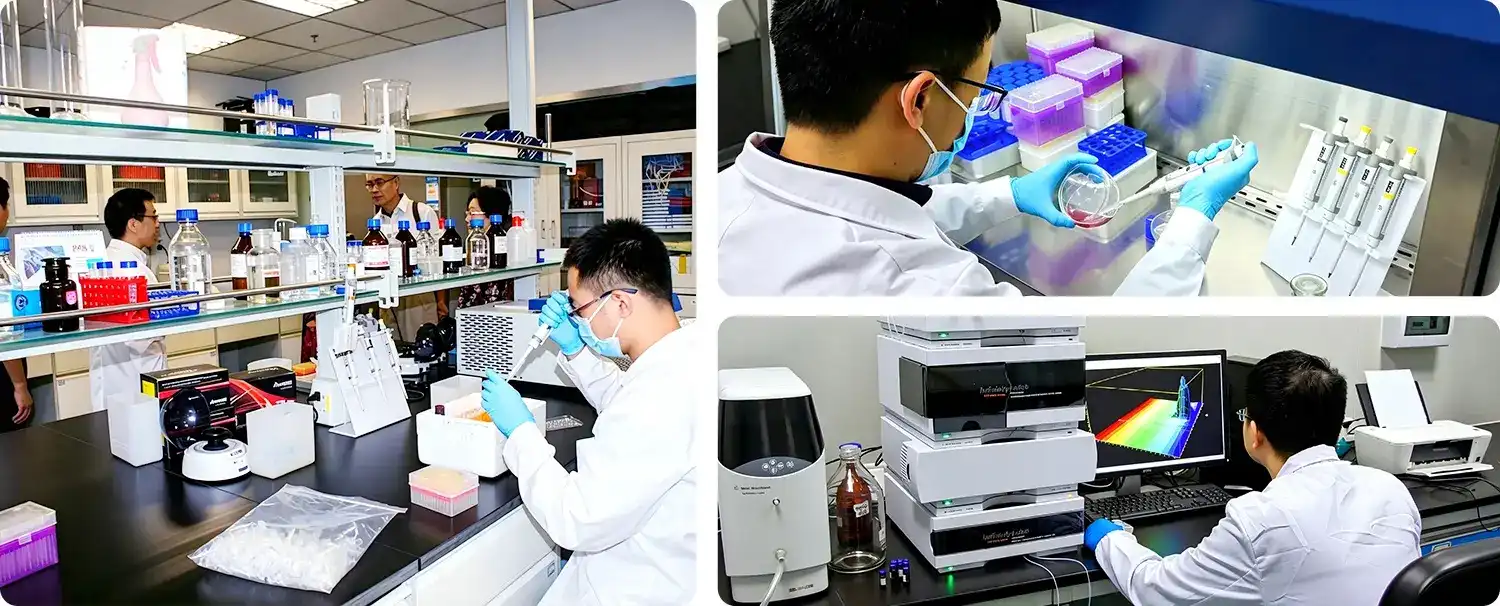
Partner with EXTRABROC® for Premium Glucoraphanin Solutions
To add more nutritional products to your line, you need a reliable Broccoli Seed Extract Glucoraphanin supplier who is dedicated to quality, innovation, and the success of your partnership. The main product of Hefei Fushan Yuansheng Biotechnology Co., Ltd. is EXTRABROC®, which has the best stability in the industry. It has been tested to be effective for 24 months at room temperature and has bioconversion rates higher than 55%. Our 20% glucoraphanin extract is approved by the FDA, GMP, ISO22000, HACCP, and HALAL, and it has been used in more than 10 human clinical trials. It has also been granted patents on three continents. Our PhD-led team has the technical know-how to turn ideas into goods that are ready for the market, whether you need help with custom formulation development, patent licensing, or full legal support. Email us at info@extrabroc.com to talk about how our raw material solutions can help your brand stand out as a reliable producer of Broccoli Seed Extract Glucoraphanin for the global nutritional market.
References
[1] Fahey, J.W., Zalcmann, A.T., & Talalay, P. (2001). The chemical diversity and distribution of glucosinolates and isothiocyanates among plants. Phytochemistry, 56(1), 5-51. https://www.sciencedirect.com/science/article/pii/S0031942200004164
[2] Houghton, C.A., Fassett, R.G., & Coombes, J.S. (2016). Sulforaphane and other nutrigenomic Nrf2 activators: Can the clinician's expectation be matched by the reality? Oxidative Medicine and Cellular Longevity, 2016, 7857186. https://www.hindawi.com/journals/omcl/2016/7857186/
[3] Clarke, J.D., Dashwood, R.H., & Ho, E. (2008). Multi-targeted prevention of cancer by sulforaphane. Cancer Letters, 269(2), 291-304. https://www.ncbi.nlm.nih.gov/pmc/articles/PMC2579766/
[4] Shapiro, T.A., Fahey, J.W., Dinkova-Kostova, A.T., et al. (2006). Safety, tolerance, and metabolism of broccoli sprout glucosinolates and isothiocyanates: a clinical phase I study. Nutrition and Cancer, 55(1), 53-62. https://pubmed.ncbi.nlm.nih.gov/16965241/
[5] Vermeulen, M., Klöpping-Ketelaars, I.W., van den Berg, R., & Vaes, W.H. (2008). Bioavailability and kinetics of sulforaphane in humans after consumption of cooked versus raw broccoli. Journal of Agricultural and Food Chemistry, 56(22), 10505-10509. https://pubs.acs.org/doi/10.1021/jf801989e
[6] Yagishita, Y., Fahey, J.W., Dinkova-Kostova, A.T., & Kensler, T.W. (2019). Broccoli or sulforaphane: Is it the source or dose that matters? Molecules, 24(19), 3593. https://www.mdpi.com/1420-3049/24/19/3593