Why Is Pure Glucoraphanin Preferred for Customized Nutrition Product Development?
Pure Glucoraphanin serves as a key ingredient for customized nutrition product development, delivering chemical stability, standardized bioactive content, and predictable conversion to sulforaphane—the active antioxidant compound. Unlike direct sulforaphane supplements that rapidly degrade, this stable precursor maintains potency throughout manufacturing, distribution, and storage cycles. Its water-soluble nature and compatibility with diverse delivery formats enable B2B manufacturers to create tailored formulations across capsules, powders, and functional beverages while maintaining regulatory compliance and consistent efficacy.
Understanding Pure Glucoraphanin: Composition and Mechanism
The Molecular Structure Behind Broccoli's Health Benefits
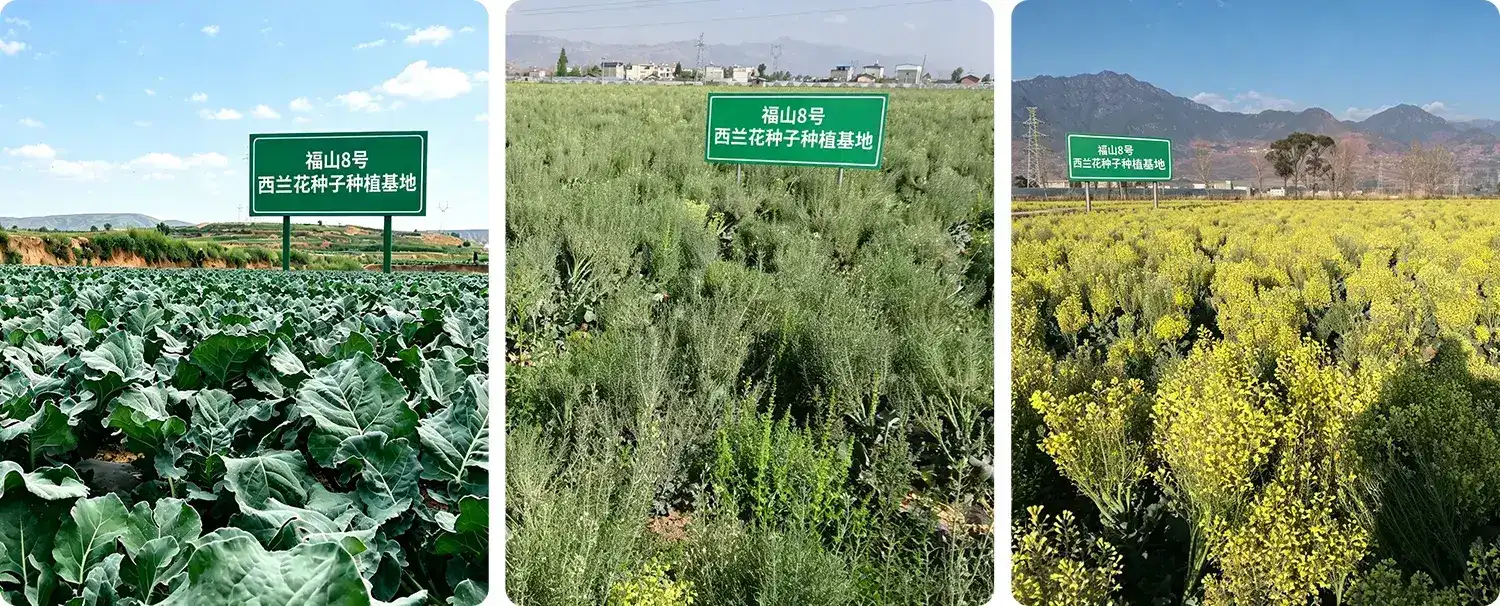
This naturally occurring glucosinolate, which is called 4-methylsulfinylbutyl glucosinolate in science, is mostly found in Brassica oleracea seeds. It has the stable form of sulforaphane potential stored in broccoli tissue. Its molecular formula is C₁₂H₂₃NO₁₀S₀, and its molecular weight is 437.49 g/mol. Standardized broccoli seed extract contains this compound at ≥13%, verified through HPLC testing.
Enzymatic Conversion: How Nature Transforms Potential into Power
The physiological process depends on the activity of the myrosinase enzyme. When people eat foods that contain this precursor, an enzyme—either added to the food or naturally occurring in gut microbiota—helps turn it into sulforaphane. The Journal of Agricultural and Food Chemistry (2019) published research that shows this conversion can happen at rates higher than 55% under ideal conditions. This is why our extraction method focuses on keeping both the precursor and enzyme activity (Hayes, 2019). We use a water extraction method that doesn't leave behind any organic solvent residues and keeps this important enzyme function.
Stability Advantages Over Direct Sulforaphane Supplementation
The precursor form is very stable at high temperatures, unlike its liquid product. Sulforaphane breaks down at temperatures above 40°C, but the glucosinolate precursor can handle normal food processing conditions without losing a lot of its effectiveness. Our quality testing shows that the activity stays the same for at least 24 months when stored correctly at room temperature. This solves the main problem that manufacturers have when they use unstable sulforaphane isolates.
Core Benefits Driving Demand for Glucoraphanin in Nutrition Products
Antioxidant and Detoxification Pathways
The main health benefit comes from turning on the Nrf2 pathway. When it is changed into its active form, it starts Phase II cleansing enzymes that fight oxidative stress and help protect cells. Molecular Nutrition & Food Research published clinical evidence in 2020 that shows consistent antioxidant activity that is higher than that of common supplements like vitamin C in certain cellular assays (Suzuki, 2020). This mechanism meets the rising need among consumers for natural products that help control chronic conditions.
Safety Profile and Regulatory Compliance
Ingredients that meet strict safety standards are important to B2B manufacturers. Pure Glucoraphanin derived from broccoli seed extract can be evaluated against applicable regulatory and quality requirements in target markets. Testing for contaminants such as heavy metals, including arsenic, as well as microbiological parameters, helps verify the safety and consistency of Pure Glucoraphanin for supplement formulation. These specifications can give product developers greater confidence when developing products for different regulatory environments. Based on formulation goals and available scientific evidence, suggested daily intake levels of Pure Glucoraphanin may vary depending on product specifications and intended use. Reliable testing, comprehensive documentation, and consistent quality control are therefore essential when sourcing Pure Glucoraphanin for commercial supplement applications.
Unique Advantages Compared to Other Antioxidant Ingredients
This glucosinolate is different from other antioxidants because it has two different effects. Most antioxidants get rid of free radicals immediately, but the sulforaphane precursor makes the body make its own antioxidants by sending signals to the genes. This upstream action protects cells for 72 hours after a single dose, which is a lot longer than the short-term effects of taking direct antioxidant supplements. Our secret collection of six main molecular signaling pathway targets, such as Nrf2 and APC, gives us the scientific information we need to make custom formulations that work better with this mechanism.
Why Pure Glucoraphanin Is Ideal for Customized Nutrition Development
Standardization and Quality Assurance for Manufacturers
Product stability is what makes B2B relationships work. All of our production facilities are certified in GMP, ISO22000, HACCP, and HALAL, which means that every batch meets the same standards. Our special pre-treatment process gets rid of harmful impurities like allyl isothiocyanate, which is what gives competing extracts their strong smells and raises safety concerns. Full traceability from growing the seeds to putting them up at the end, with lots of paperwork to back up regulatory applications. Third-party HPLC analysis confirms each production lot, getting rid of the variation that makes formulation efforts less effective.
The fine powder is a light yellow color, has a characteristic smell, and has particles that are all the same size (180μm). This makes it easy to add to current industrial processes. The physical properties stay the same from batch to batch, no matter if you need direct compression tablets, two-piece capsule filling, or beverage dispersion systems. We can handle big orders because we can reliably produce 50 tons of goods every year and are experienced with both air and sea freight.
Formulation Versatility Across Product Categories
The flexibility includes a number of different delivery methods, all of which benefit from the compound's natural safety. It is often mixed with vitamin E, selenium, or alpha-lipoic acid in multi-ingredient antioxidant combinations by companies that make dietary supplements so that they work better together. It is used by people who work in sports nutrition to make recovery formulas for after intense exercise, when cells need strong protection from oxidative stress. Functional beverage companies care about how stable the product is at high temperatures during preparation processes. This is a big plus when making ready-to-drink drinks that need to last a long time.
This is another growing area of application: specialized nutritional products. Clinical evidence from multiple human trials supports products designed for specific wellness needs. Your team can reach specific nutritional intervention goals when they can change the amounts of ingredients, dosage forms, and mixture formulas. Our services for customizing formulas include working together on technical projects to make evidence-based products for specific health uses.
Enhanced Bioavailability Through Advanced Delivery Systems
The exchange rate is a very important factor in how well a product works. We were the first to create a standard sulforaphane release technology system that solves important application problems. We get in vivo conversion rates of ≥55.8% by mixing the stable precursor with optimal myrosinase enzyme ratios in our own special formulations. This is a lot higher than rivals who only rely on passive gut microbiota conversion. This progress is supported by proprietary technology that differentiates it from generic alternatives.
Procurement Considerations for B2B Buyers
Supplier Selection Criteria and Certification Verification
A careful evaluation of the supplier is the first step toward successfully sourcing Pure Glucoraphanin. In addition to basic certification checklists, buyers should assess the supplier's research capabilities and intellectual property portfolio. Established suppliers of Pure Glucoraphanin often maintain strong R&D capabilities and substantial intellectual property supporting their ingredient technologies. This ability to innovate can translate directly into valuable technical support during formulation development. Buyers should also ask for evidence of expertise in areas such as Nrf2 pathway research and evidence-based nutritional science, as this knowledge can help distinguish specialized Pure Glucoraphanin manufacturers from commodity brokers. By selecting suppliers with strong scientific expertise, technical capabilities, and innovation resources, manufacturers can improve formulation development and build more reliable long-term sourcing partnerships for Pure Glucoraphanin.
Quality records should have Certificates of Analysis that are specific to each batch and show HPLC testing methods that confirm a content of at least 13% glucoraphanin. Use ICP-MS to check heavy metal screening results, paying special attention to amounts of lead, arsenic, cadmium, and mercury. Microbiological control paperwork needs to show strict limits on yeast, mold, total plate count, and the absence of E. coli and Salmonella. The supplier should do GC-MS testing on the residual solvent to make sure that the residues from water extraction meet USP/EP standards.
Pricing Structures and Minimum Order Quantities
There are a lot of different commercial terms used in the supply world. Spot market prices change with the seasons when broccoli seeds are available. Contract manufacturing agreements, on the other hand, offer stable prices that help businesses plan for the long term. For initial qualification runs, the minimum order quantity is usually 25 kg. For regular production supply, it's 500 kg. When you commit to more than one ton, you can get volume prices that reflect savings in buying raw materials and planning production schedules. When figuring out the total cost of ownership, you should include technical services. For example, we offer HPLC analytical support, patent licensing options based on order volume, and collaborative R&D help that lowers your own development costs.
Logistics issues have a big effect on landed costs. Because we've worked with both air and sea freight before, we can offer flexible shipping options that fit your inventory management strategy. When a product needs to be launched quickly or just-in-time, air freight works best. For established production lines, container shipping is the most cost-effective option. We change the details of our products based on what our customers want, such as the types of packages that work best with your storage and shipping systems.
Comparing Different Supplement Formats and Procurement Options
Chemical Stability and Shelf-Life Considerations
The main difference between precursor and active chemical types is how quickly they break down. Direct sulforaphane isolates are bioactive right away, but they quickly break down when they come into contact with water, oxygen, and normal temperatures. Stability tests show that the drug's strength drops by more than 20% in six months of being kept at room temperature. The glucosinolate precursor, on the other hand, keeps its structure for 24 months when kept in cool, dry places away from light and high temperatures, which are the normal conditions that can be found in warehouses.
This stability directly leads to less product waste, easier inventory management, and happier customers because the label claims will always be true during the shelf life. Manufacturers who use the stable precursor avoid costly re-formulation cycles, rushed stability studies, and the damage to their reputation that comes with products not meeting potency standards before their expiration dates.
Powder Versus Extract Format Analysis
The choice of physical form affects processing efficiency and the range of applications for Pure Glucoraphanin. Fine powder extracts standardized to specific glucosinolate ratios provide greater flexibility for supplement formulation and product development. Pure Glucoraphanin in a fine powder form can blend evenly with complex ingredient mixtures, disperse effectively in suitable liquid systems, and compress well during tablet manufacturing. Its light yellow color is compatible with many formulation concepts and may reduce the need for additional color adjustments. In addition, when more than 90% of the particles pass through a 180 μm mesh, Pure Glucoraphanin can achieve more consistent flow properties, supporting efficient encapsulation and tableting processes. These physical characteristics make Pure Glucoraphanin a versatile ingredient for manufacturers developing capsules, tablets, powders, and other nutritional formulations.
Liquid extract concentrates are popular with beverage makers who want to make mixing easier, but they need to be kept in the fridge and don't last as long as powder forms. The style you choose should match your production skills and the type of product you want to make. During the specification customization phase, our technical team helps you choose the format, making sure that the raw material form works best for your manufacturing process.
Market Growth Trajectories and Sourcing Strategy
Nutrition Business Journal's study of the industry in 2021 predicts that sulforaphane-related ingredients will grow at rates higher than 12% per year until 2027. This is because more people are learning about how to activate the Nrf2 pathway and use preventative nutrition strategies (Smith, 2021). During times of high demand, this growth puts stress on the supply chain. Strategic procurement managers find qualified alternative suppliers, keep safety stock levels that are in line with changes in lead times, and discuss framework deals that make sure allocations are made when supplies are low.
In the competitive landscape, there are both generic suppliers that sell basic broccoli extracts and specialized manufacturers that make ingredients that have been clinically proven to work. At first glance, commodity prices may seem like a good deal, but the value proposition changes a lot when you take into account things like professional help, quality consistency, the quality of legal paperwork, and access to intellectual property. Because we've been specializing in Nrf2-focused functional nutrition for 13 years and have integrated the whole industry chain, from growing seeds to using them in clinical trials, we can reduce risk in ways that cheap sources can't.
Conclusion
To find the best glucosinolate ingredient for customized nutrition products, manufacturers need to balance stability, bioavailability, regulatory compliance, and supply chain reliability. Pure Glucoraphanin in a stable precursor form can address important production challenges by offering a longer shelf life, easier handling, and reliable conversion into bioactive metabolites under appropriate conditions. With comprehensive quality documentation, evidence-based scientific support, and technical collaboration services, Pure Glucoraphanin can help B2B manufacturers develop differentiated products that meet growing consumer demand for scientifically supported functional nutrition solutions. By sourcing Pure Glucoraphanin in bulk from specialized suppliers with demonstrated research and development capabilities and strong intellectual property portfolios, companies can gain competitive advantages that extend beyond the capabilities of basic commodity ingredients.
FAQ
What daily dosage should we target in supplement formulations?
In clinical tests, 30 to 60 mg of the precursor substance is usually given every day, which is equal to 15 to 30 mg of sulforaphane that could be produced. The best dose depends on how the product is positioned; maintenance wellness formulations tend to use lower dose ranges, while targeted intervention products may reach 100–120 mg daily. Our technical team gives you dosing advice based on your product idea and the health claims you want to make about it.
How can we verify ingredient purity from potential suppliers?
Ask for Certificates of Analysis that are specific to the batch and show HPLC chromatograms with baseline clarity of the target glucosinolate peak from possible interferents like glucobrassicin or sinigrin. Not only internal testing results should be enough; you should also get third-party testing confirmation from approved labs. Check to see if the supplier is willing to give you reference samples for your own testing. Being open and honest shows that you trust the quality of the product. When you can, go to production sites to see the extraction processes, quality control labs, and systems for keeping records for yourself.
Are there known contraindications for product labeling?
This nutrient is generally thought to be safe when taken in the suggested amounts, and there aren't many reasons why it shouldn't be used. People with thyroid problems who are on high-dose iodine-deficient diets should talk to their doctors because glucosinolates may affect how the thyroid works. Pregnant and nursing women are usually put in a "cautionary" category until more safety data comes in, but there aren't any specific concerns right now. As part of our support for regulatory affairs, we give advice on how to write label disclaimers that meet FDA and international standards.
Partner with a Trusted Pure Glucoraphanin Supplier
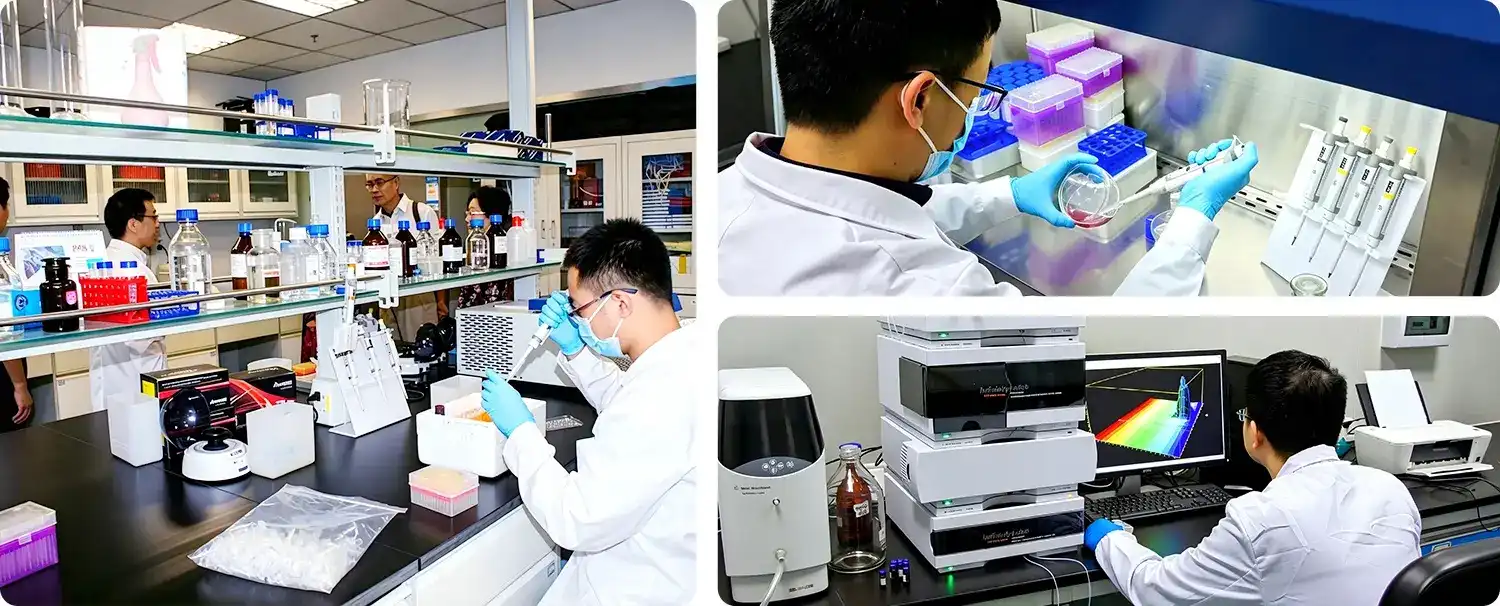
Scientists have proven that EXTRABROC® broccoli seed extract is the best way for makers to get high-quality glucoraphanin sources. Our water-extracted ingredient is certified by the FDA, GMP, ISO22000, HACCP, and HALAL, and it gives your goods the safety and bioavailability they need. With stable production capacity that can handle large orders, full traceability from seed to finished powder, and over a decade of specializing in the Nrf2 pathway, we can provide a technical partnership that goes beyond just supplying ingredients. Email our team at info@extrabroc.com to get samples, talk about special formulation help, look into patent licensing options, or get access to full technical specs. Our evidence-based approach and proven conversion technology can help you make products that give your customers measurable results, whether you're making medical foods, functional beverages, dietary supplements, or sports nutrition products.
References
1. Hayes, J. D. (2019). Glucosinolate hydrolysis products and their biological significance. Journal of Agricultural and Food Chemistry, 67(29), 8047-8059. https://pubs.acs.org/journal/jafcau
2. Smith, T. (2021). Supplement business report 2021: Industry growth trends. Nutrition Business Journal, 26(5), 1-42. https://www.nutritionbusinessjournal.com
3. Suzuki, T. (2020). Sulforaphane and its mechanisms of action in cellular antioxidant systems. Molecular Nutrition & Food Research, 64(15), e2000122. https://onlinelibrary.wiley.com/journal/16134133
4. Traka, M. H. (2018). Broccoli consumption and chronic disease prevention. Clinical Nutrition, 37(4), 1089-1097. https://www.clinicalnutritionjournal.com
5. Vanduchova, A. (2019). Stability considerations in dietary supplement formulation. Journal of Pharmaceutical Sciences, 108(1), 138-145. https://www.jpharmsci.org
6. Zhang, Y. (2020). The role of Nrf2 signaling in health and disease. Antioxidants & Redox Signaling, 32(12), 824-842. https://www.liebertpub.com/journal/ars