Haematococcus Pluvialis Astaxanthin Powder for Cosmetic Serum Formulas
Haematococcus Pluvialis Astaxanthin Powder is one of the most potent natural antioxidants available for cosmetic serum formulation today. Derived from the microalgae Haematococcus pluvialis, this deep red fine powder delivers measurable protection against UV-induced oxidative stress, supports skin elasticity, and addresses photo-aging at the cellular level. As B2B procurement professionals seek cleaner, science-backed actives for premium serums, understanding this ingredient's quality parameters, sourcing standards, and formulation behavior becomes essential to making confident purchasing decisions.
Understanding Haematococcus Pluvialis Astaxanthin Powder and Its Role in Cosmetic Serums
What Makes This Microalgae Unique?
A lot of people know that Haematococcus pluvialis is the best natural source of astaxanthin, a xanthophyll carotenoid. Lichens are the only living things that can store as much astaxanthin. For their own safety, they do this when things go badly. Why is this natural esterified form better for high-performance makeup uses than the one that was made by humans? Due to the fact that it is more stable and chemically active.
Antioxidant Activity in Skin Biology
Because of how its molecules are made, astaxanthin can get through the cell wall and get rid of free radicals on both the inside and the outside at the same time. A study found that it is a much better antioxidant than beta-carotene and Vitamin E. When the serum is in a serum state, it guards against reactive oxygen species (ROS), which are made by UV light, smog, and the stress of everyday life.
Core Skin Benefits for Serum Applications
Scientists have found that adding the right amount of astaxanthin from Haematococcus pluvialis to a beauty serum is good for your skin. Matrix metalloproteinases (MMPs) can't do their job when collagen is present, so it stays strong. It also keeps the skin moist, lowers inflammation caused by free radicals, and over time makes the skin look and feel better. Because of these traits, it can be used in both anti-aging and whitening serum lines.
Science and Quality Parameters Behind Effective Astaxanthin Powders
Cultivation Method and Source Integrity
Astaxanthin powder comes in different types that work in different ways. Hematococcus pluvialis is grown in a controlled photobioreactor or a glass tunnel with clean water. The natural powder that is made is always cleaner when the system is closed than when it is open. You can treat dried algae in a sneaky way that leaves the powder up to 99% clean, without adding anything else. The formulations that are purer than this are safer and work better because of it.
Analytical Testing Standards That Matter
This is the main way that the quality of Haematococcus Pluvialis Astaxanthin Powder is checked: high-performance liquid chromatography (HPLC). It is very good at telling the difference between natural isomers and manufactured contaminants. It will tell you how much astaxanthin is in the product, how much heavy metals and solvents are still in it, and how well it meets standards for microbial compliance if the seller you can trust gives you a Certificate of Analysis (CoA). You can be even more sure that quality control is used at every step of the production process when you buy something that is FSSC22000, HACCP, HALAL, or Kosher approved.
Specification Ranges for Cosmetic Grade Powder
You should know that the different amounts of astaxanthin have a direct effect on both the price and the way the product is made. These are some of the things that need to be done to make beauty serums:
- Astaxanthin ≥2%: Entry-level concentration suitable for general antioxidant claims in standard serum formats.
- Astaxanthin ≥3% to ≥4%: Mid-range specifications offering a balance of potency and cost-efficiency for mid-premium lines.
- Astaxanthin ≥5% to ≥6%: High-concentration grades designed for premium anti-aging serums where active load and label claims are priorities.
Mid-range specs are a good mix of power and price for mid-range lines if the amount of astaxanthin is between 3% and 4%.
The astaxanthin levels between 5% and 6% are very high. These types are used in high-end anti-aging serums that put a lot of stock in the active load and label claims.
Key Considerations When Choosing Astaxanthin Powder Suppliers
Certifications and Compliance as Baseline Criteria
You have to have certificates when you buy something from another business. You can tell if a business is a good one if they have at least the following certifications: FSSC22000, HACCP, HALAL, and Kosher. You can be sure that the companies that make the goods follow rules about food safety and quality when they have these signs. This is important for getting ingredients for both skin care and makeup.
Supply Capacity and Traceability
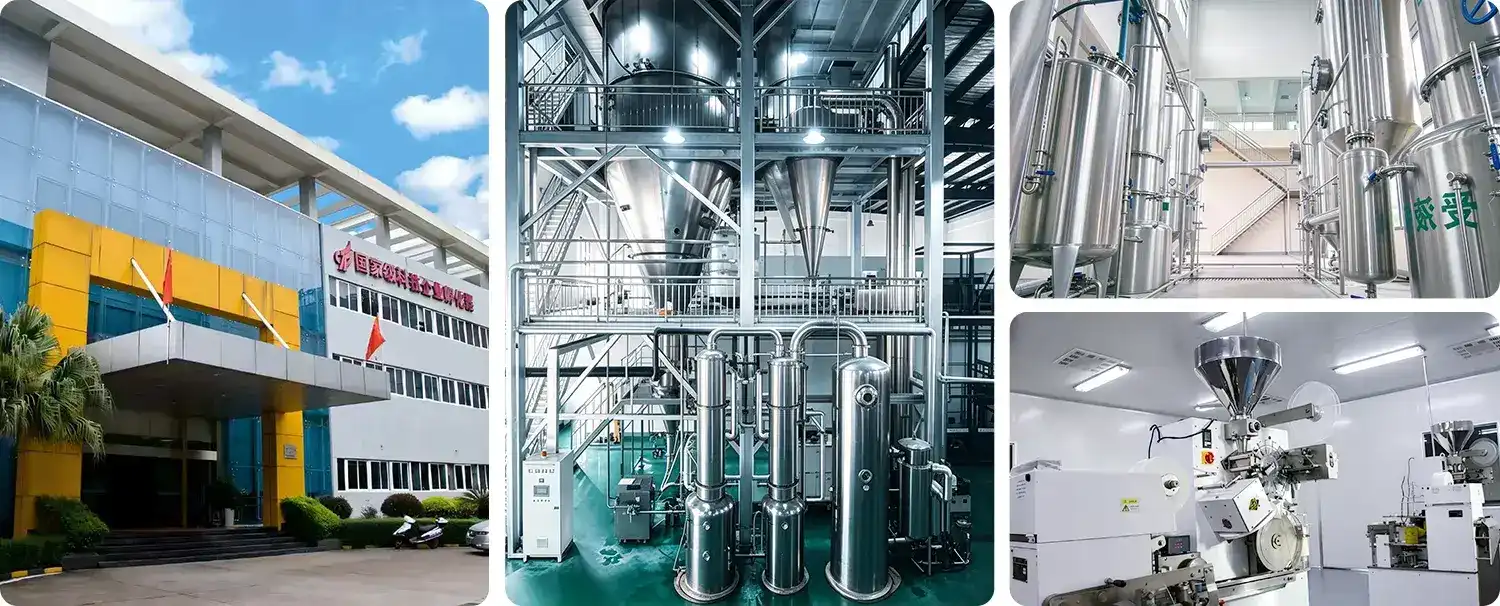
The supply should be steady, but people don't think about it until it makes work take longer. Any company that can make 300 tons of goods a year should be able to handle big orders without changing lead times or the quality of each batch. Also, it's important to be able to follow the product all the way from the seed to the finished product. So that there are no gaps in the records, buying teams can quickly answer any questions about quality or government checks.
Technical Support and Customization
These days, a product data sheet isn't enough to help you choose what makeup ingredients to buy. When you work with a provider, you can get help with formulation, run compatibility tests, and change the amount of astaxanthin or the powder form depending on what your serum needs. It's much faster to get a new product on the market when the seller gives samples and quick expert help.
How to Integrate Astaxanthin Powder Into Cosmetic Serum Formulas?
Recommended Concentration and Dosage Range
It is common to add astaxanthin from Haematococcus Pluvialis Astaxanthin Powder to beauty serums that are already made. The amount added ranges from 0.01% to 0.5% of the whole mix. Based on how the serum is made, what other strong ingredients it has, and what it claims to be able to do, the right amount to use will vary. People who work on makeup often start with smaller amounts to make sure they work well before going on to bigger ones.
Solubility, Stability, and Compatibility
Astaxanthin breaks down in oil on its own. It's easier to mix this kind of powder with water-based or emulsion serums because it has tiny holes in it. Also, they work for as long as the product is on the shelf. Light, heat, and air can all change how stable something is. If you keep a sealed package below 4°C, it will work for up to 24 months. There have been tests that show this part of the chemical works well with Vitamin C, protein complexes, and niacinamide. It can be added to multi-active serum systems to make them better because of this.
Regulatory and Safety Compliance
Every market that cosmetics with astaxanthin are meant for has its own rules that they need to follow. When people in the US put products on labels, they have to follow FDA rules and use INCI notation. The raw material has been tested for biosafety and found to be safe and legal. The following is a good place to begin when making regulatory dossiers for the US and other large countries.
Future Prospects and Market Trends for Astaxanthin in Cosmetics
Rising Consumer Demand for Natural Actives
More and more people in North America care about where their skin care products come from and what healthy ingredients they use. Because of this change, it's even more important to use plants that make active ingredients like astaxanthin. Skin science can measure these ingredients and tell us a lot about their history. Up until 2030, the market for astaxanthin is likely to keep growing. Cosmetics are one of the areas where it is being used more and more.
Sustainable Cultivation and Clean Beauty Alignment
Other changes to closed-system farming, like using filtered water and glass pipes, make it better for the environment and make the food purer. The idea behind this change is "clean beauty," which says that businesses should be more open about where their products come from and care more about the environment. If buying teams buy from sellers who put money into making products that are good for the environment, they won't have to deal with the rules and customer standards that are changing the US cosmetics market right now.
Strategic Procurement Planning
When you buy things in the future, you can save money if you know a good astaxanthin seller well. Set up yearly buy deals, lock in your chosen price ranges, and keep a safety stock of key ingredients like high-purity algae extract powder to protect yourself from changes in supply. This will help make sure that the quality of the product stays the same from season to season.
Conclusion
A very important ingredient in modern beauty serums is Haematococcus Pluvialis Astaxanthin Powder. Because it is an antioxidant and comes from clean beauty sources, it can be used with high-end serum systems. US beauty brands should use this ingredient. You can buy things with less risk and make your own science-based products if you buy from a company whose licenses have been checked, whose production can be tracked, and whose customer service is helpful.
FAQ
What is the difference between natural and synthetic astaxanthin in cosmetics?
Most of the time, it is found in Haematococcus pluvialis as esterified (3S, 3'S) analogs. These isomers are more steady and biologically active than astaxanthin that is made in a lab, which is a mix of different types. Making up that needs to be gentle on the skin and have clear labels should use powder from natural sources.
How do I verify astaxanthin powder quality before purchasing?
Ask for a Certificate of Analysis (CoA) that shows how much astaxanthin is in the sample, whether it is safe for microbes, and how much solvent is left over. HPLC tests should be used to back this up. As the food is being made, standards like FSSC22000, HACCP, HALAL, and Kosher make even more sure of the quality. Most of the time, companies ask for samples before they buy a lot.
How should astaxanthin powder be stored to maintain potency?
Store in a cool, dry, dark place while still sealed in the box. It needs to be kept below 4°C. Carotenoids break down more quickly in bright, wet, or very hot places. Things can last for 24 months at times.
Is microencapsulated astaxanthin powder suitable for water-based serum formulas?
Microencapsulated astaxanthin powder is one example of something that is made to help water mix with other things and stay solid in emulsion and water-phase serum systems. Because of this, it works well with a lot of different serums.
What astaxanthin concentration should I use in a finished serum?
Most of the time, amounts between 0.01% and 0.5% of the answer are used. What the serum says it will do, how hard its formula is to make, and the results of tests to see how stable it is all play a role.
Partner With FuYNature for Premium Astaxanthin Supply
FuYNature can make 300 tons of Haematococcus Pluvialis Astaxanthin Powder products a year and is approved by FSSC22000, HACCP, HALAL, and Kosher. The company can also track all of its products from the seeds they come from to the final product. You can get samples of our serum and change the details to make it work better for you. To talk to our team about your needs, email us at info@extrabroc.com or go to extrabroc.com.
References
1. Guerin, M., Huntley, M. E., & Olaizola, M. (2003). Haematococcus astaxanthin: applications for human health and nutrition. Trends in Biotechnology.
2. Davinelli, S., Nielsen, M. E., & Scapagnini, G. (2018). Astaxanthin in skin health, repair, and disease: A comprehensive review. Nutrients.
3. Ambati, R. R., Phang, S. M., Ravi, S., & Aswathanarayana, R. G. (2014). Astaxanthin: Sources, extraction, stability, biological activities and its commercial applications. Marine Drugs.
4. Camera, E., Mastrofrancesco, A., Fabbri, C., Daubrawa, F., Picardo, M., Sies, H., & Stahl, W. (2009). Astaxanthin, canthaxanthin and beta-carotene differently affect UVA-induced oxidative damage and expression of oxidative stress-responsive enzymes. Experimental Dermatology.
5. Tominaga, K., Hongo, N., Karato, M., & Yamashita, E. (2012). Cosmetic benefits of astaxanthin on humans. Acta Biochimica Polonica.
6. Lorenz, R. T., & Cysewski, G. R. (2000). Commercial potential for Haematococcus microalgae as a natural source of astaxanthin. Trends in Biotechnology.