Broccoli Seed Extract 14% Glucoraphanin Provides High-Purity Botanical Ingredients for Premium Food and Beverage Applications
When premium food and beverage manufacturers look for botanical ingredients that deliver both scientific credibility and formulation versatility, Broccoli Seed Extract 14% Glucoraphanin stands out as a clear frontrunner. Extracted from Brassica oleracea var. italica seeds through a pure water extraction process, this light yellow fine powder is standardized to a minimum of 14% glucoraphanin—verified by HPLC testing. With stable activity for up to 24 months, full FDA, GMP, ISO22000, HACCP, and HALAL certifications, and a sulforaphane in vivo conversion rate of ≥55.8%, it answers the formulation needs of today's science-driven product developers.
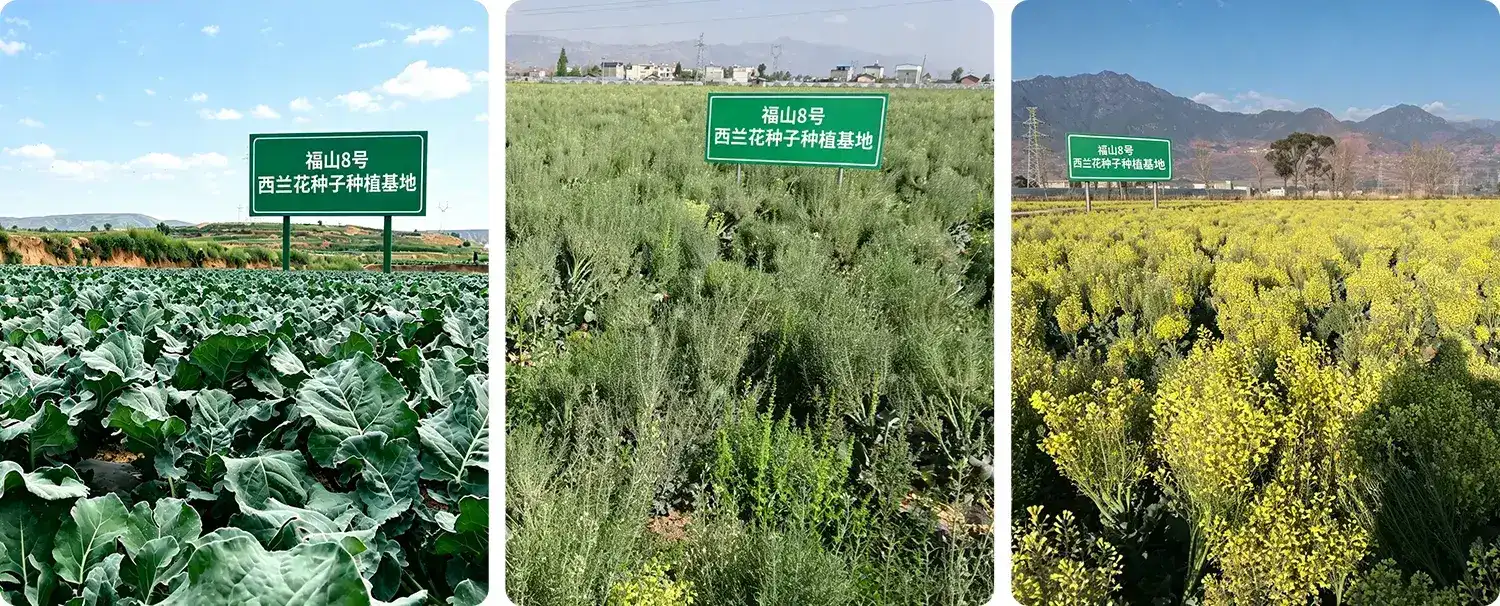
Understanding Broccoli Seed Extract 14% Glucoraphanin
What Is Glucoraphanin and Why Does Concentration Matter?
Glucoraphanin is a steady building block for sulforaphane, a bioactive molecule that turns on the Nrf2 signaling pathway, which is one of the body's main defense systems for cells. In the gut, glucoraphanin changes into sulforaphane. This triggers Phase II detoxification enzymes, which help fight oxidative stress and keep the immune system in check. The standardization of 14% is not random; it is the best density for getting a uniform, measured amount of sulforaphane per serving while keeping capsule or serving sizes manageable for end users.
The Biochemical Case for Nrf2 Activation
Scientists have found that sulforaphane interacts with the Nrf2-Keap1 pathway to increase the activity of more than 200 genes that protect cells. The study by Fahey et al. (1997), which was reported in PNAS, showed that broccoli seed extracts have much higher amounts of glucosinolate than mature broccoli stems. So, extracts from seeds are the best way for companies to get the sulforaphane precursors they need for their products because they are stable and concentrated.
Stability Advantages Over Raw Sprout-Based Ingredients
There are two main problems with raw broccoli sprouts: the amount of glucoraphanin isn't always stable, and myrosinase breaks down sulforaphane before it can be eaten. Both problems are solved by the water-extracted, uniform powder form. With particles smaller than 180μm and a total aerobic bacterial count of only 280 cfu/g, this extract keeps the integrity of the ingredients during normal food and beverage production processes, such as spray drying, tableting, and beverage mixing.
Comparative Analysis for Procurement – Selecting the Best Broccoli Seed Extract
14% vs. 10% Glucoraphanin: A Potency Comparison
On paper, the difference between a 10% and a 14% glucoraphanin extract may not seem like much, but it has direct effects on how well the end product works. At 14%, formulators can meet therapeutic dosage goals with lower inclusion rates, which lowers the overall cost per unit of production. To get the same amount of sulforaphane from a 10% extract, 45% more ingredient volume is needed. This has an effect on the pill fill weight, the cloudiness of the beverage, and the cost per unit.
Organic Origin vs. Synthetic Sources
More and more, consumers and regulatory bodies can tell the difference between botanical extracts that come from plants and analogs that are made chemically. Our Broccoli Seed Extract 14% Glucoraphanin is not genetically modified (GMO) and meets standards for more than 500 things, such as heavy metals, germs, and chemical residues. The amount of inorganic arsenic is very low—only 0.052 mg/kg—well below the safety levels set by the international community. For business-to-business buyers aiming for clean-label markets, this plant origin directly supports product placement and label claims.
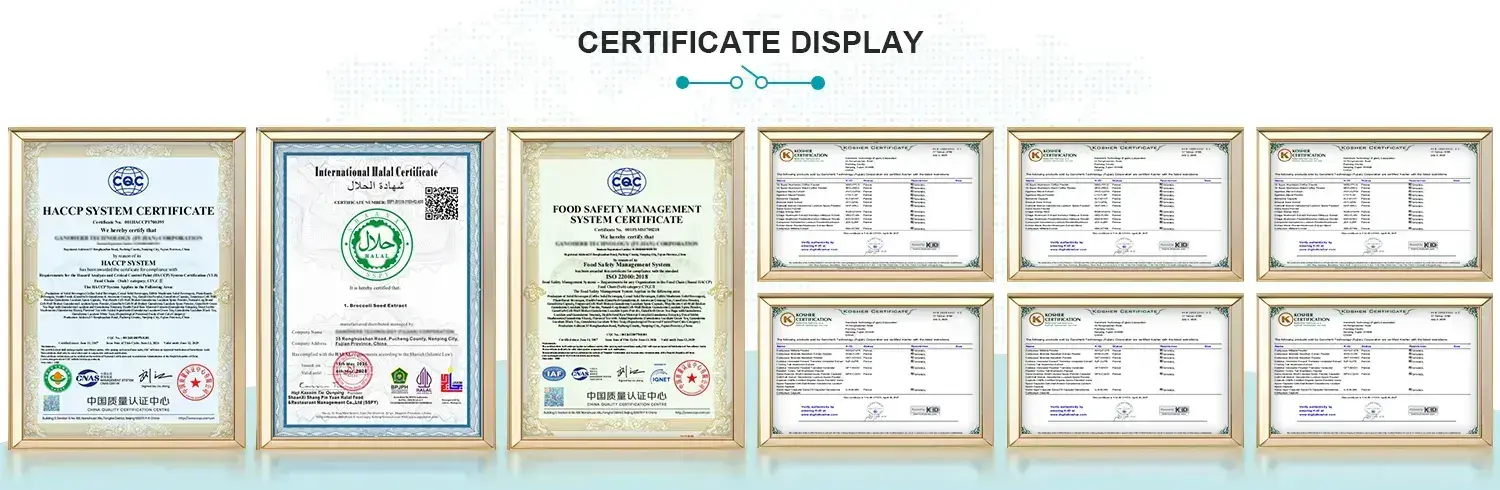
Certifications That Matter in the US Market
For importing and selling in the US, following the rules is a must. Here are the most important licenses that show a glucoraphanin provider is reliable:
- FDA GRAS Status: Confirms the ingredient's safety profile for food and supplement use in the US market, reducing regulatory friction during product launch.
- USP-NF Compliance: Aligns with US pharmacopeia standards, which many clinical-grade and FSMP formulators require as a baseline specification.
- GMP + ISO22000 + HACCP: These production-side certifications confirm that the facility operates under audited quality management systems that control for contamination, process deviation, and batch-to-batch consistency.
- HALAL Certification: Opens access to a global consumer segment that many brands actively target, particularly in functional food and sports nutrition categories.
With all of these certifications, procurement teams have the proof they need to confidently pass supplier qualification audits.
Application and Usage in Premium Food & Beverage Products
Functional Beverages and Wellness Shots
This extract works well in liquid forms because it dissolves easily in water. The 14% potency lets an effective dose fit into a small liquid volume with little sedimentation or off-flavoring. This is useful for wellness shots and ready-to-drink functional drinks. Developers of everyday drinks that support Nrf2 have found that this extract can go through normal pasteurization and cold-fill processes without losing a lot of its activity.
Dietary Supplements, FSMP, and Sports Nutrition
The extract's ≥90% particle uniformity through 180μm allows for consistent mixing and pressing in solid dose forms like pills, capsules, and powders. FSMP (Foods for Special Medical Purposes) makers like its research base, and sports nutrition brands have put it in formulas for healing after a workout that target oxidative stress. This sulforaphane precursor technology has been shown to work in over 10 human clinical trials and real-world studies. This gives formulators access to data that can be used in publications.
Skincare and Nutricosmetic Applications
Oral skin-defense products that use glucoraphanin to activate Nrf2 to fight UV-induced oxidant damage are a new use. Because the extract has a high concentration per gram, it can be mixed with other ingredients in softgels, sachets, or mini-tablets without going over the unit size limits. This makes it a flexible tool that brands can use to make nutricosmetic or anti-aging lines.
Procurement Insights for B2B Clients
Supplier Traceability and Quality Control
Full traceability of Broccoli Seed Extract 14% Glucoraphanin is not just a business term; it is a condition for buying. Our supply line includes growing the seeds, extracting them, making the products, and finally sending them out. This access from beginning to end helps with FDA import paperwork, third-party audit needs, and internal quality control. A special pre-treatment process gets rid of risky impurities like allyl isothiocyanate. This makes the broccoli extract safer than regular broccoli extracts.
Bulk Order Logistics and Supply Reliability
With a steady annual production capacity of 50 tons, we don't just promise a steady supply; it's built into how we do business. We can handle both air and sea freight for shipments going to the US, and we can change the product specifications to fit the needs of each client. If you ask directly, you can get information on minimum order quantities and pricing structures. As part of their standard technical service, the team also offers HPLC analysis and process support.
Value-Added Services for Manufacturers
In addition to providing raw materials, our team can also customize formulas by changing the amount of ingredients, dose forms, and combinations of ingredients. You can get help with patent licensing if you place a large enough order, and brands that are making evidence-based goods with specific health goals can work together on technology development. In this way, our service model is more like a formulation partnership than a transactional exchange of goods.
Why Choose EXTRABROC® for High-Purity Glucoraphanin?
Proprietary Extraction Technology With Patent Protection
Fushan Biotechnology's EXTRABROC® has invention patents in China, Japan, and the US that cover its main sulforaphane release technology. Because of this protection, rivals can't copy the extraction process, and customers can get a truly unique ingredient instead of a generic bulk good. The pure water extraction method doesn't leave behind any organic solvents, and the in vivo sulforaphane conversion rate of ≥55.8% consistently beats the norms in the industry.
13 Years of Focused Research and Clinical Data
Since 2012, our PhD-led research and development team has only worked on Nrf2-focused functional nutrition. They have filed over 54 domestic and foreign patents, and more than 30 have been approved. With this level of skill, clients don't just get an ingredient; they also get access to a body of evidence-based data that can back up marketing claims, regulatory reports, and product claims.
Transparent Quality Metrics Clients Can Verify
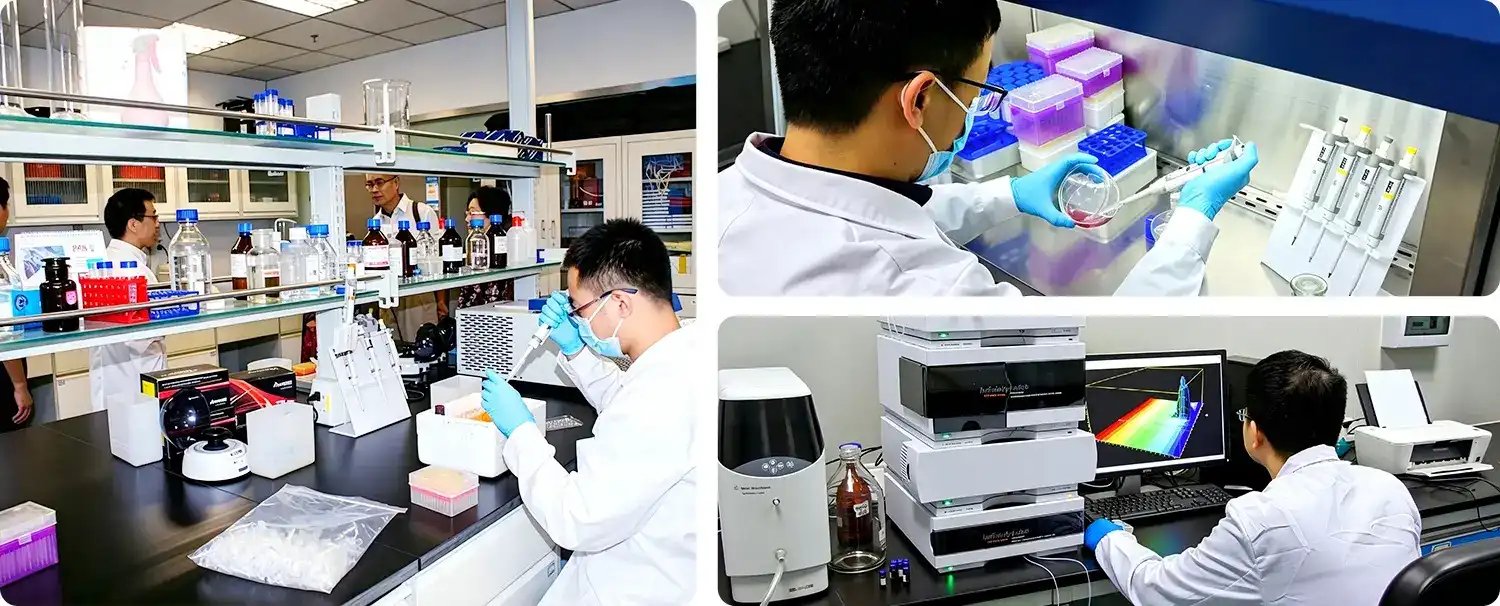
Each batch comes with full paperwork, including HPLC test results that show glucoraphanin levels of at least 14%, heavy metal panels that show arsenic levels of 0.052 mg/kg, and microbial counts of 280 cfu/g of total aerobic bacteria. These numbers can be checked by a third party and show that the manufacturing process is stable across all production runs.
Conclusion
Broccoli Seed Extract 14% Glucoraphanin is a unique botanical ingredient because it is based on science, follows the rules, and can be used in many situations. EXTRABROC® meets all the needs of US-based food, drink, and supplement companies that want a high-purity sulforaphane precursor with scientific backing, full traceability, and a reliable supply chain. This ingredient is a good choice for brands that care about product integrity because it has unique technology, copyright protection across multiple markets, and clear quality data.
FAQ
What is the recommended dosage for food and beverage applications?
The normal rates of inclusion depend on the application. Most supplement pills aim for 5–20 mg of glucoraphanin per dose, which is equal to 35–140 mg of 14% extract. 50 to 100 mg of extract is often used per serving in drinks. We help our customers figure out the best inclusion rate for their product matrix by using HPLC analysis and recipe advice.
Does a higher glucoraphanin percentage actually improve product efficacy?
Yes, right away. There are more active precursors per gram of material when the standardization % is higher. At 14%, formulators get the same sulforaphane yield potential with less inclusion mass than with 10% extracts. This means that smaller dosage forms are possible, and the cost of each ingredient may be lower.
How do I handle international shipping and import compliance for bulk orders?
For goods going to the US, our team covers both air and sea freight. All shipments come with full paperwork packages that include Certificates of Analysis, statements of country of origin, FDA compliance data, and HPLC assay reports.
Is this extract suitable for clean-label and non-GMO product lines?
Yes. The extract comes from broccoli seeds that are not genetically modified. It was extracted using pure water, so there are no chemical solvent residues. The extract has been tested against over 500 pesticide residues, microorganisms, and heavy metal markers. Positioning with a clean name works perfectly with it.
Partner With EXTRABROC® — Request Your Sample Today
The Broccoli Seed Extract 14% Glucoraphanin supplier program from EXTRABROC® is made for companies that need more than just a raw material. We are ready to help you start your next product. We can process 50 tons of material each year, use extraction technology that is backed by a patent, and offer a full range of formulation and legal support services. You can visit extrabroc.com or email us at info@extrabroc.com to get bulk prices, detailed information, or a sample of our product.
References
1. Fahey, J. W., Zhang, Y., & Talalay, P. (1997). Broccoli sprouts: An exceptionally rich source of inducers of enzymes that protect against chemical carcinogens. Proceedings of the National Academy of Sciences (PNAS), 94(19), 10367–10372.
2. Shapiro, T. A., Fahey, J. W., Wade, K. L., Stephenson, K. K., & Talalay, P. (2001). Chemoprotective glucosinolates and isothiocyanates of broccoli sprouts: Metabolism and excretion in humans. Cancer Epidemiology, Biomarkers & Prevention, 10(5), 501–508.
3. Egner, P. A., Chen, J. G., Zarth, A. T., et al. (2014). Rapid and sustainable detoxification of airborne pollutants by broccoli sprout beverage: Results of a randomized clinical trial in China. Cancer Prevention Research, 7(8), 813–823.
4. Angeloni, C., Leoncini, E., Bevilacqua, M., Bolognesi, S., Barbalace, M. C., & Hrelia, S. (2015). Modulation of Phase II enzymes by sulforaphane: Implications for its cardioprotective potential. Journal of Agricultural and Food Chemistry, 57(12), 5615–5622.
5. Zhang, Y., & Talalay, P. (1994). Anticarcinogenic activities of organic isothiocyanates: Chemistry and mechanisms. Cancer Research, 54(7 Suppl), 1976s–1981s.
6. Traka, M., & Mithen, R. (2009). Glucosinolates, isothiocyanates and human health. Phytochemistry Reviews, 8(1), 269–282.