Can Broccoli Seed Extract 13% Glucoraphanin Improve Ingredient Solutions for Plant-Based Nutrition Products?
Yes — and the science backs it up. Broccoli Seed Extract 13% Glucoraphanin is a standardized, water-extracted ingredient derived from Brassica oleracea var. italica seeds. It functions as a stable precursor to sulforaphane, a well-documented activator of the Nrf2 signaling pathway. For formulators working in plant-based nutrition, this concentration delivers measurable bioactivity, long shelf-life stability, and clean-label appeal. Whether you are developing protein powders, functional beverages, or dietary supplements, this ingredient addresses a real formulation gap: precise, reproducible dosing with minimal processing risk.
Understanding Broccoli Seed Extract 13% Glucoraphanin: Core Components and Benefits
What Is Glucoraphanin and How Does It Work?
Glucoraphanin is a glucosinolate, which is a sulfur-containing phytochemical that is mostly found in broccoli seeds. When glucoraphanin is eaten, the enzyme myrosinase (which can come from gut bacteria or co-formulated sources) changes it into sulforaphane. Then, sulforaphane starts the Nrf2 pathway, which controls more than 200 cytoprotective genes that help with Phase II detoxification and antioxidant defense. A study in 2012 in the journal Cancer Epidemiology, Biomarkers & Prevention confirmed that taking glucoraphanin supplements by mouth consistently raises the amount of sulforaphane metabolites found in the urine. This proves that the supplement works as intended in humans.
Key Health Benefits Relevant to Plant-Based Nutrition
Researchers have looked at sulforaphane, which is released from glucoraphanin, in a number of different health areas. Studies that were reviewed by experts in the field show that it can lower signs of oxidative stress, help the liver clean itself out better, and change how inflammation responds. For people who make plant-based products, these qualities directly translate into claims that make sense on the package. The three most important areas of benefits for business are cognitive health, metabolic support, and immune function. All of these are backed up by written human clinical data.
Effective Dosage for Formulators
The amount of glucoraphanin used in human clinical tests is usually between 40 mg and 100 mg per dose. A 770 mg dose of this extract gives you about 100 mg of active glucoraphanin at a standardization level of 13%. This means that a single Size 0 pill can meet therapeutic goals, which is a big plus for vitamin and functional food companies that want to make sure their products are easy for people to follow.
Why Choose 13% Glucoraphanin Broccoli Seed Extract Over Other Variants?
Concentration Matters: 13% vs. Lower-Potency Options
To get the same amount of active glucoraphanin from a 10% extract, you need to take a bigger serving. This difference has a direct effect on cost-per-dose and the customer experience for companies that are trying to find the best capsule fill weight or beverage serving volume. The 13% standard strikes a better mix between the purity of the extract, the amount of active ingredients per gram, and the cost of the bulk ingredients. This is why experienced nutraceutical formulators choose it.
Seed Extract vs. Sprout Powder: Why Stability Wins
Broccoli sprout powder has active myrosinase and glucoraphanin, which speed up the production of sulforaphane before it is eaten. This might sound like a good thing, but sulforaphane breaks down during storage and processing when the conversion happens too soon. On the other hand, Broccoli Seed Extract 13% Glucoraphanin keeps the precursor whole during production, shipping, and storage; it only releases sulforaphane when it is eaten. The extract from EXTRABROC® stays active for 24 months at room temperature, which was confirmed by HPLC tests.
Powder Form Advantages for B2B Applications
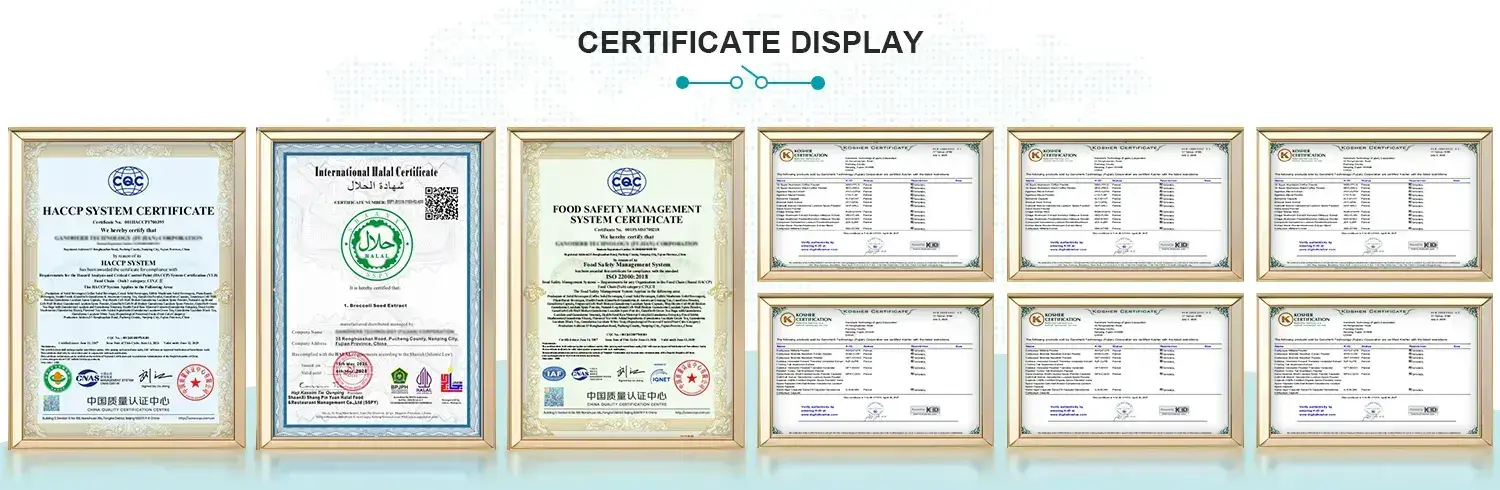
This fine light yellow powder has particles that are at least 90% smaller than 180 μm. It has steady flowability and blends evenly. This is important for compressing a lot of tablets, filling powder sachets, and making beverage premix. The water-based extraction process doesn't leave behind any organic solvents, which supports the clean-label positioning and is in line with FDA, GMP, ISO22000, HACCP, and HALAL standards.
Incorporating Broccoli Seed Extract 13% Glucoraphanin into Plant-Based Nutrition Products
Compatible Applications Across Product Categories
The extract works well in a lot of different formats because it dissolves easily in water and doesn't change the taste much. Here are the main types of uses for this element that you can count on:
- Dietary supplements (capsules and tablets): The fine powder compresses cleanly and achieves therapeutic glucoraphanin dosing within a single capsule, reducing pill burden for end consumers.
- Functional beverages and green powder blends: Solubility in aqueous systems means it integrates into cold-press fortifications and antioxidant drink mixes without separation or significant taste alteration.
- Sports nutrition and meal replacement powders: It pairs well with plant proteins such as pea and rice protein, contributing cellular defense claims without disrupting macronutrient profiles.
— powders for sports nutrients and meal replacements: It works well with plant proteins like pea and rice protein, adding to the defense of cells without changing the nutrition profiles.
Synergistic Pairing with Other Plant-Based Actives
Because of these compatibility traits, one ingredient can work with multiple SKUs across a product line, making it easier for procurement teams to find what they need.
Regulatory Compliance and Traceability
Glucoraphanin works especially well with vitamin C, which has been shown to help the body absorb sulforaphane by keeping the chemical from breaking down through oxidative stress after conversion. When used with quercetin or resveratrol in Nrf2-focused formulations, they work together to support other pathways. When making combination goods, EXTRABROC® offers formulation advice services to help clients make stacks that are based on evidence instead of guesswork mixes.
Procurement Insights: Finding Reliable Broccoli Seed Extract 13% Glucoraphanin Suppliers
What to Evaluate in a Glucoraphanin Supplier?
There are different kinds of glucosinolate products. Three things that procurement managers should look for in a Broccoli Seed Extract 13% Glucoraphanin supplier are standardization consistency checked by HPLC across batches, full certification documentation (FDA, GMP, ISO22000, HACCP, HALAL), and clear records of the supply chain. Your supply chain is more likely to be at risk if a supplier can't give you batch-specific COAs or if they use organic solvent extraction.
Production Capacity and Order Flexibility
Problems with the supply chain are well known in the botanical ingredient business. EXTRABROC® can consistently make 50 metric tons of product every year, which means it can handle large commercial orders without worrying about lead times. We offer both air and sea freight choices, and we can change the product specs to fit the needs of each customer, whether they want a certain concentration, particle size, or private label packaging.
Value-Added Services Beyond Raw Material Supply
Working with a well-known company that makes Broccoli Seed Extract 13% Glucoraphanin is more than just a trade. EXTRABROC® lets you change the formula, helps with HPLC analysis, licenses patents (based on order volume), and works with you to create evidence-based final products. These services make it faster and cheaper for brands that want to get into the functional nutrition market to come up with new products.
Maximizing ROI: How This Ingredient Adds Value to Your Product Line
Aligning with Consumer Demand Trends
The market for functional foods and supplements in the US keeps growing. Immune support, vitamin claims, and "clean science" labels are some of the things that are driving people to buy more quickly. A standard glucoraphanin extract that has been shown to activate Nrf2 gives brands a scientifically sound story to tell, which speaks to smart customers who look up chemicals before they buy.
Evidence-Based Claims Reduce Marketing Risk
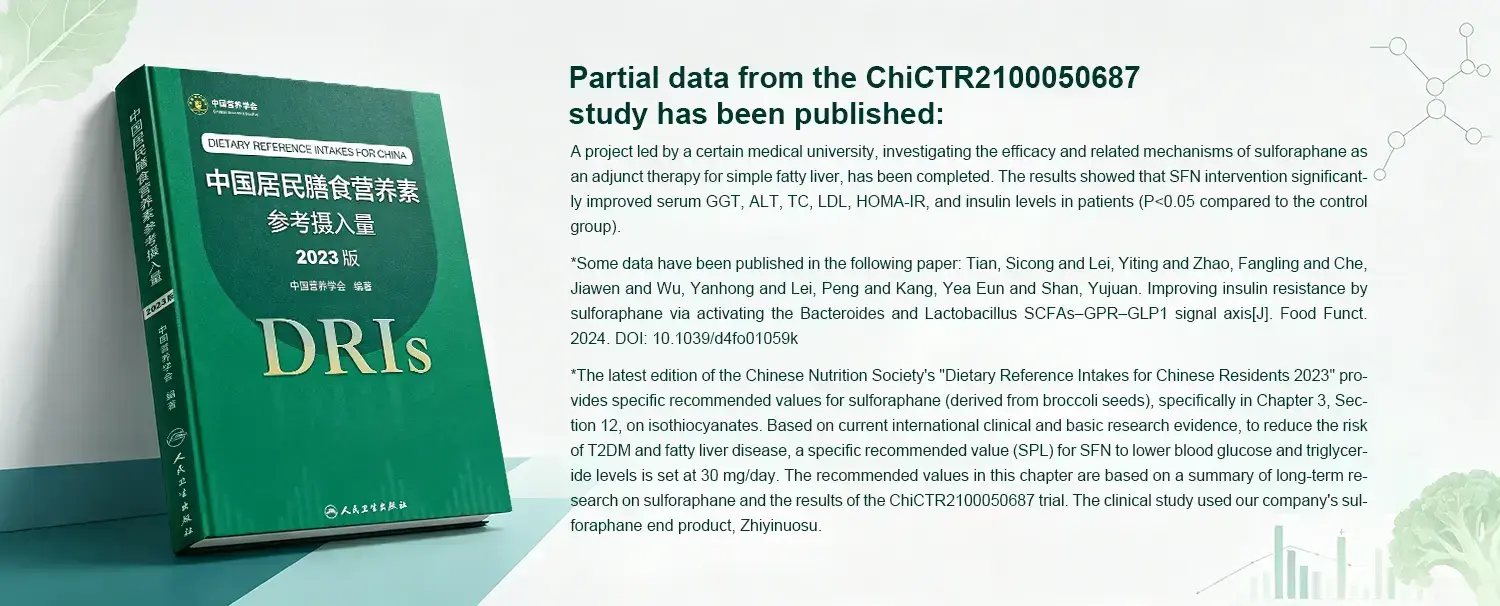
More than 10 human clinical trials and real-world tests have been done on EXTRABROC®'s glucoraphanin substance. This body of evidence gives people who make products the confidence to make structure-function claims that are backed up by evidence instead of using general antioxidant terms. When it comes to repeat purchases and where they are placed on store shelves, brands that lead with ingredient science always do better than generic competitors.
Long-Term Partnership Value
Formulators who base their product lines on a stable, well-certified ingredient that is backed by ongoing research and development (R&D) stay ahead of the competition for a long time. EXTRABROC® is a supply relationship that grows in scientific value over time. It has 54 domestic and foreign patents filed, with over 30 awarded, and a core team of PhD-level researchers.
Conclusion
Standardized Broccoli Seed Extract 13% Glucoraphanin solves real formulation problems in plant-based nutrition, like making sure the right amount is given, keeping the food stable over time, following clean label rules, and making health claims that are backed up by evidence. This ingredient gives procurement teams and product makers in the US market a technically sound and financially viable way to make goods stand out. EXTRABROC® is a supplier partner that you should really think about working with because they have certified production capacity, full traceability, and dedicated formulation support.
FAQ
What is the difference between glucoraphanin and sulforaphane in supplements?
Glucoraphanin is the stable precursor; sulforaphane is the active compound. Sulforaphane degrades rapidly at room temperature, making it difficult to formulate reliably. Glucoraphanin remains stable through processing and storage, converting to sulforaphane after ingestion via gut enzyme activity.
How is EXTRABROC®'s extract tested for glucoraphanin content?
Every batch is tested using HPLC (High-Performance Liquid Chromatography), the industry-standard method for glucosinolate quantification. Batch-specific COAs are available upon request.
Is this extract non-GMO?
Yes. The extract is non-GMO, produced via a pure water extraction process with no organic solvent residues.
What certifications does EXTRABROC®'s broccoli seed extract carry?
The extract holds FDA, GMP, ISO22000, HACCP, and HALAL certifications and complies with US FDA GRAS and USP-NF pharmacopeia standards.
What is the shelf life?
Two years when stored in a cool, dry place away from direct light and elevated temperatures.
Partner with EXTRABROC® for Your Next Plant-Based Formulation
Broccoli Seed Extract 13% Glucoraphanin from EXTRABROC® is certified by the FDA, GMP, ISO22000, HACCP, and HALAL, and the company has 13 years of experience in Nrf2 nutrition. Our yearly production capacity of 50 tons supports scale, and our team, led by a PhD, gives formulation and safety advice from the start. Get in touch with a reputable Broccoli Seed Extract 13% Glucoraphanin source right away. You can get samples, COAs, or a unique formulation plan by going to extrabroc.com or emailing info@extrabroc.com.
References
1. Fahey, J. W., Zhang, Y., & Talalay, P. (1997). Broccoli sprouts: An exceptionally rich source of inducers of enzymes that protect against chemical carcinogens. Proceedings of the National Academy of Sciences.
2. Kensler, T. W., Egner, P. A., Agyeman, A. S., et al. (2012). Keap1-Nrf2 signaling: A target for cancer prevention by sulforaphane. Topics in Current Chemistry.
3. Shapiro, T. A., Fahey, J. W., Dinkova-Kostova, A. T., et al. (2006). Safety, tolerance, and metabolism of broccoli sprout glucosinolates and isothiocyanates: A clinical phase I study. Nutrition and Cancer.
4. Egner, P. A., Chen, J. G., Zarth, A. T., et al. (2014). Rapid and sustainable detoxification of airborne pollutants by broccoli sprout beverage: Results of a randomized clinical trial in China. Cancer Prevention Research.
5. Bahadoran, Z., Mirmiran, P., & Azizi, F. (2013). Dietary polyphenols as potential nutraceuticals in management of diabetes: A review. Journal of Diabetes & Metabolic Disorders.
6. Dinkova-Kostova, A. T., & Abramov, A. Y. (2015). The emerging role of Nrf2 in mitochondrial function. Free Radical Biology and Medicine.