Broccoli Seed Extract 2% Sulforaphane Serves as a Reliable Ingredient Choice for Premium Botanical Formulations
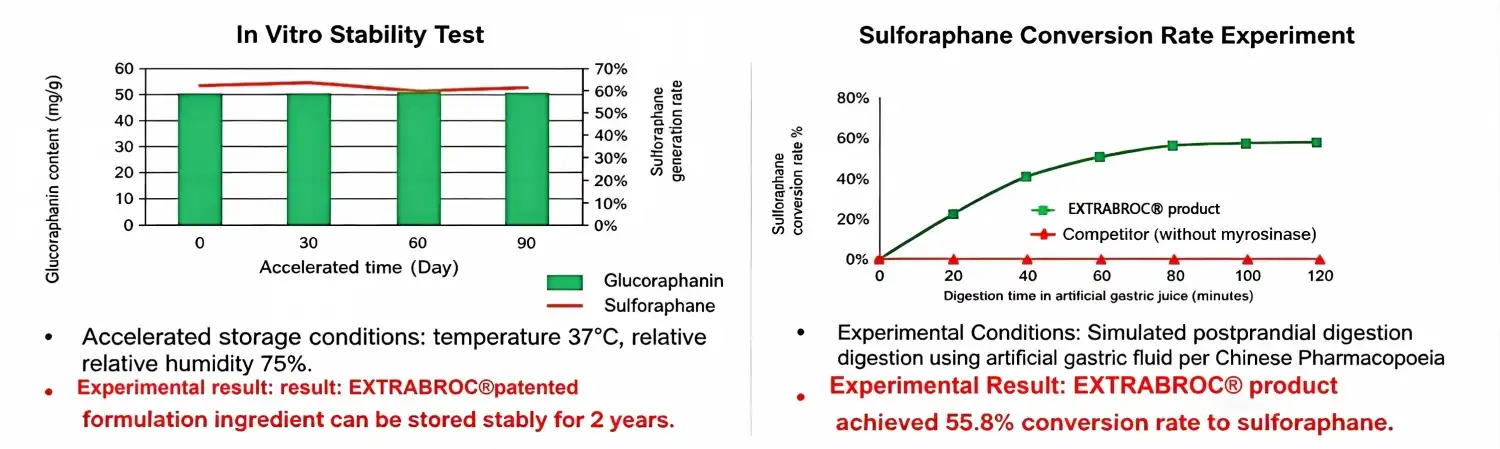
When formulators search for a stable, science-backed active ingredient for premium botanical products, Broccoli Seed Extract 2% Sulforaphane stands out as a consistent, evidence-supported option. Standardized from Brassica oleracea var. italica seeds, this light yellow fine powder delivers a minimum 2% sulforaphane concentration through a pure aqueous extraction process—no organic solvents involved. With an in vivo conversion rate of ≥55.8% and room-temperature shelf stability for 24 months, it addresses the most persistent formulation challenges in the nutraceutical and functional ingredient space.
Understanding Broccoli Seed Extract 2% Sulforaphane
What Sulforaphane Actually Is?
Glucoraphanin, a precursor glucosinolate that is found in large amounts in broccoli seeds, reacts with myrosinase, an enzyme that starts the conversion reaction, to make sulforaphane. The glucoraphanin density and predictability of conversion are different in sulforaphane from seeds compared to sprout extract. The amount of glucoraphanin in seeds is much higher than in sprouts or florets, so they are the best source for standardized commercial extraction.
How It Works Inside the Body?
The Nrf2 signaling pathway is the body's main cell defense system, and sulforaphane turns it on. Once Nrf2 is turned on, it speeds up the production of Phase II cleansing enzymes, antioxidant proteins, and molecules that reduce inflammation. A 2019 review in the journal Nutrients confirmed that activating Nrf2 through sulforaphane lowers markers of oxidative stress and systemic inflammation. These are two things that are directly linked to the progression of chronic diseases and faster skin aging.
Safety, Dosing, and Storage Considerations
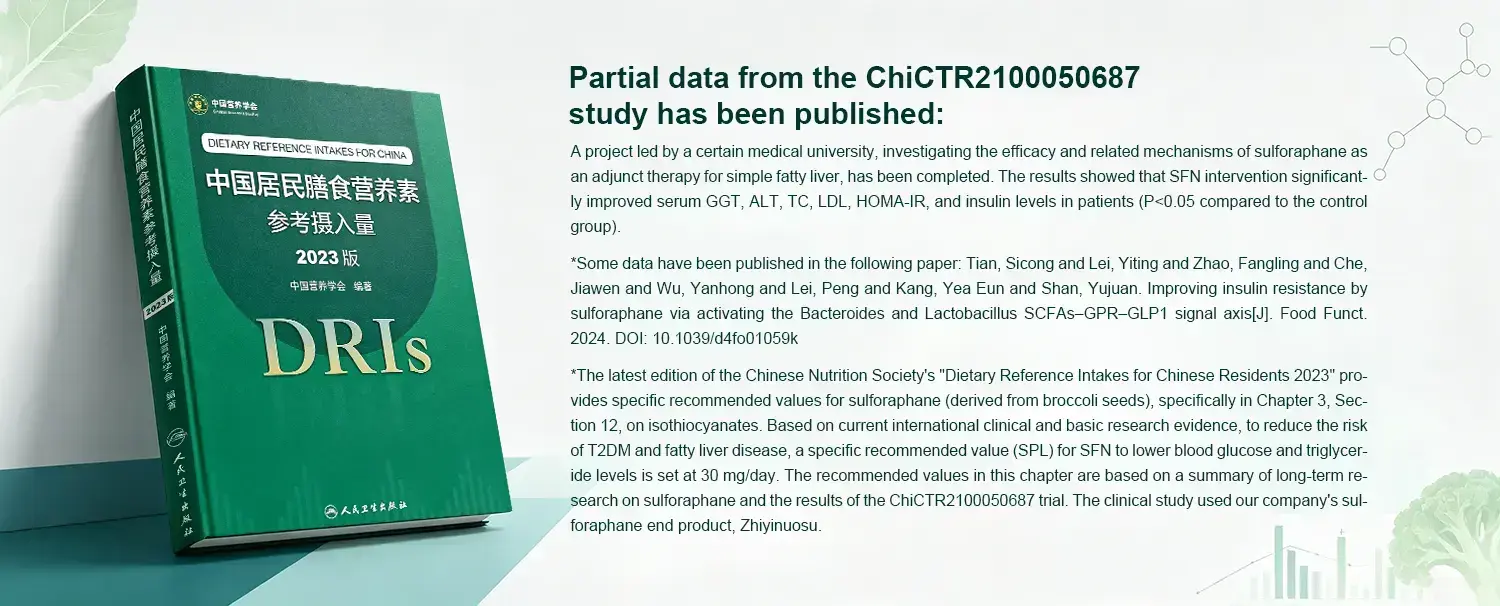
According to research, taking between 20 mg and 50 mg of sulforaphane every day has positive effects on the body. This is equal to about 1,000 mg to 2,500 mg of a concentrated 2% extract. The extract passes strict food-grade safety standards, with a total aerobic bacterial count below 10 cfu/g and an arsenic (inorganic) level of 0.042 μg/g. The full 24-month shelf life can be kept by storing it properly in a cool, dry, dark place.
Comparing Broccoli Seed Extract 2% Sulforaphane with Other Options
2% vs. Higher-Concentration Extracts
A 5% or 10% sulforaphane extract is more powerful per gram, but it costs more and has a higher chance of not being stable. The 2% concentration is a good compromise between effective doses and cost-effective formulation for many recipes, especially functional foods, skin serums, or general health capsules. The 2% tier is often easier for procurement teams that are in charge of big production runs to handle in terms of both budget and supply consistency.
Seed Extract vs. Sprout Extract vs. Pure Sulforaphane
The amount of glucoraphanin in Broccoli Seed Extract 2% Sulforaphane changes depending on when it is harvested and how it was grown, which makes it harder to standardize. Pure sulforaphane powder is very strong, but it breaks down quickly in heat, moisture, or light. When combined with exogenous myrosinase and stabilizing agents like calcium salts, seed-derived standardized extract gives consistent conversion with less variation between individuals. This is a real formulation benefit in commercial settings.
Product Form and Certification Factors
The powder form works well for encapsulation, functional food matrices, and bulk botanical blends. For finished consumer goods, the extract works well in pill forms and doesn't change the taste much. Organic certification helps your brand stand out in high-end shopping outlets. When buyers decide which sellers to buy from, they always look at HPLC-verified sulforaphane content, clean extraction methods, and third-party approval as the best ways to judge quality.
Procurement Guide for Broccoli Seed Extract 2% Sulforaphane
Wholesale Sourcing and Supplier Types
This ingredient can be bought by B2B buyers from OEM makers, branded raw material importers, and producers who are fully integrated. The latter is shown by Fushan Biotechnology's EXTRABROC®, which controls the whole supply chain, from growing the seeds to extracting them and checking their quality. The brand can make 50 tons of product every year, and they accept both trial-scale orders and long-term large-volume contracts. This means that procurement managers can always get what they need.
Quality Verification Protocols
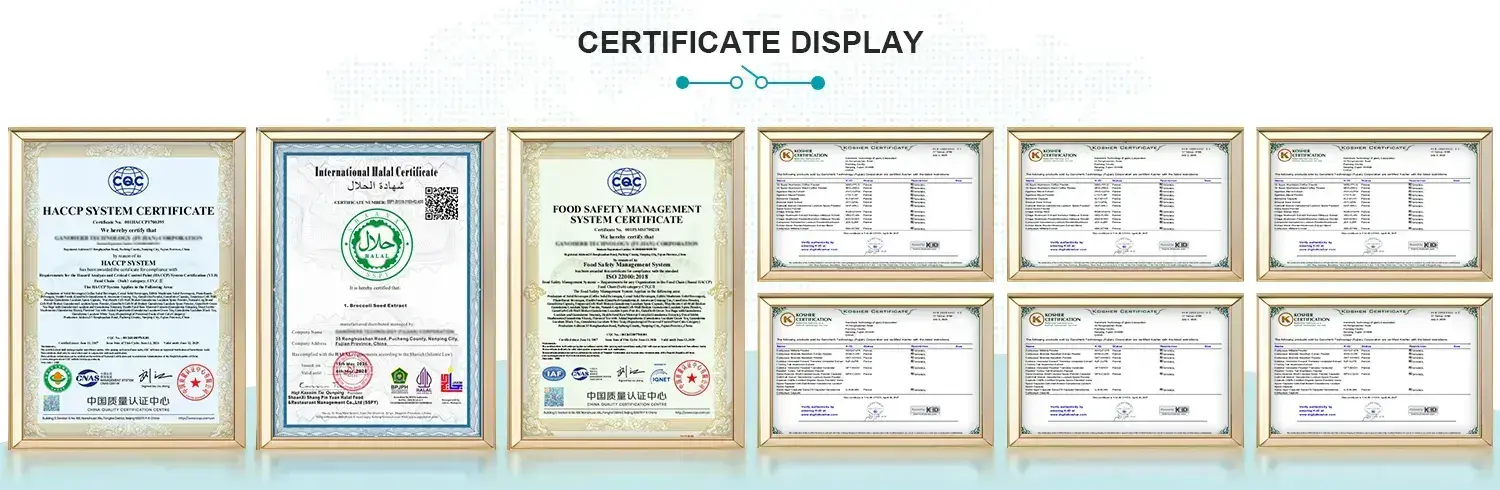
Ask for a Certificate of Analysis (CoA) from a source that lists the heavy metal limits, microbe counts, sulforaphane content by HPLC, and particle size (≥90% passing 180μm) before you make a decision. Third-party lab testing adds another level of trust, especially for products that are going into the US market, which is very regulated. EXTRABROC® has FDA, GMP, ISO22000, HACCP, and HALAL certifications, which can all be checked and make legal paperwork easier for buyers in the US.
Logistics, Packaging, and Payment Terms
The Broccoli Seed Extract 2% Sulforaphane is shipped by both air and sea freight, and the packaging is made to stay stable while it's in transit. From the warehouse to the end-use facility, the potency is kept safe by airtight, moisture-barrier packaging. Buyers should make sure that the supplier offers batch records that can be tracked and help with regulatory filings. EXTRABROC® also lets clients change the formula and specifications to fit their needs. They can also get help with HPLC analysis and work together to create new formulas.
Why Broccoli Seed Extract 2% Sulforaphane Is a Preferred Ingredient for Premium Botanical Formulations?
Formulation Stability and Efficacy
EXTRABROC®'s SFN2% product has a unique formula that includes glucoraphanin, horseradish powder (which contains myrosinase), and calcium salts. This formula creates stable, consistent sulforaphane release without the need for natural enzyme activity. This fixes one of the biggest problems in the business, which is that solubility is hard to predict. With creation patents granted in China, Japan, and the US, the core technology is safe and can't be copied, providing formulators further down the line with a truly unique ingredient.
Versatile Application Across Product Categories
This element can be used for a huge number of different functions. The main things it does are listed below:
- Anti-aging and longevity supplements: Nrf2 activation supports cellular repair mechanisms linked to healthspan research, making it a logical fit for longevity-focused product lines.
- Mood, sleep, and metabolic health formulations: Clinical studies have documented sulforaphane's role in glucose-lipid metabolism regulation, mood modulation, and sleep quality—broad claims with growing evidence support.
- Sports nutrition and weight management products: Its anti-inflammatory activity after physical stress and its role in mitochondrial function make it relevant for recovery-focused and body composition formulas.
- Advanced skincare actives: Applied topically or consumed orally, sulforaphane reduces UV-induced oxidative damage, a validated benefit for premium dermaceutical lines.
– Formulations for your mood, sleep, and metabolic health: Sulforaphane has been shown in clinical research to help control glucose-lipid metabolism, change mood, and improve the quality of sleep. These are broad claims that are getting more and more evidence to back them up.
Market Trends and Investment Value
The world market for medicinal ingredients is moving toward Broccoli Seed Extract 2% Sulforaphane that has been shown to work in clinical trials. Products with sulforaphane have been used in more than 10 finished clinical trials and real-world studies with humans. This is an incredibly strong body of evidence for a botanical extract. This scientific credibility supports higher prices, different labels, and consumer trust, all of which lead to better product sales in competitive retail markets.
Selecting the Right Supplier for Broccoli Seed Extract 2% Sulforaphane
Key Evaluation Criteria
Verified certifications (FDA, GMP, ISO22000, HACCP, HALAL), clear output capacity, full traceability from raw seed to finished extract, and an active R&D program should be at the top of your list when looking for a sulforaphane provider. As of now, over 30 of Fushan Biotechnology's 54 domestic and international patents have been granted by its R&D team, which is made up of four PhDs. That level of science funding shows a strong dedication to high-quality ingredients and long-term product development.
Branded vs. OEM Solutions
Branded raw materials, like EXTRABROC®, come with built-in reputation, patent protection, and marketing help that OEM options can't match without spending a lot of money. When brands enter new markets that are already competitive, being able to list a patented, carefully tested ingredient on their packages can really help them make money. OEM routes may work for buyers who want custom blends or proprietary formulations, and EXTRABROC® supports both. Based on order volume, patent licensing is also available.
Long-Term Partnership Value
A good relationship with a seller goes beyond the first exchange. EXTRABROC® provides technical support, HPLC analysis, help with regulatory compliance, and co-development opportunities for end products that are based on evidence. Transparency in the supply chain and good customer service after the sale lower the risk of buying something and keep the quality of the product over time. These are important things for brands that want to build customer loyalty around functional botanical lines.
Conclusion
Due to its constant bioavailability, recorded clinical proof, and patent-protected stability technology, Broccoli Seed Extract 2% Sulforaphane is used in high-quality botanical formulations. The 2% concentration is a good compromise between getting the physiological amount that end users expect and making production as cheap as possible on a big scale. When formulators buy from a certified, research-driven provider like EXTRABROC®, they get a high-performance active ingredient and a supply relationship that is clear and technically backed. When purchasing managers look at botanical actives, this ingredient meets the most important criteria: it is scientifically sound, stable, and reliable in terms of supply.
FAQ
What is the recommended daily dose of a 2% sulforaphane extract?
Most research supports 20–50 mg of actual sulforaphane per day, which equals approximately 1,000–2,500 mg of a 2% standardized extract. Dosage varies depending on the target health outcome and formulation type.
Does broccoli seed extract have a strong sulfur odor?
The extract carries a characteristic brassica odor, but the standardization process at 2% significantly reduces volatile sulfur compounds compared to unrefined extracts. It integrates well into capsules and powder blends without major organoleptic impact.
How do I verify the sulforaphane content of a sample?
Request a Certificate of Analysis (CoA) specifying HPLC-measured sulforaphane content, particle size, heavy metals, and microbial counts. Third-party lab testing adds independent verification, which is especially valuable for products entering the US regulatory environment.
Is this extract non-GMO and free from solvent residues?
EXTRABROC®'s SFN2% uses pure water extraction with no organic solvents. The source material is non-GMO and tested against over 500 indicators covering pesticide residues, microorganisms, and heavy metals.
What certifications should a reliable supplier hold?
At minimum, look for FDA, GMP, ISO22000, HACCP, and HALAL certifications. These credentials confirm that the manufacturing environment, quality systems, and product safety standards meet both domestic and international requirements.
Connect with EXTRABROC® — Your Broccoli Seed Extract 2% Sulforaphane Supplier
EXTRABROC® gives procurement teams all over the world 13 years of Nrf2-focused study and a sulforaphane technology system that is covered by a patent. We are a reliable company that makes Broccoli Seed Extract 2% Sulforaphane. We offer sample orders, HPLC-verified COAs, custom specifications, and shipping by both air and sea. Our PhD-led team is ready to help you reach your product goals, whether you need big raw materials or co-developed formulations. To get prices and samples right away, email us at info@extrabroc.com or go to extrabroc.com.
References
1. Fahey, J. W., Talalay, P., & Kensler, T. W. (2012). Notes from the field: "A tale of two broccolis." Nutrition Reviews, 70(S1), S26–S30.
2. Houghton, C. A. (2019). Sulforaphane: Its "Coming of Age" as a Clinically Relevant Nutraceutical in the Prevention and Treatment of Chronic Disease. Oxidative Medicine and Cellular Longevity.
3. Shapiro, T. A., Fahey, J. W., Dinkova-Kostova, A. T., Talalay, P., Shi, K., Wang, W., ... & Kensler, T. W. (2006). Safety, tolerance, and metabolism of broccoli sprout glucosinolates and isothiocyanates: A clinical phase I study. Nutrition and Cancer, 55(1), 53–62.
4. Yagishita, Y., Fahey, J. W., Dinkova-Kostova, A. T., & Kensler, T. W. (2019). Broccoli or sulforaphane: Is it the source or dose that matters? Molecules, 24(19), 3593.
5. Nair, S., Doh, S. T., Chan, J. Y., Kong, A. N., & Cai, L. (2008). Regulatory potential for concerted modulation of Nrf2- and Nrf1-mediated gene expression in skeletal muscle and adipocytes. British Journal of Pharmacology, 153(8), 1521–1529.
6. Tortorella, S. M., Royce, S. G., Licciardi, P. V., & Karagiannis, T. C. (2015). Dietary sulforaphane in cancer chemoprevention: The role of epigenetic regulation and HDAC inhibition. Antioxidants & Redox Signaling, 22(16), 1382–1424.