Is Broccoli Seed Extract 14% Glucoraphanin Suitable for Developing Innovative Plant-Based Functional Ingredients?
Yes — Broccoli Seed Extract 14% Glucoraphanin is well-suited for developing innovative plant-based functional ingredients. Standardized to a minimum of 14% glucoraphanin from Brassica oleracea var. italica seeds, this light yellow fine powder delivers a stable, high-density precursor to sulforaphane. Unlike raw broccoli sprout powders, it provides consistent, HPLC-verified potency across every batch. Its water-extraction process leaves no organic solvent residues, and its 24-month shelf life at room temperature makes it a practical, science-backed choice for B2B formulators across nutraceuticals, functional foods, and beyond.
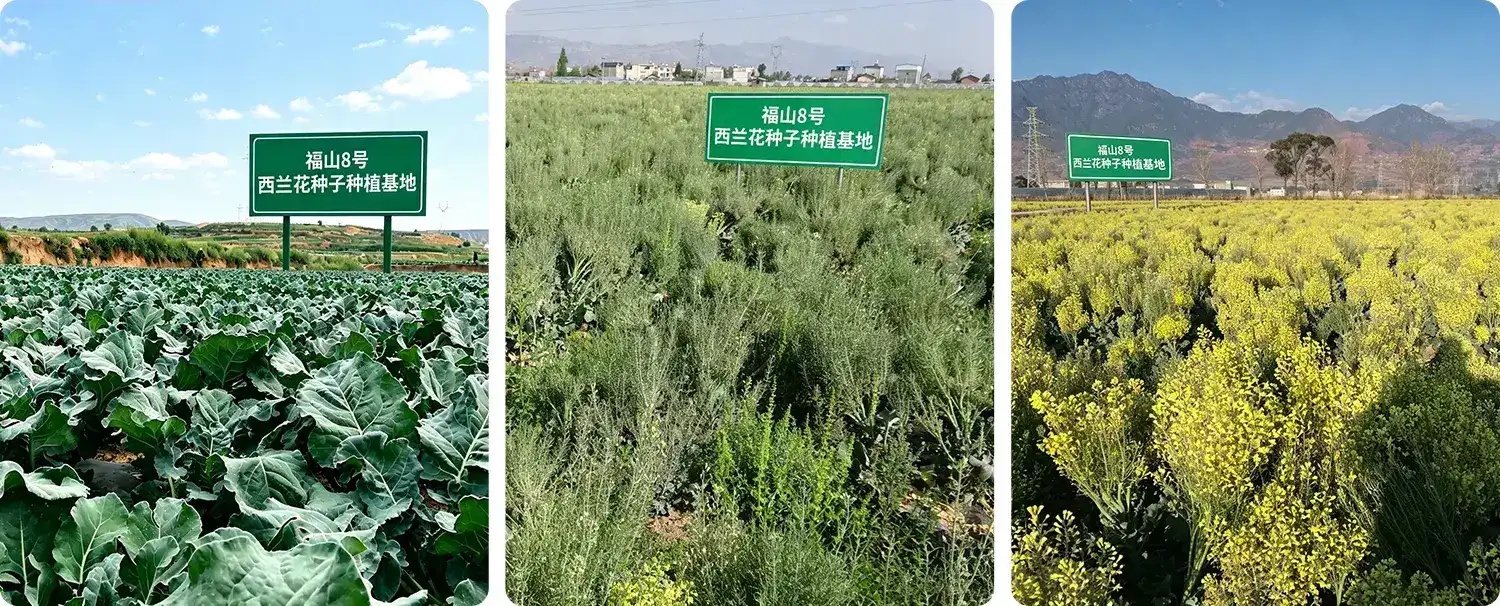
Understanding Broccoli Seed Extract 14% Glucoraphanin
What Is Glucoraphanin and How Does It Work?
Glucoraphanin is a glucosinolate chemical that is found in large amounts in broccoli seeds. The myrosinase enzyme changes glucoraphanin into sulforaphane when it is eaten. This enzyme can come from gut bacteria or be added to the recipe on its own. Then, sulforaphane turns on the Nrf2 signaling system, which controls the body's reaction to free radicals and detoxification. This change caused by enzymes is what makes glucoraphanin a good precursor: it stays chemically stable until it gets to the body, where it produces sulforaphane when needed.
Why 14% Standardization Matters?
The percentage of 14% is not a guess. It has the right amount of ingredients and is made quickly and efficiently. Extracts with lower concentrations, like 5% or 10%, need higher fill weights to reach a useful amount, which limits the types of capsules that can be used. At 14%, a smaller amount of raw material has the same effect on activating Nrf2. This means that the capsules are smaller and the total cost per serving is lower. HPLC testing is done on each batch to make sure that buyers get a uniform, known yield of sulforaphane precursor, not just a guess.
What Does the Research Say?
Glucoraphanin's bioactivity at standard doses has been supported by published human trials. A 2012 study in the journal Cancer Prevention Research showed that broccoli sprout products with measurable amounts of glucoraphanin increased the activity of Phase II detoxification enzymes in people. In a separate study published in 2014 in PNAS, sulforaphane, which is made from glucoraphanin, was shown to help cells fight oxidative stress. When buying teams look at this ingredient for health claims in controlled markets, these results give them a solid scientific base to do so.
Advantages for Developing Plant-Based Functional Ingredients
Stability and Concentration Edge Over Alternatives
Chemical instability is one of the main problems with finished sulforaphane. It breaks down quickly when it comes into contact with heat, water, or light. Glucoraphanin products, on the other hand, can be stored properly and stay stable at room temperature for up to 24 months. This feature gives producers a lot more freedom when it comes to making, storing, and sending goods. The 14% grade needs less raw material per batch than lower-percentage seed extracts. It's also easier to keep track of quality across large-scale runs.
Here are the main benefits that product makers can get from using this extract in formulations:
- Tablet and capsule compatibility: Particle size ≥90% passing 180μm supports smooth tableting and encapsulation without clumping or flow issues, reducing manufacturing downtime.
- Beverage and powder formats: Superior water solubility allows clear or near-clear dispersion in functional beverages and wellness shots, where sedimentation is a disqualifying defect for many brands.
- Multi-ingredient blends: The extract pairs well with other plant-based bioactives — such as quercetin or resveratrol — without chemical interference, enabling synergistic antioxidant formulations in a compact delivery form.
Because of these features, Broccoli Seed Extract 14% Glucoraphanin can be used in functional drinks, pills, powders, dietary supplements, FSMP formulations, sports nutrition, and dietary supplements. These are all allowed uses for this ingredient.
Cost-Effectiveness Compared to Sulforaphane Supplements
Because of the need for stability management, finished sulforaphane supplements are much more expensive to make. Because it is naturally stable, glucoraphanin extract doesn't need to be handled in a cold chain and has a longer shelf life. This means that formulation risk is lower for industry R&D teams, and they can use better cost-per-active-dose estimates when making business cases for new product lines.
Quality, Sourcing, and Procurement Considerations
What to Look for in a Certified Supplier
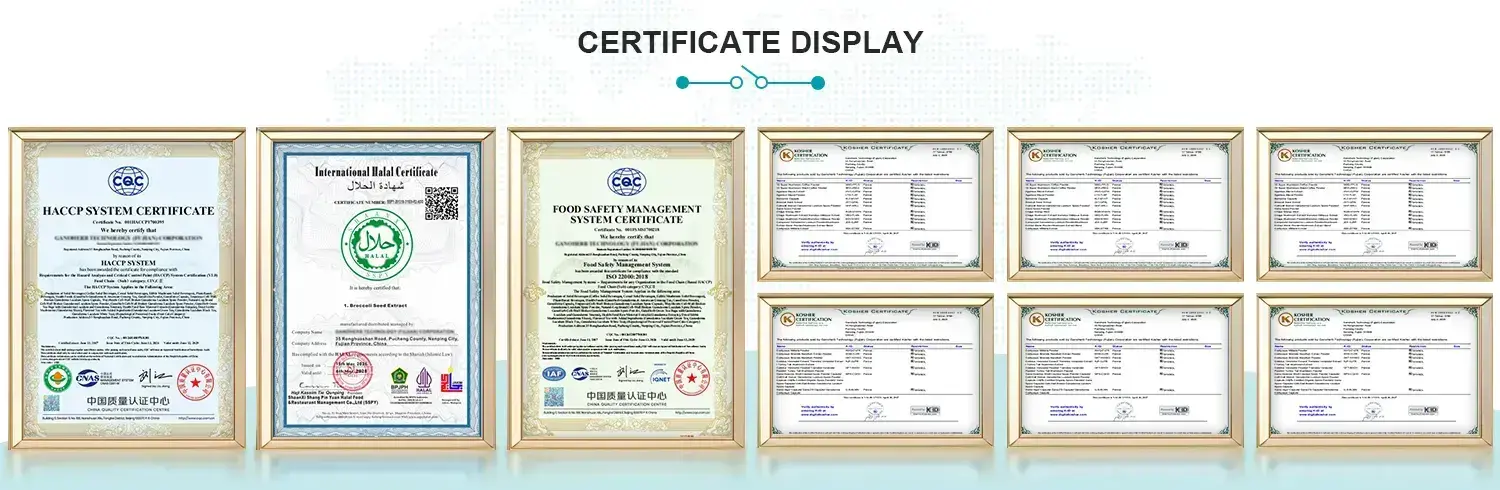
For business-to-business purchases in controlled markets, the norm is to get goods from a company that has FDA, GMP, ISO22000, HACCP, and HALAL certifications. In addition to certificates, buyers should ask for heavy metal testing results and bacteria count data from a third party. As a point of reference, the EXTRABROC® Broccoli Seed Extract 14% Glucoraphanin shows that it has 0.052 mg/kg of arsenic (inorganic) and 280 cfu/g of total aerobic bacteria, which are both well below the levels considered safe by international health authorities.
Full Traceability From Seed to Shipment
Traceability of ingredients is a procurement criterion that is often forgotten. Full-process quality control is used by EXTRABROC® from growing the seeds to testing, packing, and finally storing the finished product. A special pre-treatment process gets rid of risk impurities like allyl isothiocyanate, which is a chemical that is found in processing cruciferous plants and can be dangerous in high-exposure situations. This built-in risk management step makes it easier for buyers to follow the rules.
Bulk Supply and Customization Options
When purchasing teams look at big orders, they will find that a steady annual supply capacity of 50 tons makes it easy to plan deliveries without having to worry about lead times. The extract can be shipped by both air and sea freight, and suppliers can meet special needs such as changing the amount of ingredients, the dosage form, or creating a new combination recipe. Because private labeling is an option, this extract can be used as a starting point by brands at any point in the product development process.
Safety, Dosage, and Regulatory Aspects
Evidence-Based Dosage Parameters
According to a new study, the daily dose of glucoraphanin should be between 10 mg and 100 mg, based on the health purpose and the people who will be taking it. For activating the Nrf2 pathway in health situations in general, doses at the lower end of this range have been shown to increase antioxidant enzymes in human studies. More than 10 human clinical trials and real-world studies have proven that EXTRABROC®'s extract works. This means that formulators can use evidence-based dose data instead of guesses based on animal models.
Regulatory Compliance Across Key Markets
Broccoli Seed Extract 14% Glucoraphanin meets the standards set by China's National Health Commission for broccoli seed watery extract as a New Food Raw Material. The US FDA has given it the "Grade A" label, and it also meets the USP-NF pharmacopeia standards. These are two of the most important quality standards for dietary supplement products in the US market. The clean-label profile (non-GMO, no organic solvent residues, and no gluten or allergen contamination) is in line with current import rules and consumer demands for transparency for brands that want to sell in the EU or Asia.
Safety Profile and Contraindications
Animal and human studies on toxicology have shown over and over that glucoraphanin is safe at the amounts that are suggested. With the pure water extraction method, there are no worries about leftover solvents. Formulators should be aware that people who take warfarin or other blood-thinning drugs may need to be told how much to take because cruciferous-derived materials naturally contain vitamin K. This is just a suggestion, though, not a strict reason not to use them.
Why Choose Broccoli Seed Extract 14% Glucoraphanin for Your Innovative Products?
Patent-Protected Technology
The sulforaphane release method used by EXTRABROC® is covered by invention patents in Japan and China, with its US patent under substantive examination.. Because this patent covers multiple countries, it is hard for generic suppliers to copy the 14% product's extraction method, standardization process, and performance benchmarks. Associating with a patented ingredient platform gives brands that are building a science-based product story more credibility in the eyes of regulators and customers.
Validated Performance in Commercial Applications
The extract has been used in nutraceutical products to support clinical-grade detoxification supplement lines where a consistent glucoraphanin yield per capsule was the most important quality requirement. Its high active concentration made it possible to give a full antioxidant defense blend in a single pill without going over the normal capsule fill weights. These results from real life show that the extract works as promised in a range of application types and regulatory settings.
Market Demand Is Growing
As more people become interested in plant-based health ingredients that have been proven by science, the global broccoli extract market has grown steadily. When brands use a standard ingredient that is backed by evidence early on in the product development process, they are better able to keep up with category growth without having to risk changing their recipes. Today's choice to buy from a certified seller of Broccoli Seed Extract 14% Glucoraphanin sets a quality standard that can be used to increase the size of future products.
Conclusion
Broccoli Seed Extract 14% Glucoraphanin meets the most important criteria for B2B formulators: it has been shown to be bioactive, it can stay stable at room temperature for 24 months, it has been tested for quality, and it is accepted by regulators in multiple markets. Its HPLC-standardized glucoraphanin content ensures a steady yield of sulforaphane precursors, and the pure water extraction and full traceability process get rid of the risk that comes with botanical ingredients. Whether you are making a functional drink, dietary supplement, or clinical nutrition product, this extract is a solid base that is backed by science.
FAQ
Does the extract contain active myrosinase?
The water extraction process typically inactivates myrosinase to preserve glucoraphanin stability during storage. Many formulators add a separate myrosinase source — such as mustard seed powder — to the finished product to trigger conversion in the gut. This approach gives formulators precise control over conversion timing and rate.
How is the 14% glucoraphanin content verified?
Each batch is tested by HPLC (High-Performance Liquid Chromatography) using an external standard of potassium glucoraphanate. This method provides quantitative, batch-specific data rather than estimated ranges, which is the standard accepted by FDA-regulated dietary supplement manufacturers.
Is the extract non-GMO and allergen-free?
Yes. The extract is derived from non-GMO broccoli seeds and contains no gluten, soy, or dairy, making it compatible with clean-label product requirements across both the US and EU markets.
What formats are available for bulk orders?
The extract is available as a light yellow fine powder suitable for direct encapsulation, tablet compression, sachet filling, or beverage blending. Custom specifications and combination formulations are available based on order volume.
What is the minimum order quantity?
Contact EXTRABROC® directly at info@extrabroc.com to discuss order quantities, pricing, and lead times tailored to your production requirements.
Partner with EXTRABROC® for Your Next Functional Ingredient Project
You can get Broccoli Seed Extract 14% Glucoraphanin directly from a reliable source through EXTRABROC®. This seller has a stable 50-ton annual supply capacity, 13 years of nutritional science focused on Nrf2, and patent-protected extraction technology. Our team is ready to help you whether you need bulk raw materials, help with regulatory paperwork, or help making a custom formula. To get examples and detailed data sheets, email info@extrabroc.com or go to extrabroc.com right now.
References
1. Fahey, J. W., Zhang, Y., & Talalay, P. (1997). Broccoli sprouts: An exceptionally rich source of inducers of enzymes that protect against chemical carcinogens. Proceedings of the National Academy of Sciences, 94(19), 10367–10372.
2. Kensler, T. W., Egner, P. A., Agyeman, A. S., et al. (2012). Keap1–Nrf2 signaling: A target for cancer prevention by sulforaphane. Cancer Prevention Research, 5(4), 579–588.
3. Shapiro, T. A., Fahey, J. W., Dinkova-Kostova, A. T., et al. (2006). Safety, tolerance, and metabolism of broccoli sprout glucosinolates and isothiocyanates in humans. Cancer Epidemiology, Biomarkers & Prevention, 15(6), 1234–1238.
4. Egner, P. A., Chen, J. G., Zarth, A. T., et al. (2014). Rapid and sustainable detoxification of airborne pollutants by broccoli sprout beverage: Results of a randomized clinical trial in China. Cancer Prevention Research, 7(8), 813–823.
5. Dinkova-Kostova, A. T., & Talalay, P. (2008). Direct and indirect antioxidant properties of inducers of cytoprotective proteins. Molecular Nutrition & Food Research, 52(S1), S128–S138.
6. Bahadoran, Z., Mirmiran, P., & Azizi, F. (2013). Dietary polyphenols as potential nutraceuticals in management of diabetes: A review. Journal of Diabetes & Metabolic Disorders, 12(1), 43.