Broccoli Seed Extract 1% Sulforaphane Supports Botanical Ingredient Development for Green Food and Natural Product Applications
Broccoli Seed Extract 1% Sulforaphane is gaining serious attention among formulators and procurement teams in the green food and natural product sectors. Standardized to deliver a minimum of 1% sulforaphane by HPLC, this botanical ingredient offers consistent bioactive output, two-year room-temperature stability, and verified safety profiles that meet FDA, GMP, ISO22000, HACCP, and HALAL standards. For manufacturers building health-forward product lines—from functional foods to nutraceutical capsules—this level of standardization removes the guesswork and builds supply chain confidence from the ground up.
Understanding Broccoli Seed Extract and How 1% Sulforaphane Works
What Makes Seed-Derived Extracts Different?
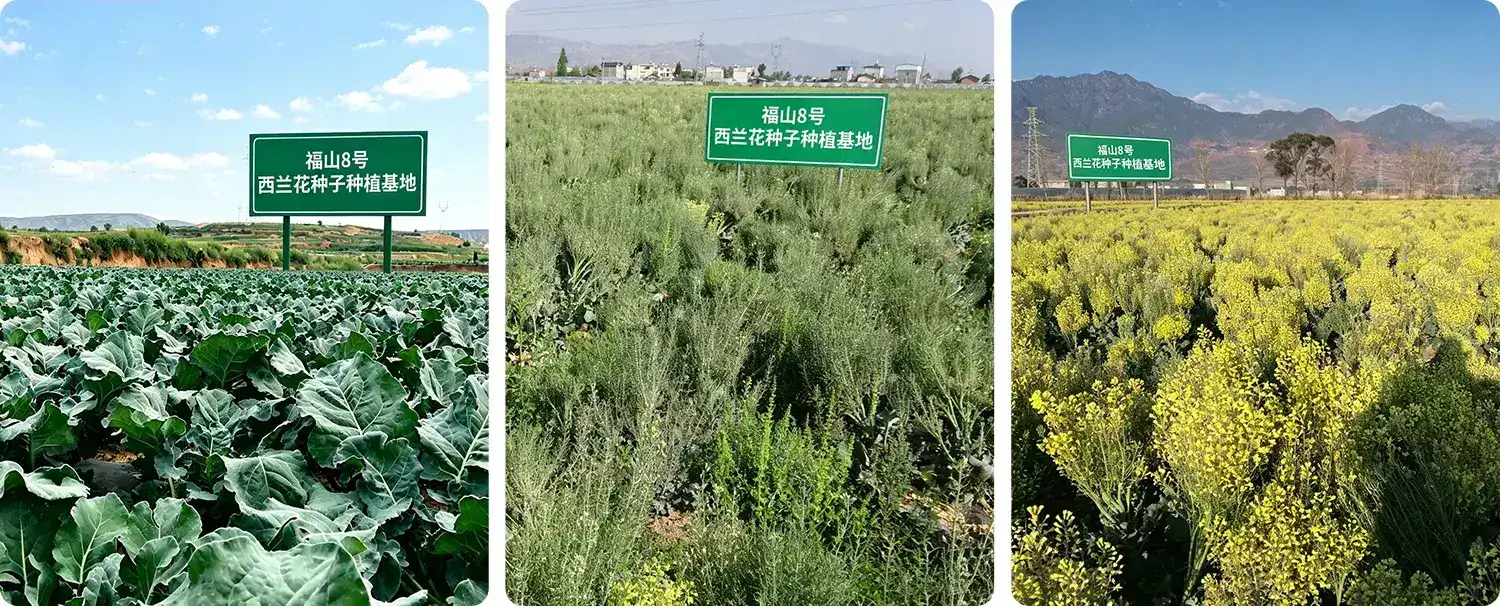
Broccoli seeds have a lot more glucoraphanin, which is a direct precursor to sulforaphane, than broccoli stems or sprouts. To make EXTRABROC® SFN 1%, seeds of Brassica oleracea var. italica are extracted with pure water (no chemical solvent remains). The seeds come from China. The end result is a fine, light yellow powder with particles that are at least 90% of the way down to 180μm in size. It meets the standards of both USP-NF and Chinese New Food Raw Material.
The Nrf2 Mechanism Explained
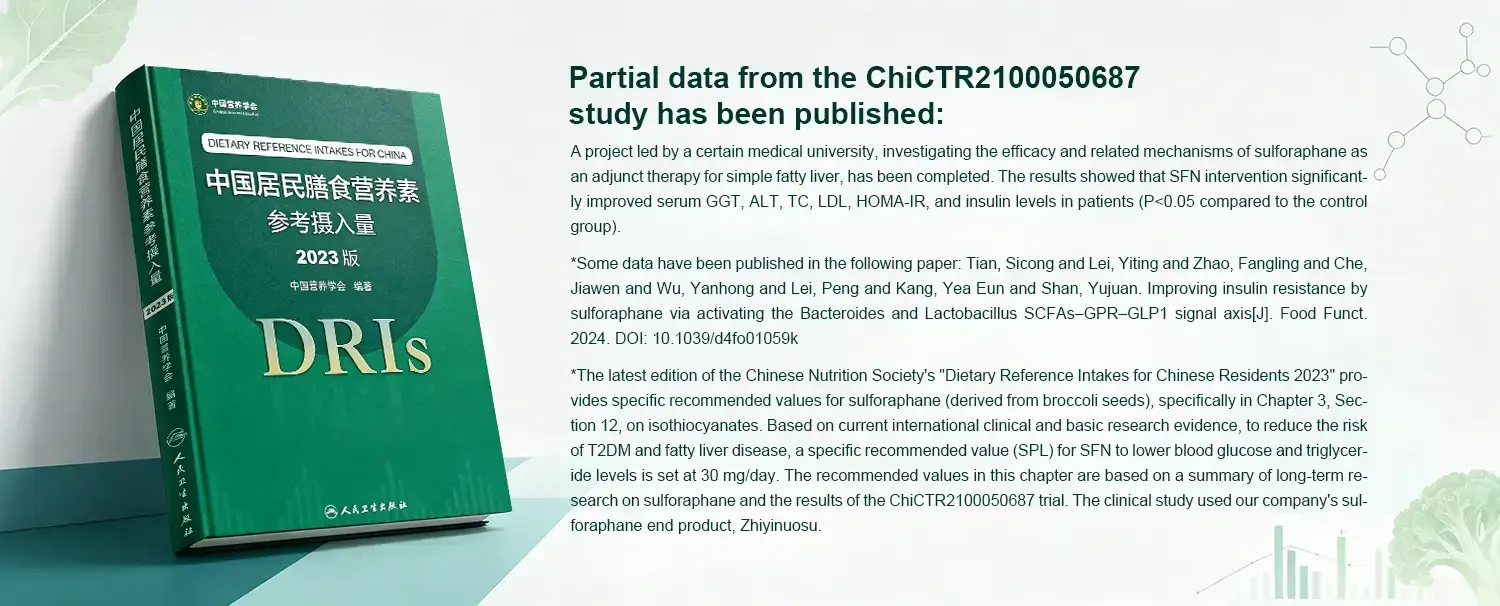
The Nrf2 signaling pathway is turned on by sulforaphane. This makes cells produce Phase II detoxification enzymes. This process lessens oxidative stress, signs of systemic inflammation, and helps cells heal. According to published research, Nrf2 activation is one of the body's best defenses against cell damage that comes with getting older (Fahey et al., 2012).
Why Standardization at 1% Matters?
The quantity of 1% is not chosen at random. It strikes a good balance between practical dosage, formulation flexibility, and consumer safety. The patented formula in EXTRABROC® has an in vivo conversion rate of ≥55.8%. This means that a standard dose consistently gives the right amount of sulforaphane to the body, even if each person's gut bacteria are different, which is known to happen with raw glucoraphane-only supplements.
Comparing This Extract With Other Sulforaphane Sources
1% vs. Higher-Concentration Extracts
Higher concentration extracts, like 3% sulforaphane, make the drug more effective per gram, but they also have poor economy and smaller dose windows.The 1% format has better cost-per-dose economics and more predictable shelf-life performance for green foods that are sold to a lot of people. At room temperature for 24 months, EXTRABROC® SFN 1% doesn't break down or lose its effectiveness. This is a standard that 3% extracts rarely reach without cold-chain supplies.
Seed Extract vs. Sprout Extract
Glucoraphanin and myrosinase are found in Broccoli Seed Extract 1% Sulforaphane in a fresh-state ratio. But goods made from sprouts have less stable active ingredients and don't last as long. Seed extracts let you control the entry of enzymes. For example, EXTRABROC® has horseradish powder (with myrosinase) and calcium salts along with glucoraphanin in a patented recipe that makes sure the enzymes work properly when the supplement is absorbed rather than when it is stored.
Natural Plant-Derived vs. Synthetic Sulforaphane
Synthetic sulforaphane is made in labs, but there is currently no way for it to get approved by the FDA for use in consumer goods in the US. Natural sulforaphane from broccoli seeds is considered "Grade A" by the FDA and meets the standards of the USP-NF pharmacopeia. Brands that want to get clean-label and non-GMO labels always choose plant-based choices. EXTRABROC® SFN 1% passes tests for over 500 pesticide, microorganism, and heavy metal markers.
Application in Botanical Ingredient and Green Product Development
In the US customer market, the need for plant actives backed by science keeps growing. EXTRABROC® SFN 1% fits this trend in a number of different product areas. Here are the main areas of use that clinical and compositional evidence support:
- Anti-aging and longevity supplements: Nrf2 pathway activation supports cellular antioxidant defense, making SFN 1% a natural fit for premium capsule or softgel formulations targeting aging populations.
- Metabolic health and weight management: Ten or more completed human clinical trials and real-world studies back sulforaphane's role in glucose metabolism and inflammation reduction, giving formulators credible label claims.
- Sports nutrition: Oxidative stress generated during intense exercise is a recognized recovery barrier. Sulforaphane's Phase II enzyme induction offers a natural performance-support angle for clean-label sports products.
- Mood and sleep support: Emerging clinical data links Nrf2 activation to neuroinflammation reduction, opening formulation opportunities in the growing mental wellness segment.
- Functional food and beverage: The water-soluble nature of the extract and its fine powder format support blending into superfood powders, fortified bars, and botanical drink mixes.
These types of applications are based on written science and current market demand. EXTRABROC® helps partners get their ideas from the drawing board to the market by giving them evidence-based formulation help, proof of HPLC testing, and patent licensing choices.
Procurement and Sourcing: What to Verify Before You Buy
Sourcing decisions for Broccoli Seed Extract 1% Sulforaphane carry long-term product quality implications. Here is what rigorous procurement due diligence covers for this ingredient category:
- Active ingredient assay: Request HPLC-verified CoA confirming sulforaphane ≥1.0%, with internal test method documentation.
- Heavy metal screening: ICP-MS data should confirm arsenic (inorganic) at 0.042 μg/g or below, along with Pb, Hg, and Cd within USP <561> limits.
- Microbial integrity: Total aerobic bacterial count should be <10 cfu/g, with confirmed absence of E. coli and Salmonella per USP <2021/2022>.
- Pesticide residue coverage: GC-MS/LC-MS screening across 500+ compounds ensures clean-label compliance.
- Traceability documentation: Full-chain traceability from seed cultivation through extraction and packaging is non-negotiable for premium brand partners.
EXTRABROC® supports bulk orders up to 50 tons per year, with air and sea freight options, customizable specifications, and private label packaging. The company also offers formula customization, collaborative technical development, and process support, including HPLC analysis for partner QA teams.
Market Outlook: Where This Category Is Heading?
In the US natural goods market, more and more people want bioactives that come from plants and are backed by proof. According to Grand View Research (2023), the global nutraceutical market will be worth more than $500 billion by 2028. One of the fastest-growing groups will be functional plant ingredients. Sulforaphane is a good example of a healthy ingredient that meets the needs of consumers who want clean labels and antioxidants. This makes it a good choice for long-term growth in the field.
The technology used for extraction keeps getting better. The patented sulforaphane release system used by EXTRABROC® is covered by design patents in China, Japan, and the US. This system is a technical barrier that can't be copied. For business-to-business partners, this means having access to a secret platform for ingredients that rivals can't just get from somewhere else.
Conclusion
Broccoli Seed Extract 1% Sulforaphane plays a unique role in the creation of plant ingredients. It is one of the most technically sound plant actives that US manufacturers can get right now because it has Nrf2-targeted bioactivity, two years of stability at room temperature, a ≥55.8% in vivo conversion rate, and wide regulatory compliance. The standard 1% format gives product makers the stability they need and regulators the safety rating they need, whether it's for a premium supplement, a functional food blend, or a clean-label sports nutrition product.
FAQ
What is the recommended dosage for sulforaphane in finished products?
According to clinical studies, people should take between 10 mg and 40 mg of sulforaphane every day, based on the health purpose. A 1g dose of EXTRABROC® SFN 1% extract gives you about 10 mg of active sulforaphane, and in vivo conversion has been proven to be at least 55.8%. The exact dose should match the product's claims and the rules that apply in the target markets.
Is this extract safe for long-term consumer use?
It is true that EXTRABROC® SFN 1% is FDA GRAS and meets USP-NF standards. The raw material is non-GMO, made with pure water extraction, and doesn't have any chemical solvent leftovers. It also passes over 500 tests for heavy metals, pesticides, and microorganisms. Its safety and effectiveness have been backed up by more than 10 completed human clinical trials.
How can sulforaphane stability be maintained in finished formulations?
SFN 1% has a stabilized matrix that uses a patented carrier system to stay active for 24 months at room temperature. To keep the finished product stable, formulators should keep blended goods out of direct light, heat, and wetness. Bioavailability through the stomach is further protected by encapsulation in gastric-resistant capsules.
What certifications does this ingredient carry?
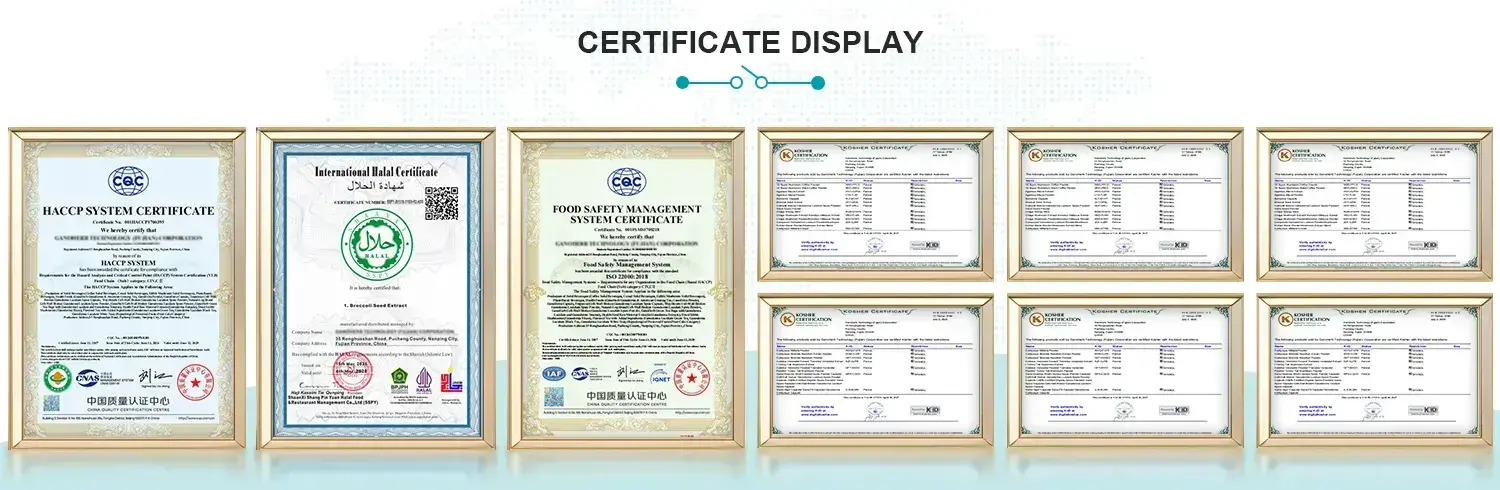
EXTRABROC® SFN 1% is approved by the FDA, GMP, ISO22000, HACCP, and HALAL boards. It also fits with what China's National Health Commission said about broccoli seed watery extract being a New Food Raw Material.
Partner With EXTRABROC® for Your Next Natural Product Launch
Broccoli Seed Extract 1% Sulforaphane from EXTRABROC® is made with technology that is protected by a patent, has been tested on more than 10 people, and has a confirmed supply capacity of 50 tons per year. As a reliable provider of Broccoli Seed Extract 1% Sulforaphane, we offer our qualified partners CoA paperwork, sample requests, and flexible bulk prices. Visit extrabroc.com or email our technical team at info@extrabroc.com right now to get your product information and start talking about formulation.
References
1. Fahey, J. W., Zhang, Y., & Talalay, P. (1997). Broccoli sprouts: An exceptionally rich source of inducers of enzymes that protect against chemical carcinogens. Proceedings of the National Academy of Sciences, 94(19), 10367–10372.
2. Dinkova-Kostova, A. T., & Kostov, R. V. (2012). Glucosinolates and isothiocyanates in health and disease. Trends in Molecular Medicine, 18(6), 337–347.
3. Shapiro, T. A., Fahey, J. W., Wade, K. L., Stephenson, K. K., & Talalay, P. (2001). Chemoprotective glucosinolates and isothiocyanates of broccoli sprouts. Cancer Epidemiology, Biomarkers & Prevention, 10(5), 501–508.
4. Houghton, C. A. (2019). Sulforaphane: Its "coming of age" as a clinically relevant nutraceutical in the prevention and treatment of chronic disease. Oxidative Medicine and Cellular Longevity, 2019, 2716870.
5. Tortorella, S. M., Royce, S. G., Licciardi, P. V., & Karagiannis, T. C. (2015). Dietary sulforaphane in cancer chemoprevention: The role of epigenetic regulation and HDAC inhibition. Antioxidants & Redox Signaling, 22(16), 1382–1424.
6. Grand View Research. (2023). Nutraceuticals Market Size, Share & Trends Analysis Report, 2023–2028. Grand View Research, Inc.