How Does Stachyose 70% Powder Support Advanced Probiotic Products and Specialized Nutrition Applications?
Stachyose 70% Powder is a high-purity functional tetrasaccharide prebiotic extracted from botanical sources such as Stachys affinis (Chinese artichoke). With a molecular formula of C₂₄H₄₂O₂₁, it acts as a selective carbon source for beneficial gut microbiota—particularly Bifidobacteria and Lactobacilli—while remaining indigestible by human gastric enzymes. Its ≥70% purity specification, verified by HPLC, delivers a consistent cost-to-efficacy ratio that makes it particularly attractive for B2B formulators developing advanced probiotic supplements and specialized nutrition products targeting digestive health, immune modulation, and metabolic wellness.
Understanding Stachyose 70% Powder: Composition, Mechanism, and Benefits
Botanical Origin and Chemical Profile
Naturally, stachyose is found in Stachys affinis, some legumes, and traditional herbs like Rehmannia glutinosa. We get our product from carefully chosen veggie sources using a water-based process that creates a white powder that is ≥70% tetrasaccharide and has a shelf life of 24 months. It is also certified by ISO22000, HACCP, and HALAL. HPLC testing proved that the levels of heavy metals and microbes meet international standards for food safety.
How It Feeds Your Probiotic Strains?
The tetrasaccharide structure of stachyose doesn't get broken down by stomach enzymes, so it stays whole in the gut. There, Bifidobacteria and Lactobacilli digest it specifically, growing at a rate that is said to be 40 times faster than with regular prebiotics. This tailored fermentation is what makes it useful in synbiotic preparations, where the most important things are probiotic survival and colonization efficiency.
Gut Barrier and Immune Modulation
Byproducts of fermentation, mostly short-chain fatty acids, lower the pH of the intestines, stop pathogens from growing, and speed up the movement of the mucosa. Stachyose also breaks down into immune-active pieces like manninotriose and melibiose, which make the body make more immunoglobulin A (IgA). The body has a lot of IgA immunoglobulin, which helps fight viruses, toxins, and harmful germs.
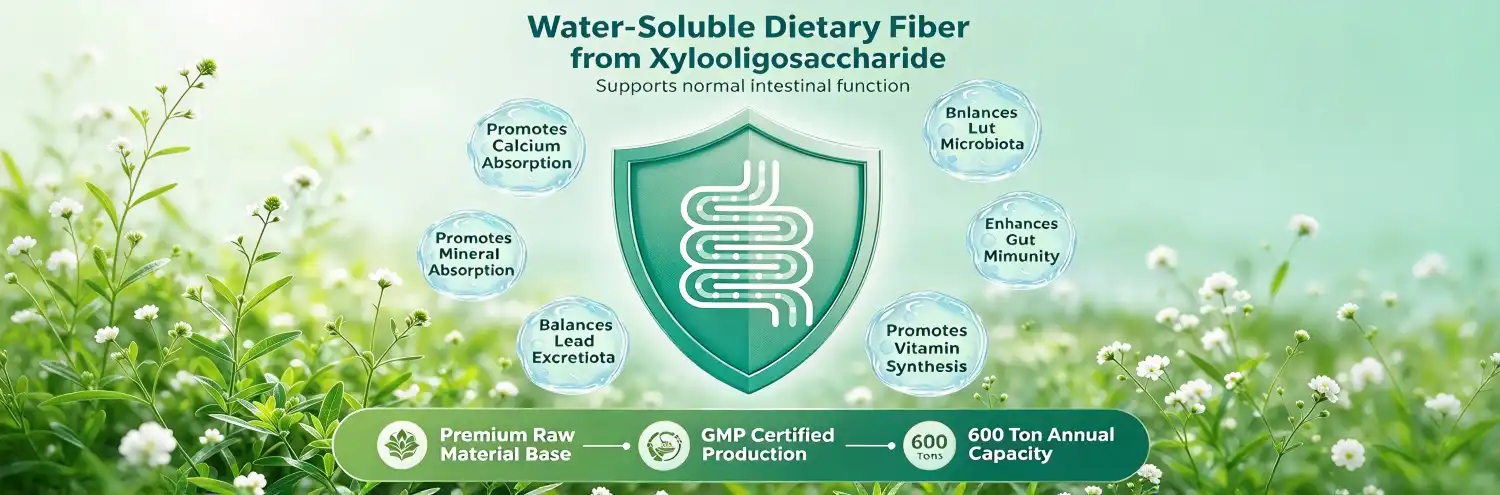
Comparing Stachyose 70% Powder with Other Prebiotic Oligosaccharides
Structural Differences That Matter
Fructooligosaccharides (FOS) and inulin are prebiotics that are fructan-type and have straight chains. Raffinose, on the other hand, is a trisaccharide. This sugar is made up of four units: two galactose units, one glucose unit, and one fructose unit. This longer chain is better at withstanding acidic conditions (pH 3.0–7.0) and high temperatures up to 140°C. FOS and inulin don't always have these qualities when heated or in acidic drinks.
Selectivity and Tolerability
FOS is processed in many places, which can make sensitive people have gas and bloating. Because Stachyose 70% Powder is more selective for Bifidobacteria, it leads to less fermentation gas. This difference is clinically meaningful and helps formulators make their finished products stand out in categories that aim to make digestion easier, like infant nutrition or senior wellness.
Supplier Source Quality and Compliance
Stachyose from Stachys affinis has the best taste and highest purity. It doesn't have the bitter notes that come from extracts from Rehmannia or the high sugar content that comes from soybeans (often only about 30% purity with over 40% sucrose). When buying for controlled markets, you have to make sure that the seller has ISO22000, HACCP, and HALAL certifications in order to get the goods into the country and make sure that the labels are correct.
Optimizing Application of Stachyose 70% Powder in Advanced Probiotic Products
Dosing and Compatibility Guidelines
Standard amounts that work well in functional foods are usually between 1 g and 5 g per serving, but this depends on the health claim and the target group. Stachyose 70% Powder is easily dissolved in water and has a low viscosity, so it can be used as a filler in capsules, bags, drinks, and baked goods without changing their taste or smell. Its non-reducing structure also stops Maillard browning, which happens when reducing sugars are heated and processed.
In real-life formulations, this ingredient works regularly in the following situations:
- Synbiotic capsules: Stachyose acts as a targeted energy source for co-encapsulated Bifidobacterium strains, supporting CFU viability from manufacturing through gastrointestinal transit. Its stability at stomach pH ensures it reaches the colon intact.
- Infant and senior nutrition powders: At low inclusion rates, it mimics the prebiotic profile of human milk oligosaccharides (HMOs) and promotes Bifidobacterium infantis colonization in sensitive digestive systems—relevant for both ends of the age spectrum.
- Functional beverages and meal replacements: With thermal stability up to 140°C and acid resistance down to pH 3.0, it survives pasteurization and acidic formulation conditions where inulin or FOS would degrade.
Because of these qualities, it is easy to mix with other ingredients and solves real problems with stability and effectiveness across all product types.
Safety Profile and Market Validation
Stachyose is a naturally occurring sugar that has been eaten for a long time in East Asian food culture. Since it doesn't need insulin to be broken down, it can be used in diabetic-friendly and low-glycemic product lines. It gives you about 2.0 kcal/g and has a very low glycemic index. Functional dairy, vitamins, and medical nutrition goods sold in international markets have been shown to be well tolerated by consumers, and there have been no reports of dependence effects.
B2B Procurement Guide: Sourcing Quality Stachyose 70% Powder
Key Purchasing Criteria
When buying Stachyose 70% Powder, teams should ask for HPLC certificates that show the product has at least 70% tetrasaccharide content, microbiological screening data (Total Plate Count <1,000 cfu/g; Yeast and Mold <100 cfu/g; absence of E. coli and Salmonella), and heavy metal test reports. For dry-blend uses, a particle size range (usually 80–100 mesh) should be given to make sure that each batch is the same.
Certifications and Regulatory Compliance
For the US market, make sure that the item comes with the right food safety paperwork that meets FDA standards. The places where we make things are certified by ISO22000, HACCP, and HALAL. We keep our production at a steady 1,000 tons per year, so we can handle big orders without affecting the supply line. There are choices for both air and sea freight, and the specs can be changed to fit the needs of each client.
Vetting Your Supplier Effectively
Check the supplier's extraction method as well as their certificates. Using water to remove stachyose from plants keeps the end ingredient cleaner and avoids leaving behind organic solvent residues. Ask the supplier if they can provide TLC identification data to prove that there are no synthetic additives or lower-order sugars that are contaminating the product. Before committing to large orders, ask for samples, and as a standard procedure, run independent HPLC verification.
Future Prospects: Trends in Prebiotic Ingredients and Probiotic Product Innovation
Microbiome Science Is Driving Demand
Over the past ten years, studies into the gut bacteria have sped up a great deal. The global market for prebiotic ingredients is expected to grow slowly through 2030, as more people become aware of the link between the gut and the immune system. Because it has been shown to selectively target Bifidobacteria and has a clean label appeal, stachyose fits right in with the natural, plant-based ingredient trend that US food and supplement brands are putting a lot of effort into.
Personalized Nutrition and Synbiotic Innovation
It is becoming more common for personalized nutrition platforms to match certain probiotic strains with corresponding prebiotics in order to achieve specific microbiome outcomes. Stachyose works well as a prebiotic partner for formulas that focus on Bifidobacterium longum and B. infantis. These formulas are becoming more popular in the areas of gut health in adults, microbiome development in infants, and immune resilience. For manufacturers and contract formulators looking for a unique position, this makes it easy to grow.
Sustainable Sourcing as a Market Signal
Ingredients that come from plants and are extracted with water are better for the world than synthetically made ones. As claims about sustainability get more attention from regulators and consumers in the EU and US markets, natural-origin stachyose with traceable botanical sourcing tells a convincing story that helps with both marketing and compliance goals.
Conclusion
Scientists have found that Stachyose 70% Powder is a good prebiotic ingredient that works in a well-known way, can be used in a lot of different ways, and has a good safety record. Because it is structurally stable, selective for good microbiota, and works with a variety of product forms, from synbiotic capsules to functional drinks, it is a good choice for B2B formulators who work in gut health, immune nutrition, and other specialized dietary categories. The easiest way to get regular product performance and regulatory trust is to buy from a recognized seller whose production capacity has been checked and whose quality controls are very strict.
FAQ
Is stachyose suitable for diabetic-friendly product formulations?
Yes. Stachyose has a very low glycemic index and doesn't cause insulin to be released because it doesn't go through any digestive enzymes. Because of this, it can be used as a useful fiber in low-glycemic and diabetes foods. Note: People with diabetes should be careful if an extract has more than 40% sugar or glucose. Our ≥70% purity standard lowers this risk.
How does it differ from FOS in practical formulation terms?
FOS ferments widely and can cause more gas in the gut. Stachyose ferments more specifically for Bifidobacteria, which makes the process less painful. It also holds up better against heat and acid, which makes it a better choice for baked goods and pasteurized drinks.
What is the recommended shelf life and storage condition?
It can be kept for 24 months. Keep the covered containers in a cool, dry place. The powder absorbs some water, so it's important to keep the moisture level low while handling and mixing it.
How do I verify the quality of a batch before full-scale procurement?
Ask for full microbiological and heavy metal reports along with HPLC certificates of analysis that confirm a tetrasaccharide content of at least 70%. Before committing to large orders, you should get an independent third-party HPLC check done on your end.
Can it be used in clear liquid products?
Yes. Stachyose 70% Powder breaks down into a clear, white liquid that doesn't have much density. At normal inclusion rates, it doesn't cloud drinks or change the way they taste.
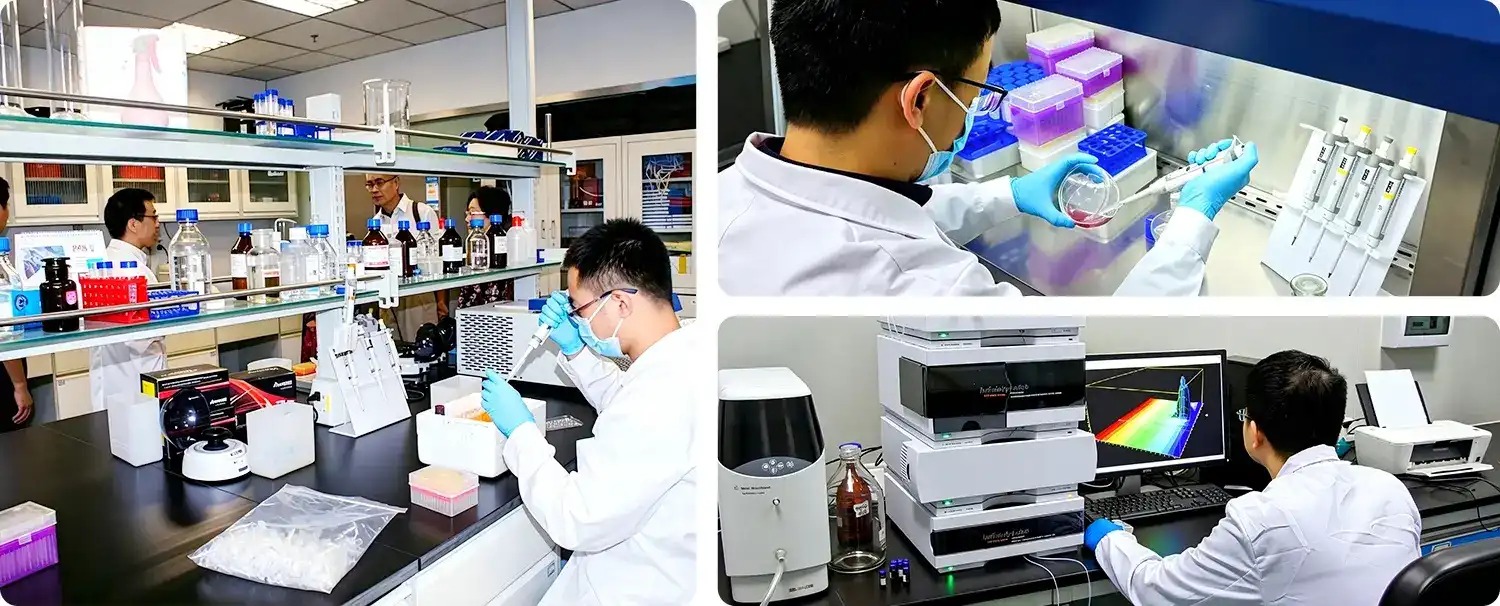
Partner with EXTRABROC® for Premium Stachyose 70% Powder Supply
Every time EXTRABROC® talks about sourcing, they bring 13 years of experience with ingredients that have been proven to work. Our Stachyose 70% Powder is stable at 1,000 tons per year and is ready for bulk orders around the world. It is certified by ISO22000, HACCP, and HALAL. If you are a Stachyose 70% Powder maker looking to work together on a project, or a brand looking for a reliable provider, our team can help you with samples, custom specs, and legal paperwork. To get a price right away, email us at info@extrabroc.com or go to extrabroc.com.
References
1. Gibson, G. R., & Roberfroid, M. B. (1995). Dietary modulation of the human colonic microbiota: Introducing the concept of prebiotics. Journal of Nutrition.
2. Rastall, R. A., & Gibson, G. R. (2015). Recent developments in prebiotics to selectively impact beneficial microbes and promote intestinal health. Current Opinion in Biotechnology.
3. Hamaker, B. R., & Tuncil, Y. E. (2014). A perspective on the complexity of dietary fiber structures and their potential effect on the gut microbiota. Journal of Molecular Biology.
4. Brownawell, A. M., et al. (2012). Prebiotics and the health benefits of fiber: Current regulatory status, future research, and goals. Journal of Nutrition.
5. Niness, K. R. (1999). Inulin and oligofructose: What are they? Journal of Nutrition (Supplement).
6. Wang, Y. (2009). Prebiotics: Present and future in food science and technology. Food Research International.