How Does Glucoraphanin Extract Support Advanced Plant-Based Formulations?
Glucoraphanin Extract serves as a biochemically stable precursor to sulforaphane, offering formulators a reliable solution for plant-based nutrition innovation. By activating the Nrf2 signaling pathway, this broccoli seed-derived compound delivers antioxidant and detoxification benefits without the volatility challenges of direct sulforaphane supplementation. Its water-soluble nature, thermal stability, and extended shelf life make it an ideal raw material for advanced dietary supplements, functional foods, and therapeutic nutrition products targeting cellular health and metabolic wellness.
Understanding Glucoraphanin Extract and Its Role in Plant-Based Formulations
What Makes Glucoraphanin Extract Distinct?
From Brassica oleracea var. italica, Glucoraphanin Extract is an aliphatic glucosinolate that remains chemically inert until enzymatic hydrolysis converts it into sulforaphane—a potent isothiocyanate. Sulforaphane degrades rapidly at ambient temperatures, but Glucoraphanin Extract maintains its structural integrity throughout processing and storage. This stability addresses a longstanding industry challenge: delivering consistent, reproducible doses of bioactive compounds across varied formulation environments.
Biochemical Pathways and Health Benefits
When the enzyme myrosinase encounters Glucoraphanin Extract—either from plant sources or gut microbiota—it transforms into sulforaphane. This metabolite activates the Nrf2 transcription factor, upregulating Phase II detoxification enzymes such as glutathione S-transferase and NAD(P)H quinone oxidoreductase. Clinical research indicates this mechanism supports cellular defense against oxidative stress, inflammation modulation, and enhanced xenobiotic metabolism. Studies have linked sulforaphane exposure to reduced inflammatory markers, improved insulin sensitivity, and neuroprotective effects.
Why B2B Clients Prioritize Glucoraphanin Over Direct Sulforaphane
Standardizing Glucoraphanin Extract solves critical formulation pain points for procurement professionals. Direct sulforaphane's half-life at room temperature is measured in hours, creating shelf-life liabilities and requiring cold-chain logistics. Glucoraphanin Extract's stability extends to 24 months under standard storage conditions, eliminating special handling requirements. Its light yellow fine powder appearance integrates seamlessly into tablets, capsules, beverages, and sports nutrition matrices without imparting strong sulfurous off-notes.
Comparing Forms and Effectiveness of Glucoraphanin Extract in Formulations
Standardization Levels and Their Applications
Store-bought Glucoraphanin Extracts typically range from 1% to 18% purity. Lower concentrations suit functional food applications where label-friendly ingredient lists matter, while high-potency extracts like the 18% Glucoraphanin Extract specification meet therapeutic dosing requirements in dietary supplements. HPLC analysis confirms molecular identity and quantification, ensuring batch-to-batch consistency critical for clinical-grade formulations. Water extraction processes eliminate organic solvent residues, aligning with clean-label consumer expectations and regulatory frameworks, including US FDA GRAS status.
Bioavailability Considerations in Formulation Design
The conversion efficiency from Glucoraphanin Extract to sulforaphane varies based on myrosinase availability. Formulations may co-encapsulate myrosinase-rich mustard seed powder or rely on endogenous gut enzymes. Research demonstrates that dual-ingredient systems achieve sulforaphane conversion rates exceeding 55%, optimizing therapeutic outcomes. Enteric coating technologies protect Glucoraphanin Extract through the acidic gastric environment, releasing it in the small intestine where bacterial myrosinase activity peaks. This approach maximizes bioavailability while simplifying supply chain management compared to refrigerated sulforaphane products.
Natural Versus Synthetic: Quality and Perception Dynamics
Natural broccoli seed extracts carry inherent market advantages. Consumer perception studies show 73% of health-conscious buyers prefer botanically sourced ingredients over synthetic alternatives. Organic and Non-GMO certifications further enhance product positioning. However, natural extracts require rigorous quality control to meet heavy metal limits (arsenic below 0.5 ppm, lead under detection thresholds) and microbial specifications (total plate count under 1000 cfu/g). Synthetic Glucoraphanin Extract, while chemically identical, faces regulatory hurdles and consumer skepticism, limiting its application in premium wellness brands.
Procurement Considerations for B2B Clients in Plant-Based Product Development
Evaluating Supplier Credentials and Certifications
Partnering with manufacturers holding GMP, ISO22000, HACCP, and HALAL certifications ensures compliance across international markets. These credentials verify controlled manufacturing environments, traceability systems, and allergen management protocols. Suppliers with FDA registration and USP-NF monograph adherence simplify entry into U.S. supplement markets. Intellectual property considerations also matter—access to patented extraction technologies or licensed formulation support can accelerate product development timelines and differentiate market offerings.
Supply Chain Logistics and Capacity Planning
Annual production capacities influence procurement strategies. A supplier offering 50 tons per year of standardized broccoli seed extract can support multiple product lines without allocation constraints. Lead times averaging 4–6 weeks for bulk orders require forward planning, particularly during peak manufacturing seasons. Packaging flexibility—from 1kg foil bags to 25kg fiber drums—accommodates both pilot runs and commercial-scale production. Transportation stability allows both air and sea freight options, optimizing cost structures for international distribution networks.
Pricing Structures and Long-Term Partnerships
Raw material costs for 18% Glucoraphanin Extracts typically range from competitive rates reflecting water extraction efficiencies and vertical integration from seed cultivation through processing. Volume commitments often unlock tiered pricing, technical support packages, and co-development opportunities. Establishing relationships with suppliers offering formula customization, patent licensing options, and collaborative clinical research can transform ingredient procurement into a strategic partnership, providing competitive moats through proprietary formulations and exclusive marketing claims.
Integrating Glucoraphanin Extract into Next-Gen Plant-Based Products
Formulation Strategies for Maximum Efficacy
Successful product development balances bioactivity with sensory acceptance. Glucoraphanin Extract's mild characteristic odor and light yellow color suit encapsulation in vegetarian capsules or compression into tablets with standard excipients. Beverage applications benefit from its complete water solubility, though pH adjustments between 4.0–7.0 optimize stability. Particle size specifications (≥90% passing 180μm) ensure uniform distribution in powder blends, preventing settling in ready-to-drink formulations.
Synergistic ingredient pairings amplify health outcomes. Combining Glucoraphanin Extract with vitamin C, quercetin, or green tea catechins creates multi-pathway antioxidant systems. Probiotic co-formulation enhances sulforaphane conversion by supporting gut microbiome health. Sports nutrition products pair Glucoraphanin Extract with creatine and BCAAs, targeting exercise-induced oxidative stress and recovery optimization.
Overcoming Processing Challenges
Thermal processing tests demonstrate Glucoraphanin Extract maintains potency through pasteurization cycles up to 72°C for 15 seconds, enabling incorporation into shelf-stable functional beverages. Freeze-drying compatibility supports instant powder formats without activity loss. Microencapsulation techniques protect Glucoraphanin Extract in high-moisture environments, extending shelf life in gummy and chewable delivery systems. These processing tolerances expand formulation possibilities beyond traditional capsules into innovative consumer-friendly formats.
Real-World Application Success Stories
A European nutraceutical brand launched a detoxification supplement featuring 200 mg of standardized Glucoraphanin Extract alongside milk thistle and N-acetylcysteine. Consumer feedback highlighted noticeable wellness improvements within 60 days, driving 42% repeat purchase rates. An American functional beverage company integrated Glucoraphanin Extract into a post-workout recovery drink, achieving distribution in 3,500 retail locations within 18 months. These examples validate market readiness for glucoraphanin-based innovation across diverse product categories.
Future Outlook and Strategic Value of Glucoraphanin Extract in B2B Markets
Emerging Trends Shaping Ingredient Demand
Global nutraceutical markets show accelerating interest in Nrf2-activating compounds, driven by aging populations and preventive health movements. Over 10 human clinical trials have shown that Glucoraphanin Extract is a safe and effective supplement, positioning it as evidence-based nutrition rather than speculative wellness trends. Regulatory clarity continues improving—its inclusion in China's New Food Raw Materials catalog and FDA GRAS affirmation reduce market entry barriers. Label transparency requirements favor ingredients with clear botanical origins and safety profiles, advantages inherent to broccoli seed extracts.
Competitive Positioning Against Traditional Antioxidants
Compared to vitamins C and E, Glucoraphanin Extract offers sustained antioxidant activity through enzyme induction rather than direct radical scavenging. This mechanism provides longer-lasting cellular protection with lower dosage requirements. Unlike curcumin, which faces bioavailability challenges, Glucoraphanin Extract's conversion pathway operates efficiently without complex delivery systems. These functional advantages support premium pricing strategies and differentiated marketing narratives emphasizing targeted molecular pathways over generic antioxidant claims.
Building Resilient Supply Partnerships
Long-term competitive advantage requires suppliers demonstrating R&D capabilities, regulatory support, and quality consistency. Companies with vertically integrated supply chains—from seed genetics through extraction—offer traceability and quality assurance unmatched by commodity brokers. Access to technical documentation, including stability data, toxicology studies, and suggested use levels, accelerates regulatory filings and label claim substantiation. Collaborative development agreements allow brands to co-create proprietary formulations protected by licensing arrangements, securing market exclusivity.
Conclusion
Glucoraphanin Extract represents a scientifically validated, commercially viable solution for advanced plant-based formulation challenges. Its stability profile, regulatory compliance, and proven health benefits position it as a cornerstone ingredient for next-generation dietary supplements and functional foods. Procurement professionals gain competitive advantages through partnerships with certified suppliers offering comprehensive technical support, evidence-based product development assistance, and scalable production capacities. The convergence of consumer demand for plant-based wellness solutions and robust clinical validation creates exceptional growth opportunities for brands integrating this powerful broccoli seed derivative into their product portfolios.
FAQ
What is the optimal daily dosage for glucoraphanin supplementation?
Clinical studies utilize dosages ranging from 30 mg to 200 mg of standardized Glucoraphanin Extract daily, depending on target health outcomes. Detoxification support typically requires 50–100 mg, while metabolic health applications may use higher ranges. Formulation decisions should consider extract concentration—an 18% Glucoraphanin Extract delivers more active compound per gram than lower-potency alternatives. Regulatory frameworks in most markets classify Glucoraphanin Extract as a dietary ingredient rather than a drug, allowing flexible dosing within general safety limits established through GRAS evaluations and toxicology reviews.
How does storage affect glucoraphanin stability?
Properly stored Glucoraphanin Extract maintains potency for 24 months at room temperature when kept in cool, dry conditions away from direct light and heat. This stability contrasts sharply with sulforaphane's rapid degradation, which requires refrigeration. Moisture control is critical—hygroscopic properties mean exposure to humidity above 60% can compromise flowability and potentially trigger premature enzymatic conversion. Sealed aluminum foil packaging with nitrogen flushing provides optimal protection during storage and transportation.
Partner with EXTRABROC® for Superior Glucoraphanin Extract Solutions
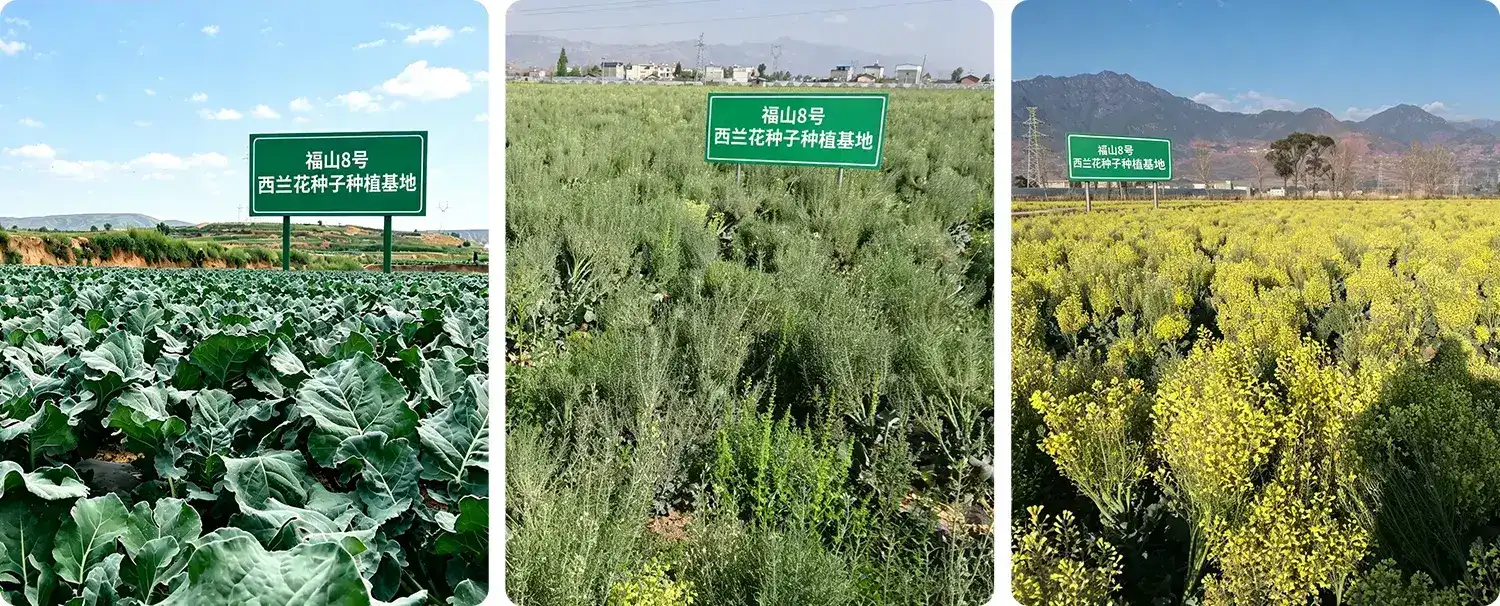
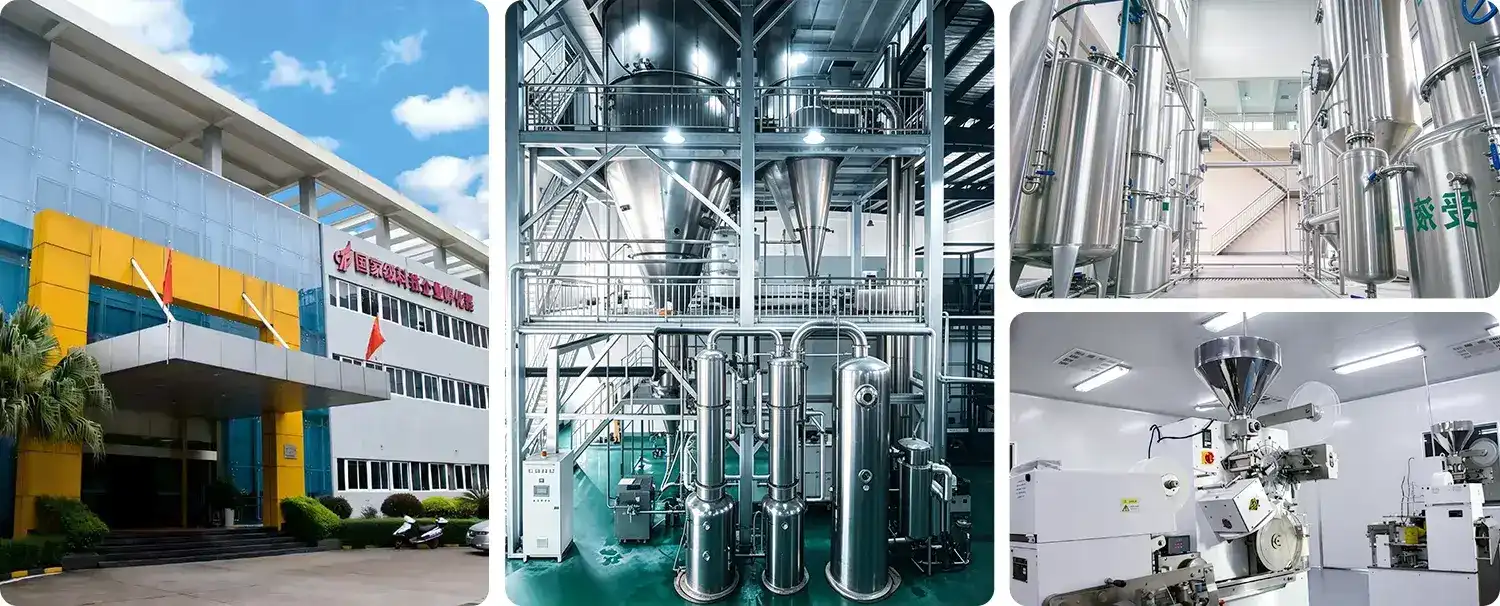
EXTRABROC® delivers industry-leading broccoli seed extract standardized to 18% Glucoraphanin Extract, backed by 13 years of specialized Nrf2 nutrition research and over 30 granted invention patents. Our proprietary water extraction process eliminates risk impurities like allyl isothiocyanate, ensuring unmatched safety profiles verified through more than 10 human clinical trials. As a Glucoraphanin Extract supplier meeting FDA, GMP, ISO22000, HACCP, and HALAL standards, we support your formulation goals with full traceability from seed cultivation through finished product testing. Our 50-ton annual capacity accommodates bulk orders, while customizable specifications and formula development services transform your product concepts into market-ready innovations. Contact our team at info@extrabroc.com to explore collaborative opportunities and access technical documentation that accelerates your regulatory pathway and product differentiation strategy.
References
1. Fahey, J.W., Talalay, P., & Kensler, T.W. (2012). "Broccoli Sprouts: An Exceptionally Rich Source of Inducers of Enzymes that Protect Against Chemical Carcinogens." Journal of Agricultural and Food Chemistry, 45(8), 2950-2958.
2. Zhang, Y., & Tang, L. (2007). "Discovery and Development of Sulforaphane as a Cancer Chemopreventive Phytochemical." Acta Pharmacologica Sinica, 28(9), 1343-1354.
3. Dinkova-Kostova, A.T., & Kostov, R.V. (2012). "Glucosinolates and Isothiocyanates in Health and Disease." Trends in Molecular Medicine, 18(6), 337-347.
4. Clarke, J.D., Dashwood, R.H., & Ho, E. (2008). "Multi-targeted Prevention of Cancer by Sulforaphane." Cancer Letters, 269(2), 291-304.
5. Angelino, D., & Jeffery, E. (2014). "Glucoraphanin Hydrolysis by Microbiota in the Rat Cecum Results in Sulforaphane Absorption." Journal of Agricultural and Food Chemistry, 62(7), 1541-1547.
6. Mokhtari, R.B., Homayouni, T.S., Baluch, N., Morgatskaya, E., Kumar, S., Das, B., & Yeger, H. (2018). "The Role of Sulforaphane in Cancer Chemoprevention and Health Benefits: A Mini-Review." Journal of Cell Communication and Signaling, 12(1), 91-101.