Can Broccoli Seed Extract 3% Sulforaphane Improve the Value of Antioxidant-Focused Nutrition Products?
Yes — and the science backs it up clearly. Broccoli Seed Extract 3% Sulforaphane is not just another antioxidant ingredient. It activates the Nrf2 pathway, the body's master cellular defense regulator, producing a sustained antioxidant response that direct-scavenging compounds simply cannot replicate. For B2B formulators building premium antioxidant products, standardized sulforaphane at this concentration offers measurable potency, regulatory compliance, and strong clinical backing. Whether the target category is supplements, functional foods, or cosmeceuticals, this ingredient can meaningfully separate a product from the competition on both efficacy and science.
Understanding Broccoli Seed Extract 3% Sulforaphane and Its Role in Antioxidant Nutrition
What Makes the 3% Concentration Significant?
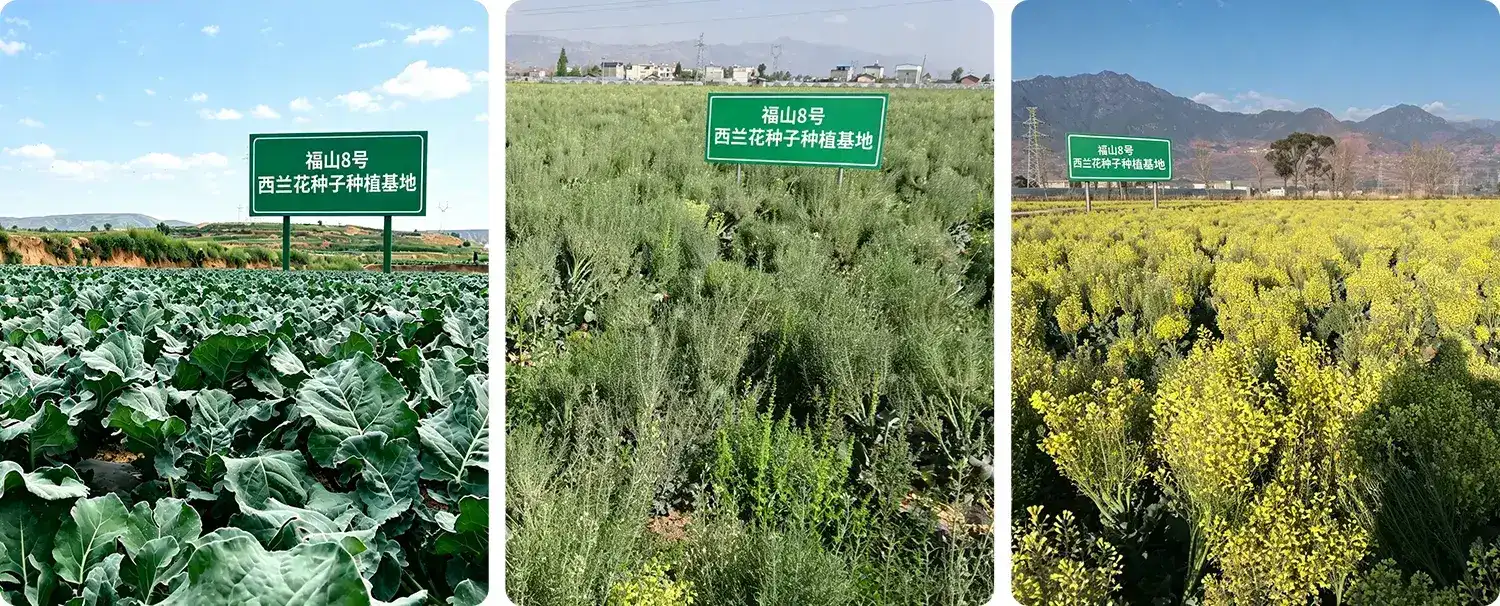
A lot of sulforaphane products are not the same. A standard concentration of 3%, which can be checked using HPLC, makes sure that each batch provides the same biologically active amount. When you buy raw broccoli powders and sprout extracts that aren't regulated, the potency changes a lot from batch to batch, which means you can't be sure of the dose. At 3%, formulators can make goods that work as promised, live up to their labels, and pass third-party testing without having to re-formulate every batch.
How Sulforaphane Activates Cellular Antioxidant Defense?
Vitamin C and resveratrol work in different ways than sulforaphane. It doesn't directly get rid of free radicals; instead, it binds to KEAP1, which lets Nrf2 move into the cell nucleus. Nrf2 turns on more than 200 genes that protect cells, such as NQO1, HO-1, and glutathione-S-transferase. This indirect method creates a broad, long-lasting antioxidant shield at the cellular level, making it much more effective per milligram than traditional antioxidants that work by directly removing free radicals.
Bioavailability and the Role of Patented Formulation
Free sulforaphane is chemically unstable and breaks down quickly at room temperature. The High-Efficiency Stabilized Sulforaphane (SFN3%) from EXTRABROC® solves this problem with a special formula that mixes glucoraphanin, horseradish powder that contains myrosinase, and calcium salts. This system has a high in vivo conversion rate—≥55.8%—with little difference between individuals. This means that the user always gets a physiological amount that works. The pure water extraction process doesn't leave behind any organic solvents, which supports the clean-label positioning.
Evaluating the Value Addition of Broccoli Seed Extract 3% Sulforaphane in Antioxidant-Focused Products
Differentiation Against Conventional Antioxidants
Vitamin C, vitamin E, and polyphenols make up most of the market for antioxidant supplements right now, but they only work as direct radical scavengers and have short action gaps. Pharmacokinetic data show that standardized sulforaphane activates natural antioxidant enzymes that stay active for 48 to 72 hours after a single dose. This point about longevity is a strong business and therapeutic differentiator that most other formulations can't match right now.
Quality Standards That B2B Buyers Can Verify
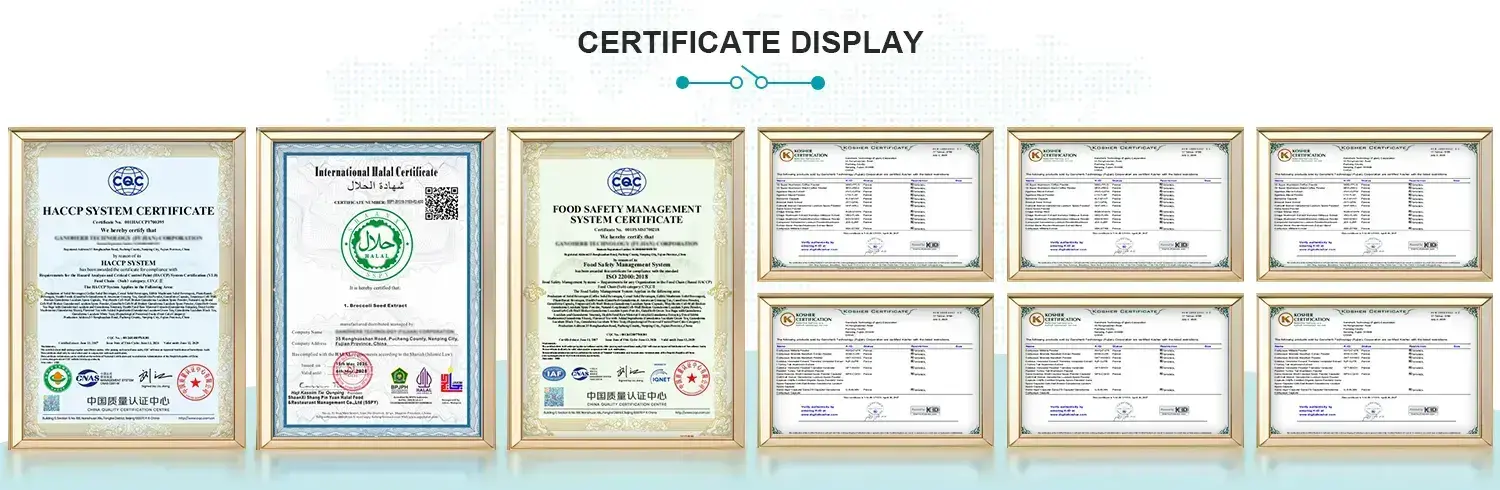
FDA, GMP, ISO22000, HACCP, and HALAL have all approved EXTRABROC®'s Broccoli Seed Extract 3% Sulforaphane. A total aerobic bacterial count of less than 10 cfu/g has been confirmed by microbiological testing. This is a very low level. The amount of inorganic arsenic is 0.042 µg/g, which is well below the USP limit. Particles bigger than 180µm make up about 90% of the sample. These standards give purchasing teams real numbers to show during supplier checks instead of vague marketing claims that they can't back up.
Patent Protection as a Competitive Moat
The main technology behind SFN3% has been granted invention rights in the US, Japan, and China. When brands get a patented ingredient, they can use proprietary science to market their products, which gives them a real edge on store shelves. Competing manufacturers aren't allowed by law to copy this mechanism. This also keeps the brand's ingredients from becoming too common over time.
Procurement Insights for Global B2B Clients: Selecting and Buying Broccoli Seed Extract 3% Sulforaphane
Evaluating Supplier Credentials and Certifications
People who buy sulforaphane-based products should make sure they have a current Certificate of Analysis that shows HPLC-verified strength, ICP-MS heavy metal data, full microbiological panel results, and valid GMP and food safety approvals. EXTRABROC® gives you all the paperwork right away. With a production capacity of 50 tons per year, the company can handle large orders without any supply problems. Throughout the supply chain, full traceability is maintained from the seeds to the finished extract.
Logistical and Order Flexibility Considerations
Here are the main benefits of buying things: EXTRABROC® gives buyers around the world:
- Shipping flexibility: Both air freight and sea freight are supported, accommodating urgent restocking needs and cost-optimized bulk shipments alike.
- Custom specifications: Product concentration, particle size, and combination formulas are adjustable based on client requirements, reducing reformulation costs on the buyer's side.
- Extended shelf life: Room-temperature stability for 24 months with no potency loss makes long international transit times logistically manageable.
These benefits lower the risk of buying supplements for supplement contract makers and private label brands that work in multiple countries.
Additional B2B Services Beyond Raw Material Supply
EXTRABROC® is more than just a supplier of Broccoli Seed Extract 3% Sulforaphane. The company offers a range of services, such as formula customization, help with HPLC testing, patent licensing (based on order volume), and working together to create health goods that are based on proof. The company has a library of over 10 finished human clinical trials and real-world studies that brands can use to back up their clinical claims. This is something that most ingredient suppliers don't offer.
Practical Applications and Integration Strategies for Antioxidant Nutrition Products
Recommended Dosage and Formulation Formats
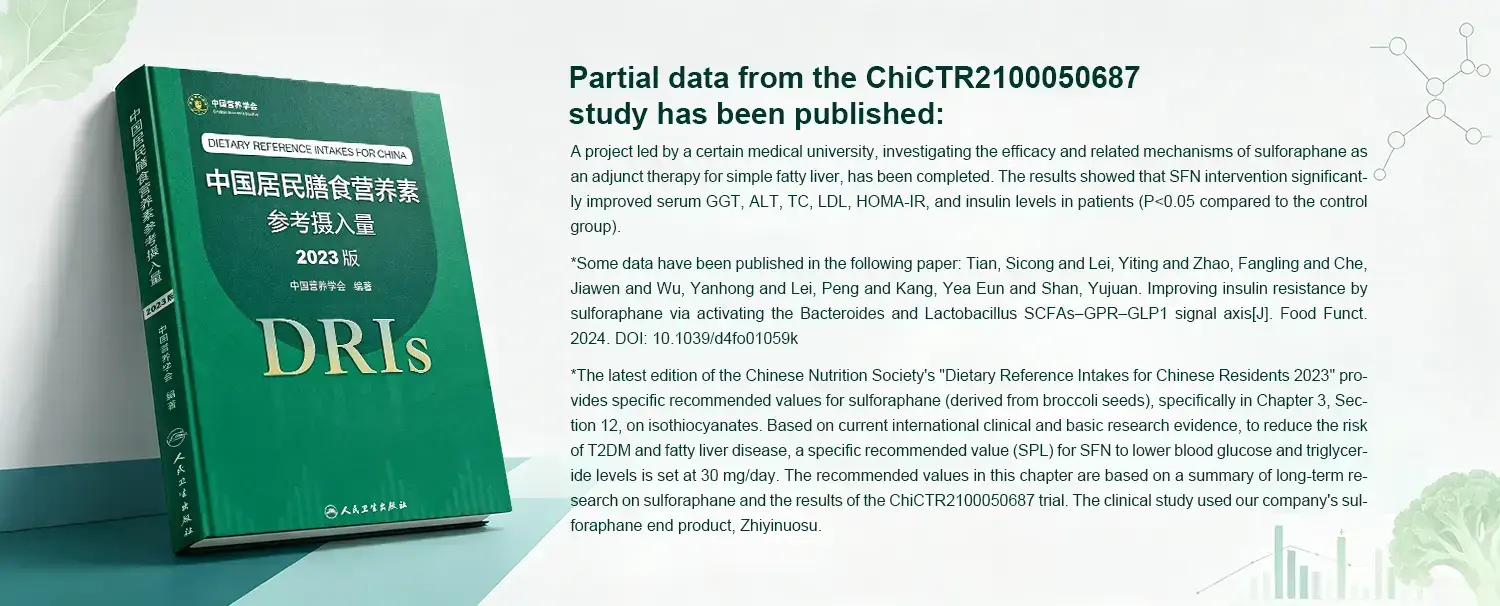
New studies on sulforaphane bioactivity generally support healthy adults taking between 10 and 30 mg of active sulforaphane every day. At a concentration of 3%, this is an extract amount that can be handled per pill or tablet. It's easy to mix the light yellow fine powder into capsules, tablets, and powdered sachets. Its smell is controlled by the stability formula, so it doesn't have a big effect on how well it tastes in capsule form.
High-Value Application Categories
Three types of products work really well with standardized sulforaphane extract at this strength:
- Premium antioxidant supplements: Capsules and tablets targeting Nrf2 induction, Phase II detoxification support, and cellular aging management — where the science narrative is a primary purchase driver.
- Sports nutrition and recovery products: Oxidative stress from intense exercise is well documented; sulforaphane's sustained enzyme induction supports post-training recovery in a way that single-dose antioxidant blends do not.
- Functional food and beverage fortification: Powdered meal replacements and health-focused drink mixes represent a growing application, provided the formulation accounts for pH variation and processing conditions.
That's because the clean legal status (FDA GRAS, China New Food Raw Materials approval, and USP compliance) makes it easier to get into the US market and other major foreign markets.
Safety Profile and Regulatory Compliance
Broccoli Seed Extract 3% Sulforaphane meets more than 500 standards for heavy metals, bacteria, and chemical residues. It's made from pure water extraction, so there are no chemical solvent residues, and it's not genetically modified. This directly supports clean label and natural placement. At normal supplement doses, no major side effects have been reported in clinical studies that are now complete. Before launching, formulators should check with local regulators to make sure they meet the requirements. As part of its partnership offering, EXTRABROC® helps with regulatory compliance.
Future Outlook and Trends: Why This Ingredient Is a Strategic Choice for Antioxidant Products
Expanding Research Beyond General Antioxidant Use
Sulforaphane has been studied in published papers to see what part it plays in protecting skin from UV rays, controlling glucose and lipid metabolism, improving mood and sleep, and managing weight. These are all areas where consumer demand is growing. Because the Nrf2 pathway is involved in so many different physiological processes, it means that a single ingredient can support multi-benefit positioning, which is exactly what modern supplement and store buyers want.
Clean-Label Plant-Based Demand Is Accelerating
In the US, people are becoming more interested in a plant-based, science-backed diet. Broccoli seed extract has a well-known, food-friendly history that appeals to buyers of all ages who care about their health. According to Grand View Research, the global antioxidant market was worth more than $3.5 billion in 2023 and is still growing, with plant extracts becoming more popular than manufactured ones. The next five years will be better for brands that use uniform plant actives in their formulations now.
Strategic Partnership Advantages for Early Adopters
When brands sign supply deals with EXTRABROC® as a Broccoli Seed Extract 3% Sulforaphane producer, they get access to proprietary technology, clinical data, and a supply chain that has been built up over 13 years of specializing. This level of partnership is hard to copy quickly, which gives brands that were early adopters a long-term edge in product authenticity and scientific credibility.
Conclusion
Broccoli Seed Extract 3% Sulforaphane adds real, quantifiable value to antioxidant nutrition goods by activating the Nrf2 pathway, which most competing ingredients can't do. The High-Efficiency Stabilized Sulforaphane (SFN3%) from EXTRABROC® is effective (≥55.8% in vivo conversion), safe (500+ tested signs), approved by regulators (FDA, GMP, ISO22000, HACCP, HALAL), and protected by patents in three major countries. This ingredient should be carefully considered by B2B buyers who are making products that need to stand out scientifically and commercially.
FAQ
What is the difference between glucoraphanin and active sulforaphane in extracts?
Glucoraphanin is the stable precursor found naturally in broccoli seeds. It converts to active sulforaphane via myrosinase — either plant-derived or gut-microbial. EXTRABROC®'s SFN3% includes myrosinase from horseradish powder within the formulation, enabling reliable in vivo conversion at ≥55.8%, regardless of individual gut microbiome variation.
How stable is sulforaphane extract during storage and transit?
SFN3% maintains full potency at room temperature for 24 months with no measurable degradation. Store in a cool, dry location away from direct light and high heat. This stability profile supports global sea freight logistics and long retail shelf life without refrigeration requirements.
Does this extract meet US regulatory requirements for dietary supplements?
Yes. SFN3% holds US FDA GRAS status and complies with USP-NF pharmacopeia standards, making it directly applicable to dietary supplement and functional food formulations sold in the United States. EXTRABROC® also provides regulatory documentation support for clients navigating label compliance.
Can the extract be customized for specific formulation needs?
EXTRABROC® accepts custom orders for adjusted sulforaphane concentrations, particle size specifications, and combination formulas. Minimum order quantities and customization scope are discussed directly with the sales team. Patent licensing options are also available based on order volume.
Partner With EXTRABROC® for Your Sulforaphane Ingredient Needs
Every order from EXTRABROC® is backed by 13 years of focused experience and technology that is covered by patents. Our High-Efficiency Stabilized Sulforaphane (SFN3%) has been tested on more than 10 people, meets FDA, GMP, ISO22000, HACCP, and HALAL standards, and is made at a steady 50 tons per year. We help your product get from the basic materials to the market as a reliable Broccoli Seed Extract 3% Sulforaphane producer. To get a sample or professional advice, email us at info@extrabroc.com or go to our website, extrabroc.com.
References
1. Fahey, J. W., Zhang, Y., & Talalay, P. (1997). Broccoli sprouts: An exceptionally rich source of inducers of enzymes that protect against chemical carcinogens. Proceedings of the National Academy of Sciences, 94(19), 10367–10372.
2. Kensler, T. W., Wakabayashi, N., & Biswal, S. (2007). Cell survival responses to environmental stresses via the Keap1-Nrf2-ARE pathway. Annual Review of Pharmacology and Toxicology, 47, 89–116.
3. Shapiro, T. A., Fahey, J. W., Dinkova-Kostova, A. T., et al. (2006). Safety, tolerance, and metabolism of broccoli sprout glucosinolates and isothiocyanates: A clinical phase I study. Nutrition and Cancer, 55(1), 53–62.
4. Bahadoran, Z., Mirmiran, P., & Azizi, F. (2013). Dietary polyphenols as potential nutraceuticals in management of diabetes: A review. Journal of Diabetes & Metabolic Disorders, 12(1), 43.
5. Yagishita, Y., Fahey, J. W., Dinkova-Kostova, A. T., & Kensler, T. W. (2019). Broccoli or sulforaphane: Is it the source or the bioactive compound responsible for the beneficial health effects? Molecules, 24(19), 3593.
6. Grand View Research. (2023). Antioxidants Market Size, Share & Trends Analysis Report by Product, Application, Region, and Segment Forecasts, 2023–2030. Grand View Research.