Astaxanthin Powder: What Buyers Should Check on the COA
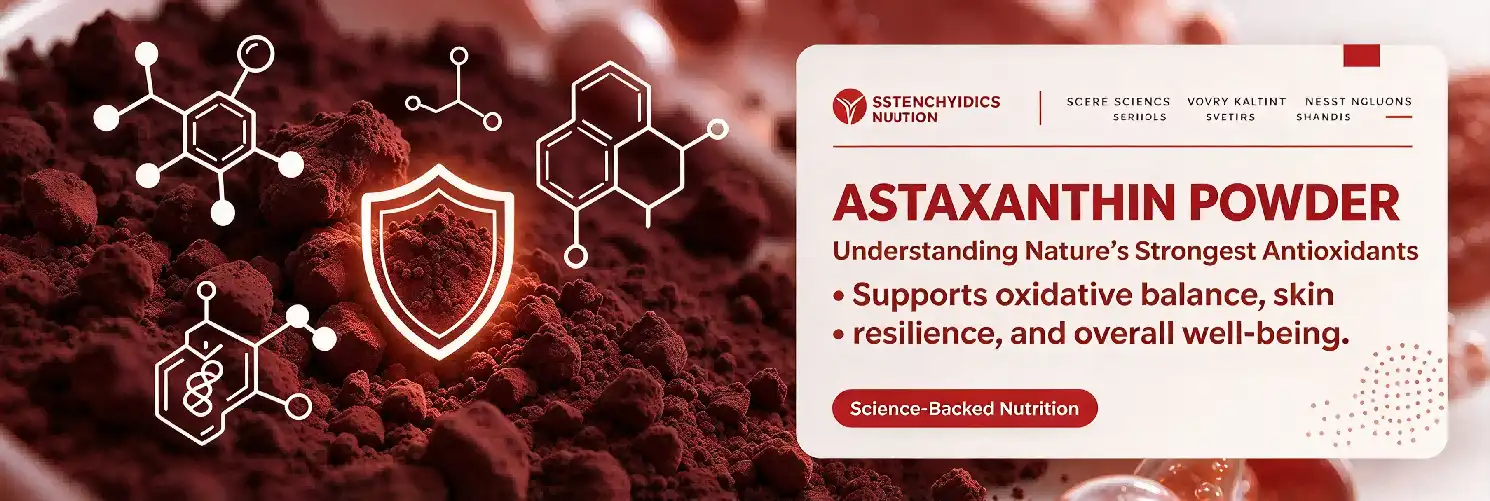
A useful COA for Haematococcus Pluvialis Astaxanthin Powder does far more than print an astaxanthin percentage. Buyers should confirm that it names the correct source, reports the HPLC result with the test method, matches the batch number on the shipment, and lists microbiology and contaminant results against stated limits. It should also show appearance, shelf life, storage terms, and the lab or producer behind the data. Below, we walk through each check in plain terms, so you can compare suppliers, spot gaps early, and send the right questions before you place an order.
Introduction: Why the COA Matters When Buying Astaxanthin Powder
What a COA Actually Is
A Certificate of Analysis (COA) is a record from a maker or testing lab that is unique to a batch. It shows how each test run on a single production lot was done, in what order, and what the results were. It helps sellers pick suppliers, give their OK to goods going in, and keep track of produced goods for the U.S. market. A COA lists the things that were provided, while a specification sheet lists the goals of the seller. There is also a rule from the FDA called 21 CFR Part 111 that says manufacturers need to check that each ingredient is exactly what it says it is. This means the COA saves a copy of your file but doesn't test it for you.
Who Needs This Checklist
This advice is for people who make supplements, sell food, work with formulators, buy Haematococcus Pluvialis Astaxanthin Powder in bulk and need to find food-grade, non-GMO, private label, or powder that is made for a certain purpose. Needs change based on how they are used. It's important to a softgel brand that it works well and doesn't rust. Someone who makes drinks looks at how the drinks spread out. Someone who makes skin care items checks the base to see if it is stable and the right color. The main things that are always checked in a document review are its identity, its strength, its safety, its stability, and its tracking. Before you send a purchase order to the supplier, follow it.
Why Percentage Alone Is Not Enough
There is no information on the label about how the number "5% astaxanthin" was figured, what other ingredients are in the powder, or which batch it came from. Even if two suppliers print the same percentage, the history of oxidation, the amount of contaminants, and the carrier content may be different. Light, heat, and air can change the way astaxanthin works, so you can tell the difference between a new lot and an old lot. A full COA fills in these gaps. Over time, it lets your quality team look at different deals and find drift before it gets to the real thing.
Confirm the Product Identity and Natural Astaxanthin Source
Check the Named Source
Start with the source line and the name of the service. The pond microalgae that are used to make natural astaxanthin for sale should be named Haematococcus pluvialis by the COA. The wording makes it different from astaxanthin made in a lab, krill-based products, and other carotenoid blends. The difference is important in real life. Researchers have found that Haematococcus pluvialis mostly makes the (3S,3'S) form, mostly as esters. This is different from astaxanthin made in a lab, which is a mix of three stereoisomers. People who buy things talk about and think about prices differently because of these differences. If the COA only says "astaxanthin" or "carotenoid complex," ask the seller to write down the source before you go any further.
Read the Product Format and Ingredient Details
Next, check that the style is right. Products may include oleoresin-based powders, containing powders, grades that dissolve in water, or materials that are carried by a fluid. Each one works in a different way in a softgel, pill, stick pack, or skin base. Our Haematococcus Pluvialis Astaxanthin Powder is fine, red or dark red, and made from dried algae powder. It is up to 99% pure. No extra things have been added. It doesn't matter which service you pick; make sure that the COA or a related statement lists allergens, carriers, GMOs, and animal-based ingredients. With that information, your regulatory team can finish looking over the label without having to go back and find information that was left out later.
Match Appearance and Odor to the Specification
The COA should say that you can quickly tell if someone is who they say they are by how they look. We need a fine powder that is red or dark red. Color alone doesn't mean something is good, but you should pay more attention to anything that looks very different from other items. Odor also needs a line. Good Haematococcus Pluvialis Astaxanthin Powder from algae has a slight smell of algae. On the other hand, a strong smell of rotten eggs could mean that the fats have been degraded. At your dock, check the COA description against each sample that comes in. Also, save one sample from each lot so that your team can check it later if they need to.
Verify Potency and the Testing Method
Look for the Astaxanthin Percentage and HPLC
The main number is how strong it is. There are five astaxanthin levels in our powder. Each one was tested by HPLC and found to be at least 2%, 3%, 4%, 5%, or 6%. High-performance liquid chromatography can tell astaxanthin from other carotenoids. This lets it measure the compound itself instead of the color as a whole. Different types of carotenoids can absorb light in the same range as astaxanthin and give a different color reading. This is the reason why the COA's method line should read "HPLC" and the result should be named "astaxanthin" instead of "total carotenoids." You shouldn't accept the strength number if there is no method line.
Ask What the Percentage Means
The number is based on a lot of facts. Check to see if the COA gives a minimum or measured number, if it says "as-is" or "dry," and if it gives total astaxanthin or free astaxanthin. Make sure the lowest level that's okay is at least 5%. The value that was measured shows what the lot gave. You should always ask for the measured amount on a COA. If your recipe calls for a certain amount per serving, that number tells you how much to make, how to handle any extra, and what the label says. You can change your numbers by making even small changes to how you do things.
Use This Potency Checklist
These are the things whose strength we check first on every COA.
- Method and unit: The COA should name the method HPLC and write the unit of measure next to the specification. You should ask the supplier for a summary of the method and the name of the lab that did the test before accepting the lot if the method line is blank or only says "in-house" with no other information.
- Specification range: Compare the real lot result to the lowest amount that was given, say ≥5%. When the lot is just above the minimum, it's not likely to be lost while being stored. The price per serve can change when the lot is really high. Record the exact amounts for several packages so that your team can see trends rather than just one piece of information.
- Customization options: Haematococcus Pluvialis Astaxanthin Powder from Haematococcus pluvialis is mostly esterified, so if you want to make changes, you can. Bring it up early if your project needs a certain kind of person or skill. We can talk with you about custom specs that fit your needs. If you send your request early, you can save a lot of money on redoing work on a formula that your team has already agreed to and accepted.
These three checks back up claims about strength and make it possible for people to agree on lot acceptance most of the time.
Review Contaminant and Microbiological Safety
Check Microbiology Results
It should say what microbiology tests were done, how much was found, and the results on the COA. A lot of people get tests for things like yeast and mold, E. coli, Salmonella, and Staphylococcus aureus. Every living thing should have a name, not just a line that says "pass." Microbiology meets standards, and we urge buyers to get their own copies of the test items and boundaries. People who work for a cosmetics company, a vitamin brand, and a food company may all have different rules about what is and isn't okay. A clean record on one batch doesn't tell you much about the next. So look at how each lot turned out.
Review Heavy Metals and Other Contaminants
Heavy metals like lead, arsenic, cadmium, and mercury should each have their own COA line. It is important to know how to grow microalgae because they can get minerals from the water they are in. Algae grow in glass pipes that are shut off and filled with clean water. This way, buyers can ask us directly where the water comes from and how the algae are grown. Make sure you get more than just a "pass" word. Ask for results and limits as well. A lot of people in the US compare the data to USP General Chapter <2232>, which says how much of an elemental contaminants can be found in food products every day. When your risk assessment asks for it, put in the information for pesticides, solvents that have been used up, and pheophorbide.
Look for Certifications That Back the Numbers
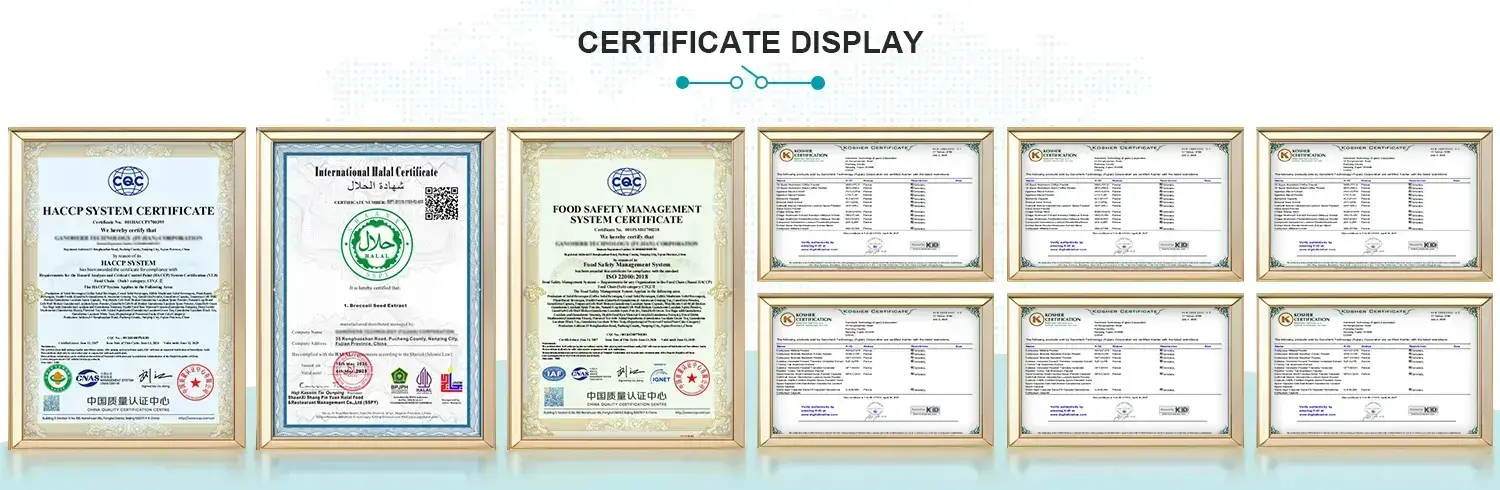
There are places that are more likely to back up a COA if they are approved. People who follow FSSC 22000, HACCP, HALAL, and Kosher rules can buy our Haematococcus Pluvialis Astaxanthin Powder. The Global Food Safety Initiative says that FSSC 22000 is a good way to keep food safe, and HACCP makes sure that risks are managed at all stages of production. The people who shop at those stores care about Kosher and HALAL. Compare the certificate's scope, site, and expiration date to the COA's name of the producer. Make sure you ask for up-to-date certificates, not just logos on a brochure.
Check Stability, Shelf Life, and Traceability
Confirm Shelf Life and Storage Terms
This is because astaxanthin changes when it comes in contact with air, light, and heat. The COA or a linked specification sheet should make it clear how to store it. If you keep our powder in its original, sealed package in a cool, dry place that is out of direct sunlight and below 4°C for 24 months, it will stay fresh. Make sure you write down the date it was made, when it ends or needs to be tried again, and how to store it. Also, check to see if the shelf life works with how you plan to stock. The item will lose value if the warehouse is too warm, even if it says it has a long shelf life. Make sure that the way things are stored matches how they really are.
Trace the Batch Back to the Seed
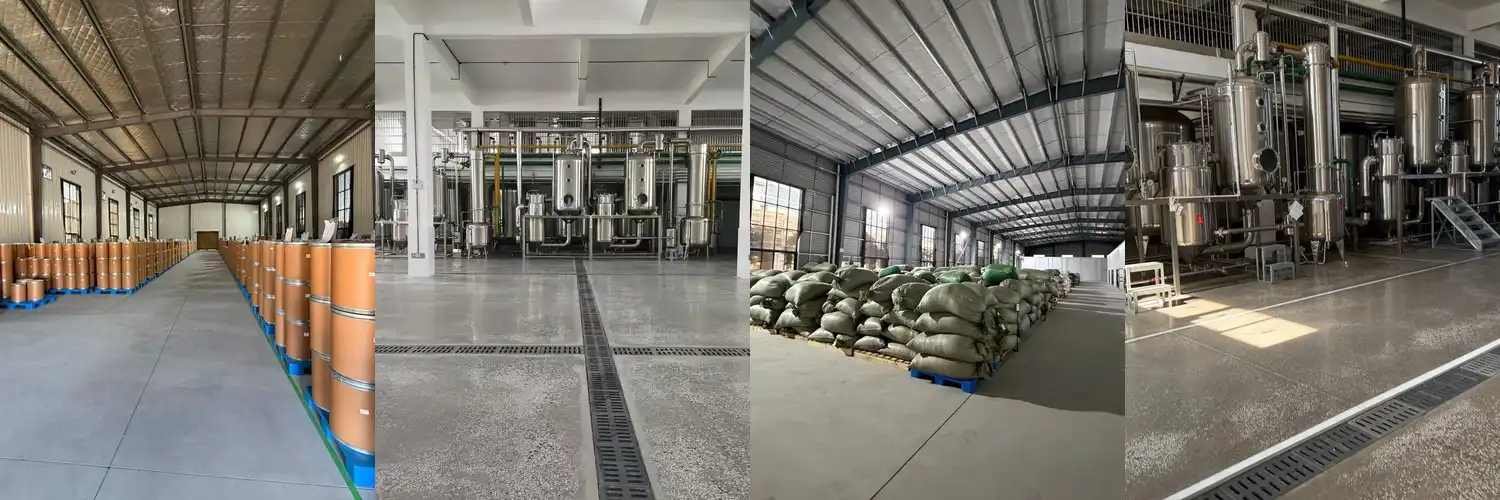
The COA and the drum, bag, or box should both have the same lot number. Then, ask the person who made it how far back they can find it. Our process lets us keep track of everything, from the seed to the finished product. At every step, we check the quality. That chain is important when a customer complains or there is an audit because it lets your team connect a lot of finished goods to a lot of raw materials and the production records that go with them. We can ship by air and sea, and each year we can handle 300 tons. Our process has been used for a long time and stays the same from batch to batch.
Judge the Credibility of the Testing
Last, look at the test-takers. A COA can come from either the quality lab of the manufacturer or a lab that is not part of the manufacturer. Either one can be used as long as the steps are clear. This report was signed by whom? What method was used? Also, check to see if the data are formatted the same way for each lot. Check to see if important things, like contaminants, can be checked by a third party. As part of our service, we can help you with HPLC lab work and tests.
Conclusion
Before you buy Haematococcus Pluvialis Astaxanthin Powder, you should read the COA as a full quality record, not as a strength sign. It talks about a lot of checks, like HPLC strength, microbiology, contaminants, certificates, storage terms, batch tracking, and the trustworthiness of the lab. The checks look at a lot of different things. Every one of them deals with a different risk, like using the wrong ingredient, not having enough of it, using dangerous materials, breaking down too soon, or a lot that hasn't been logged. Organic Haematococcus Pluvialis Astaxanthin Powder comes from a different place and has a different shape than man-made astaxanthin, so the paper needs to be very clear about where it came from and how it was made. When buyers compare sellers, they don't have to use a single number. Instead, they can use proof like the COA, the certificates, and their own identity checks.
FAQ
What is the most important line on an astaxanthin COA?
How the astaxanthin test was done and what it showed. The HPLC value for your lot should be written next to the specification on the COA. This way, you can compare the potency to your formula.
Can a COA replace my own identity testing?
Not at all. 21 CFR Part 111 is the FDA rule on dietary supplements. It says that companies that make them must make sure that each ingredient is what it says it is. The COA makes a copy of your file, but it's still important to check it.
Which astaxanthin strengths does FuYNature offer?
The HPLC test on the Haematococcus Pluvialis Astaxanthin Powder we sell shows that it has ≥2%, ≥3%, ≥4%, ≥5%, and ≥6% astaxanthin. Let's talk about making specs that are just right for you.
How should I store the powder?
Cover it, keep it dry, and keep it out of the sun. Keep it below 4°C. One thing can stay on the shelf for 24 months if it's still in its original, sealed box.
Can I ask about documents before ordering?
Yes. Email us at info@extrabroc.com with the details and amount you need, and someone from our team will get back to you with papers and samples.
Request a COA and Samples from FuYNature
Want to find a business that sells Haematococcus Pluvialis Astaxanthin Powder and will talk to you about your COA? FuYNature sells different kinds of astaxanthin that range from 2% to 6%. FuYNature can be stored for 24 months and can make 300 tons of it every year. You can also test it with HPLC. Send an email to info@extrabroc.com with the details and number you want, or visit extrabroc.com to find out more. We'll talk about examples and go over what you need.
References
1. U.S. Food and Drug Administration. Current Good Manufacturing Practice in Manufacturing, Packaging, Labeling, or Holding Operations for Dietary Supplements (21 CFR Part 111). Federal Register, 2007.
2. Ambati, R. R., et al. Astaxanthin: Sources, Extraction, Stability, Biological Activities and Its Commercial Applications—A Review. Marine Drugs, 2014.
3. Shah, M. M. R., et al. Astaxanthin-Producing Green Microalga Haematococcus pluvialis: From Single Cell to High Value Commercial Products. Frontiers in Plant Science, 2016.
4. Capelli, B., Bagchi, D., and Cysewski, G. R. Synthetic Astaxanthin Is Significantly Inferior to Algal-Based Astaxanthin as an Antioxidant and May Not Be Suitable as a Human Nutraceutical Supplement. Nutrafoods, 2013.
5. Régnier, P., et al. Astaxanthin from Haematococcus pluvialis Prevents Oxidative Stress on Human Endothelial Cells without Toxicity. Marine Drugs, 2015.
6. Davinelli, S., et al. Astaxanthin in Skin Health, Repair, and Disease: A Comprehensive Review. Nutrients, 2018.