How to Store Astaxanthin Powder to Reduce Light and Oxygen Exposure
The best way to store Haematococcus Pluvialis Astaxanthin Powder is to keep it in its original sealed, light-blocking packaging in a cool, dry place away from heat. For long-term storage of our product, I recommend a temperature below 4°C, which supports a 24-month shelf life in intact packaging. Light and oxygen break down the delicate pigment, so limit how long and how often a container stays open. Reseal it quickly, reduce the air left inside, use clean and dry tools, and record every opening. Always follow the written storage terms in your supplier's specification, because exact conditions depend on the product.
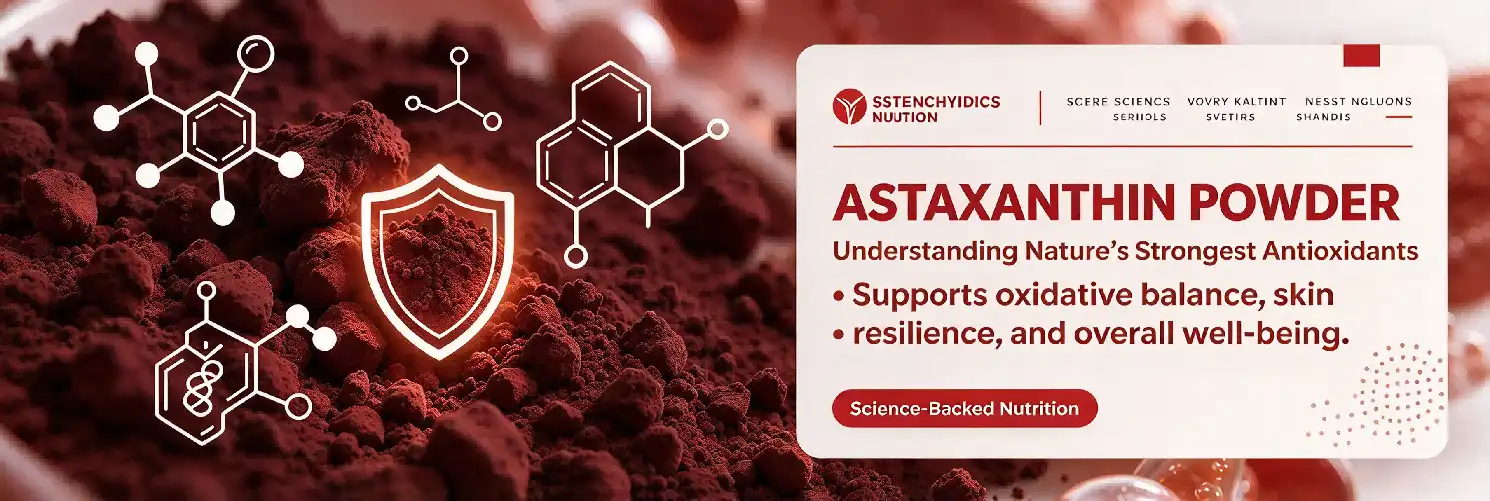
Why Proper Storage Matters for Haematococcus Pluvialis Astaxanthin Powder
Astaxanthin Is Sensitive by Design
Xanthophyll, a type of carotenoid, gives the plant its color. It has a long chain of alternating double bonds that make it a strong antioxidant. But because of how it is made, it is easy to break. A study in Marine Drugs and other places say that air, light, and heat can damage astaxanthin. The color is most likely to be found in an esterified form in Haematococcus Pluvialis Astaxanthin Powder. Even though this astaxanthin is more stable than free astaxanthin, it still needs to be kept safe. If you do not keep things properly, test results could be lower, colors could fade, and oxidation could form. Tablets, foods, and skincare items may not work the same way after these kinds of changes.
Storage Links to Shelf Life, COA, and Batch Consistency
The powder was seen on the day it was analyzed on a Certificate of Analysis (COA). After that, it does not cover the powder. If you keep the Haematococcus Pluvialis Astaxanthin Powder in its original package in a cool, dry, and dark place (below 4°C), it will stay good for 24 months. Your building has to follow the same rules after that date in order to be legal. Things can be very different from what they say on the COA if they are stored badly. When mixed together, two lots that were the same at first might act in different ways. You can link any problem to a specific lot and event in the treatment process if you keep good records.
Check Storage Terms Before You Order in Bulk
The procurement manager and the OEM buyer should talk about how much space they need before they place a big order. They should not do this after the boxes come. I think you need to ask four things. How cool and dry is your space? Could you change the light? How many months' worth of stock do you have? What number of times are they going to open each box? Can your team keep the goods at the temperature that was given? Try a different pack size or a different time to place your order if those do not work. It usually costs less to send more small things than to get rid of old stuff. With this short review, you can avoid spending too much and still get a good product.
The Main Causes of Astaxanthin Powder Degradation
Light and Oxygen: The Two Biggest Threats
Light excites the conjugated chain in carotenoids and speeds up color loss, which is why clear containers and bright staging areas cause trouble. Oxidation is caused by oxygen, and the risk goes up every time you open a container and let air in. The area also gets bigger as you use it. Haematococcus Pluvialis Astaxanthin Powder does not last long in food. A 2017 study in Food Chemistry looked at this and found that warmth, oxygen, and light are the key things that break it down. Put the powder in containers that are opaque and will not let air in. Do not leave much space at the top, and always keep it out of direct light, even if you are only setting it up for a short time.
Heat and Moisture
Hot places like buildings and trucks make things break down faster, so things will not last as long. For a long time, things should be kept in a cool, dry place that is below 4°C. The problem changes when there is water. When things that are cold move into warm, sticky air, the outside can get wet. It does not flow well because it gets stuck together. Wait a while before opening a box. Keep it off the ground and away from walls that could cool or warm the room. Always keep in mind that "room temperature" does not mean the same thing in a hot loading dock as it does in a cool closet.
Handling Mistakes and How to Fix Them
Bad habits can happen to even the best powder. Clear boxes should not be used, but packing that blocks light should. To empty open containers on the production line, there needs to be a better way to do it. All rooms at room temperature should be the same, so we need to know how to store each thing. Broken boxes need to be kept in a different place, and the seller needs to be told about them. You should not pick a service based only on price. The more you pack and file poorly, the more it will cost you in the long run. Quickly weigh it and put the cap back on. Then put the date it was opened on the label.
A Practical Storage System for Astaxanthin Powder
A Six-Step Workflow
It is easy for the groups that buy, keep, and make things to work together: Receive → Inspect → Store → Handle → Reseal → Record. Check the tag, seal, box, lot number, and COA when you get it. Quickly put the accepted items back where they belong in the store. If you need Haematococcus Pluvialis Astaxanthin Powder for production, just take out what you need and put the lid back on the jar right away. Finally, write down the date, the operator's name, the lot number, and the amount that was taken. The list should be put near where the things are kept. Long guides are less likely to be followed by teams than short, clear steps. It is also simple to look at the records.
Temperature, Humidity, and Inventory Rotation
Don't store things in the main warehouse room; make a space just for that. Do not put it in dry or direct sunlight. Another thing is to make sure you follow the seller's temperature instructions. This is below 4°C for our item. A data logger that keeps track of heat over time helps it do this. Change stock so that the lot that is almost out of date is used first. This can be done with FIFO (first in, first out) or FEFO (first expired, first out). There should be a lot number on each box. This way, old drums won't get pushed behind new ones, where they'll stop working and no one will notice.
Controlled Handling After Opening
Opening a container is the worst thing that can happen to it. As much powder as possible should be kept in its original, sealed container. Only open what you need to make something. Clean and dry the scales and scoops you use. Also, don't put them in full sunlight and don't hold their weight for too long. Take out any extra air, make sure the seal is tight, and put the bottle back where it belongs after you're done with it. If your source says it's okay, you could put any extra powder in a smaller container that won't let light through. This will make room for the headspace bigger. If the package has already been opened, you should get help with it because the product and how it was packed can change how stable it is after opening.
How to Choose Packaging and Protect Powder in Transit
Packaging Options for Bulk and OEM Projects
You can use HDPE or fiber drums, foil-lined bags, light-resistant inner bags, or a mix of these. Foil is used to block light and keep out air and water. When Haematococcus Pluvialis Astaxanthin Powder is in a drum, it doesn't get crushed. You can choose the right pack based on how far your order needs to be shipped, how long it needs to be stored, and how often people will be opening it. The private-label team might want smaller packs so that each hole shows less if they are only making a few things. Big companies can use bigger packs when they can empty a drum in one day. Check that the seal still works, that it's clearly marked, that it can be found, and that it fits in your storage racks.
Count the Full Cost, Not Just the Pack Price
A cheap bag might be the thing on the list that costs the most in the end. Think about how much it costs to package something versus how much it costs to lose it, have it go bad, need to be repacked, and have batches turned down. You might get more for your money than the difference in price between two types of packs. Don't think that all packs will last the same amount of time. Instead, you should ask sellers about details that are unique to the packaging. With our Haematococcus pluvialis powder, we can make a lot of it. The regular rate is 300 tons per year. You can pick the right pack size based on how much you need, so you don't have to buy a lot and store it for months.
Shipping and Receiving Inspection
Moving from one place to another brings light, heat, delays at the ports, and a lot of water. Find an exporter who can give you clear shipping boxes, pallets that are wrapped, and extra packaging that won't get wet. What kinds of shipping do they offer? This is very important on long trips and when it's hot outside. When it arrives, check the label to make sure it's correct, the state of the seal, any damage that can be seen, any strange color or smell, and the COA. What's more, make sure the product name and batch number are correct. Move any broken packages to a different spot and take pictures of them so that you can report them. Be quick to move the accepted goods to the storage area that is allowed. Things that have been carefully packed can get damaged if you leave a box on a warm dock.
How to Verify Astaxanthin Powder Stability and Quality
Read the COA and Specification
A full COA and specification should say where the Haematococcus pluvialis comes from, how much astaxanthin is in it, what it looks like, how wet it is, what the microbiological limits are, how long it will last, and how to store it. Many people use HPLC to test, and that's what we do to see how much astaxanthin is in our fine red or dark red Haematococcus Pluvialis Astaxanthin Powder. There is a range of 2% to 6% there. When there is more powder in a dose, the amount to weigh, the amount to blend, and the price per serving change. The price per unit of astaxanthin, not the price per kg. Also, ask about ways to try again and advice on how to stay stable.
Match Handling to Your Application
If you make capsules or tablets, you should pay attention to how well they blend, how exactly they weigh, and how smoothly they move. That way, the containers will stay closed until they need to hold powder. People who make drinks and food should check to see if the format works with oil or water systems and how the heat from processing changes the steadiness. Bigger packs aren't as good because sports nutrition companies open their boxes a lot. When making skincare products, people should check the color effect, the temperature at which they are made, how well the oil phase works with other ingredients, and how safe the final package is from light. Our powder is used in food, feed, and food additives. There are rules that every claim about a product has to follow.
What to Expect From a Capable Supplier
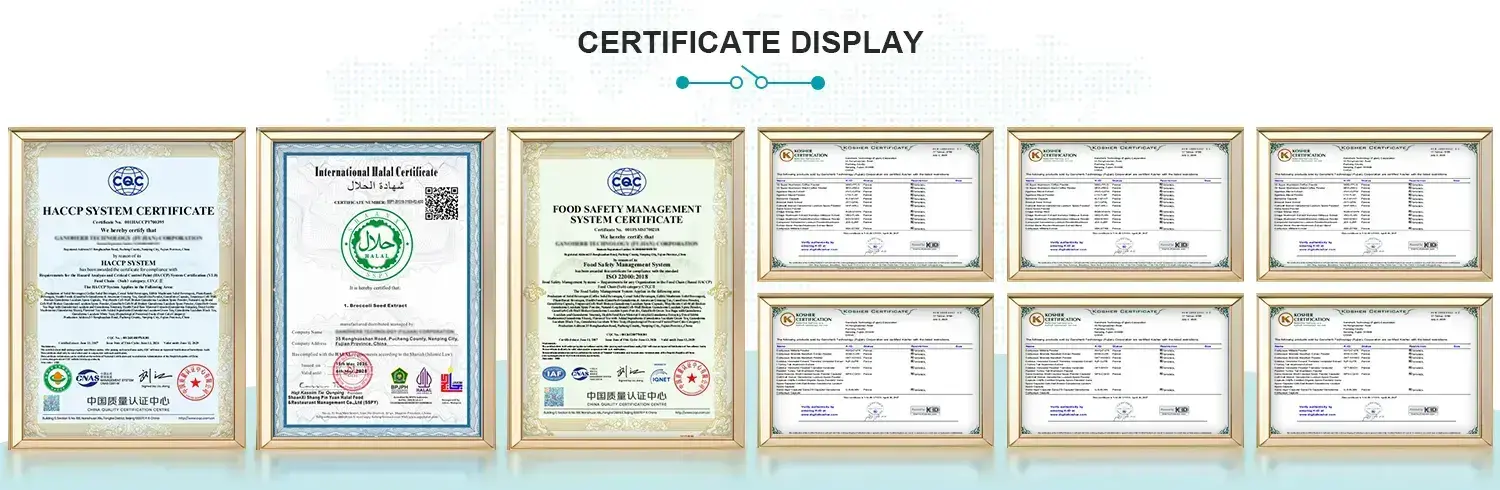
A strong supplier provides defined concentrations, batch traceability, consistent paperwork, suitable packaging, and technical support. Astaxanthin powder from our company is certified by FSSC22000, HACCP, HALAL, and Kosher. You can see how each batch is made, from the seeds to the bag. Glass lines that have clean water in them and are turned off grow algae. Up to 99% of the dried algae powder is just algae; nothing else has been added. Thirteen years have passed since Fushan Biotechnology last worked in functional nutrition. Now, our team helps with formulation, paperwork, and shipping. Also, look at the MOQ, wait time, how problems are handled, and how quickly the team responds to a question.
Conclusion
There are a lot of little rules you need to follow when you ship and package Haematococcus Pluvialis Astaxanthin Powder, store it correctly, and make it. Things that are light, air, heat, and water are the most dangerous. Not much air flows through, it's cool and dry, and each one can be sealed again quickly to keep it safe. When there are clear steps, like a FIFO or FEFO cycle, and correct records, it's easy to find everything. To find out how much the packaging really costs, add the cost of the items that were lost to the unit price. It's clear that the powder meets its needs from the full COA, stable data, and directions for opening the package. Words that tell you how to store something always come before general tips. We need to keep our powder somewhere cool, dry, dark, and below 4°C for a long time. You can keep it for 24 months.
FAQ
What is the safest way to store the powder?
It should be kept somewhere cool and dry, away from heat, and in the box it came in. I think the best place to store our things for a long time is below 4°C.
Is ordinary room temperature enough?
Not all the time. Keep the temperature the same as your provider tells you to. There is a range of light, heat, and humidity levels in each room.
How do I limit oxygen after opening?
Only open what you need, close it quickly, and squeeze out any extra air. Don't use a big jar unless your provider tells you to.
What if the color or odor looks wrong?
Put the lot aside and call your supplier with the photos, COA, and lot number. Don't use the lot.
Which documents should I request?
Look at the COA to see what it says, how it was packed, how long it will last, and what to do with an open package.
Request a Haematococcus Pluvialis Astaxanthin Powder Specification
You want to find a store that sells Haematococcus Pluvialis Astaxanthin Powder and can tell you how to keep it. Getting in touch with FuYNature is easy. Just email info@extrabroc.com with your purpose, your target market, the pack size, and the amount of material you expect to use. Our team at Hefei Fushan Yuansheng Biotechnology will give you the information, the COA, and instructions on how to handle the goods. There will be between 2% and 6% astaxanthin in the powder. You are welcome if you make nutrition, food and skincare items, or if you buy in bulk or as an OEM. Please go to extrabroc.com to find out more.
References
1. Marine Drugs (2014). Astaxanthin: Sources, Extraction, Stability, Biological Activities and Its Commercial Applications—A Review.
2. Critical Reviews in Food Science and Nutrition (2006). Astaxanthin: A Review of Its Chemistry and Applications.
3. Frontiers in Plant Science (2016). Astaxanthin-Producing Green Microalga Haematococcus pluvialis: From Single Cell to High Value Commercial Products.
4. Food Chemistry (2017). Chemical Stability of Astaxanthin Integrated into a Food Matrix: Effects of Food Processing and Methods for Preservation.
5. Molecular Nutrition & Food Research (2011). Potential Health-Promoting Effects of Astaxanthin: A High-Value Carotenoid Mostly from Microalgae.
6. Nutrafoods (2013). Synthetic Astaxanthin Is Significantly Inferior to Algal-Based Astaxanthin as an Antioxidant and May Not Be Safe for Human Consumption.