Haematococcus Pluvialis Astaxanthin Powder for Beauty Product Development
Haematococcus Pluvialis Astaxanthin Powder is a naturally derived carotenoid extracted from the freshwater microalga Haematococcus pluvialis, and it has become one of the most sought-after active ingredients in modern beauty product development. Known for its extraordinary free-radical scavenging capacity—approximately 6,000 times greater than Vitamin C—this deep red algal powder addresses pressing formulation needs in anti-aging serums, UV-protective creams, and skin-repair masks. For B2B buyers seeking a certified, traceable, and high-purity cosmetic ingredient, understanding its science, applications, and procurement criteria is the logical first step toward building a competitive product line.
Understanding Haematococcus Pluvialis Astaxanthin Powder
Origin and Biological Source
It is a green microalga with only one cell, and its name comes from its pluvialis. It stores astaxanthin, a xanthophyll-class pigment, to protect itself from things like being in strong sunlight and not getting enough food. Cells use this process to make the (3S, 3'S) stereoisomer, which is the best natural form. The synthetic astaxanthin, which is a racemic mixture with much lower antioxidant activity, doesn't work as well in living things as the natural astaxanthin from algae.
Physical and Chemical Profile
The finished powder can have astaxanthin levels of ≥2%, ≥3%, ≥4%, ≥5%, or ≥6%. It is a fine red or dark red powder. It is checked with HPLC to make sure it is clean and has the right isomer profile. There is no change in the powder's activity during its distribution cycle. It can be stored for 24 months if it is sealed, kept out of light, and kept cool (below 4°C).
Skin Biology and Proven Benefits
What makes astaxanthin different from other carotenoids is that it can get through cell membranes and protect cells from damage in both the lipid bilayer and the watery parts. It has been shown in a published study to lower inflammation markers, stop matrix metalloproteinases (MMPs) from breaking down collagen, and stop oxidative stress caused by UV light. These steps directly improve the formulation, giving skin more elasticity, less photoaging, and a brighter, more even tone.
Application of Haematococcus Pluvialis Astaxanthin Powder in Beauty Products
Topical Skincare Formulations
In beauty products, algal astaxanthin works well with oil-based items such as moisturizing serums, rich creams, and overnight repair balms. The form of astaxanthin oil that dissolves in oil works well with emollients and carrier oils. The form of astaxanthin oil that dissolves in water, on the other hand, works well in gels and toners that are made with water. Topical forms normally use between 0.01% and 0.1% by weight, which is a good mix between low cost and color that can be seen.
This ingredient always works well in the following types of beauty products:
- Anti-aging serums: Astaxanthin's MMP-inhibiting activity supports collagen preservation. Combined with peptides or niacinamide, it addresses fine lines and loss of firmness in a single, evidence-backed active.
- Sunscreen and UV-protective creams: Used alongside chemical or mineral UV filters, it reduces the oxidative burden from solar radiation, improving the overall photo-protection profile of the finished product.
- Sheet masks and sleeping masks: Its anti-inflammatory properties calm post-exposure redness and dryness, making it effective in recovery-focused product categories.
This way of making recipes with Haematococcus Pluvialis Astaxanthin Powder makes it simple for companies to say that their goods are good for more than one thing, which is a big selling point in the US skin care market right now.
Cosmeceuticals and Ingestible Beauty
Astaxanthin microencapsulated powder is also often found in beauty supplements that you take by mouth. These are often sold as "beauty from within" products. When mixed with lutein, hyaluronic acid, or collagen peptides, it helps skin stay moist, flexible, and protected from UV damage from the inside out. Application on the skin and consumption are two ways that are becoming more common. B2B clients can use them to put together high-quality product bundles.
Dosing and Regulatory Notes
People in the US took food supplements with 4 mg to 12 mg of total astaxanthin every day as part of clinical tests. The FDA says that all claims about a product must be true. For example, claims that a product can treat diseases are not allowed. When used as a cosmetic, claims must follow the rules for cosmetic labels.
Comparing Haematococcus Pluvialis Astaxanthin Powder with Other Antioxidants and Synthetic Astaxanthin
Natural vs. Synthetic Astaxanthin
Natural and man-made astaxanthin are not only different in where they come from, but also in how well they work and how people feel about them. Because it is mostly esterified and in the form of the (3S, 3'S) isomer, astaxanthin found in algae is thought to be more bioavailable and biologically active. When it is made in a lab, astaxanthin is a racemic mixture that has not been esterified. This means that, gram for gram, it has less antioxidant activity. It's also important to see proof that the ingredients in clean-label or high-end beauty items come from natural sources.
Astaxanthin vs. Common Antioxidants
There is a lot more natural astaxanthin in the body than there is vitamin C, vitamin E, beta-carotene, and CoQ10. About 800 times better than CoQ10 and 550 times better than Vitamin E, it stops singlet oxygen from forming. One more thing that makes it special is that it can work in both fat and water at the same time, which is something that most antioxidants can't do.
Supplier Quality Differentiators
For buying teams, these quality indicators show which sources they can trust:
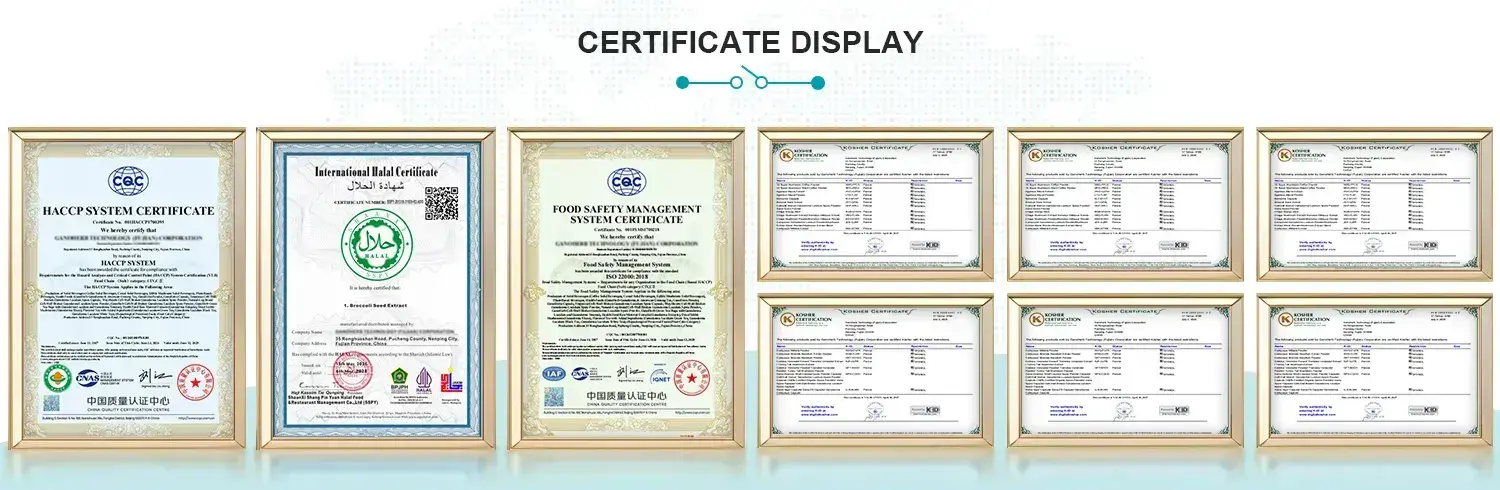
- Certifications: FSSC22000, HACCP, HALAL, and Kosher certifications confirm food-safety-grade manufacturing discipline applicable to both supplement and cosmetic ingredients.
- Testing protocol: HPLC-based astaxanthin content assay distinguishes natural isomers from synthetic contaminants, ensuring that label claims are accurate and defensible.
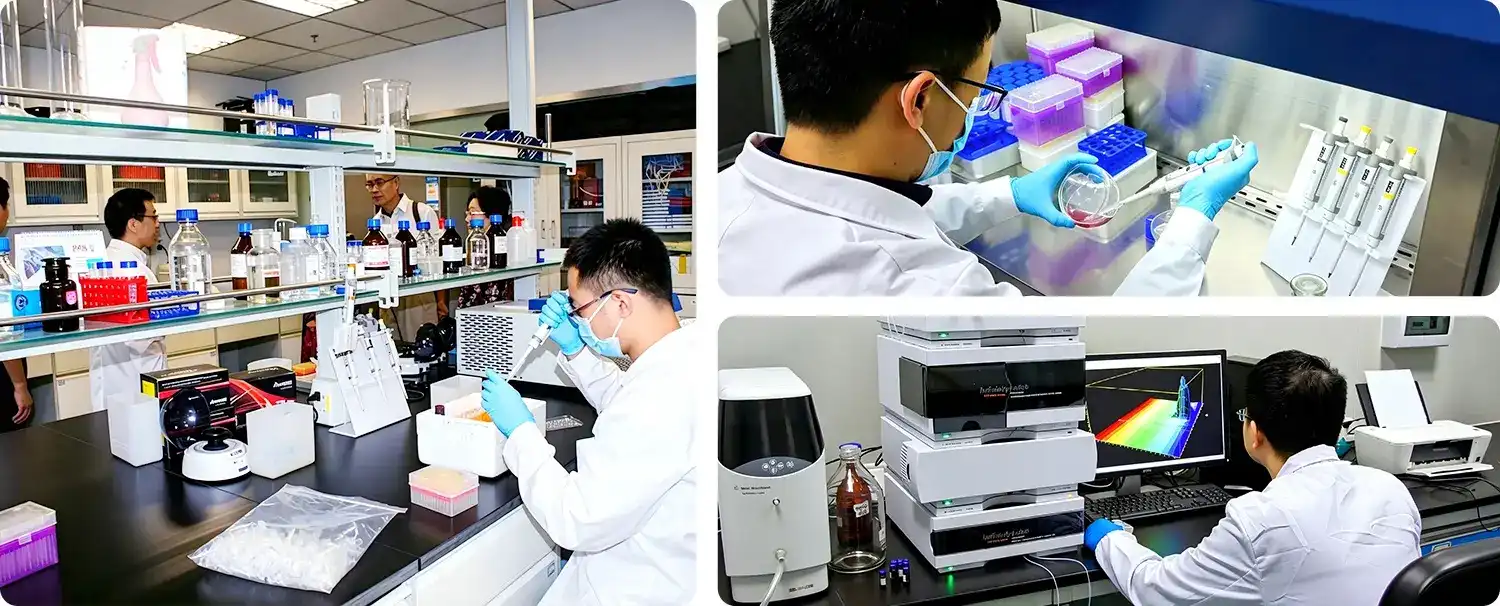
- Traceability: Full seed-to-finished-product traceability, including purified water, glass pipeline sealed cultivation achieving dried algae purity up to 99%, eliminates contamination risk and simplifies your own quality documentation.
An HPLC-based astaxanthin content analysis of Haematococcus Pluvialis Astaxanthin Powder is the name of this test method that can tell the difference between natural isomers and man-made contaminants. This makes sure that the label's claims are true and can be backed up.
Total traceability from seeds to finished goods, including purified water and glass tunnel sealed farming that achieves dried algae purity up to 99%, gets rid of the chance of contamination and makes it easier to keep track of quality.
Procurement Guide for Haematococcus Pluvialis Astaxanthin Powder
Supplier Credibility and Capacity
An honest supplier makes sure that their production capacity stays stable, that each batch is of high quality, and that all of their certification paperwork is easy to understand. Certified plant partners who can make 300 tons of goods a year can handle large orders without any problems. Buyers should check that the HPLC testing data is correct and that the supplier meets microbiology standards before they approve a supplier. They should also ask for a Certificate of Analysis (CoA) for each batch.
Pricing, MOQ, and Logistics
How much astaxanthin you want to buy affects the price. Better powders (≥5% or ≥6%) cost more, but when they are made into finished goods, they cost less per dose. Talk about the MOQ right away during the talks. Since you're buying from a plant instead of a trading company, the minimum order amount is often less strict. The item can be sent by both air and sea freight, so it can be used for both pressing testing of samples and big business sales.
Key Questions to Ask Your Supplier
If a buying manager is going to place a big order, they should –
- Is full-batch HPLC testing documentation available for every shipment?
- Does the facility hold current FSSC22000, HACCP, HALAL, and Kosher certifications?
- Can the supplier provide custom specifications (e.g., ≥4% or ≥6% astaxanthin content)?
- Is a microencapsulated water-dispersible version available for water-based formulations?
-
Future Trends and Opportunities in Using Haematococcus Pluvialis Astaxanthin Powder for Beauty Products
Clean Beauty and Natural Ingredient Demand
Things on food labels are getting more attention in the US than ever before. Active ingredients that come from plants or algae and can be tracked are being used instead of ones that are made in a lab as part of the "clean beauty" trend. Algal astaxanthin meets all of these requirements exactly. It is non-GMO, doesn't leave behind any organic solvents when removed with water, and meets internationally recognized standards for food safety.
Advances in Algal Cultivation Technology
Growing plants in closed photobioreactors and glass pipelines with purified water is making yields more consistent and lowering the risk of contamination on a large scale. These changes to the process make the dried algae powder purer (it can be up to 99% pure when nothing else is added). In turn, this makes makeup more steady and gives B2B buyers more reliable ways to get their goods.
Personalized Skincare and Wellness Convergence
If you take care of your diet and treat your skin, you have a huge chance to grow. Astaxanthin softgels and topical serums work together to make "inside-out beauty" routines that sell well and keep customers coming back. For business-to-business clients, having one recognized ingredient that can be used for both makes it easy to buy and helps them make product stories that run together.
Conclusion
There is no doubt that natural algal astaxanthin from Haematococcus Pluvialis Astaxanthin Powder is one of the best active ingredients in beauty products, whether they are eaten or put on the skin. Brands that want to reach the growing US market for natural skincare that is backed by science should use this product. It has been shown to protect against UV rays, contain antioxidants, and come from a clean label. Businesses that want to buy from other businesses need to find certified, traceable sellers who can keep up steady production and offer a variety of standard choices. When you pick a verified manufacturing partner, the formula you make will be just as good as the ingredients that go into it.
FAQ
What astaxanthin concentrations are available for beauty formulations?
The powder comes in five different amounts: ≥2%, ≥3%, ≥4%, ≥5%, or ≥6% astaxanthin. The HPLC test confirmed these amounts. If you need them, you can also get specs that are made just for your formulation goals.
How does natural astaxanthin compare to synthetic in cosmetic use?
Scientists have found that the biologically active (3S, 3'S) esterified isomer is found in algae. It works better as an antioxidant and is more popular in high-end beauty products with clear labels. Synthetic forms are made up of racemic mixes that work a lot less well.
Is the powder suitable for water-based skincare formulations?
Of course, there is microencapsulated astaxanthin powder that can be mixed with gels, toners, and solid dosage forms that are made with water without having to separate the phases.
What certifications should I require from a supplier?
At the very least, you need FSSC22000, HACCP, HALAL, and Kosher certificates. When you buy something as a business, you usually need a certificate of analysis (COA) that has been checked by HPLC, full tracking paperwork, and microbiology compliance reports.
What is the shelf life, and how should the powder be stored?
You can keep it for 24 months. To keep all of the antioxidants working while you store them, keep them in a dry, dark, and sealed container below 4°C.
Partner with EXTRABROC® for Certified Haematococcus Pluvialis Astaxanthin Powder
The Haematococcus Pluvialis Astaxanthin Powder that EXTRABROC® sells is of high quality and has been approved by FSSC22000, HACCP, HALAL, and Kosher. They can handle big orders and can consistently make 300 tons of goods each year. We are a trustworthy company that sells Haematococcus Pluvialis Astaxanthin Powder. We can make it according to your specific needs, keep track of it from seed to finished product, and check the quality of each batch using HPLC. Get a sample or talk to us right away about your recipe needs by emailing info@extrabroc.com or going to extrabroc.com.
References
1. Guerin, M., Huntley, M. E., & Olaizola, M. (2003). Haematococcus astaxanthin: applications for human health and nutrition. Trends in Biotechnology, 21(5), 210–216.
2. Tominaga, K., Hongo, N., Karato, M., & Yamashita, E. (2012). Cosmetic benefits of astaxanthin on human skin. Acta Biochimica Polonica, 59(1), 43–47.
3. Davinelli, S., Nielsen, M. E., & Scapagnini, G. (2018). Astaxanthin in skin health, repair, and disease: a comprehensive review. Nutrients, 10(4), 522.
4. Ambati, R. R., Phang, S. M., Ravi, S., & Aswathanarayana, R. G. (2014). Astaxanthin: sources, extraction, stability, biological activities, and its commercial applications. Marine Drugs, 12(1), 128–152.
5. Naguib, Y. M. A. (2000). Antioxidant activities of astaxanthin and related carotenoids. Journal of Agricultural and Food Chemistry, 48(4), 1150–1154.
6. Yuan, J. P., Peng, J., Yin, K., & Wang, J. H. (2011). Potential health-promoting effects of astaxanthin: a high-value carotenoid mostly from microalgae. Molecular Nutrition & Food Research, 55(1), 150–165.