Stachyose 70% Powder Enables High-Purity Prebiotic Ingredient Solutions for Premium Functional Food Formulations
When formulators search for a prebiotic ingredient that delivers both scientific credibility and supply chain reliability, Stachyose 70% Powder consistently rises to the top. Sourced from botanical origins including Stachys affinis (Chinese artichoke), this white crystalline tetrasaccharide oligosaccharide carries a molecular formula of C₂₄H₄₂O₂₁ and a confirmed purity of ≥70% verified by HPLC. It passes through gastric enzymes intact, reaching the colon where it selectively feeds Bifidobacteria and Lactobacilli. For procurement managers and OEM formulators targeting premium gut health markets in the United States, this ingredient offers a clear, evidence-backed entry point.
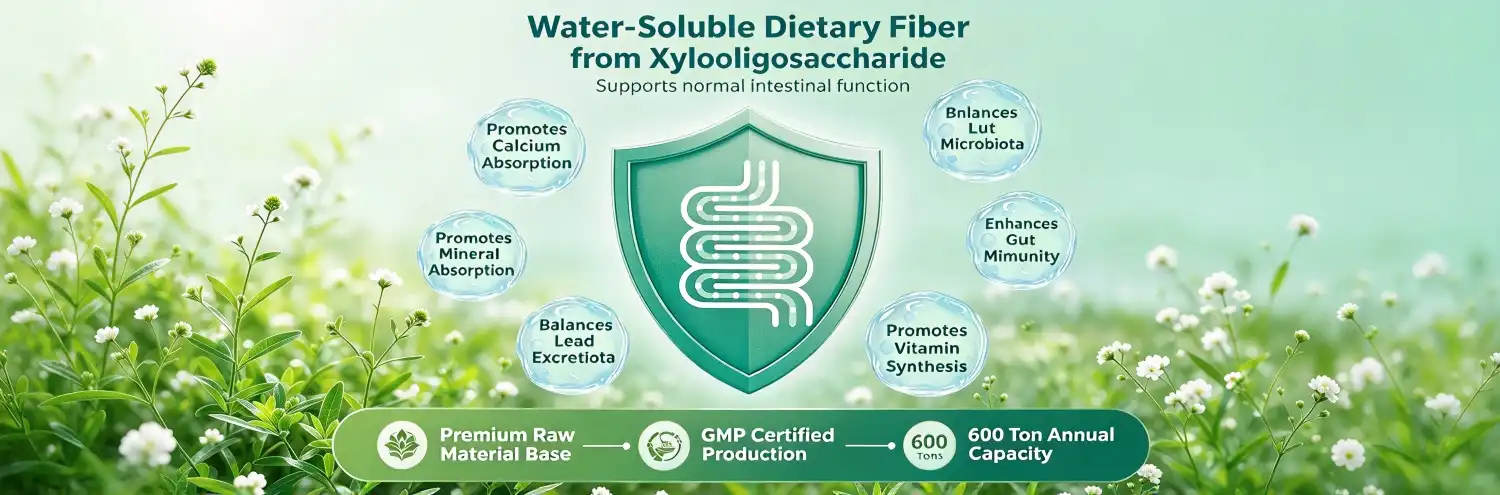
Understanding Stachyose 70% Powder: Composition, Benefits, and Mechanisms
Chemical Identity and Purity Standards
In nature, staghornose is a tetrasaccharide that is made up of two galactose units, one glucose unit, and one fructose unit. We always get pure samples with less than 5% moisture and less than 0.5% ash from our 70% standard, which was shown to work by HPLC. Food safety rules from around the world cover both heavy metals and germs. As long as you keep it cool and dry, it will last for 24 months. This makes it perfect for B2B manufacturing environments with long supply chain cycles.
Prebiotic Mechanism and Gut Microbiota Support
The enzymes in our stomachs can't break down stachyose, so it goes straight to the large intestine whole. As a carbon source, it only helps good bacteria grow in that spot. Studies in trustworthy journals say that it speeds up the growth of Bifidobacterium a lot more quickly than other types of food fibers. It makes less gas than FOS because it is selective. This makes it a better functional ingredient for older people or people whose digestion isn't working well when used in sensitive formulations.
Three Protective Barriers in the Gut
The metabolism of this oligosaccharide works on three different levels in the gut. This defense system is made up of these parts that work together:
- Biological barrier: Beneficial bacteria stimulated by stachyose adhere to the intestinal lining, forming a dense microbial film that blocks enterotoxins and inhibits pathogens. Studies confirm reduced levels of intestinal amines, indole, and carcinogen activity.
- Chemical barrier: Short-chain fatty acids produced by activated probiotic bacteria lower intestinal pH, suppress harmful bacterial growth, promote peristalsis, and accelerate toxin excretion—naturally preventing constipation.
- Immune barrier: Metabolic breakdown yields functional immune intermediates, including mannose-triose and melibiose, which stimulate IgA production—the body's primary mucosal immunoglobulin—providing broad-spectrum antigen neutralization.
Scientists have found that short-chain fatty acids made by active probiotic bacteria lower the pH of the gut. This stops the growth of harmful bacteria, speeds up the elimination of toxins, and promotes peristalsis. In a natural way, this keeps you from getting blocked.
Barrier for the immune system: When the sugars break down, they release manninotriose and melibiose, which are immune system-friendly substances. In turn, these help the body make IgA, which is its main mucosal immunoglobulin and fights off many different types of antigens.
Application and Formulation of Stachyose 70% Powder in Functional Foods
Dietary Supplements and Synbiotic Capsules
Stachyose 70% Powder can serve as a prebiotic component in synbiotic formulations designed to combine beneficial microorganisms with fermentable substrates. By providing a potential energy source for selected probiotic strains, Stachyose 70% Powder may help support bacterial growth and activity under suitable formulation and gastrointestinal conditions. For manufacturers developing multi-strain probiotic supplements, Stachyose 70% Powder offers an ingredient option to evaluate for compatibility with different bacterial strains and dosage forms. Its reported thermal stability at temperatures up to 140°C, depending on processing conditions, may also make Stachyose 70% Powder worth considering for formulations exposed to controlled heating during production. However, the survival of live microorganisms and the retention of their activity depend on the specific strains, moisture levels, exposure time, and processing temperatures. Therefore, manufacturers should conduct stability and viability testing to confirm that Stachyose 70% Powder is compatible with encapsulation and other manufacturing processes. By assessing strain compatibility, processing conditions, and finished-product CFU counts, formulators can determine how Stachyose 70% Powder may contribute to the development of reliable multi-strain synbiotic products.
Beverages, Baked Goods, and Functional Foods
With its ability to mix well with water and not stick to surfaces, it can be used in clear drinks like functional waters, lactic acid drinks, and vinegar-based drinks. It does not change the taste of flavors, even when very little of it is used. This ingredient changes the way dough acts and helps baked goods stay moist. It's about 22% as sweet as sugar and only has 2 calories per gram. This makes it a good low-calorie filler for digestive cookies and meal replacement bars that don't want to use inulin because inulin might break down when heated too much.
Animal Nutrition and Specialty Applications
Stachyose is used in human nutrition, but it's also used in animal nutrition to keep guts healthy and feed conversion rates high, which is a market segment that B2B buyers often miss. So it's good for formulas for pregnant women, older adults, or people with metabolic conditions like diabetes and hyperlipidemia because it doesn't need insulin to be broken down. It also helps the body absorb calcium and magnesium.
Comparing Stachyose 70% Powder with Other Prebiotics: Making Informed Procurement Decisions
Stachyose vs. Inulin and FOS
The people who buy things often compare stachyose to FOS and inulin. The big changes make the method work better. Inulin breaks down more quickly in acidic drinks, but stachyose stays whole in a pH range of 3.0 to 7.0 and at temperatures up to 140°C. People who buy fermented FOS say they feel bloated because it makes more digestive gas. Stachyose specifically targets Bifidobacteria, changing microbes in a controlled way that doesn't hurt the senses.
Botanical Source and Quality Differentiation
Source is a big deal for taste and cleaning. Since it doesn't have any other flavors, stachyose from Stachys affinis tastes the best. A lot of the time, verbascose impurities in Lycopus lucidus extracts make them taste worse. The sour stachyose that comes from Rehmannia glutinosa can't be used in food. Most stachyose from soybeans is less than 30% pure and has more than 40% sugar, which is bad for diabetic-friendly goods. All of these quality holes are filled directly by the rule that at least 70% of the material must come from approved plant-based sources.
70% vs. 90% Concentration: Matching Spec to Application
At a 70% concentration, Stachyose 70% Powder offers a practical balance between ingredient specifications and cost for a wide range of food and dietary supplement applications. Its defined stachyose content makes Stachyose 70% Powder a suitable option for manufacturers developing functional foods, prebiotic beverages, and general wellness products. For procurement managers serving different customer segments, Stachyose 70% Powder can provide flexibility when building cost-effective product portfolios while maintaining clear quality requirements. Higher-purity grades, such as 90% stachyose powder, may be worth evaluating for specialized formulations that require a higher concentration of the target ingredient. However, the appropriate grade depends on the intended application, formulation requirements, and supporting evidence rather than the purity level alone. By comparing purity specifications, supplier documentation, and overall purchasing costs, buyers can determine whether Stachyose 70% Powder meets their production needs. For businesses seeking a balance between functionality and affordability, Stachyose 70% Powder offers a versatile ingredient option for a variety of food and supplement formulations.
Procurement Guide for Stachyose 70% Powder: Sourcing and Supplier Selection
Key Certification and Quality Requirements
Suppliers of stachyose that you can trust should at least have ISO22000, HACCP, and HALAL certifications. For every batch, there should be a Certificate of Analysis (COA) that shows that the heavy metals are safe, that the microbiological screening shows that there are no E. coli or Salmonella, and that the tetrasaccharide content has been confirmed by HPLC. A study of particle size distribution at 80–100 mesh confirms that dry-mix applications mix uniformly. It's helpful to know which providers you can trust and which ones you shouldn't.
Supply Capacity and Order Parameters
It's just as important for OEMs and bulk buyers that the supply chain works well as it is for the ingredients to be good. Big orders can be filled without any delivery problems because they can make 1,000 tons of it every year. If the stock stays the same, buying teams can work out forward contracts that protect them from changes in prices.
Supplier Evaluation Best Practices
Get production audit records and certificates from a provider before you choose them. This shows that the supplier keeps full records from the source of the plants to the time they are shipped, including when they are extracted, tested, and shipped. This is what purchasing managers need to make sure they follow FDA rules in the US market. Find out how easy it is to get in touch with them, how long it takes to get samples, and how willing they are to meet your specific needs. Ask the provider directly if they can help you change the recipe, make a regulatory dossier, or test the process. All of these services can be helpful for OEM clients who are in charge of different product lines for different markets.
Future Trends and Market Potential for Stachyose 70% Powder in Functional Food Development
Rising Global Demand for Gut Health Ingredients
As awareness of the gut-brain axis and the role of the gut microbiome continues to grow, demand for functional ingredients that support digestive wellness is increasing. Stachyose 70% Powder is a prebiotic ingredient that manufacturers can consider when developing functional foods, dietary supplements, and other wellness-focused products. Growing consumer interest in microbiome research has also created opportunities for Stachyose 70% Powder in formulations designed to support a balanced gut microbiota. In the United States, functional foods and dietary supplements remain important categories for brands seeking to meet consumer demand for everyday wellness solutions. Research into oligosaccharide prebiotics has further expanded interest in ingredients such as Stachyose 70% Powder, which can be fermented by certain beneficial intestinal bacteria. For manufacturers looking to diversify beyond conventional fiber sources, Stachyose 70% Powder offers an additional option for prebiotic product development. By incorporating Stachyose 70% Powder into carefully formulated products and supporting relevant benefit claims with reliable scientific evidence, brands can respond to evolving consumer interest in digestive health and microbiome-focused nutrition.
Synergistic Formulation and Next-Generation Products
Formulators who are thinking ahead are putting stachyose together with postbiotics, stomach enzymes, and minerals that help the body absorb them to make gut health products that do more than one thing. Product developers can make a lot of different kinds of products with it because it works with different dosage forms, such as powder sticks, capsules, RTD drinks, and functional snacks. Now that OEMs are putting money into stachyose-anchored formulas, their goods are ahead of what users want instead of behind it.
Long-Term Supply Chain Advantages for B2B Partners
Suppliers whose production is linked vertically and whose raw material sources are stable make it less likely that their B2B clients will have problems with their supplies. It takes less time for officials in the US and other countries to approve new goods when safety data is recorded and international standards are confirmed to be met. Because of these structural benefits, OEM partners can get their goods to market more quickly.
Conclusion
One prebiotic ingredient that has been proven to work is Stachyose 70% Powder. It can be used in high-end functional foods and supplements. It's different from other fibers because it's pure (>70%, as confirmed by HPLC), safe at high temperatures and acidic conditions, helps certain probiotics grow, and protects the gut in many ways. High-quality B2B buyers can get what they need from this company, which meets ISO22000, HACCP, and HALAL standards and can consistently make 1,000 tons of goods each year. Researchers and people who make gut health products can be sure that this ingredient is safe and will work well in the supply chain.
FAQ
What is the recommended dosage of stachyose in functional food formulations?
Typical inclusion rates range from 1.5 to 5 grams per daily serving, depending on the target population and health claim. Clinical applications may require higher doses, while general wellness products often use the lower end of this range.
Is stachyose safe for diabetic consumers?
Yes. Stachyose is not hydrolyzed by digestive enzymes and does not require insulin for metabolism. Its glycemic index is negligible, making it appropriate for diabetic-friendly formulations. However, buyers should verify that the sucrose or glucose content in the final extract does not exceed 40%—particularly relevant when evaluating lower-purity soybean-derived grades.
How does stachyose compare to inulin for sensitive populations?
Stachyose produces less intestinal gas than inulin during fermentation due to its higher selectivity for Bifidobacteria. This translates to fewer bloating complaints, which is a meaningful advantage in products targeting older adults or children.
What does the 70% specification mean in practice?
The ≥70% figure indicates that at least 70% of the dry powder weight consists of confirmed stachyose tetrasaccharide, verified by HPLC. The remaining fraction includes trace oligosaccharides and naturally occurring minor components from the botanical matrix. This concentration balances efficacy with cost for most commercial applications.
What certifications should a stachyose supplier hold?
At minimum: ISO22000, HACCP, and HALAL certifications. Suppliers serving US markets should be able to provide regulatory support documentation consistent with FDA requirements and should furnish a full COA for each batch.
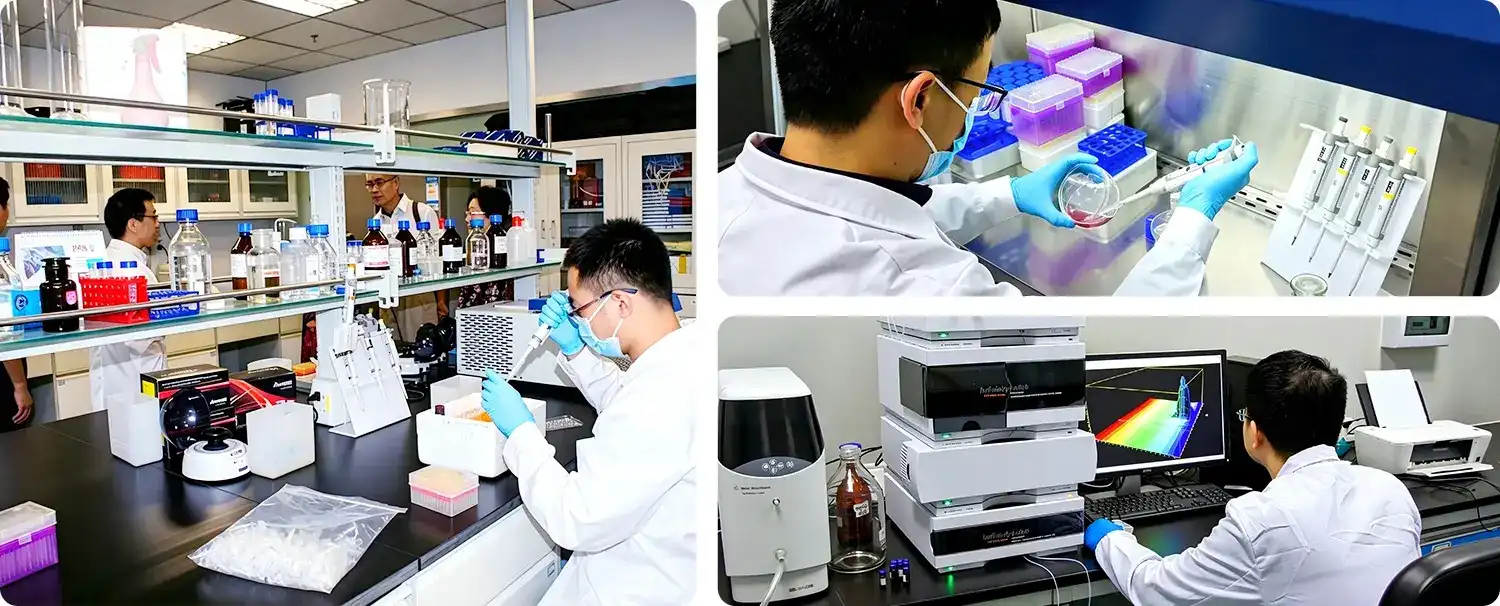
Partner with EXTRABROC® for Certified Stachyose 70% Powder Supply
The nutritional ingredients in EXTRABROC® have been used for 13 years and have been shown to work in all relationships. If you buy 1,000 tons of our Stachyose 70% Powder every year, you can be sure that it comes from a reliable source because it is approved by ISO22000, HACCP, and HALAL. Whether you need a lot of supplies, help with formulating, or legal help for the US market, our team is ready to help. Contact us right away for examples, specs, or a price on a large order: Send an email to info@extrabroc.com. Extrabroc.com is the website.
References
1. Gibson, G. R., & Roberfroid, M. B. (1995). Dietary modulation of the human colonic microbiota: Introducing the concept of prebiotics. Journal of Nutrition.
2. Rastall, R. A., & Gibson, G. R. (2015). Recent developments in prebiotics to selectively impact beneficial microbes and promote intestinal health. Current Opinion in Biotechnology.
3. Versluys, L., Bhattacharya, T., Van den Ende, W., & Valluru, R. (2017). A comparative analysis of oligosaccharide and raffinose family oligosaccharide metabolism. Frontiers in Plant Science.
4. Bindels, L. B., Delannoy, J., Segura Bianchetti, G., Neyrinck, A. M., & Delzenne, N. M. (2015). Non-digestible oligosaccharides modulate the gut microbiota and intestinal immunity. Nutrients.
5. Niness, K. R. (1999). Inulin and oligofructose: What are they? Journal of Nutrition.
6. Roberfroid, M. B. (2007). Prebiotics: The concept revisited. Journal of Nutrition.