Broccoli Seed Extract 13% Glucoraphanin Fits Advanced Botanical Formulas for Daily Wellness and Lifestyle Products
Broccoli Seed Extract 13% Glucoraphanin is now one of the most sought-after botanical ingredients in high-tech health and nutrition products. This light yellow fine powder comes from Brassica oleracea var. italica seeds and is extracted using only water. It has a standard glucoraphanin content that has been checked by HPLC. It can be stored for a long time and turns into sulforaphane, which is a well-known Nrf2-pathway stimulator. For manufacturers, original equipment manufacturers (OEMs), and distributors who buy in bulk, this ingredient is a regulatory-compliant option backed by science that works well in a variety of daily wellness and lifestyle product formats.
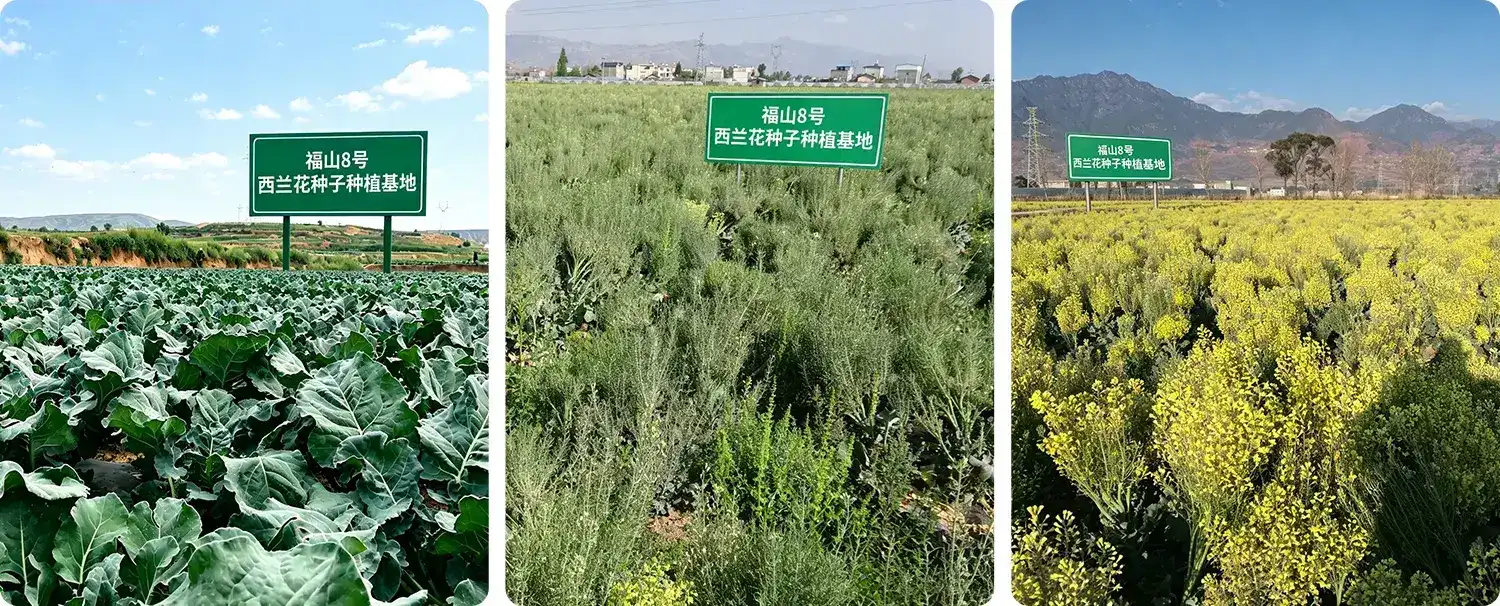
Understanding Broccoli Seed Extract and Glucoraphanin
The glucosinolate glucoraphanin is naturally present in large amounts in broccoli seeds. An enzyme called myrosinase changes glucoraphanin into sulforaphane when it is eaten. This enzyme can be found in gut bacteria or in the food itself. A great deal of study has been done on sulforaphane and how it starts the Nrf2 signalling pathway. The body's antioxidant and phase II detoxifying systems are controlled by this route. Pure sulforaphane breaks down quickly at room temperature. To give beneficial ingredients that last longer between production runs, standardized glucoraphanin extract is a much better choice.
Why Glucoraphanin Outperforms Raw Sulforaphane in Manufacturing?
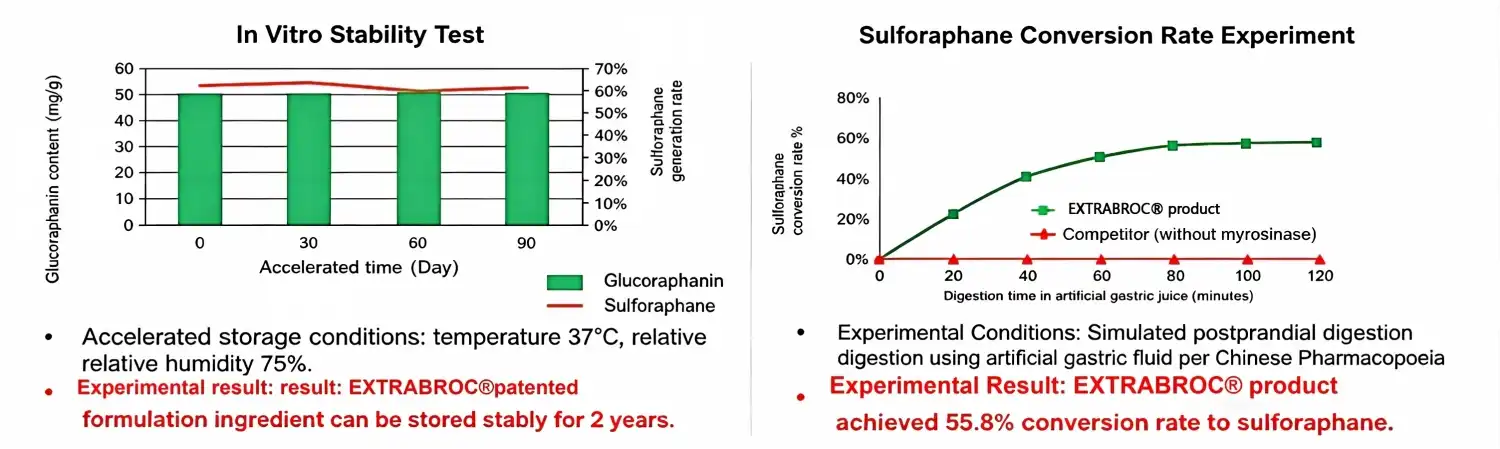
Raw sulforaphane is unstable and doesn't like it when the temperature changes. This makes it hard to work with when making hot goods like pills and capsules. On the other hand, if stored correctly, glucoraphanin can remain active for 24 months. Because the product can be kept longer, there is less waste and fewer quality issues on the production floor. This gives formulators more confidence in their ability to make batches again.
The Nrf2 Connection and Health Positioning
Scientists have found that turning on Nrf2 is connected to protecting cells from damage, fighting inflammation, and cleaning up cells. The biological effects of sulforaphane have been looked at in more than 10 clinical trials and real-life studies with people who used consistent glucoraphanin sources. With this much proof, companies that make supplements, functional foods, and topical products can confidently say that their products protect cells every day.
Product Specifications at a Glance
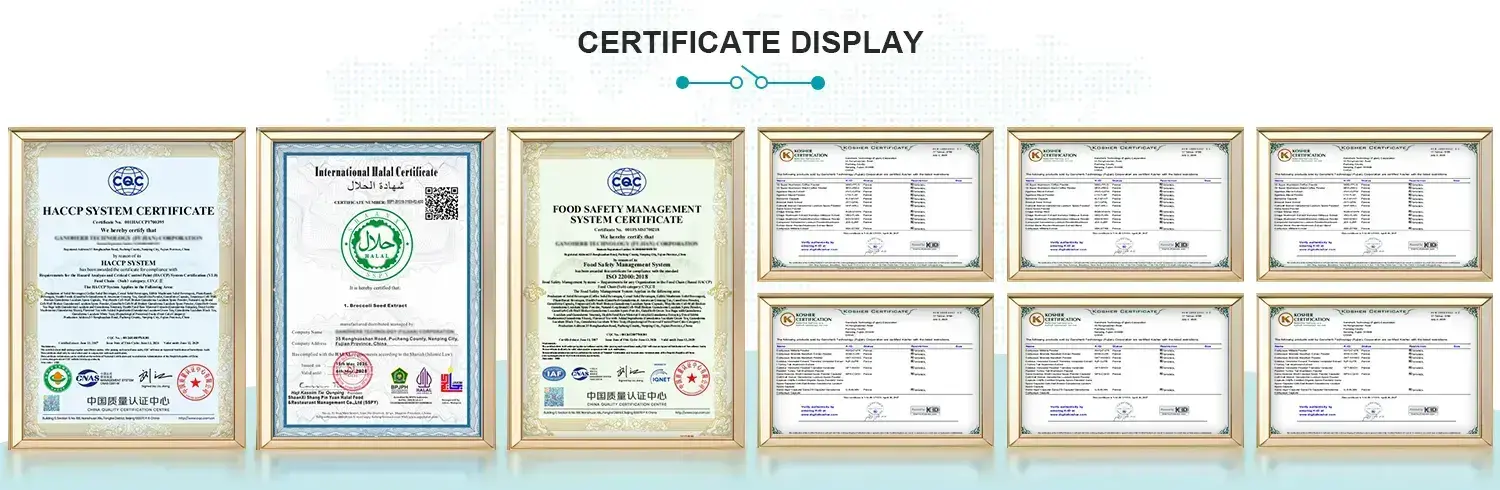
There are strict rules about how good EXTRABROC® Broccoli Seed Extract has to be. It must have a glucoraphanin level of at least 13% (HPLC-verified), particles that are at least 90% smaller than 180µm, a total aerobic bacterial count of 280 cfu/g, an inorganic arsenic level of 0.052 mg/kg, and be stored in a cool, dry, and light-protected place for two years. Some of the certificates are FDA, GMP, ISO22000, HACCP, and HALAL.
Comparing Concentrations and Forms for B2B Procurement
A lot of glucoraphanin products are not the same. Picking the right quantity and physical form has a direct effect on how well your product works, how efficiently it is made, and how much it costs.
13% vs. Lower-Concentration Extracts
Formulators can get medicinal doses of Broccoli Seed Extract 13% Glucoraphanin—usually 50–100 mg—into a single Size 0 tablet by standardizing the quantity to 13%. Lower-concentration extracts (1–5%) need much higher fill weights to have the same effect, which makes the capsules bigger, costs more to make, and makes the pills heavier for the consumer. For high-end products, 13% is the practical minimum that strikes a balance between potency and the ability to make the product.
Powdered Extract vs. Sprout-Derived Powder
When it comes to HPLC-verified standardization, seed powder that was extracted with water is better than sprout-derived alternatives, whose glucosinolate content changes depending on how they were grown. Through a special step, the EXTRABROC® water-extraction process also gets rid of organic solvent leftovers and risky impurities like allyl isothiocyanate. It's safer and more reliable than many sprout-based ingredients on the market because of this.
Organic vs. Conventional Sourcing Considerations
Organic certification comes with a higher price and appeals to certain types of customers. But regular extracts that pass strict tests for heavy metals, chemical residues, and microbes (covering more than 500 signs) can please buyers who care about quality without costing more. The ingredients in EXTRABROC® are non-GMO and have passed a lot of different safety tests. This means they can be used in most dietary supplements and functional foods in the US.
Procurement Considerations for Bulk Buyers and OEMs
It's not just about the quality of the items when you choose where to get them. A relationship with a seller is valuable in the long run if the supply chain works well, the paperwork is clear, and expert help is quick to respond.
When you buy a lot, these things are the most important:
- Factory certifications: EXTRABROC® works with factories that are certified in GMP, ISO22000, HACCP, and HALAL. Each batch comes with a Certificate of Analysis (COA) that has been checked and made possible by HPLC testing.
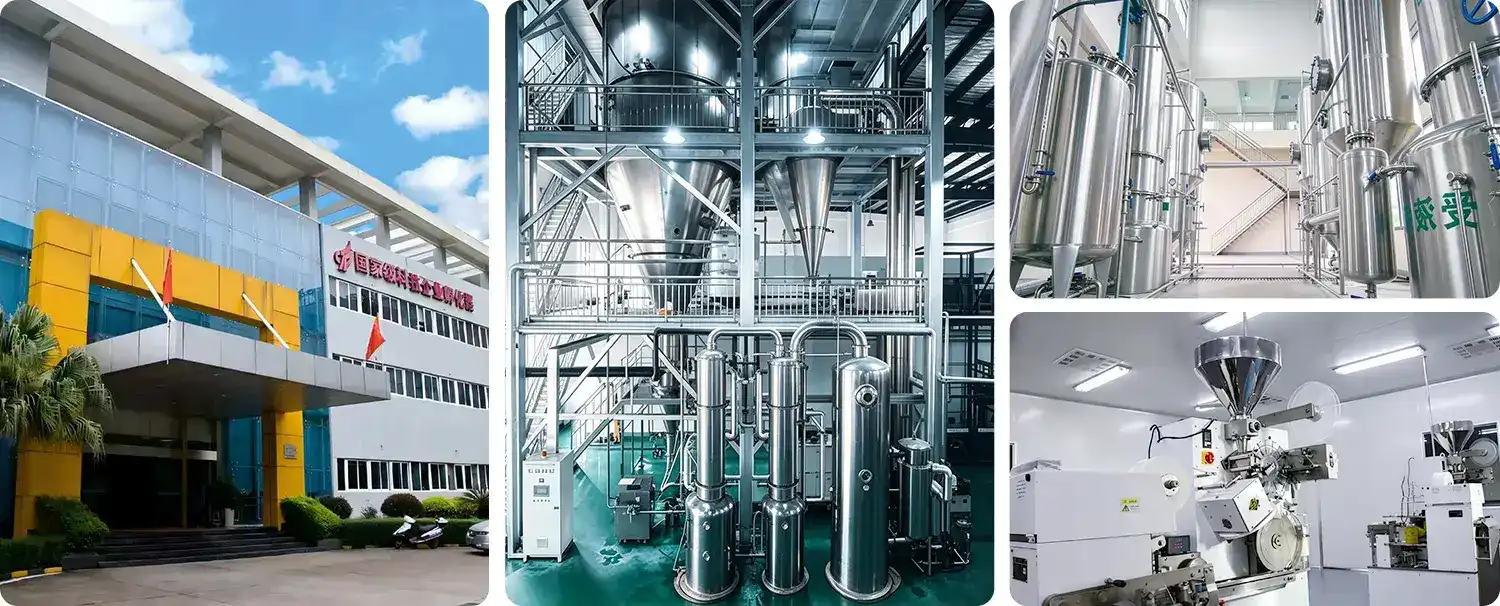
- Scalable supply capacity: EXTRABROC® can produce 50 tons of product every year, so it can handle big sales and regular restocking rounds for companies that make a lot of products.
- Flexible logistics: choices for air and sea freight are available, and product details, such as particle size, package style, and concentration, can be changed based on what the customer wants.
- Full traceability: EXTRABROC® keeps full process traceability and quality documentation at every stage, from growing the seeds to extracting them and finally packaging them.
Many OEMs and private label brands want to get into or grow in the US and European wellness markets. These features make the supply chain less risky for them. EXTRABROC® gives you the raw materials and also lets you change the recipe, helps with HPLC analysis, provides patent licensing (based on order volume), and works with you to make new health goods that are based on proof.
Integrating This Extract Into Advanced Botanical Formulas
The physical and chemical properties of this ingredient make it genuinely versatile across multiple product formats and health positioning strategies.
Nutraceutical Capsules and Tablets
The small particles (≥90% passing 180μm) and mass density of 0.40–0.60 g/ml make Broccoli Seed Extract 13% Glucoraphanin encapsulation work well with little waste. One Size 0 pill can give you 50–100 mg of glucoraphanin, which is the right amount based on clinical guidelines. Because the extract is thermally stable (up to about 80°C for short periods of time), it can also be put into tablets without losing its bioactive integrity.
Functional Beverages and Green Powders
Because it dissolves completely in water, this extract can be used to make cold-pressed juices, vitamin drink mixes, and "green powder" recipes. It doesn't change the taste much, so masking agents aren't needed as much, and it keeps its bioactivity even in mildly acidic pH environments that are common in beverage matrices.
Dermaceutical and Topical Applications
Glucoraphanin-rich ingredients boost the body's antioxidant defences against UV rays and outdoor pollutants in cosmetic and anti-aging skin care products. The ingredient stays stable in oil-in-water emulsion systems, which makes it a useful active for skin protection products that need to be scientifically sound and work well with other ingredients.
Why EXTRABROC® Is a Trusted Source for Your Product Line?
For 13 years, Fushan Biotechnology has been a leader in functional diets that focus on Nrf2. The company has filed 54 idea patents in the US and other countries. The R&D team is made up of four scientists with PhDs. More than 30 of them have been approved, and the business has three PCT international patent priorities. There are idea patents in China, Japan, and the US that cover the core sulforaphane release technology. About 55.8% of the sulforaphane in living things can be changed with this technology.
The ingredients used to make EXTRABROC® are safe and follow the rules set by China's New Food Raw Materials, the US FDA's GRAS approval, and the USP-NF pharmacopeia. Because they can follow the rules in more than one country, it is much easier for US companies to meet the rules when they write product reports or label claims. The full-chain traceability system keeps track of everything from the seed to the finished extract. This gives procurement teams all the proof they need to pass quality checks and meet retailer standards.
Conclusion
It is scientifically sound and useful for companies that make high-tech plant health products to use Broccoli Seed Extract 13% Glucoraphanin. You can use it in capsules, drinks, powders, and topicals because its precursor chemistry is stable, its HPLC specifications have been confirmed, it works well with a lot of different products, and it has a strong certification profile. For 13 years, EXTRABROC® has worked hard to study and improve this element. With patented technology and a full supply chain, they can meet the needs of large B2B clients around the world who need quality and consistency.
FAQ
What is the recommended dosage of glucoraphanin in finished products?
Most clinical studies reference a daily glucoraphanin intake of 60–220 mg to achieve meaningful Nrf2 pathway activation. At 13% standardization, formulators can deliver this range within one or two standard capsules, keeping the consumer dosage format practical and accessible.
Is broccoli seed extract safe for broad consumer use?
Yes. EXTRABROC® broccoli seed extract passes testing for 500+ indicators covering pesticide residues, heavy metals, and microbial contaminants. Inorganic arsenic measures 0.052 mg/kg—well within international safety limits. The pure water extraction process eliminates organic solvent residues, and the exclusive pre-treatment step removes allyl isothiocyanate, a known risk impurity.
How does glucoraphanin differ from isolated sulforaphane in product development?
Isolated sulforaphane is biologically active immediately but degrades rapidly, making shelf-life management difficult. Glucoraphanin functions as an inactive, stable precursor that converts to sulforaphane after ingestion via myrosinase. This makes 13% glucoraphanin extract the preferred raw material for manufacturers who require consistent potency across a 24-month shelf life.
Does EXTRABROC® support custom formulation requests?
Yes. Services include formula customization for ingredient content, dosage forms, and combination formulations, alongside HPLC analysis support and collaborative development for specific health applications.
Partner With EXTRABROC® for Your Next Botanical Formula
Broccoli Seed Extract 13% Glucoraphanin from EXTRABROC® has been tested for purity and comes from a production capacity of 50 tons per year. This makes it a reliable choice for any long-term relationship you want to build with a Broccoli Seed Extract 13% Glucoraphanin supplier. Whether you are expanding an existing line of supplements or releasing a brand-new functional drink, our team is here to help you from the very beginning with sample access, COA documentation, and formulation advice. To get a sample and talk to a product expert, email us at info@extrabroc.com or go to extrabroc.com.
References
1. Fahey, J. W., Zhang, Y., & Talalay, P. — Proceedings of the National Academy of Sciences, 1997.
2. Shapiro, T. A., Fahey, J. W., et al. — Cancer Epidemiology, Biomarkers & Prevention, 2006.
3. Kensler, T. W., Egner, P. A., et al. — Chemical Research in Toxicology, 2013.
4. Murillo, G., & Mehta, R. G. — Nutrition and Cancer, 2001.
5. Singh, K., Connors, S. L., et al. — PLOS ONE, 2014.
6. Vanduchova, A., Anzenbacher, P., & Anzenbacherova, E. — Journal of Medicinal Food, 2019.