Broccoli Seed Extract 3% Sulforaphane Supports Next-Generation Plant-Based Nutrition Product Development
Plant-based nutrition is moving beyond simple greens and protein blends. Formulators and procurement teams are now asking a sharper question: which bioactive ingredient actually delivers measurable cellular benefit? Broccoli Seed Extract 3% Sulforaphane answers that question with precision. Standardized from Brassica oleracea var. italica seeds using a pure water extraction process, this light yellow fine powder offers a clinically verified, patent-protected sulforaphane delivery system that meets FDA, GMP, ISO22000, HACCP, and HALAL standards—making it one of the most credible botanical actives available for large-scale product development today.
Understanding Broccoli Seed Extract 3% Sulforaphane: Composition and Mechanism
What Makes This Extract Scientifically Distinct
Very Good Efficiency Broccoli powder that has been stabilized with SFN3% from EXTRABROC® is not the same as raw broccoli powder. It is a carefully mixed substance made up of glucoraphanin, horseradish powder with active myrosinase, calcium salts, and a secret recipe for getting sulforaphane to work well in living things. The HPLC tests reveal that the extract has at least 3% sulforaphane, particles that are at least 90% of the size of a 180μm particle, and less than 10 cfu/g of total aerobic bacteria. These are all numbers that show the production is safe enough for use in medicine.
The Nrf2 Activation Pathway
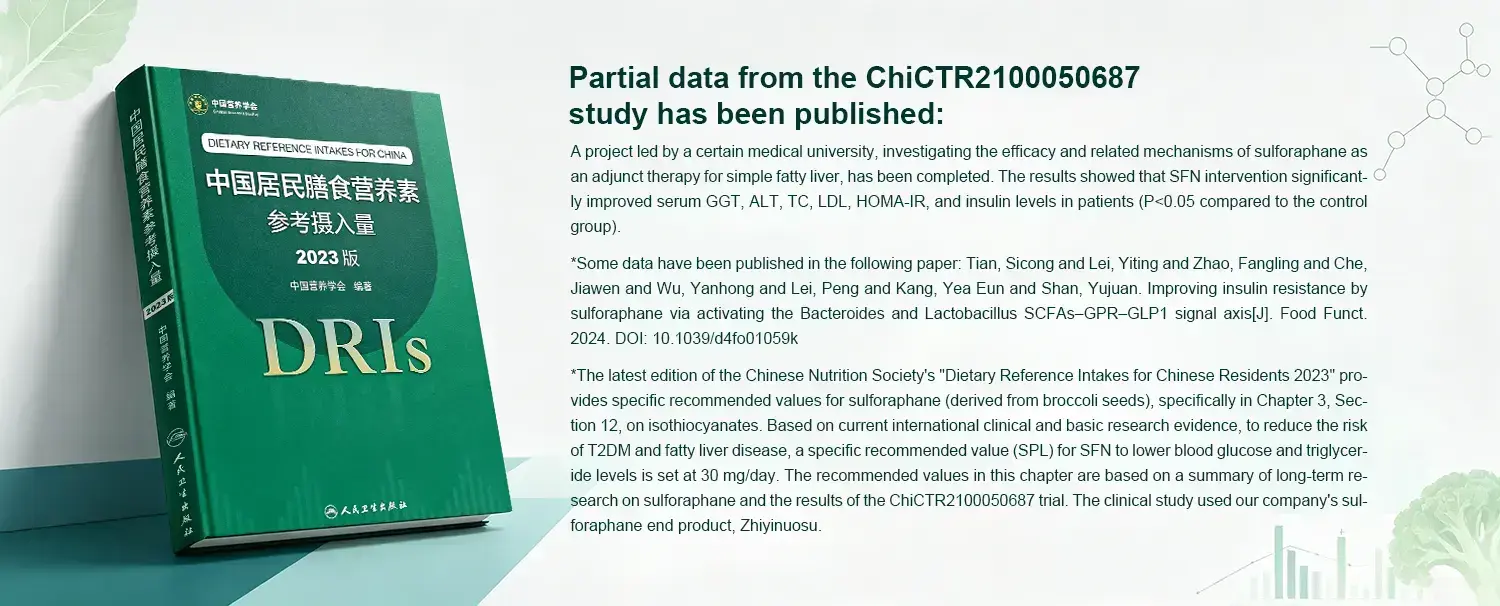
There is a mechanism in the body called Nrf2 that protects cells. Sulforaphane works by activating this pathway. Nrf2 makes Phase II detoxification enzymes like glutathione S-transferases and heme oxygenase-1 more likely to be made when it is turned on. These enzymes get rid of reactive oxygen species, which makes cells less stressed. More than 10 finished clinical trials and real-world studies have been done on this mechanism. This gives procurement teams a set of data that helps them make health claims.
Myrosinase's Role in Bioavailability
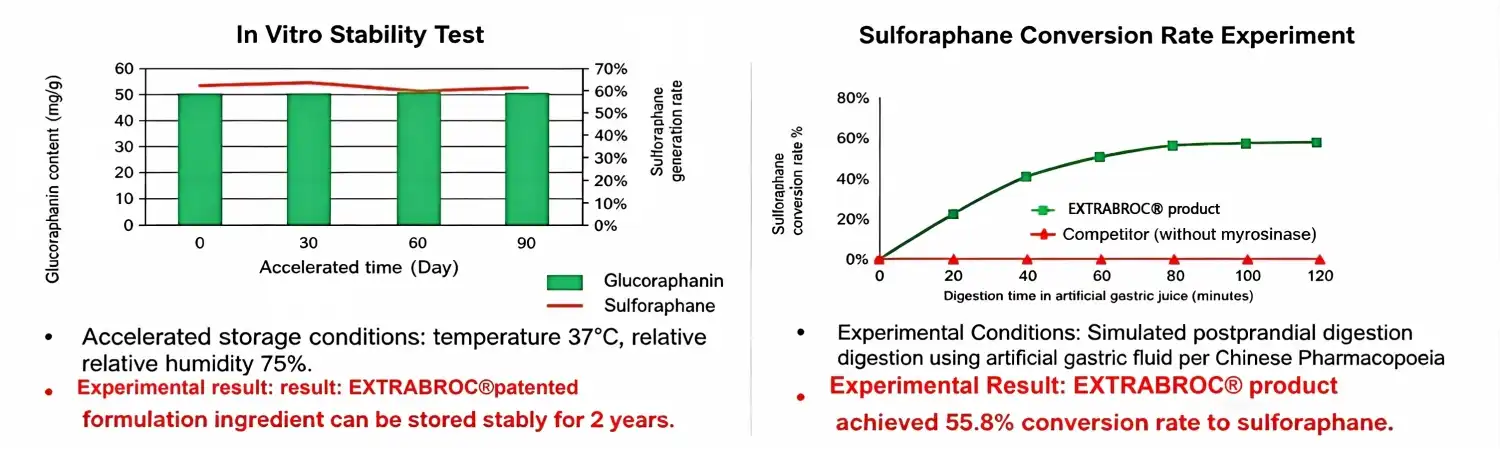
Many sulforaphane ingredients rely on gut microbiota to convert glucoraphanin into bioactive sulforaphane, a process that can vary among individuals. Broccoli Seed Extract 3% Sulforaphane from EXTRABROC® is designed to address this challenge by incorporating exogenous myrosinase directly into its SFN3% formulation. According to the manufacturer's specifications, this approach achieves a reported in vivo conversion rate of ≥55.8%, potentially helping improve conversion consistency. For manufacturers developing dietary supplements and functional wellness products, Broccoli Seed Extract 3% Sulforaphane offers a standardized ingredient option with a defined sulforaphane concentration and a documented conversion process. By selecting Broccoli Seed Extract 3% Sulforaphane, product developers can evaluate a formulation designed to reduce variability associated with glucoraphanin conversion. For applications involving workplace wellness programs or healthcare-related product development, Broccoli Seed Extract 3% Sulforaphane should be assessed against appropriate dosage requirements, safety data, and applicable regulations to ensure consistent product quality and responsible use.
Comparative Insights: Choosing the Right Sulforaphane Source and Concentration
3% vs. 5% Sulforaphane: A Practical Perspective
A sulforaphane level of 3% is the best place to start for most vitamin and functional food uses. It is strong enough without being too expensive, and it lets makers make a therapeutic amount that doesn't weigh too much for a pill or sachet. The 5% concentration comes with higher raw material costs. For brands that want to sell a lot of products or use it in clinical nutrition, the 3% grade is the best deal.
Broccoli Seed Extract vs. Broccoli Sprout Extract
Broccoli seed extract is always better than sprout extract when it comes to glucoraphanin content, shelf life, and regularity from batch to batch. Getting sprout extract to be the same for everyone is hard because the amount of sulforaphane changes based on when the sprouts are picked and how they were grown. Extracts from seeds, like SFN3%, are made in a controlled setting from a known seed source. This way, every batch meets the same standards. However, seed extract is the better choice for B2B buyers who need to keep their COA records up to date.
Powder Form and Certification Advantages
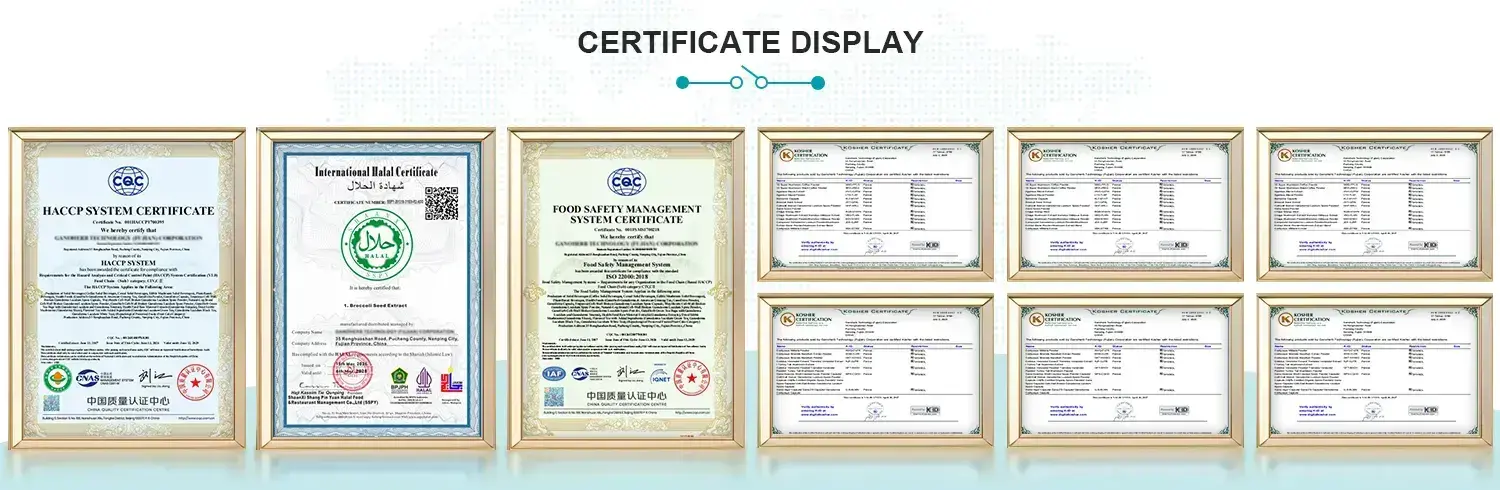
Broccoli Seed Extract 3% Sulforaphane offers practical advantages for manufacturers seeking a standardized botanical ingredient in a convenient dry powder format. Compared with many liquid ingredients, Broccoli Seed Extract 3% Sulforaphane is easier to transport, store, and incorporate into suitable formulations, while its room-temperature storage requirements can simplify inventory management. According to EXTRABROC®'s product specifications, its SFN3% ingredient has a shelf life of 24 months when stored in a cool, dry place protected from light, helping support long-term planning across global supply chains. For international buyers sourcing Broccoli Seed Extract 3% Sulforaphane, proper storage conditions and verified stability data are important considerations when maintaining product quality throughout transportation and warehousing. EXTRABROC® also provides quality and compliance documentation relating to FDA requirements, GMP, ISO 22000, HACCP, and HALAL, subject to the specific certifications and registrations applicable to the product. By reviewing these documents and confirming destination-market requirements, procurement teams can evaluate whether Broccoli Seed Extract 3% Sulforaphane is suitable for their target markets in North America, Europe, the Middle East, and Asia. With its defined ingredient specifications and convenient powder format, Broccoli Seed Extract 3% Sulforaphane can support efficient sourcing and formulation planning for global nutraceutical and functional ingredient businesses.
Practical Applications in Plant-Based Nutrition Product Development
You don't have to make many changes to the recipe for stable sulforaphane extract to work in a lot of different products. Here are the main uses that have clinical and technical proof behind them:
The capsules and tablets that are added to food are used in Phase II enzyme induction formulas that aim to protect against free radicals, help the body detoxify, slow down the aging process, and make people live longer. The 3% concentration is strong enough to fit into normal pills at the daily amounts that are suggested.
For functional foods and meal replacements, SFN3% can be mixed with powdered drinks and still work well in a good pH range. In other words, it can be used in meal replacement packs, protein powders, and greens mixes.
As we know, sulforaphane can lower inflammation and protect against UV oxidative stress. This makes it a good ingredient for skin care products, especially those that try to stop photoaging.
- Dietary supplements (capsules/tablets): Used in Phase II enzyme induction formulas targeting antioxidant defense, detox support, anti-aging, and longevity. The 3% concentration fits standard capsule fills at recommended daily doses.
- Functional food and meal replacements: SFN3% withstands blending in powdered beverage matrices and maintains potency across a moderate pH range, making it suitable for protein powders, greens blends, and meal replacement sachets.
- Cosmeceutical topicals: Sulforaphane's documented anti-inflammatory and UV-oxidative stress properties support integration into skin-focused formulas, particularly those targeting photo-aging.
- Sports nutrition and weight management: Its glucose-lipid metabolism regulatory function and mood/sleep support profile make it a scientifically grounded addition to performance and recovery products.
These groups show how the Nrf2 route can be used to help people who are worried about their health. Few plant-based actives have been shown to help all of these groups in clinical trials. Sulforaphane is one of them.
It is easy to understand how to follow the rules. SFN3% meets the requirements for the USP-NF pharmacopeia, the GRAS rating from the US Food and Drug Administration, and the New Food Raw Materials standard in China. The product meets more than 500 standards, such as those for heavy metals, bacteria, and pesticide residues. To give you an example, 0.042 µg/g of inorganic arsenic was tested.
Sourcing and Procurement Strategies for Bulk Broccoli Seed Extract 3% Sulforaphane
Supplier Evaluation Criteria That Matter
Broccoli Seed Extract 3% Sulforaphane offers practical advantages for manufacturers seeking a standardized botanical ingredient in a convenient dry powder format. Compared with many liquid ingredients, Broccoli Seed Extract 3% Sulforaphane is easier to transport, store, and incorporate into suitable formulations, while its room-temperature storage requirements can simplify inventory management. According to EXTRABROC®'s product specifications, its SFN3% ingredient has a shelf life of 24 months when stored in a cool, dry place protected from light, helping support long-term planning across global supply chains. For international buyers sourcing Broccoli Seed Extract 3% Sulforaphane, proper storage conditions and verified stability data are important considerations when maintaining product quality throughout transportation and warehousing. EXTRABROC® also provides quality and compliance documentation relating to FDA requirements, GMP, ISO 22000, HACCP, and HALAL, subject to the specific certifications and registrations applicable to the product. By reviewing these documents and confirming destination-market requirements, procurement teams can evaluate whether Broccoli Seed Extract 3% Sulforaphane is suitable for their target markets in North America, Europe, the Middle East, and Asia. With its defined ingredient specifications and convenient powder format, Broccoli Seed Extract 3% Sulforaphane can support efficient sourcing and formulation planning for global nutraceutical and functional ingredient businesses.
MOQ, Pricing, and Production Capacity
The amount of SFN3% that can be made by EXTRABROC® every year stays at 50 tons. This means that big manufacturing contracts can be fulfilled without any supply issues. The item can be shipped by both air freight and sea freight, so buyers can pick the way that fits their wants and budget the best. Depending on the size of the application, the minimum order quantities can be changed. Qualifying partners can also get customized specifications that change things like the amount of active ingredients and the combinations of dosage forms.
Sample Request and Vendor Assessment Protocol
People often ask for a taste of a product before they buy a lot of it. If you buy from a reliable source, each sample has a full COA, an HPLC chromatogram, and a safety data sheet. EXTRABROC® also helps with HPLC analysis and recipe customization, which cuts down on the time it takes to go from testing samples to getting a lot of the product. People who need to sell patents or work together to make new goods can use these services, but only if they place a big enough order.
Building Trust: Why EXTRABROC® Stands Apart
EXTRABROC® is the brand name of Fushan Biotechnology's industrial raw material. The company has an R&D team led by a PhD who has been researching Nrf2 nutrition for 13 years. It has applied for 54 patents in the US and other countries, and more than 30 of them have already been granted.These include patents under substantive examination in the US, with patents in China and Japan.This is a copyright issue that means SFN3% is the only sulforaphane-releasing targeted nutrition product in the world that has core technology that can't be copied.
Because EXTRABROC® works with OEM partners and distributors, they get a full range of services, such as raw materials, paperwork based on proof, formulation strategy, help with patent licensing, and advice on how to follow the rules. The full-process tracking system lets buying teams see the whole supply chain, from the seeds being grown to the product being tested after it has been extracted. More and more people around the world who buy things in stores want this.
Conclusion
Broccoli Seed Extract 3% Sulforaphane is a standardized botanical ingredient that manufacturers can consider for science-informed nutrition and wellness formulations. By providing a defined sulforaphane concentration of 3%, Broccoli Seed Extract 3% Sulforaphane offers a clear specification for product development and quality control. Sulforaphane has been studied for its interaction with the Nrf2 signaling pathway, making it an area of interest in nutritional and antioxidant research. EXTRABROC®'s SFN3% is designed to help formulators incorporate Broccoli Seed Extract 3% Sulforaphane into supplements, functional foods, and sports nutrition products with consistent ingredient specifications. With more than 10 human clinical studies reported for the ingredient or its relevant formulation, buyers should review the underlying research to confirm its applicability to their intended product and dosage. In addition, Broccoli Seed Extract 3% Sulforaphane is reported to have patent protection across three markets and a shelf life of 24 months under recommended room-temperature storage conditions, subject to supporting documentation. For procurement managers, evaluating Broccoli Seed Extract 3% Sulforaphane involves checking analytical data, relevant certifications, patent coverage, and regulatory requirements in each target market. By combining scientific evaluation with verified quality documentation, manufacturers can determine whether Broccoli Seed Extract 3% Sulforaphane is suitable for their intended commercial applications.
FAQ
Is long-term daily use of sulforaphane extract safe?
Yes. A lot of research on sulforaphane from broccoli seeds has been done on people. GOOD MAKING PRACTICES (GMP) are used to make EXTRABROC®'s SFN3%. It is GRAS-approved by the FDA and meets USP-NF standards. Safety information is recorded for every batch of goods that are made. There are heavy metal and bacterial test results in this.
What is the difference between glucoraphanin and sulforaphane?
It is called glucoraphanin, and it is found in broccoli seeds. Active sulforaphane is made from it by myrosinase, which can happen in the gut or, more accurately, by adding the enzyme straight to the formula. Exogenous myrosinase is added to SFN3% to make sure that conversion happens regularly. This works, and the rate of conversion in living things is ≥55.8%.
How do I optimize sulforaphane absorption in my formulation?
To keep the activity of myrosinase safe, high heat should not be used during processing. The active ingredient can stay safe while going through the stomach with the help of encapsulation or enteric coating. When partners ask EXTRABROC® about composition and HPLC analysis, the company helps them pick the best delivery method for their product matrix.
Can this ingredient work in food applications beyond supplements?
No, both China's New Food Raw Materials laws and the US FDA have said that SFN3% is safe to eat. In other words, it can be used in healthy foods, meal replacements, drink powders, and vitamins.
Partner with EXTRABROC® for Premium Sulforaphane Supply
You can get Broccoli Seed Extract 3% Sulforaphane directly from EXTRABROC®. This product is covered by a patent and has been shown to work in field tests. The machine can make 50 tons of broccoli seeds every year, stays fixed for 24 months, and follows all US, EU, and Asian rules. As a reputable supplier of Broccoli Seed Extract 3% Sulforaphane, we let you request samples, provide HPLC documentation, change the formula, and get advice on large orders. Write to our tech team at info@extrabroc.com or visit extrabroc.com to begin your sourcing evaluation right away.
References
1. Fahey, J. W., Zhang, Y., & Talalay, P. (1997). Broccoli sprouts: An exceptionally rich source of inducers of enzymes that protect against chemical carcinogens. Proceedings of the National Academy of Sciences.
2. Shapiro, T. A., Fahey, J. W., Wade, K. L., Stephenson, K. K., & Talalay, P. (2001). Chemoprotective glucosinolates and isothiocyanates of broccoli sprouts: Metabolism and excretion in humans. Cancer Epidemiology, Biomarkers & Prevention.
3. Houghton, C. A. (2019). Sulforaphane: Its "coming of age" as a clinically relevant nutraceutical in the prevention and treatment of chronic disease. Oxidative Medicine and Cellular Longevity.
4. Dinkova-Kostova, A. T., & Kostov, R. V. (2012). Glucosinolates and isothiocyanates in health and disease. Trends in Molecular Medicine.
5. Yagishita, Y., Fahey, J. W., Dinkova-Kostova, A. T., & Kensler, T. W. (2019). Broccoli or sulforaphane: Is it the source or the dose that matters? Molecules.
6. Bahadoran, Z., Mirmiran, P., & Azizi, F. (2013). Dietary polyphenols as potential nutraceuticals in management of diabetes: A review. Journal of Diabetes & Metabolic Disorders.