Broccoli Seed Extract 3% Sulforaphane Helps Create Innovative Botanical Ingredients for Functional Beverage Applications
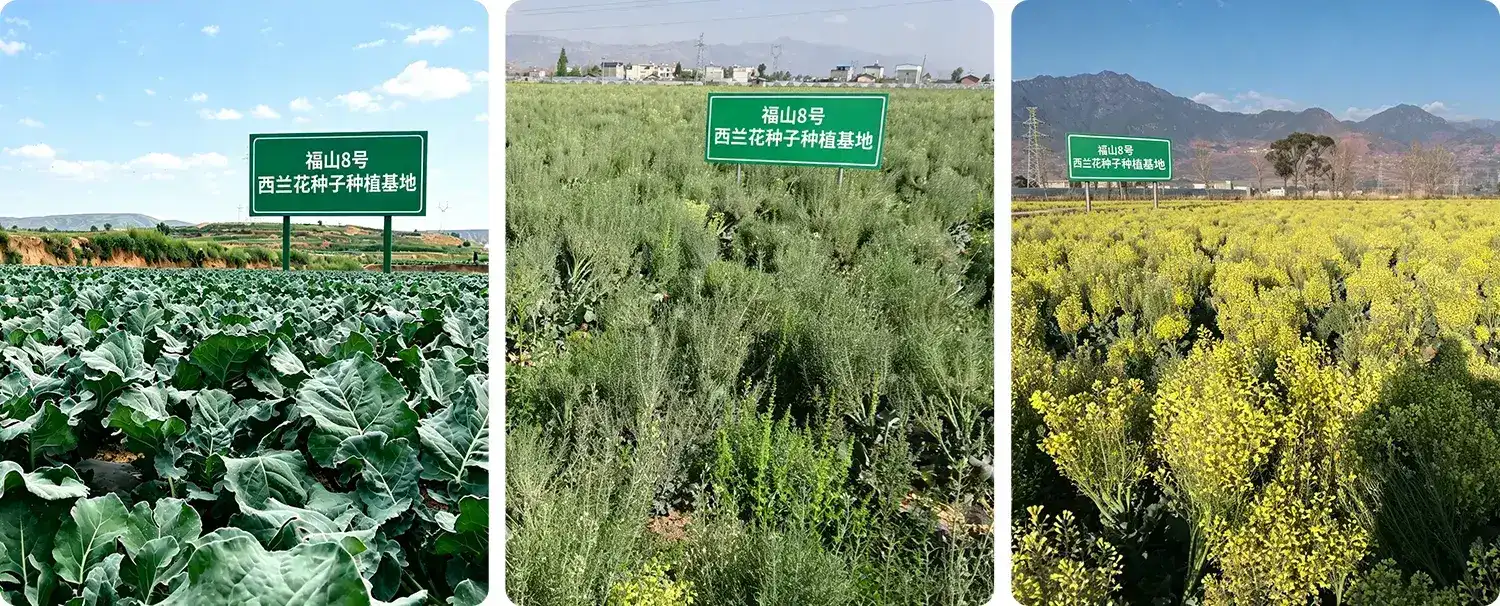
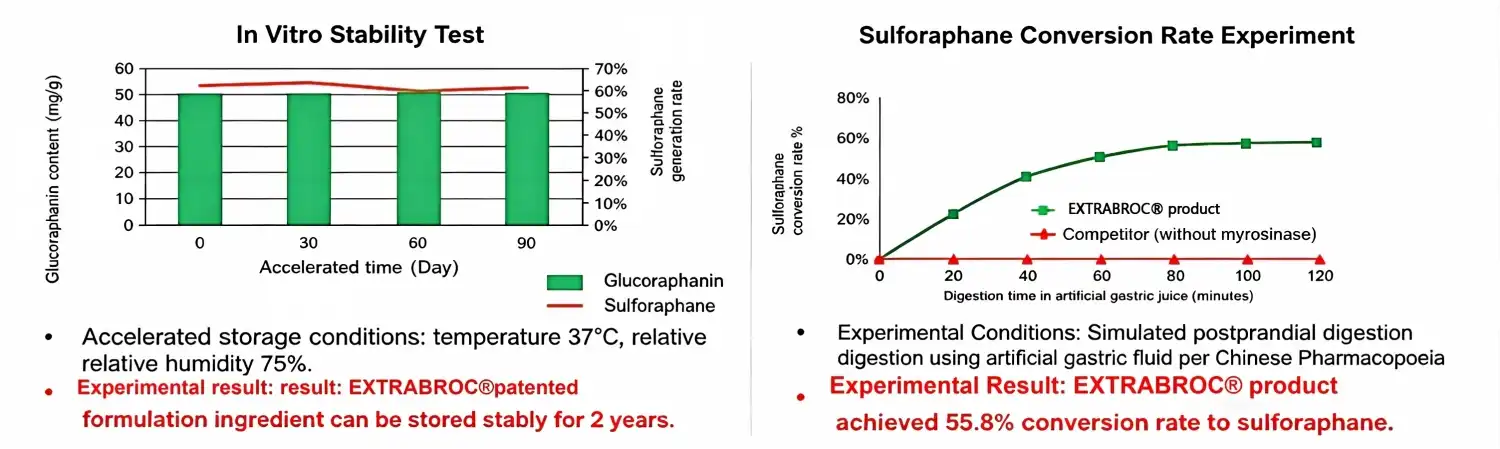
Broccoli Seed Extract 3% Sulforaphane is reshaping how functional beverage brands approach botanical ingredient sourcing. Derived from Brassica oleracea var. italica seeds through a pure aqueous extraction process, this standardized isothiocyanate compound activates the Nrf2 molecular signaling pathway—the body's primary cellular defense mechanism. Unlike raw broccoli sprout powders with inconsistent active content, a stabilized 3% sulforaphane extract delivers predictable potency, room-temperature stability for 24 months, and documented in vivo conversion rates at or above 55.8%, making it a reliable choice for evidence-based beverage formulation.
Understanding Broccoli Seed Extract 3% Sulforaphane and Its Benefits
Molecular Profile and What Sets It Apart
The High-Efficiency Stabilized Sulforaphane (SFN3%) from EXTRABROC® is a fine, light yellow powder that has been tested and found to contain at least 3% sulforaphane. Its active ingredient profile includes glucoraphanin, myrosinase from horseradish, and calcium salts. This is a patented mix that helps enzymes work more efficiently inside the body. This gets around the fact that raw broccoli sprout products don't always convert correctly because of differences in the gut microbiome. This means that formulators can get consistent dosing accuracy that synthetic alternatives just can't match at similar safety profiles.
Multifunctional Health Attributes for Beverage Innovation
When sulforaphane activates Nrf2, it causes the production of Phase II detoxification enzymes. This provides significant antioxidant protection at the cellular level. Published research connects this mechanism to a number of benefits, such as helping with weight management, mood and sleep regulation, preventing aging, and regulating glucose and lipid metabolism. Functional beverage makers can use these qualities to make label claims that are backed by science and appeal to today's health-conscious U.S. consumer, especially in the immune support, energy, and longevity beverage categories, which are all growing faster than the overall beverage market.
Dosage Guidance and Safety Considerations
Broccoli Seed Extract 3% Sulforaphane is developed to meet quality and regulatory requirements for dietary supplement and functional ingredient applications. When evaluating Broccoli Seed Extract 3% Sulforaphane, regulatory and quality assurance teams should verify the applicable GRAS status, relevant USP–NF standards, and compliance with China's New Food Raw Material regulations based on the product's intended use and documentation. Quality specifications for Broccoli Seed Extract 3% Sulforaphane may include an aerobic microbial count below 10 CFU/g, an inorganic arsenic level of 0.042 μg/g, and a particle-size requirement under which at least 90% of the powder passes through a 180 μm sieve, provided these figures are confirmed by the supplier's test reports. This detailed documentation helps quality teams assess product suitability and determine appropriate inclusion rates. With a stated shelf life of 24 months at room temperature under recommended storage conditions, Broccoli Seed Extract 3% Sulforaphane can also support long-term inventory planning and reduce the need for frequent formulation adjustments.
Broccoli Seed Extract 3% Sulforaphane vs. Other Sulforaphane Sources
Potency and Bioavailability Compared
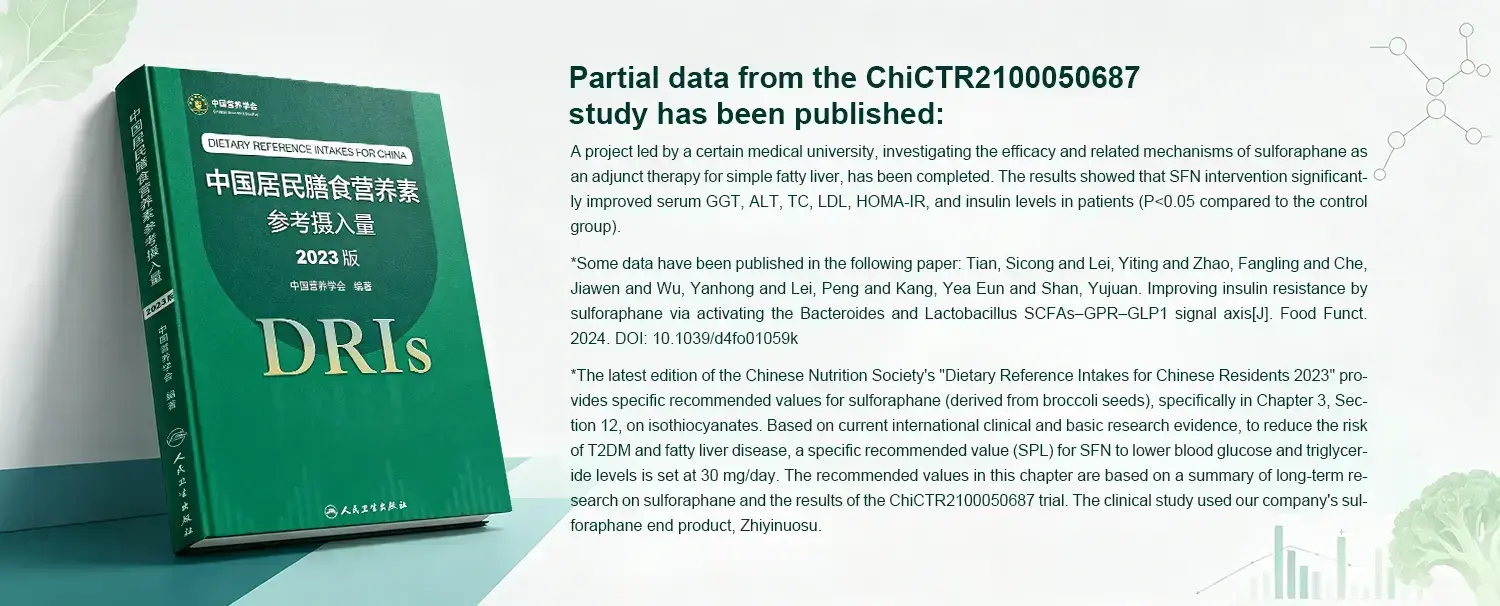
Broccoli sprout powders usually have different amounts of glucoraphanin from batch to batch, and they depend on intact myrosinase or gut bacteria to convert them, which can't always happen in beverage mixtures. Powders that only contain sulforaphane are strong, but they break down quickly and can't be stabilized. The patented formula for SFN3% solves both problems. It delivers glucoraphanin and exogenous myrosinase together in a stable complex, achieving a documented in vivo conversion rate of ≥55.8% with low individual variation. This is something that most competing raw materials have not shown in human clinical trials.
3% vs. Higher-Concentration Extracts
On a per-gram basis, a 5% sulforaphane extract might look like a better deal, but higher concentrations often come with stronger smells, less formulation flexibility, and higher prices for buyers who don't buy a lot. The 3% standard is a good compromise between giving the body the right amount of medicine and mixing it with drinks, especially for clear liquids and powder sticks where off-notes need to be kept to a minimum. The 3% grade also makes it easier to check the stability of HPLC lots from one batch to the next, which is helpful for brands going from test to full production.
Sourcing Landscape and Supplier Evaluation
The global market for standardized sulforaphane ingredients is still growing, and not all suppliers have supply chains that can be tracked and are certified. As a minimum, buyers should look for FDA, GMP, ISO22000, HACCP, and HALAL licenses when examining sources. EXTRABROC® also has idea patents from China, Japan, and the US. This is called a "triple-jurisdiction patent barrier," and it shows that the company is really researching and developing new products, not just recycling old ones. With a production capacity of 50 tons per year and full traceability from seed to extract, supply reliability is proven, not just assumed.
Innovative Applications of Broccoli Seed Extract in Functional Beverages
Formulation Stability in Beverage Matrices
One of the biggest technical problems with using isothiocyanate compounds in drinks is that they don't stay stable when the pH changes, they're heated, or they're mixed by hand. The stabilized formula of EXTRABROC® keeps the active compound's integrity in these conditions, and data from accelerated aging shows that it can be stored at room temperature for 24 months. This means it can be used with meal replacement shakes, powdered drink mixes, effervescent tablets, and ready-to-drink forms; it doesn't need to be shipped in a cold chain or come in special packaging.
Synergistic Botanical Pairings
The Nrf2 activity associated with sulforaphane makes Broccoli Seed Extract 3% Sulforaphane a valuable ingredient to consider in formulations that combine complementary plant-based compounds. When developing multi-ingredient products, manufacturers may explore combining Broccoli Seed Extract 3% Sulforaphane with green tea catechins (EGCG), vitamin C, and adaptogenic herbs such as ashwagandha, provided that the ingredients are compatible and the proposed benefits are supported by scientific evidence. These combinations offer beverage companies opportunities to develop differentiated SKUs focused on antioxidant support and general wellness. By incorporating Broccoli Seed Extract 3% Sulforaphane into carefully designed formulations, brands can address multiple consumer preferences while maintaining a clear and manageable ingredient list. For businesses seeking evidence-based formulation support, EXTRABROC® offers collaborative technical development services to help clients evaluate ingredient compatibility, optimize formulations, and integrate Broccoli Seed Extract 3% Sulforaphane into innovative functional products.
Emerging Trends Driving Category Growth
According to Grand View Research (2024), the U.S. functional beverage market was worth $53 billion in 2023. The biggest growth was seen in the clean-label, immune-support, and healthy aging groups for botanical ingredients. More and more, people are reading labels to see if the active ingredients are clinically supported. Sulforaphane is ahead of many popular plant extracts that don't have the same level of evidence. When brands join these markets now with a verified ingredient, they have a better chance of staying on the shelves for a long time at higher prices.
Procurement Insights: Buying Broccoli Seed Extract 3% Sulforaphane for B2B Clients
Mandatory Certifications and Compliance Checkpoints
Before making a large order, procurement teams should make sure that the seller has the right FDA, GMP, ISO22000, HACCP, and Halal certifications, and that these certifications are still valid. For the U.S. market, regulatory compliance also needs FDA GRAS documentation and USP-NF alignment. All of these standards are met by EXTRABROC®'s SFN3%. The company's non-GMO status and compliance across more than 500 markers for heavy metals, microorganisms, and pesticide residues provide extra audit proof for store partners who are very picky.
Evaluating Suppliers Beyond Price
Price per kilogram isn't always the best way to choose a useful activity. Here are the most important things to look at when judging a product's quality over time:
- Potency verification: Demand HPLC-based Certificates of Analysis with each lot, confirming sulforaphane ≥3% at the time of shipment.
- Clinical backing: Prioritize suppliers who have completed human trials—EXTRABROC® has supported 10+ clinical studies and real-world studies, providing evidence that most competitors cannot match.
- IP position: Patent-protected processes indicate genuine technological differentiation; unpatented commodity extracts carry higher risk of quality variability.
- Production scale: With 50 tons/year capacity, EXTRABROC® supports both pilot runs and large-scale commercial orders without lead-time surprises.
All of these criteria work together to lower the chance of later formulation changes, regulatory setbacks, or bigger consumer complaints. When buyers take the time to carefully vet suppliers, they protect their brand and lower the overall cost of quality over the lifecycle of the product.
Sample Testing Protocol
Before purchasing Broccoli Seed Extract 3% Sulforaphane in bulk, request a sample of at least 50 g to evaluate its suitability for your intended application. Review the supplier's Certificate of Analysis (COA) and verify the sulforaphane content using independent HPLC testing to ensure that Broccoli Seed Extract 3% Sulforaphane meets your quality specifications. You should also assess the powder's solubility, odor, and compatibility in your target beverage formulation, followed by short-term stability testing under your normal processing temperatures. These steps help confirm that Broccoli Seed Extract 3% Sulforaphane performs consistently throughout formulation and production. As part of its standard B2B onboarding process, EXTRABROC® supports customers with process evaluation, HPLC testing coordination, and sample orders, helping buyers assess Broccoli Seed Extract 3% Sulforaphane before committing to larger quantities. By completing these checks in advance, manufacturers can make more informed purchasing decisions and reduce potential formulation risks when scaling up Broccoli Seed Extract 3% Sulforaphane for commercial production.
Why Choose EXTRABROC® SFN3% for Your Functional Beverage Line
The High-Efficiency Stabilized Sulforaphane (SFN3%) from EXTRABROC® is made for manufacturers who need to be able to prove performance. The product is not like regular broccoli extracts because it has an in vivo conversion rate of ≥55.8%, is protected by a patent in three different countries, and has been through 10 or more human clinical studies. The pure water extraction process doesn't leave behind any organic solvents. The light yellow fine powder mixes well with most types of drinks, and it stays stable at room temperature for two years, so there are no cold-chain costs for global distribution.
For OEM clients and private label brands, EXTRABROC® lets you change the ingredients, the dosage form, and the way the ingredients are mixed. This is all done by a research team led by a PhD with 13 years of experience in Nrf2-focused nutrition. Logistics for both air and sea freight are covered, which makes it useful for buyers in North America of all sizes.
Conclusion
Broccoli Seed Extract 3% Sulforaphane is a standardized botanical ingredient that functional beverage manufacturers can consider when developing science-informed wellness products. With a defined sulforaphane concentration of 3%, Broccoli Seed Extract 3% Sulforaphane offers a consistent ingredient specification for formulation and quality control. Sulforaphane has been investigated for its interaction with the Nrf2 signaling pathway, providing a scientific basis for further research into its potential biological effects. EXTRABROC®'s SFN3% provides a branded ingredient option for manufacturers seeking Broccoli Seed Extract 3% Sulforaphane with documented specifications, supply chain traceability, and relevant quality certifications. For procurement teams, evaluating Broccoli Seed Extract 3% Sulforaphane involves reviewing analytical test reports, verifying patent coverage and regulatory documentation, and confirming that the ingredient meets the requirements of the intended market. By combining scientific evaluation with reliable sourcing and quality assurance, Broccoli Seed Extract 3% Sulforaphane can help product developers move from initial formulation concepts toward commercial functional beverage products.
FAQ
What is the recommended inclusion rate for sulforaphane extract in functional beverages?
Most human clinical studies showing biological activity used doses providing 10–40 mg of sulforaphane per serving. With SFN3%, this translates to approximately 333–1,333 mg of extract per serving. Formulators should conduct stability testing in their specific matrix to confirm retained potency. EXTRABROC® offers technical support to help clients determine appropriate inclusion rates for their target product format.
Does broccoli seed extract affect taste or odor in beverages?
Sulforaphane and glucoraphanin do carry a characteristic cruciferous note. EXTRABROC®'s stabilized formula minimizes this through advanced processing, and the light yellow fine powder integrates well in flavored beverage systems. A practical test in your target formulation before finalization is always advisable.
Is SFN3% suitable for clean-label and non-GMO products?
Yes. EXTRABROC®'s SFN3% is non-GMO, produced via pure water extraction with no organic solvent residues, and meets more than 500 indicators covering pesticide residues, microorganisms, and heavy metals—making it compatible with clean-label positioning.
How does EXTRABROC® support regulatory compliance for the U.S. market?
The product holds FDA GRAS status, complies with USP-NF pharmacopeia standards, and aligns with China's New Food Raw Material regulations. Full CoA documentation, certifications (GMP, ISO22000, HACCP, HALAL), and technical regulatory files are available upon request.
Partner with EXTRABROC® for Your Next Functional Beverage Launch
EXTRABROC®'s SFN3% is a verified supplier of Broccoli Seed Extract 3% Sulforaphane. It has patents in three different countries, can produce 50 tons per year, and has clinical evidence that purchasing teams can show directly to their quality review boards. If you need big raw materials, help with OEM formulations, or private label services, our team is ready to help you with your project from testing samples to making the product on a large scale. You can get a sample or technical datasheet by emailing us at info@extrabroc.com or going to our website at extrabroc.com.
References
1. Fahey, J. W., Zhang, Y., & Talalay, P. (1997). Broccoli sprouts: An exceptionally rich source of inducers of enzymes that protect against chemical carcinogens. Proceedings of the National Academy of Sciences, 94(19), 10367–10372.
2. Kensler, T. W., Egner, P. A., Agyeman, A. S., et al. (2013). Keap1–Nrf2 signaling: A target for cancer prevention by sulforaphane. Topics in Current Chemistry, 329, 163–177.
3. Shapiro, T. A., Fahey, J. W., Dinkova-Kostova, A. T., et al. (2006). Safety, tolerance, and metabolism of broccoli sprout glucosinolates and isothiocyanates: A clinical phase I study. Nutrition and Cancer, 55(1), 53–62.
4. Vanduchova, A., Anzenbacher, P., & Anzenbacherova, E. (2019). Isothiocyanate from broccoli, sulforaphane, and its properties. Journal of Medicinal Food, 22(2), 121–126.
5. Grand View Research. (2024). Functional Beverage Market Size, Share & Trends Analysis Report. Grand View Research.
6. Houghton, C. A. (2019). Sulforaphane: Its "coming of age" as a clinically relevant nutraceutical in the prevention and treatment of chronic disease. Oxidative Medicine and Cellular Longevity, 2019, 2716870.