How to Choose Astaxanthin Oleoresin for Aquafeed Manufacturing
Figuring out what makes a good astaxanthin oleoresin different from a bad one is the first step in picking the right one for aquafeed production. Astaxanthin oleoresin, which comes from the diatom Haematococcus pluvialis, is the most concentrated natural colour source that can be used in marine feed. The right product should have quality standards that can be checked, food safety certifications that can be trusted, and come from a supplier whose production can be tracked and is always the same. This guide helps aquafeed buying professionals make all the important choices they need to, from figuring out the best colour percentage and extraction method to finding a provider that can handle large-scale, ongoing operations.
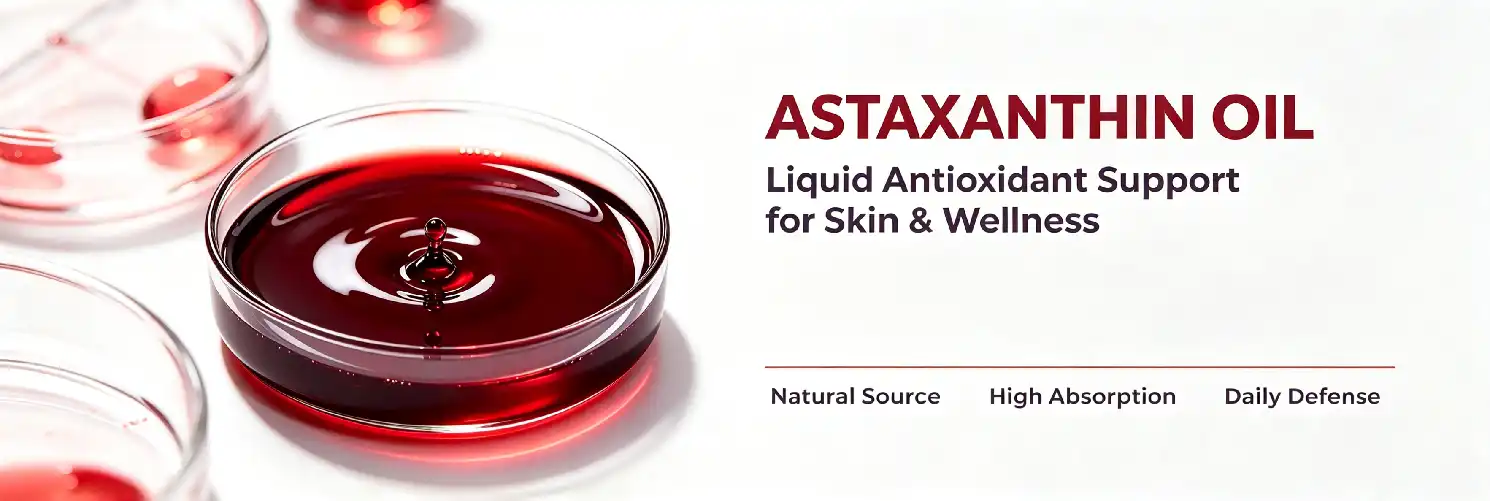
Understanding Astaxanthin Oleoresin and Its Role in Aquafeed
What It Actually Is at a Molecular Level?
There is a strong keto-carotenoid called natural astaxanthin oleoresin that mixes with fats. The Haematococcus pluvialis algae are where it comes from. It is mostly made up of the (3S, 3'S) stereoisomer when it is in its regular esterified form, which is the same shape as salmon tissue. Since the molecules are structured in this way, heat and light are less likely to break them down than synthetic alternatives, which are racemic mixes with less biological activity per unit mass.
Natural vs. Synthetic: Why the Difference Matters in Feed?
Astaxanthin made from petrochemicals is a racemic mix of three isomers that are mixed in a ratio of 1:2:1. It's not as stable as real oleoresin because it doesn't have any ester bonds. When salmon, trout, and ornamental fish eat less natural astaxanthin, the flesh turns a better colour. Also, in many places, regulatory bodies want signs on made forms to be tighter. It will be harder for companies that want to make high-end goods to follow the rules.
Bioavailability and Dosage Considerations in Aquafeed
What does bioavailability mean? It tells us how much colour gets into the meat of the fish. Astaxanthin that has been esterified from algae oleoresin is broken down by fish stomachs. This lets the fish take in the astaxanthin that is free. Most of the time, salmon feed only needs 40 to 80 mg/kg. But the exact amount depends on the type of animal, its stage of development, and its colour score. It is important to choose an oleoresin whose quantity has been tested using HPLC. This way, the right amount is used, and costs don't go up or down too much or too little.
Core Criteria for Selecting Astaxanthin Oleoresin in Aquafeed Manufacturing
Making the right choice here lowers batch differences, keeps your supply chain safe, and has a direct impact on the quality of the aquafeed product you make in the end.
Purity, Concentration, and Stability
The first thing to check is the purity of Astaxanthin Oleoresin. Astaxanthin oil that is of good quality should be a deep, clear, ruby-red liquid that doesn't have any sediment, particles in it, or phase separation. Aquafeed-grade material must meet concentration standards of ≥5% and ≥10% total astaxanthin, which can be proven by HPLC. The peroxide value (PV) should stay below 5 meq/kg, which means that the material isn't breaking down very quickly. Products that can be stored properly (below 4°C, sealed, and away from light) for 24 months give large-scale feed mills the operational flexibility they need.
Natural Source vs. Synthetic: Regulatory and Performance Factors
In addition to effectiveness, legal compliance affects choices about what to buy. In the United States, the FDA has approved the use of natural astaxanthin from H. pluvialis in salmonid feed at certain levels. Labels for finished goods in a number of export markets are starting to require information about where the astaxanthin comes from. By using natural algal oleoresin, manufacturers can get ahead of these rules and meet the growing demand from retailers and customers for aquaculture products that are sourced in a way that doesn't harm the environment.
Evaluating Product Forms for Your Application
Here are the main types of aquafeed that producers can choose from, each with its own uses:
- Astaxanthin oleoresin in oil (5% or 10% concentration): This is the best form for adding directly to feed pellets through lipid-coating or vacuum-coating methods. It is easy to add to normal feed production lines because it is fluid and mixes well with fish oils. The 10% specification works well for premium or high-density mixtures where it's important to keep the amount of carrier oil to a minimum.
- Microencapsulated powder that doesn't stick to water (1% or 2%): Microencapsulation technology was used to make this form, which works for feed types where adding liquid is not possible. It delivers pigments steadily in moulded pellet forms and works well with dry premix systems.
- Standardised algal biomass extracts are less concentrated but can be useful in low-cost products where the whole algae matrix is thought to be helpful.
The form you choose will depend on how you make pellets, how your line is set up, and the species you want to target. Reformulation risk is lower if you ask your raw material supplier about process compatibility before you place your order.
How to Evaluate and Choose Reliable Astaxanthin Oleoresin Suppliers?
It's just as important how a supplier checks quality as what the product says. Having a good spec sheet doesn't mean you'll always have enough.
Certifications and Quality Management Systems
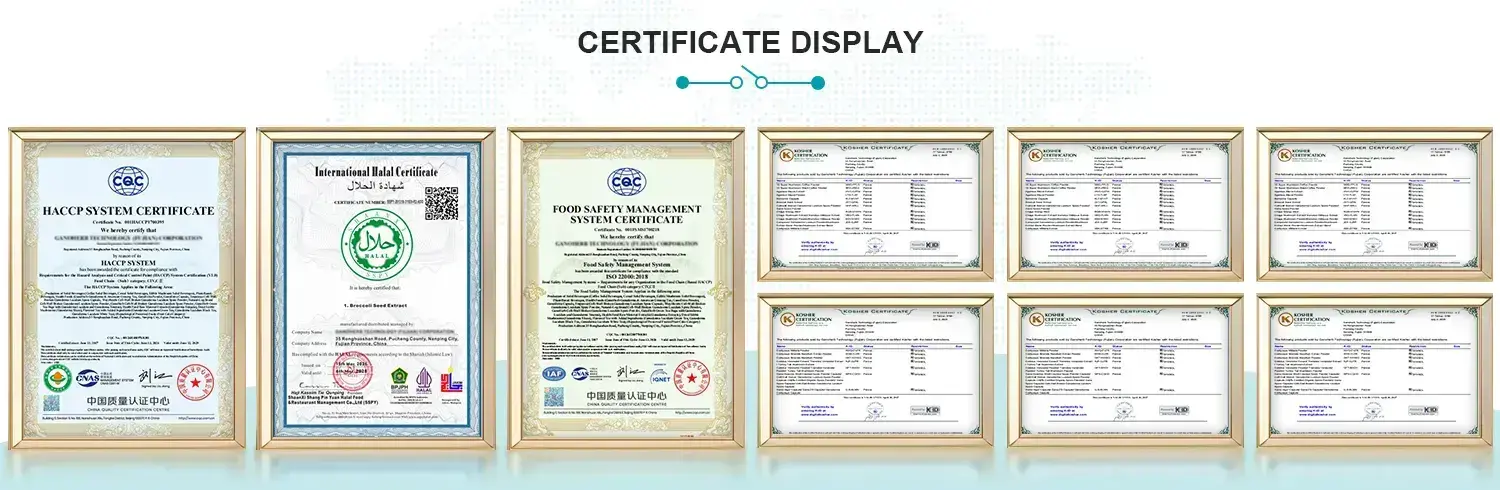
At the very least, look for suppliers who are certified by FSSC22000, HACCP, HALAL, or Kosher. There aren't any ads on these stickers; they show that the production areas have been checked and instructions have been written down on how to keep things under control. The FSSC22000 standard is known all over the world for managing food safety. It checks each batch of a product to make sure it is safe. Providers should also be able to show heavy metal screening results (for example, lead <0.5 ppm and arsenic <0.2 ppm) for each product lot, as well as HPLC test records from a third party.
Supply Capacity and Traceability
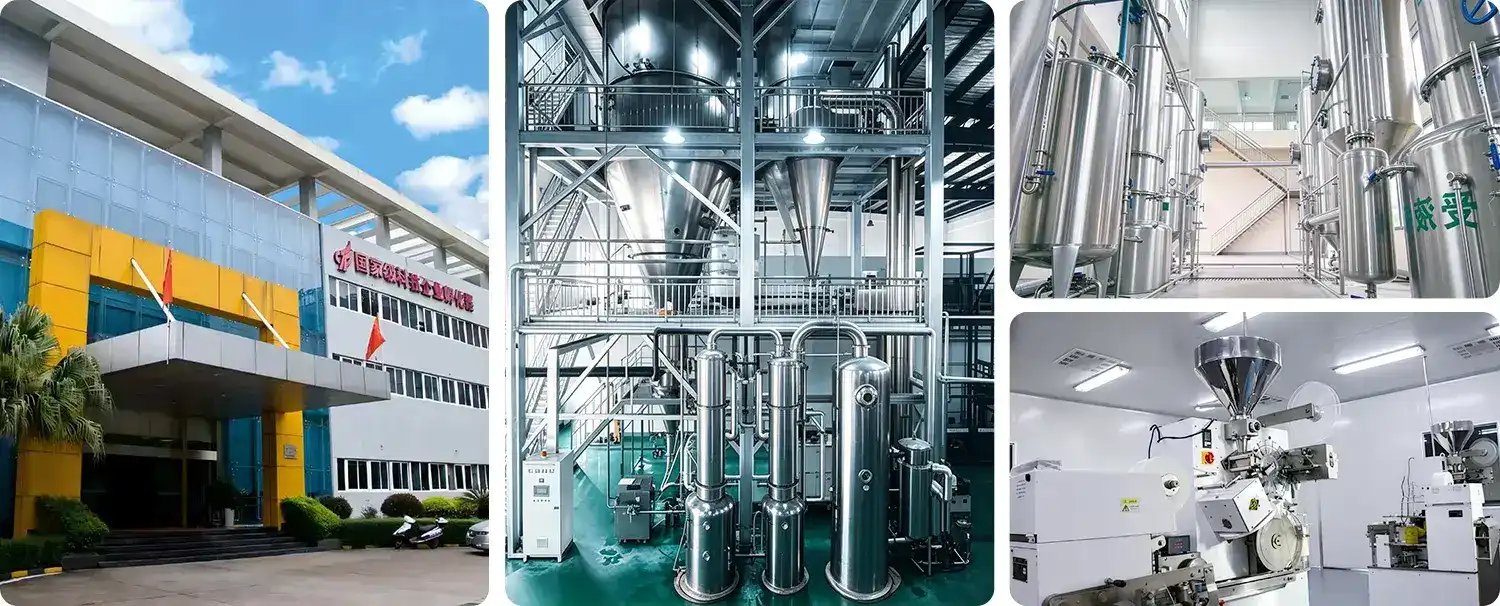
When the supplies of Astaxanthin Oleoresin run out, the whole process has to stop, which costs a lot of money. A lot of aquafeed is made. Any business you buy from should be able to show you the whole process, from growing algae to breaking down cell walls to making sure the product is ready to use. They should also be able to keep making 100 tonnes of food every year. To keep outside contaminants out, plants should be grown in glass pipes. To get the oil out, methods that use pure water and don't leave behind any organic solvents should be used. These are signs of good production that keep the end product safe.
Technical Support, Sampling, and Logistics
Before you sign a deal to buy a product, get a sample and test it in your own lab. A good service will be able to handle both air and sea freight, give you HPLC data for each run, and let you change things like the amount of astaxanthin or the mix of all-trans isomers to fit your needs. When sellers help with ideas and answer technical questions quickly, it's easier to buy things from them.
Practical Tips for Integrating Astaxanthin into Aquafeed Production
Storage and Handling to Protect Pigment Activity
Astaxanthin Oleoresin should not be opened. Keep it in its sealed box below 4°C and out of direct sunlight and heat. So that reactive decay doesn't happen, nitrogen should be flushed through some containers before they are closed again after being used. As you mix the oil, make sure it doesn't get hotter than 40°C. This is because heat breaks down colours more quickly. If you keep the whole package sealed like this, it will last 24 months.
Blending Methods for Uniform Dispersion
Oils like fish oil, MCT oil, and astaxanthin oil mix easily with each other and are used in aquafeed applications. If you want to use vacuum coating, mix the oleoresin with a good carrier oil until it is smooth. After that, put it on the drum to cover it. It will be easy to get even colour on the pellets if you mix the colours for the right amount of time and keep the temperature between 20°C and 25°C. The colour of the fish meat changes because of this when it's done.
Routine Quality Control During Production
HPLC should be used to check the quantity of new amounts of astaxanthin before they are used. Check the peroxide value of what you have saved if things aren't moving quickly. You can keep track of them by saving some samples from each lot as a guide. If you do these things, the degradation will stop quickly, and there won't be any differences between batches that could change how the colours look in the end.
Conclusion
To find the best Astaxanthin Oleoresin for making aquafeed, you should look at three things: the product, the seller, and how well they all work together. When it's time to gather, a natural, esterified algae extract that has been tested for purity by HPLC, the right licenses, and a supply chain that can be tracked will always work better than cheaper options that don't have as much paperwork. By following the steps in this guide, aquafeed makers can keep the quality of their recipes high and build a supply chain that will hold up under real production stress. Some of these steps are looking at the concentration specs, getting batch test reports, and testing the product before signing a contract.
FAQ
What is the recommended inclusion rate of astaxanthin oleoresin in salmon feed?
Natural astaxanthin is added to 40–80 mg/kg of finished salmon feed in most commercial formulas. The exact rate depends on the oil concentration used, the growth stage, and the target flesh colour score. When you use a 10% oleoresin instead of a 5% product, you add less carrier oil to the feed, which can be helpful in high-fat recipes.
How do I confirm a product is genuinely natural astaxanthin and not synthetic?
Ask the supplier for an HPLC isomer profile. The natural form of astaxanthin oleoresin from H. pluvialis is mostly in the (3S, 3'S) esterified state. Astaxanthin made in a lab is a racemic mixture of three stereoisomers that are almost evenly distributed. It is not esterified. A normal HPLC study makes these differences very clear.
What certifications should I require from an aquafeed-grade astaxanthin supplier?
Check for FSSC22000, HACCP, HALAL, and Kosher certifications at the very least. These include management of food safety, control of hazards, and following religious diets. As proof that they follow food safety rules, suppliers should also give batch-specific HPLC reports, microbiological test results, and solvent residue data.
Can astaxanthin oleoresin be used in ornamental fish feed at lower concentrations?
Yes. The absorption rates for decorative fish like koi and goldfish are usually lower than those for salmonids. They are usually between 20 and 50 mg/kg. It works well for these uses with the 5% oleoresin standard.
Request a Sample from FuYNature — Your Astaxanthin Oleoresin Supplier
You can buy Astaxanthin Oleoresin from FuYNature. It comes from Haematococcus pluvialis and is safe to use. They are licensed by FSSC22000, HACCP, Halal, and Kosher, and produce 100 tonnes of it each year. You can also keep each batch straight. Our method breaks down the cell walls so that we can get very pure oil that doesn't leave behind much liquid. It comes in two strengths: 5% and 10%. You can email our team at info@extrabroc.com or go to extrabroc.com to get a sample, technical data sheet, or quote for your aquafeed production line that fits your needs.
References
1. Guerin, M., Huntley, M. E., & Olaizola, M. (2003). Haematococcus astaxanthin: Applications for human health and nutrition. Trends in Biotechnology, 21(5), 210–216.
2. Bjerkeng, B. (2008). Carotenoid sequestration in aquatic organisms: The brown trout and salmon as model species. Archives of Biochemistry and Biophysics, 483(2), 196–202.
3. Lorenz, R. T., & Cysewski, G. R. (2000). Commercial potential for Haematococcus microalgae as a natural source of astaxanthin. Trends in Biotechnology, 18(4), 160–167.
4. Storebakken, T., & No, H. K. (1992). Pigmentation of rainbow trout. Aquaculture, 100(1–3), 209–229.
5. Higuera-Ciapara, I., Félix-Valenzuela, L., & Goycoolea, F. M. (2006). Astaxanthin: A review of its chemistry and applications. Critical Reviews in Food Science and Nutrition, 46(2), 185–196.
6. United States Food and Drug Administration. (2016). GRAS Notice: Astaxanthin from Haematococcus pluvialis. FDA Center for Food Safety and Applied Nutrition.