How to Select Astaxanthin Powder for Stable Oil-Based Formulations
It takes more than picking the astaxanthin powder with the highest concentration on a spec sheet to find the right one for oil-based products. The chemical structure of the ingredient makes it easily broken down by oxygen, and not all grades work well in fatty environments. From my work with B2B formulators, Haematococcus Pluvialis Astaxanthin Powder—which comes from the microalgae Haematococcus pluvialis—always performs better than synthetic alternatives in oil-based systems. This is because it has a better bioavailability profile and a cleaner regulatory standing in the U.S. market. This guide walks you through all the important parts of the choosing process.
Understanding the Challenges of Using Astaxanthin Powder in Oil-Based Formulations
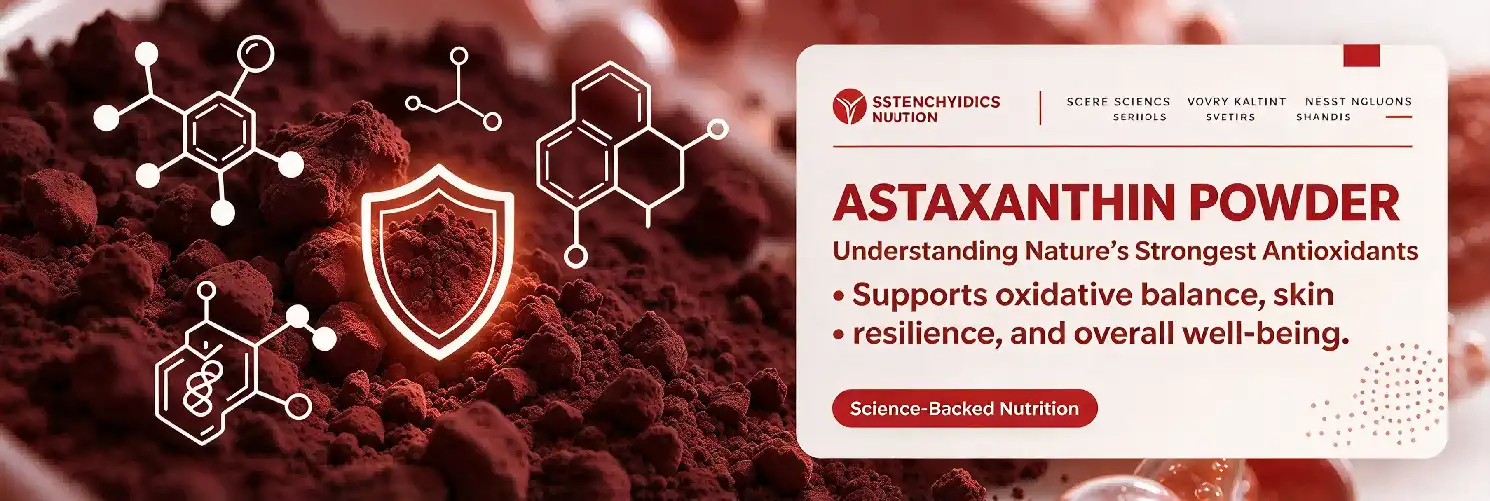
Astaxanthin is both strong and vulnerable. Its long polyene chain is very good at removing free radicals, but it reacts strongly with oxygen, light, and heat, all of which are present during production and storage.
Oxidative Instability During Processing
Carotenoids can break down quickly when they come into contact with heat, light, or dissolved oxygen during mixing or filling. Studies have shown that astaxanthin that is not protected can lose more than half of its effectiveness in just a few weeks if it is kept above 25°C without being properly encapsulated or protected by antioxidants.
Solubility and Dispersion in Oil Matrices
By its very nature, astaxanthin attracts fat. This helps with absorption in fatty tissue, but it makes it hard to spread out during the manufacturing process. Coarse particle sizes make it impossible to mix them evenly in vegetable oil or fish oil carriers. This means that different groups of softgels don't have the same amount of strength, which is a major quality problem in the production of dietary supplements.
Purity and Contamination Risks
Low-quality powders often have heavy metals, chemicals, or microbes that were left over from poor growing or extraction methods. These flaws not only make the oil less safe, but they also speed up the oxidative breakdown of astaxanthin, which lowers its shelf life and makes it harder to believe what the product says.
The first step in finding a grade that will actually last through your production cycle and two-year shelf life goal is to be aware of these technical issues.
Key Selection Criteria for Haematococcus Pluvialis Astaxanthin Powder in Oil-Based Systems
When you know what could go wrong, these selection criteria become a lot clearer. These reasons all have something to do with one of the instability risks we talked about earlier.
Natural Source and Regulatory Compliance
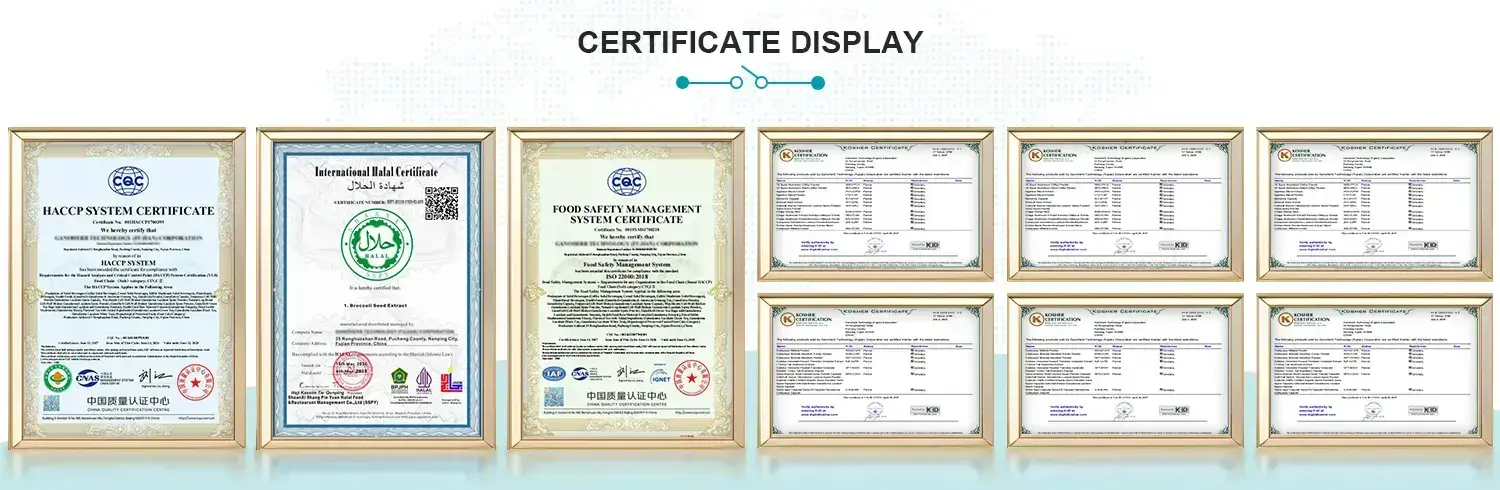
The astaxanthin found in Haematococcus Pluvialis Astaxanthin Powder is mostly the (3S, 3'S) stereoisomer in esterified form. This form is more stable and effective than the racemic mixture that was made by humans. For U.S. formulations, FDA GRAS status and a clean label spot are musts. FSSC22000, HACCP, HALAL, and Kosher approvals show that the seller meets food safety management standards that are recognized in all North American retail outlets.
Particle Size and Physical Form
Softgel fills are less likely to settle when they are mixed with micronized powder grades, which are usually 80–100 mesh. These grades spread out more in oil carriers. Also, smaller particles have more surface area to touch the oil phase, which helps astaxanthin release more evenly. In general, a fine powder with 5% or 6% astaxanthin is thought to work best for high-end softgel uses. 2% to 3% grades work well for formulas that want to save money.
Encapsulation and Stability Treatment
By creating a physical buffer between the carotenoids and oxidants in the air, protective microencapsulation makes oil matrices last a lot longer. Ask for accelerated stability data and be very clear about whether the powder has been treated in any way on the outside before you judge it. For the best providers, HPLC is the only analytical method that can tell the difference between manufactured contaminants and natural isomers. This is how they test the safety of each batch.
Before you place a test order, you should make sure that any possible seller meets the following core requirements:
- Astaxanthin content: ≥2%, ≥3%, ≥4%, ≥5%, or ≥6% (HPLC-verified)
- Appearance: Red or dark red fine powder, free of clumping or discoloration
- Shelf life: 24 months under sealed, refrigerated, light-protected conditions
- Microbiology: Complies with food-grade standards; absent of pathogens including Salmonella and E. coli
- Certifications: FSSC22000, HACCP, HALAL, Kosher
HPLC tests show that the food has ≥2%, ≥3%, ≥4%, ≥5%, or ≥6% astaxanthin.— It looks like fine, red or dark red powder that isn't lumpy or discolored.
Shelf life: 24 months if covered, kept in the fridge, and out of the light.
Evaluating Suppliers and Product Quality for B2B Procurement
This is where buying teams can make or lose a lot of ground. You can only use the credentials on a datasheet if you can check how they were made.
Certifications and Third-Party Verification
If you want to buy algae Haematococcus Pluvialis Astaxanthin Powder from a reputable company, you can ask to see their food safety certifications and test results from outside sources. FSSC22000 and HACCP both talk about food safety at the system and process levels. You can sell your goods in more places around the world if they are certified as HALAL or Kosher. Always cross-check the claimed certifications with the issuing body's master list.
Cultivation and Extraction Transparency
How clear the powder is depends on how well the Haematococcus pluvialis is grown. It is possible for the quality of dried algae powder to reach 99% when closed photobioreactor systems with clean water and glass pipe farms are used. This is because there is less chance of contamination. Premium providers are different from commodity traders because they can track the whole chain, from algae seeds to finished powder. This level of control also lets performance be the same from batch to batch, which is very important when you need to make a lot of things.
Bulk Procurement and Customization Capacity
Providers who can change the amounts of astaxanthin and the amounts of different isomers are very helpful for formulation teams that need to meet certain performance targets. If a supplier you can trust can regularly make 300 tons or more per year, they can handle large orders without making wait times longer. People who offer OEM powder specs, format freedom, and quick technical support are some of the things you should look for in a provider.
All of these things about buying lower your sourcing risk and give your recipe team the stable raw materials they need to feel good about making more.
Case Studies and Application Examples of Stable Oil-Based Formulations
In the real world, preparing things supports what the data says: the output is affected by the quality of the raw materials.
Softgel Supplement Development
One popular way to use astaxanthin from Haematococcus Pluvialis Astaxanthin Powder that dissolves in oil is to put 5% of it right into softgel pills. Lutein, zeaxanthin, or omega-3 fish oil are often used for this. When brands use algae powder that is 99% pure and has been HPLC-verified, they say there are fewer batch rejects, and the color stays the same across production runs. These are two signs of quality that speak to how well the product sells and how often people buy it again.
Cosmetic Antioxidant Formulations
People who make skin care products with astaxanthin oil in them have found that using encapsulated or high-purity powder grades makes color instability much less noticeable. This is something that many customers have trouble with when they use lower grades. Matrix metalloproteinases (MMPs) can't work as well when astaxanthin is present. This makes it great for anti-aging skin care items that need to last 12 to 24 months without going bad in a liquid base.
Feed and Aquaculture Applications
Astaxanthin powder is mixed with oil-based feed matrices in certain amounts on farms that raise salmon and prawns. Some grades stay very pure even after being heated to high temperatures, which gets rid of most of the bad carotenoids. They still have their colour and antioxidant properties. One important difference between special astaxanthin sources and normal ones is that the special ones can handle heat stress.
Best Practices for Selecting Astaxanthin Powder for Oil-Based Applications
To make that process clear, buying teams should choose based on four things: how pure the product is, how the particles are shaped, how well they can be tracked, and how reliable the provider is.
What works best in oil-based media is a natural algae-based powder with a small mesh size, a lot of carotenoids, and clean farming methods. If a business wants to buy a lot of something, they should normally ask for HPLC batch reports, accelerated stability data, and sample reviews first. It is faster and easier to find the right specification when suppliers offer technical advice along with raw materials. This is because trying out different mixes takes less time.
Everyone is still responsible for storing Haematococcus Pluvialis Astaxanthin Powder. The product works for 24 months as long as it is sealed, kept cool, and kept away from light below 4°C. Be sure that everyone in your supply chain knows these rules. This way, everything will work well, from the office to the factory floor.
FAQ
Is natural astaxanthin safer than synthetic for oil-based formulations?
Yes. Astaxanthin naturally found in Haematococcus pluvialis is esterified and has the medically desirable (3S, 3'S) isomer. Synthetic astaxanthin is a mix of racemic chemicals that doesn't esterify and has less antioxidant action. For dietary supplements sold in the U.S. market, natural sourcing also fits with what consumers want on the label and with FDA GRAS regulations.
What shelf life should I expect from astaxanthin powder in an oil formulation?
Astaxanthin powder stays active for 24 months if it comes from a trusted supplier and is kept in the right way (sealed in a container below 4°C and out of the light). Depending on how they are packed, the antioxidants they contain, and the conditions under which they are filled, finished oil-based formulations may not last as long.
Can I request custom astaxanthin concentrations for my formulation?
Yes. Reliable sources provide powders with specs that can be changed, ranging from ≥2% to ≥6%, and the all-trans isomer ratio can be changed. This gives us the freedom to make both basic food supplements and high-end useful products.
What is the minimum order quantity for bulk procurement?
MOQ changes based on the supplier and the requirements. Suppliers who can consistently make 300 tonnes of goods per year can usually handle both small-scale tests and large commercial orders. Before making a decision, get a formal quote that includes pricing levels and logistics terms.
How do I verify a supplier's certification claims?
Ask for real certificates with the names of the organisations that issued them and the times they are valid, and then check directly with the certification record. FSSC22000 and HACCP can both be checked through their own worldwide records for astaxanthin that is safe for food.
Request Samples and Pricing from EXTRABROC® — Your Trusted Haematococcus Pluvialis Astaxanthin Powder Supplier
Haematococcus Pluvialis Astaxanthin Powder that is certified by FSSC22000, HACCP, HALAL, and Kosher is sold by EXTRABROC®. The algae powder is 99% clean; it can be tracked all the way, and the company can make 300 tons of it every year. Our team can help you with formulating, reviewing samples, making records for HPLC batches, and coming up with custom specifications. Check out extrabroc.com or email us at info@extrabroc.com to get a price quote and information for the product right away.
References
1. Guerin, M., Huntley, M. E., & Olaizola, M. (2003). Haematococcus astaxanthin: Applications for human health and nutrition. Trends in Biotechnology, 21(5), 210–216.
2. Yuan, J. P., Peng, J., Yin, K., & Wang, J. H. (2011). Potential health-promoting effects of astaxanthin: A high-value carotenoid mostly from microalgae. Molecular Nutrition & Food Research, 55(1), 150–165.
3. Kidd, P. (2011). Astaxanthin, cell membrane nutrient with diverse clinical benefits and anti-aging potential. Alternative Medicine Review, 16(4), 355–364.
4. Dose, J., Matsugo, S., Yokokawa, H., & Rimbach, G. (2016). Free radical scavenging and cellular antioxidant properties of astaxanthin. International Journal of Molecular Sciences, 17(1), 103.
5. Ambati, R. R., Phang, S. M., Ravi, S., & Aswathanarayana, R. G. (2014). Astaxanthin: Sources, extraction, stability, biological activities, and its commercial applications. Marine Drugs, 12(1), 128–152.
6. Naguib, Y. M. A. (2000). Antioxidant activities of astaxanthin and related carotenoids. Journal of Agricultural and Food Chemistry, 48(4), 1150–1154.