Stachyose 70% Powder for Dairy-Free Powdered Beverage Formulas
The prebiotic Stachyose 70% Powder comes from plants and is easy to dissolve. It works well in powdered drinks that don't have cheese in them. You can mix it into plant-protein shakes, meal replacements, fiber blends, and functional drinks. It adds good carbs and helps keep your gut healthy. This ingredient is something that I need to test in the final recipe because I don't use it as a thickener, emulsifier, or drink base. It talks about the ingredients, what they do, how to make them, how well they dissolve, how they compare to inulin, FOS, and GOS, and how U.S. buyers can be sure the sources are reliable. It also works with FuYNature.
What Is Stachyose 70% Powder?
Composition and Natural Sources
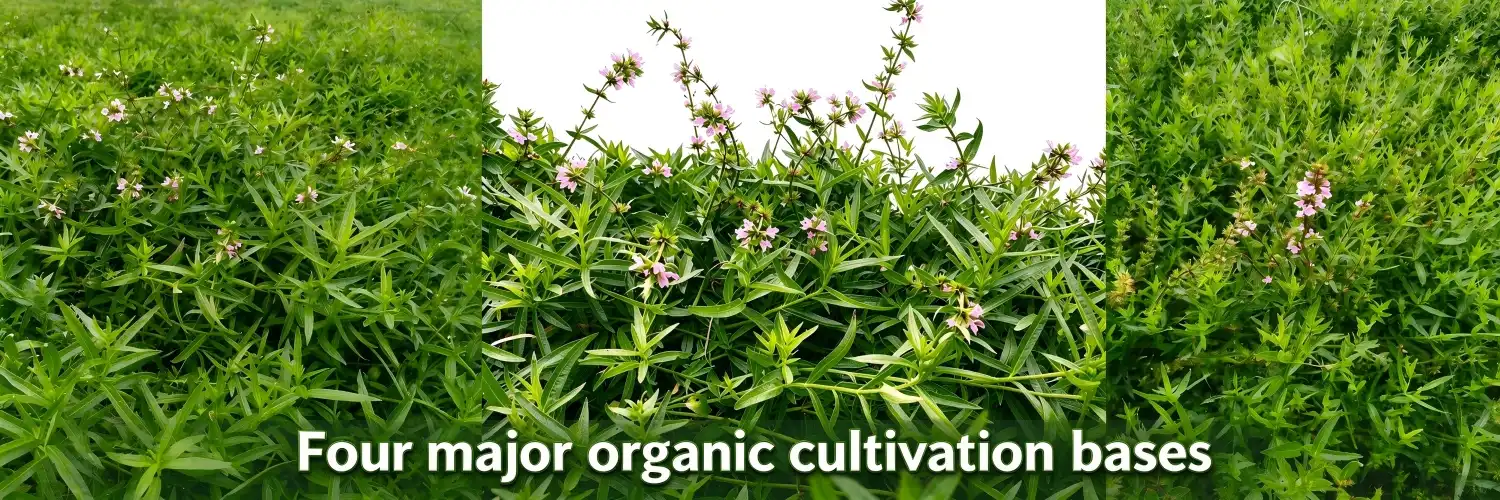
Stachyose 70% Powder is a tetrasaccharide, which means it has four sugar units. One glucose unit, two galactose units, and one fructose unit make up the sugar in this. Plants do it on their own. The plant that has a lot of it is called Stachys affinis. It's also known as crosne or Chinese artichoke. It was eaten a long time ago. Mung beans and soy beans both have a small amount of stachyose (5–4%). This sugar has to be taken out in a certain way so that the powder is clean. If it gets a score of 70% on a test, it's about 70% stachyose. The mix could include water, ash, other oligosaccharides, and plant matter. When you buy something, read it all, not just the name.
FuYNature Specification at a Glance
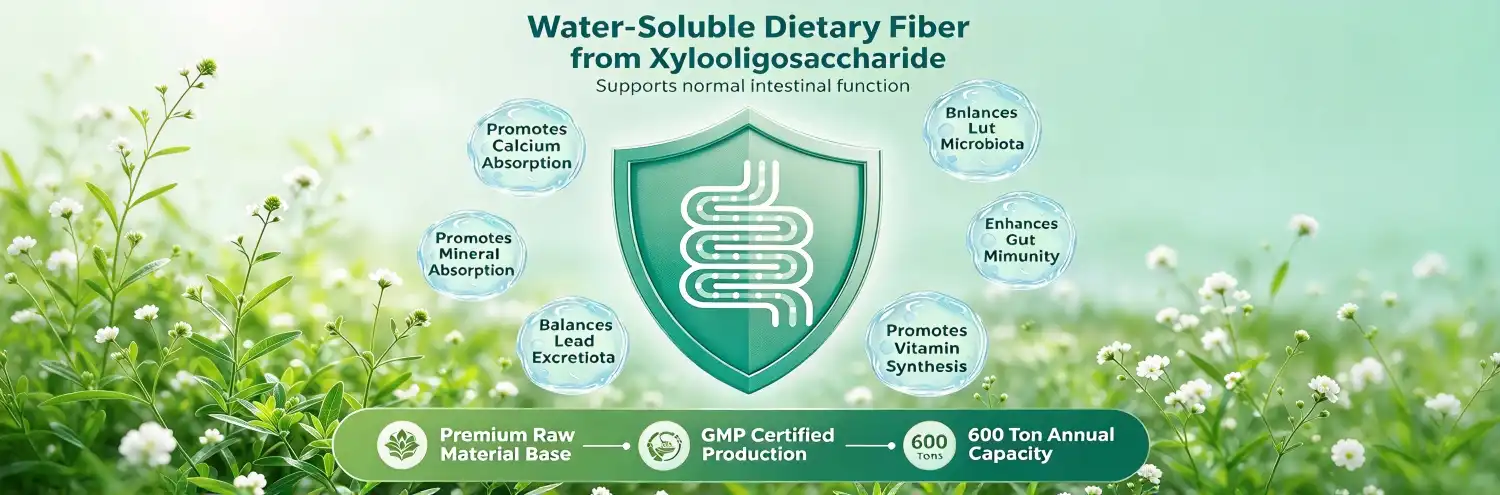
HPLC tests proved that at least 70% of FuYNature Stachyose 70% Powder is stachyose. It comes from turning a white veggie into something. It lasts for 24 months. Microbiology and heavy metals always follow the rules. The thing was made according to three rules: HACCP, ISO22000, and HALAL. It is possible because the plant in China that makes it can handle 1,000 tons of it every year. One part, called stachyose, has a clear shape and molecular weight. People often use this part to find healthy foods. But people who want to buy should still ask for the most recent Certificate of Analysis for each batch.
Why HPLC Testing and Batch Documents Matter
It's important to make sure there is enough stachyose and not a mix of cheaper sugars. HPLC sorts the different kinds of sugar. The product's specs, a Certificate of Analysis from the last few months, and proof that it was made in a certified spot are some of the things you should ask for. Before you take a sample, read the label and make sure you know the lot number and close date. Keep the specification that was agreed upon and the reference sample that was agreed upon. Not all shipments will mix or look the same as the sample used as a guide. There is a problem here. This is clear right away.
Stachyose 70% Powder Benefits for Dairy-Free Powdered Beverages
Prebiotic Positioning for Plant-Based Nutrition
It was agreed upon by the ISAPP in 2017 that a prebiotic is something that host microorganisms choose to use to help the body. Oligosaccharides, which include Stachyose 70% Powder, can't be broken down. These move from the small intestine to the colon, where good bacteria can break them down. Food and Nutrition Review from 2006 talks about stachyose and other oligosaccharides that can be found in soybeans. It makes a lot of sense that plant-based powders could help digestion. The people who are in charge of rules should decide which health claims are real.
Solids, Taste, and Sweetness Contribution
It makes powdered drinks smoother without making them more solid when you add Stachyose 70% Powder to them. It doesn't make the taste very sweet because it's only about 22% sucrose sweet. Some plant proteins, like the ones in peas and rice, leave behind a taste that is earthy or chalky. A starch that breaks down in water can help complete the taste profile. The taste and sweetness are still very important because they help hide strong off-notes. It may need more to taste the way you want it to. Try it with different amounts of mix-ins before you save the recipe.
Claims, Tolerance, and Allergen Controls
How well you handle oligosaccharides depends on how much you eat. Start with little amounts and watch how people act on screens. A place that doesn't use cheese also needs to be very careful about allergens. The seller should write down that the item is free of allergens, vegan-friendly, and has cross-contact controls. In the US, people who write labels have to follow rules set by the FDA. Based on what the FDA says about fiber, stachyose may or may not be listed as dietary fiber on a Nutrition Facts strip. Before you print any health or fiber claims, talk to someone who knows about regulations. That's how the FDA checks for carbs that the body can't break down, according to a rule from 2018.
How to Use Stachyose 70% Powder in Dairy-Free Powdered Beverage Formulas
Start with the Product Type and Inclusion Level
Give the drink a name. It could be a shake with plant-based protein, minerals, fiber, or protein, or it could be a meal replacement shake. It tastes different, has a different pH level, and has various minerals. You can use any amount of Stachyose 70% Powder you want, as long as it doesn't make the drink too sweet for the person. On a bench, you should test the applicants at a few different heights. Next, you should test them with small groups of the best ones. Write down how much it costs per serving, how it tastes, how it feels in your mouth, how long it takes to rehydrate, and how it settles. With this step-by-step plan, you won't have to spend a lot of money to do the math again later. It also tells you what to tell the seller to get help with the application.
Check Interactions with Proteins, Minerals, and Acids
Powders that mix well with water might not work as well in a full recipe. It needs to be tried out with real minerals, acids, minerals, fibers, gums, tastes, and sweets from pea, rice, or oat. If the mixture starts to clump or foam and settle after you mix it, watch out. When making sour drinks, you need to be extra careful because sugars can break down over time in hot, acidic places. Make sure that the drinks will stay the same during your process. Cutting down on sugars makes food brown more often, but stachyose doesn't do that as often. There are still some things that can change the final color, though.
Solubility, Stability, and Storage Checks
When something melts, the pH level, the size of the particles, and how much you stir it all play a role. If the seller says they used tests to prove what they said, you should ask to see those tests. Next, test it in your own lab to see how well it works in warm and cold water. This will keep the powder cool and dry. Make sure there is good air flow and a tight lid on the jar. Oligosaccharide powders are used in this way because they can soak up water and make a cake. If you store FuYNature Stachyose 70% Powder the right way, it will last for 24 months. When you test how long finished goods will last, pay attention to microbes, moisture, and how the water reacts with the goods.
Stachyose 70% Powder vs. Inulin, FOS, and GOS
Structural and Functional Differences
All of these are carbs that you can't get rid of or break down in your body. The galactose units in GOS, inulin, and FOS are all different. Most of the time, GOS has fructose units. Four types of sugar make up Stachyose 70% Powder: glucose, fructose, galactose, and glucose. It was written in 2007 and put out in the Carbohydrate Polymers journal. What they are made of changes how bacteria in the gut break them down. Chain length is also important in the drink. When its chains are longer, like inulin, it gives it body. But when its chains are short, they break down quickly and leave it not very stiff. You can rule out people before they even start the bench press if you know these basics.
Texture, Flavor, and Cost-in-Use
It makes shakes creamier or gives them more body, which is good for drinks that need to make you feel fuller. Most of the time, FOS tastes better than stachyose. Brands that use GOS can say things. Stachyose can be used in recipes that need something a little sweet that doesn't stick together very well. Not only should you compare the price per kilogram, but also the price per serving that you can actually use. Don't forget to add any extra sugar or syrup that the recipe calls for. You can use each thing by itself, but try putting them together in different ways to find the best way.
Choosing by Product Goal
Pick based on your main goal. Stachyose 70% Powder is a good choice if you need a prebiotic that doesn't stick together too much. If you want your hair to be thick and creamy, Iulin might be the best choice. The standing of a product in the US can change based on what it is made of and what it claims to do. Talk to a professional about all of your choices before you make a decision. I think there should be a bench test that compares cost, taste, solubility, and sediment in the final matrix. Things that look good on paper might not work so well in real life. Do what the facts tell you.
How to Choose a Stachyose 70% Powder Supplier and Buy in Bulk
Evaluate the Supplier Beyond Price
Being cheap or well-known doesn't tell you much about how good something is. Find out if the business makes, treats, or sells the goods itself. Make sure you look at their quality control systems, certifications, and past exports as well. Biotechnology in Hefei Fushan makes a powder called stathachyose that is 70% sugar. A new company called National High-Tech Enterprise made it in 2012. The group has 54 patents on ideas and four PhDs lead the R&D team. They've been selling functional diets for thirteen years. There are GMP, ISO22000, HACCP, and HALAL certifications for the companies that make their goods. As part of their service, these businesses offer HPLC analysis and custom specs.
Plan Bulk Orders Around Landed Cost
It's important to look at both the price per kilogram and the total cost of landing. You need to include the minimum order number (MOQ), the yearly volume, the packaging, the lead time for production, the freight, the duties, and any Incoterms like EXW, FOB, CIF, or DDP. As it can hold 1,000 tons of freight at once, FuYNature can handle both air and sea freight. It can also handle large orders. You should read the paperwork, try some samples, agree on a standard, place a test order, and then talk about getting it on a regular basis. If there are a lot of them and the technology is simple, it might be possible to make the specs or packaging fit your needs.
Avoid Common Mistakes Before Launch
When most people only look at the "70%" mark, they get it wrong. What assay doesn't say is how a batch tastes, how much moisture it has, how pure it is, or how uniform it is. It was also wrong not to test the real protein and mineral system, to take the supplier's word for it as true label claims, and to ship by ocean without using packaging that keeps moisture out. You should read the claims, allergen statements, vegan suitability, and market-specific documents before the product goes on sale. Here is a short list to help: name the drink, look over the COA data and certificates, accept a sample after the pilot test, and use that sample as a guide.
Conclusion
So, Stachyose 70% Powder can be used in powdered drinks that don't have dairy because it is a plant-based prebiotic that is simple to mix in. But you shouldn't use it as a base, to thicken, or to grease. Its value depends on things like an assay that has been proven by HPLC, the amount of moisture, the paperwork, and how consistent each batch is. Something sweet, some liquid solids, and the word "prebiotic." Claims and fiber signs are still being looked into by the US government. There are graded tests that use real minerals, acids, proteins, and checks for how well they dissolve and store that show they work. Being able to compare stachyose, inulin, FOS, and GOS should help you make a choice, since their shapes and feels are different.
FAQ
Is Stachyose 70% Powder suitable for dairy-free drinks?
Stachyose 70% Powder is made from plants. It's my opinion that before putting a dairy-free label on a product, you should still check for allergens, say it's vegan, and handle it with other foods.
How soluble is it in water?
Stachyose breaks down quickly in water, but how it does so depends on the temperature, pH, particle size, and other things in the water. You can test it in any way you like.
What dosage should I use?
Not every person needs the same amount. You can set the level with the help of tests like taste, tolerance, and bench tests that are right for your market and serving amount.
What are the shelf life and storage conditions?
FuYNature Stachyose 70% Powder can be kept for 24 months. Keep it in a package that won't let water in a cool, dry place.
Request a Stachyose 70% Powder Specification and Bulk Quote from FuYNature
Looking for a Stachyose 70% Powder supplier for dairy-free beverage projects? FuYNature offers an HPLC-tested white powder with at least 70% stachyose, a 24-month shelf life, ISO22000, HACCP, and HALAL certifications, and 600 tons per year of stable capacity. Send your target application, volume, destination market, and packaging needs to info@extrabroc.com. We will reply with a specification sheet, sample details, and a bulk quote. Visit extrabroc.com for more details.
References
1. Nature Reviews Gastroenterology & Hepatology, 2017 – Expert consensus document: The International Scientific Association for Probiotics and Prebiotics (ISAPP) consensus statement on the definition and scope of prebiotics.
2. The Journal of Nutrition, 1995 – Dietary modulation of the human colonic microbiota: introducing the concept of prebiotics.
3. Nutrients, 2013 – Fiber and Prebiotics: Mechanisms and Health Benefits.
4. Carbohydrate Polymers, 2007 – Non-digestible oligosaccharides: A review.
5. Nutrición Hospitalaria, 2006 – Soybean oligosaccharides. Potential as new ingredients in functional food.
6. U.S. Food and Drug Administration, 2018 – Scientific Evaluation of the Evidence on the Beneficial Physiological Effects of Isolated or Synthetic Non-Digestible Carbohydrates Submitted as a Citizen Petition: Guidance for Industry.