Broccoli Seed Extract 13% Glucoraphanin: COA Checks Before Bulk Orders
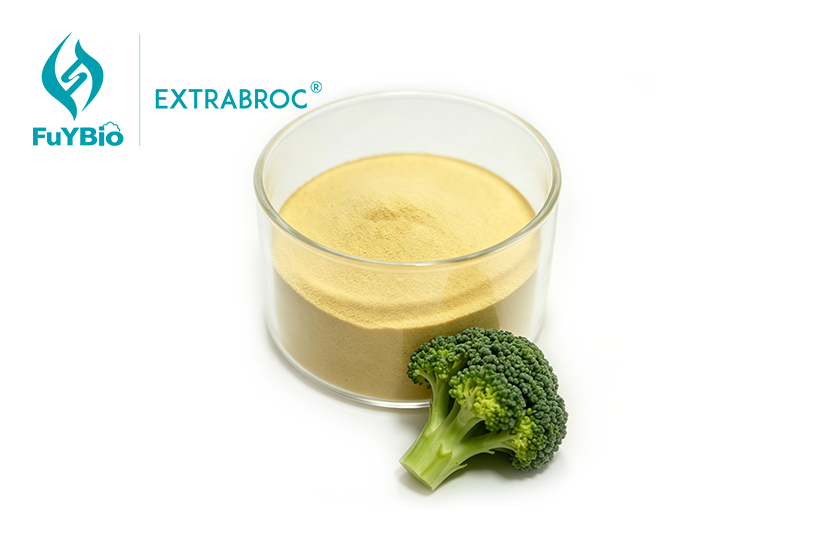
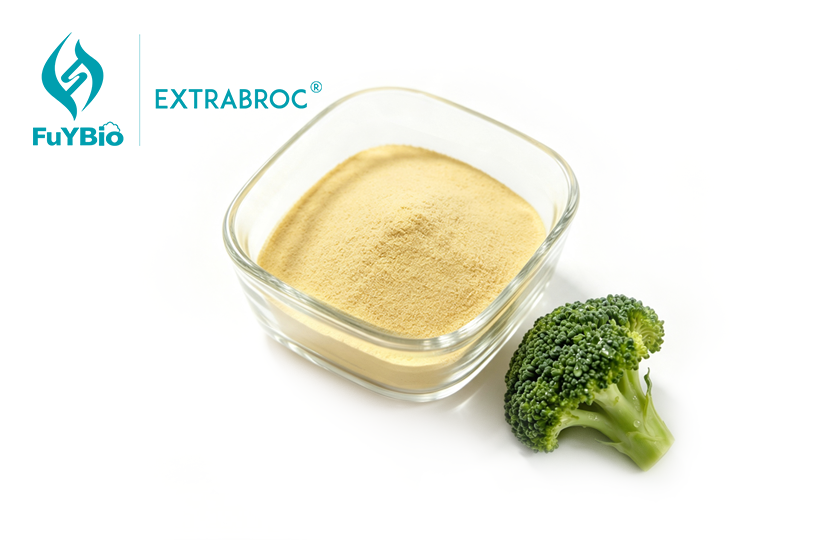
Before placing a bulk order for Broccoli Seed Extract 13% Glucoraphanin, I recommend checking six items on the certificate of analysis (COA): the glucoraphanin assay and its HPLC method, botanical identity, microbiology, heavy metals, particle size, and shelf life. A 13% result alone does not prove quality, so the COA should match the specification sheet, the sample, and the production lot. At EXTRABROC®, we supply a light yellow powder made from Brassica oleracea var. italica seed, with glucoraphanin at 13% or higher. This guide shows what to read, what to question, and how to approve a lot with confidence.
What Does 13% Glucoraphanin Mean on a Broccoli Seed Extract COA?
Glucoraphanin Is Not Sulforaphane
The COA only says that the powder has 13% glucoraphanin, but it also has 13% sulforaphane. Another name for it is glucoraphanin. It is a stable glucosinolate. But when myrosinase works on it, it turns into sulforaphane, which is a much less stable isothiocyanate. Standardized water-based seed extracts don't always have active myrosinase in them so they last longer. Later, either when the extract is mixed with an enzyme source or when bugs in the gut do the work, that is when things change. A study published in 2015 in PLOS One says that when active myrosinase is present, there is more sulforaphane. This will make sure that the dose estimates and label claims are always correct. Ask each seller to make it clear which substance the percentage is for.
Method and Reporting Basis
You can find out how the test was done by this number. Most of the time, HPLC is used to test for glucoraphanin. The results may be different from one lab to the next, though, because of how the standards are used, how the math is done, and how the samples are prepared. You should write down the batch number, test date, method name, numbers, and the reason for reporting on a good COA. A built-in HPLC method says that glucoraphanin must be at least 13% for our EXTRABROC® standard to be met. I make sure that both COAs begin in the same place and follow the same steps before I compare them. The 13% on each page might not be about the same thing if they don't. If you tried to compare prices, you'd get lost.
Specification Snapshot for EXTRABROC® Broccoli Seed Extract
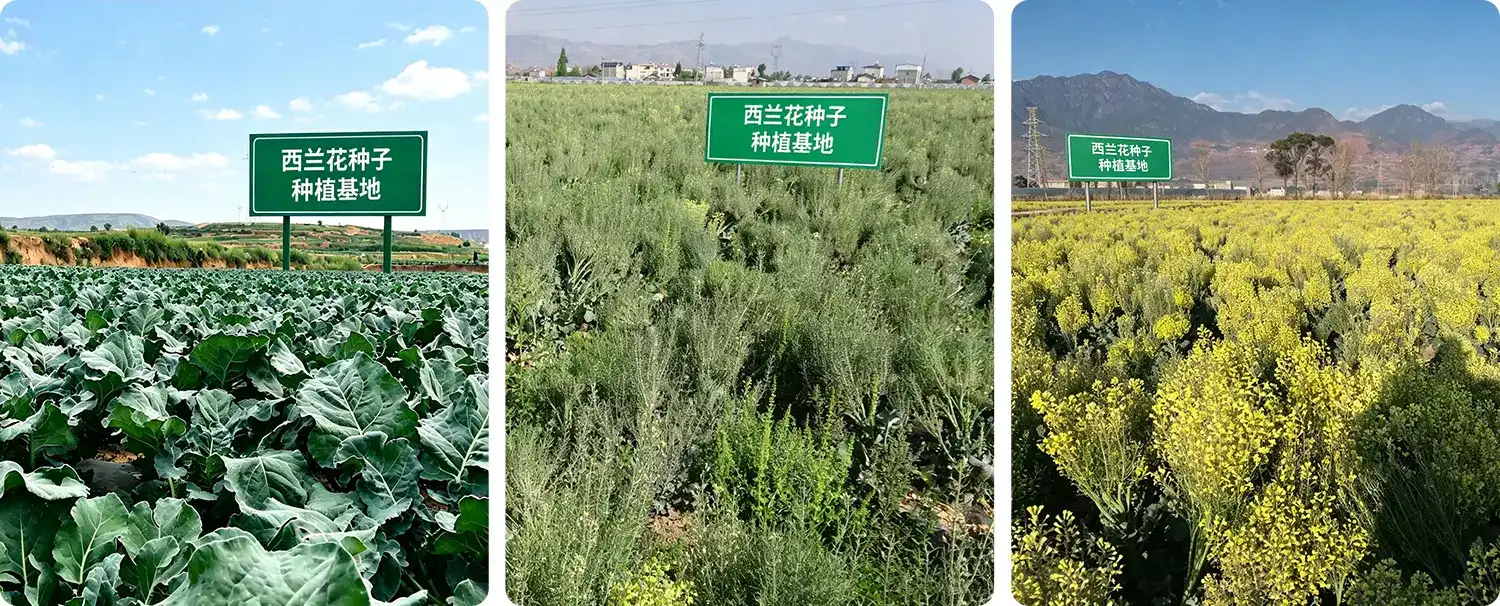
Our Broccoli Seed Extract 13% Glucoraphanin is derived from Brassica oleracea var. italica (broccoli) sourced from China and produced using a water-based extraction process. The product is standardized to contain 13% glucoraphanin, with at least 90% of the powder passing through an 180 μm mesh, supporting consistent particle-size specifications for manufacturing applications. According to our product specifications, the sample contains 0.052 mg/kg of inorganic arsenic and has a total aerobic microbial count of 280 CFU/g. These analytical results should be verified against the batch-specific Certificate of Analysis (COA) to ensure accurate quality documentation for every shipment. When sourcing Broccoli Seed Extract 13% Glucoraphanin, buyers should review the active ingredient content, extraction method, particle-size distribution, contaminant limits, and microbiological specifications to confirm suitability for their intended applications. Under appropriate storage conditions, the product has a shelf life of 24 months, subject to the manufacturer's validated specifications. Each batch of Broccoli Seed Extract 13% Glucoraphanin should be accompanied by documentation that links its analytical results to the corresponding lot number, supporting traceability and quality assurance. By maintaining clear specifications and batch-specific records, we aim to provide a reliable supply of Broccoli Seed Extract 13% Glucoraphanin for manufacturers seeking consistent ingredient quality and dependable documentation.
The Essential COA Checks for Broccoli Seed Extract 13% Glucoraphanin
Identity and Physical Data
This is the first part of a full COA. It says what it is, where it was grown, what part of the plant it comes from, and what liquid was used to get it out of the plant in Latin. Next, look at the size of the pieces, how wet they are, the ash, the mass density, and the way it smells. Our powder is light yellow and smells like what it's meant to do. Physical data is important because it tells you how the powder will move through pill presses, fill capsules, and mix in dry blends. You should not only ask for "conforms," but also numbers so that the people who check it know what to pass or fail.
Microbiology and Contaminants
It's just as important to see how safe things are. You should count the heavy metals, the yeast and mold, the coliforms and viruses, the bugs and solvents that were left over, and the aflatoxins if your product or market needs them. The sample we used has 0.052 mg/kg of inorganic arsenic and 280 cfu/g of aerobic bacteria. Over 500 other things, like herbicide residues, heavy metals, and bacteria, are also up to par. We only use clean water, so there are no chemical solvents left over after the process. Check that all of your limits are met and learn which lab came up with each answer.
Declarations and Certifications
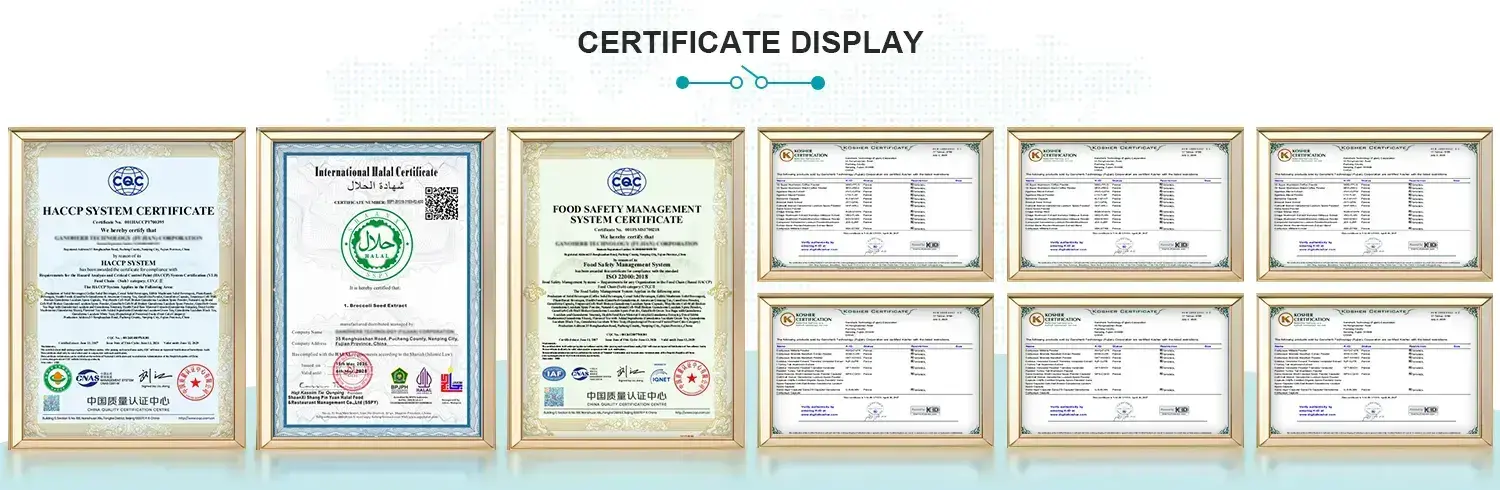
Before you say something is gluten-free or vegan, you should learn more about allergens, GMOs, irradiation, and the companies that make non-GMO broccoli seed extract. Four groups have given their approval to this business: GMP, ISO22000, HACCP, and HALAL. The raw materials also meet the standards set by the US FDA GRAS and USP-NF. Look at the certificates and make sure you can see the names of the sites they cover and when they are still valid. All of the chemicals in US-made food additives must pass a test to show that they are what they say they are. This is called 21 CFR Part 111. You should only trust a supplier's COA after you've learned a lot about them and looked at their work a lot.
Source, Manufacturing, Solubility, and Stability Checks
Source and Manufacturing Controls
It's not always the same thing that sprout extract or another form of Brassica is the same as seed extract. Different formulations can have different amounts of glucosinolates, different amounts of water, different tastes, and different amounts of output from the extraction. See what the plant was called, where it came from, how it was extracted, how it was dried, what it was kept in, and what it was used to make. At EXTRABROC®, quality is checked at every step of the way, from the seeds to the finished product. An extra step is taken before cleaning to get rid of allyl isothiocyanate and other harmful impurities. Check out the steps used to try new materials, keep notes of each batch's accuracy, and handle problems. Before they place their first order, OEM buyers and private-label buyers should agree on who makes decisions about the formula, labeling, testing, and going on sale.
Solubility and Formulation Fit
It doesn't help if the things you want to use them in don't mix or dissolve well in drinks, premixes, pills, or dry blends. You can use our powder with pills, drinks, powders, and more after washing it off with water. It's used in useful drinks, sports nutrition, dietary supplements, and healthy foods. Check to see if it sets, clumps, changes color, smells, moves easily, or is sensitive to pH. To begin, make a small test blend with things you already have. A bench test is less expensive than a lot of goods that go bad.
Stability, Storage, and Shipping
When purchasing Broccoli Seed Extract 13% Glucoraphanin, carefully review the product's shelf life, retest date, recommended storage temperature, humidity limits, and packaging requirements to help maintain ingredient quality throughout storage and transportation. Our Broccoli Seed Extract 13% Glucoraphanin has a stated shelf life of 24 months when stored under appropriate conditions, in a cool, dry place away from direct sunlight and excessive heat. Before placing an order, confirm the validated storage recommendations and ensure that the product remains in its original, properly sealed packaging. For long-term storage, keep sealed bags away from direct sunlight, damp environments, and warm floors to minimize potential quality deterioration. Buyers should also verify the shipping arrangements, applicable Incoterms, shipping documents, palletization, packaging specifications, product labels, and customs paperwork before dispatch. We can arrange air or sea freight according to your delivery schedule, order volume, and destination, with shipping and packaging arrangements discussed to suit your requirements. Whether you are purchasing Broccoli Seed Extract 13% Glucoraphanin for product development or regular manufacturing, clear communication about storage, logistics, and documentation can help reduce delays and protect product quality. By confirming these details in advance, you can manage inventory more effectively and maintain a reliable supply of Broccoli Seed Extract 13% Glucoraphanin for your production needs.
How to Compare Suppliers and Avoid Common Buying Mistakes
Compare Cost per Active Dose
You should look at standardized glucoraphanin extract, naturally concentrated seed extract, glucoraphanin with myrosinase added, and finished premixes separately because they are all different. Next, find out how much it costs to send one gram of glucoraphanin, taking into account the cost of testing, packing, shipping, and the chance that it will be refused. Also, make sure you look over the dose numbers. To get 100 mg of glucoraphanin at a precise 13% level, you need about 769 mg of powder. This changes how many pills are used and how the mix is made. As much as 50 tons can be made each year; big projects can be sure they will always have enough when they place repeat orders.
Common Mistakes
People who buy in bulk often do bad things, like mixing up sulforaphane and glucoraphanin, using a COA that isn't dated or is general, skipping sample and pilot-batch testing, and not checking to see if the supply will last. It is important to link each COA to the real production lot and compare the test results to the full-scale material. What does the seller do to deal with the risk of seasonal raw materials? How do they find backup sources? How do they let you know about changes? Remember that sulforaphane changes for every person (Houghton et al., 2016; Oxidative Medicine and Cellular Longevity, 2016).
Buyer's Checklist for Selecting a Supplier
Here are the three groups of criteria I use before approving a supplier.
- Technical: The material is clearly identified as broccoli seed extract, and the glucoraphanin specification, whether approximately or at minimum 13%, is backed by a disclosed method and reporting basis. Batch-specific COAs show microbiology, contaminants, physical properties, solubility data, storage conditions, and shelf life, and every result links to a lot number.
- Commercial: The supplier provides samples, states MOQ and lead time, and quotes cost per active dose rather than only price per kilogram. Export documents, certifications, OEM capability, and private-label support are available in writing before quotation, so no surprises appear after you place the order. Delivery schedules and Incoterms are agreed up front as well.
- Operational: The supplier defines change control, complaint handling, and out-of-specification response, and offers continuing technical support for repeat procurement. Clear contacts, response times, and traceability records let your quality team investigate any deviation quickly without waiting weeks for answers. Written notice of any process, site, or raw material change protects your validated formulas and label claims.
A supplier who meets all three groups lowers qualification risk and shortens the path to repeat orders.
A Practical COA Review Workflow Before Bulk Approval
Step-by-Step Qualification
Before purchasing Broccoli Seed Extract 13% Glucoraphanin, establish clear specifications for glucoraphanin content, analytical testing methods, packaging, shelf life, and storage conditions. Request a batch-specific Certificate of Analysis (COA), botanical origin information, relevant certifications, allergen and GMO statements, stability data, and a representative sample that accurately reflects the production batch. When evaluating Broccoli Seed Extract 13% Glucoraphanin, compare the sample with the accompanying documentation to confirm that its appearance, specifications, and quality characteristics meet your requirements. You may also arrange independent third-party testing to verify glucoraphanin content and assess relevant contaminants, such as heavy metals, pesticide residues, and microbiological impurities, according to your product's risk assessment. Ensure that the selected analytical methods are appropriate for the ingredient and that the reported results comply with your agreed acceptance criteria. It is equally important to establish a clear procedure for handling nonconforming materials, including notification deadlines, investigation responsibilities, replacement or refund arrangements, and corrective actions. For manufacturers sourcing Broccoli Seed Extract 13% Glucoraphanin, these measures create a documented framework for supplier qualification and incoming quality control. By maintaining complete batch records, verifying analytical results, and documenting how deviations are resolved, your team can demonstrate its ingredient verification process and make more informed purchasing decisions. A consistent quality assurance system also helps ensure that future batches of Broccoli Seed Extract 13% Glucoraphanin continue to meet the specifications required for reliable production.
Delivery Checks and Pilot Batches
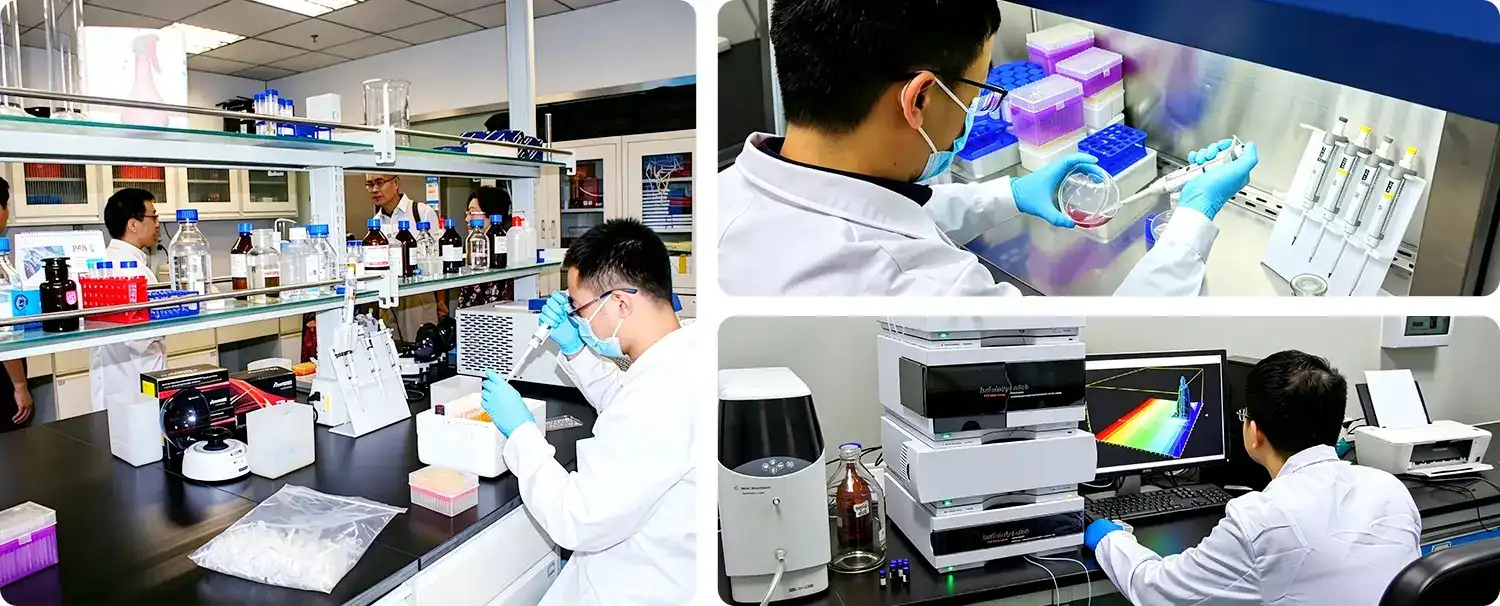
Check the amount, the state of the packaging, the lot number, the seals, the labels, and the test results that have already been sent before it is sent to production. Keep samples from each package and look at what's different between the test batch and the first full-scale lot. As part of our process and testing help, we do HPLC analysis. If the numbers are a little off, you can compare them to ours. The quality agreement should make it clear what needs to be done to fix, replace, or pay for things that don't meet the standards that were agreed upon. Even though rules are written down ahead of time, people will still disagree.
How a Qualified Ingredient Supplier Supports Bulk Procurement
If the seller is honest, they will help you from the time you describe your needs until the goods are sent to you. It is possible to change the ingredients, dosage forms, and combination formulations at EXTRABROC®. This is one of the services we offer. Together with our clients, we work on technical projects and help them make goods that are based on facts. We might be able to help you get rights if you buy a lot of patents. This was made after 13 years of work on Nrf2. A PhD leads a group of people who have filed 54 idea patents. Invention patents are under substantive examination in the US, and have been granted in China and Japan. At least 55.8% of the time, living things change sulforaphane into something else. There have been more than 10 tests in the real world and in clinical studies. Please check the MOQ and wait times before you give the price.
Conclusion
When evaluating Broccoli Seed Extract 13% Glucoraphanin, carefully review the Certificate of Analysis (COA) to ensure it includes the batch number, HPLC analytical method, test results, reporting units, and the specific compound for which the percentage is reported. The COA should clearly identify glucoraphanin as the measured active ingredient rather than confusing it with sulforaphane, a different compound. Buyers should also verify the botanical identity, physical characteristics, microbiological quality, contaminant levels, and relevant product declarations to confirm that Broccoli Seed Extract 13% Glucoraphanin meets the agreed specifications. Beyond laboratory results, assess how the powder performs in the intended formulation, including its dispersibility or solubility in the selected carrier, stability under recommended storage conditions, and suitability for the manufacturing process. When comparing suppliers, consider the total cost of obtaining and using the material, including shipping, testing, packaging, and potential quality-related expenses, rather than focusing solely on the price per kilogram. For reliable quality control, match each sample and its supporting documents to the corresponding production lot, and arrange independent testing when necessary to verify glucoraphanin content and other critical parameters. Using generic COAs without confirming batch-specific results can create avoidable sourcing risks. A documented process covering supplier qualification, sample approval, batch verification, shipment inspection, and delivery review helps ensure that every lot of Broccoli Seed Extract 13% Glucoraphanin meets the agreed requirements. By combining accurate analytical documentation with practical formulation testing and consistent traceability, manufacturers can source Broccoli Seed Extract 13% Glucoraphanin more confidently and maintain greater consistency across production batches.
FAQ
Is 13% glucoraphanin the same as 13% sulforaphane?
Not at all. With the help of myrosinase, glucoraphanin is changed into sulforaphane, a stable building block. The number on our standard for glucoraphanin only refers to glucoraphanin that was measured by HPLC. A lot of normal water-based goods don't have myrosinase that works. This means that the change happens in the gut bacteria or with the help of a source of enzymes that were made to do that job.
What should a batch-specific COA include?
You should know the Latin name of the product, what part of the plant it comes from, the batch number, the test date, the method, the glucoraphanin result, how it looks, the particle size, the germs, the heavy metals, and how long it will last. Also, you should agree ahead of time whether the COA for each shipment will come from the maker or an outside lab.
How do I confirm the powder fits my formula?
It's important that the MOQ is part of your price, since it changes based on how it will be made, packed, and customized. Then, test it in your own carrier, such as tablet, powder, or drink. Take a look at the taste, flow, and uptake first. It's then time to compare the findings to the COA.
Request a Broccoli Seed Extract 13% Glucoraphanin COA and Sample from FuYNature
Would you like to make a big order? Someone emails info@extrabroc.com to ask for a batch-specific COA, a specification sheet, and a sample of our 13% glucoraphanin powder. We offer Broccoli Seed Extract 13% Glucoraphanin for sale. We can always handle 50 tons of the stuff every year, and it's good for two years. We can also change it to fit your wants. extrabroc.com is where you can learn more about the item. Send them a dose form, information about the people you want to reach, and how much you want to spend each year to get a price.
References
1. PLOS One, 2015. Fahey JW, et al. "Sulforaphane bioavailability from glucoraphanin-rich broccoli: control by active endogenous myrosinase."
2. Oxidative Medicine and Cellular Longevity, 2016. Houghton CA, Fassett RG, Coombes JS. "Sulforaphane and other nutrigenomic Nrf2 activators: can the clinician's expectation be matched by the reality?"
3. Proceedings of the National Academy of Sciences, 1997. Fahey JW, Zhang Y, Talalay P. "Broccoli sprouts: an exceptionally rich source of inducers of enzymes that protect against chemical carcinogens."
4. Journal of Medicinal Food, 2019. Vanduchova A, et al. "Isothiocyanate from broccoli, sulforaphane, and its properties."
5. Cancer Prevention Research, 2014. Egner PA, et al. "Rapid and sustainable detoxification of airborne pollutants by broccoli sprout beverage: results of a randomized clinical trial in China."
6. Code of Federal Regulations, Title 21, Part 111, U.S. Food and Drug Administration, 2007. "Current Good Manufacturing Practice in Manufacturing, Packaging, Labeling, or Holding Operations for Dietary Supplements."