Broccoli Seed Extract 13% Sulforaphane for Custom Powder Manufacturing
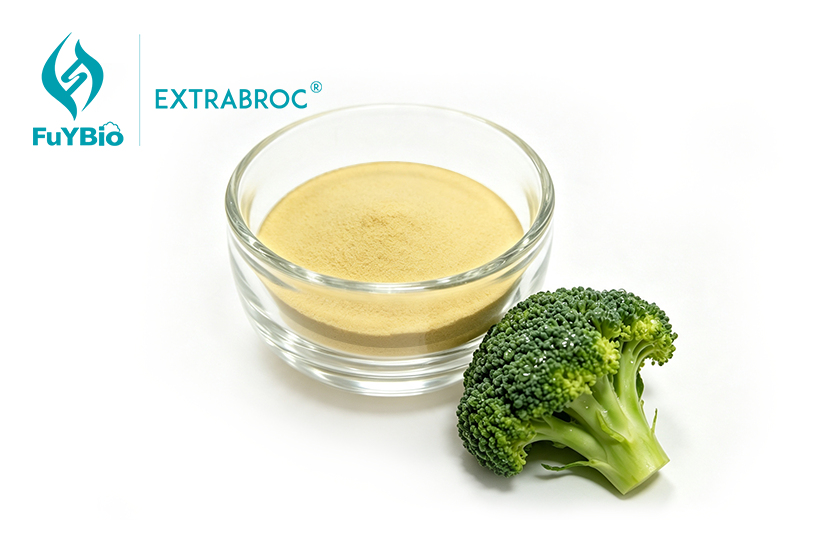
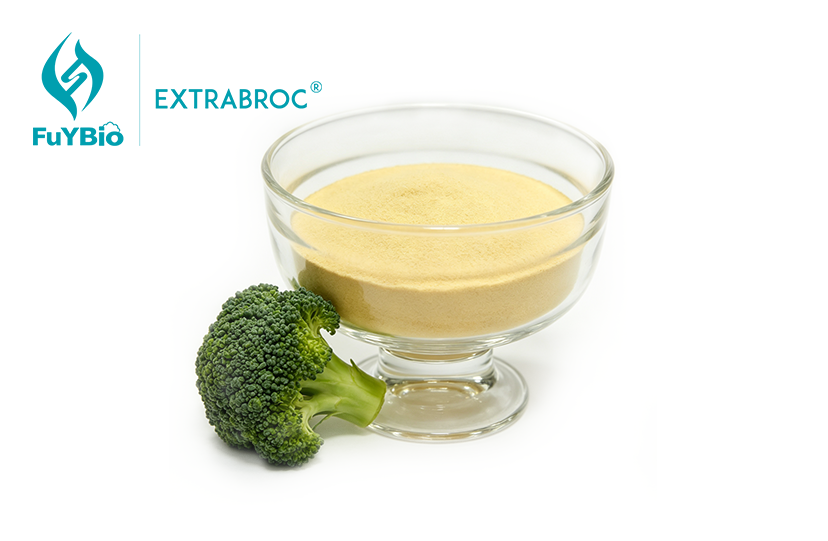
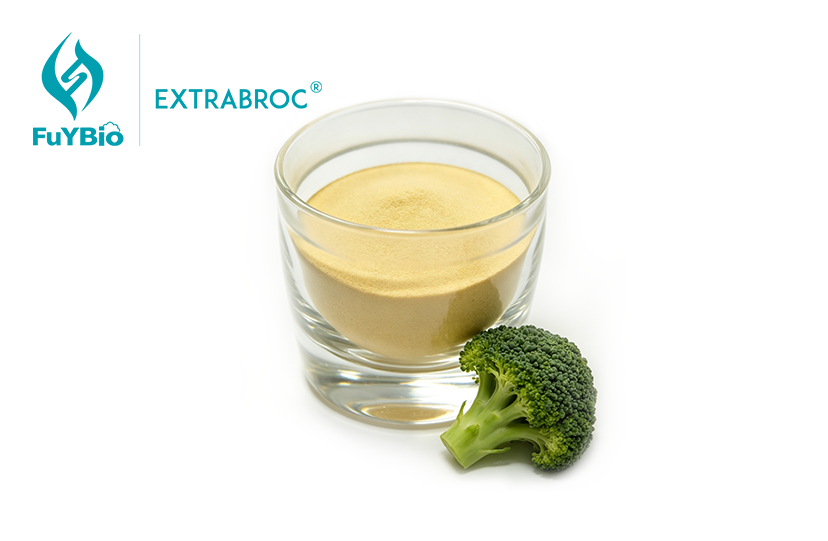
If you need to make unique powder, "Broccoli Seed Extract 13% Sulforaphane" means a common seed-based ingredient that has at least 13% sulforaphane, as tested by HPLC. The seller can make changes to the form, particle size, packaging, and amount so that it works for you. This fine, light yellow powder is made from Brassica oleracea var. We make it using water to get the oil out of the italica seed and a secret recipe to keep it stable. We can store 50 tonnes of goods every year, and our goods can stay fresh for two years and meet HPLC standards. This gives US buyers clear data at every step, from making samples to making a lot of them. This guide tells you what to look for before you place an order.

Introduction: Why Standardized Sulforaphane Powder Matters for B2B Product Development?
Why Batch Consistency Drives Buying Decisions
Most of the time, people who buy things and work with formulations don't care about the exact botanical name. They want to know if Lot 12 acts the same as Lot 1. The two teams can compare themselves to a regular Broccoli Seed Extract 13% Sulforaphane powder. In other words, the amount of active ingredient can be the same in capsules, stick packs, and powder blends. It's just as important to always have enough. For brands to come to the U.S., they need a service provider that can keep up with their needs. Because we can store 50 tonnes of bulk at a time, we can talk to our partners ahead of time about how much to plan for. With clear tests and standards that can be used over and over, technical reviews and checks of providers can be done faster. Setting these goals early on can save buyers a lot of money in the long run.
Defining "13% Sulforaphane" With a Clear Assay Method
The number 13% doesn't mean much without a clear way to test and a base. The sulforaphane level should be at least 13%, which is what our standard says, and our HPLC tests back this up. But people who want to buy something should still ask each seller three things: what is being tried, is the result given in terms of dry weight or as-is, and is there a method sheet to back it up? When you mix glucoraphanin, myrosinase activity, sulforaphane, and total glucosinolates, you can't compare prices fairly because they are all measured in different ways. We can help your quality team with HPLC research, and they can use their own standards to check the results. Make sure you know this before you take a sample. How clear the answer is at the start shows how well the supplier's quality control system works.
Fit Checks Before Custom Powder Manufacturing
Even a good sample doesn't mean everything will go well with the production run. Your team should check the particle size, how well it melts, how stable it is, how well it runs, and how well it works with the end product before they start any special work. There are small, light yellow pieces in our powder that smell a certain way. The specs say the particles need to be at least 180 μm big. Before you choose capsules, sachets, or blends, you should know these things about particle size and smell. These things affect how well they mix and hide flavours. It's not expensive to test these things on a small batch first, and it keeps things from going wrong on the factory floor. It's now time to talk about carriers and format goals.
What Is Broccoli Seed Extract 13% Sulforaphane?
Seed Extract Versus Broccoli Powder and Sprout Extract
Broccoli Seed Extract 13% Sulforaphane comes from plants and is very concentrated. It's not the same as sprout extract or whole broccoli powder because of where it comes from, how it's made, how strong it is, and how much it costs. To get the same amount of active ingredient as whole broccoli powder, you need a lot more of it. This is because whole broccoli powder has enzymes and fibre. A lot of glucoraphanin can be found in seeds. This is the building block that either the body or a supplement can use to make sulforaphane. First, we look at Brassica oleracea var. The italica seed from China is used, and pure water is used for the separation, so there is no chemical solvent left over. A supplier's assay data, smell, colour, and extraction yield are better ways to compare them than the names of plants they sell.
How Glucoraphanin, Myrosinase, and Sulforaphane Connect
Sulforaphane is made when myrosinase works on glucoraphanin. When looking for Broccoli Seed Extract 13% Sulforaphane, this is important to know: a glucoraphanin powder that doesn't have active myrosinase is not the same as a sulforaphane-releasing powder. They found that active myrosinase has a big effect on how much sulforaphane the body gets from broccoli. The study was published in 2015 in PLOS ONE. To make myrosinase, glucoraphanin is mixed with horseradish powder. Calcium salts are then added in a way that is protected by a patent. The purpose of this design is to make sure that sulforaphane works well after it has been used. There isn't much difference between people in our in vivo conversion rate, which is 55.8% or higher. Ask any seller to show proof of where the enzyme came from and data that backs up what they say.
Stability Factors That Shape Powder Performance
Heat, water, oxygen, and pH can all make it harder for active ingredients to stay together during the formulation process. It is also known that free sulforaphane is a molecule that can change form quickly. It's very important to keep things stable. Our stabilised mix will work for 24 months at room temperature if you keep it in a cool, dry place. This tech has been shown to work in more than 10 clinical trials and real-life studies with real people. I believe you should test the powder in the form you plan to sell it in and check how strong it is on a regular basis. This could be a dry drink mix, a stick pack blend, or a capsule fill.
Key Benefits and Commercial Applications of 13% Sulforaphane Powder
Core Advantages for Formulators
With a normal Broccoli Seed Extract 13% Sulforaphane powder, the recipe is more uniform, and the inclusion rate can be lower than with lower-potency extracts. This is helpful when there isn't much room in the pill. It's easier to buy things, check the quality of goods, and meet requirements for manufactured goods when every document is based on the same test value. At least 55.8% of FuYNature is converted into living things. It can be kept for two years, and the whole process can be tracked from seed to end product. There are no GMOs in the material, and it meets standards for over 500 things, like heavy metals, microorganisms, and pesticide residues. Pure water is used to get it out, so no organic solvents are left behind. You won't have to look into as many questions now that these points have been made.
Capsules, Stick Packs, Beverages, and Blends
Besides functional foods and drinks, the powder can be used to make pills, tablets, bags, and stick packs. When making pills, the makers should check the pills' bulk density, wetness, smell, flow, and stability with added substances. Some drinks need to be tried on a bench to see how they taste, look, be acidic, and be able to stay mixed before they can be sold. Plus, buyers should check each specification sheet to see if it notes any carriers, chemicals, allergens, GMOs, or help in processing. We can change the types of ingredients, dosages, and mix formulas, so you don't have to rebuild your production line around each one. You can ask for a format that works with your line instead. A short test run with your own gear will usually show you right away if there are any issues with flow or smell.
Application Areas and Claim Compliance
FuYNature is meant to help you lose weight, stay happy and sleep better, keep your metabolism healthy, eat well for exercise, and slow down the ageing process. In both cases, the Nrf2 pathway is turned on, which helps cells stay healthy. A lot of research has been done on Nrf2, which controls how the body cleans itself and protects itself from damage. One of the natural Nrf2 inducers that has been studied the most is sulforaphane (Trends in Molecular Medicine, 2012). I think you should compare the structure-function wording and clean-label statements to U.S. rules before you print the label. This is because claims are handled differently in each market. Our raw material meets the standards set by the US FDA GRAS and USP-NF. It is also recognised as a new food raw material by the National Health Commission of China.

Custom Powder Manufacturing Process for Broccoli Seed Extract 13% Sulforaphane
Start With a Clear Product Brief
Getting a written brief is the first thing that needs to be done. In this section, you should list your assay goals, preferred carriers, packaging, target market, dosage, format, solubility or dispersibility goals, serving size, and any regulatory needs. A service can quickly come up with a Broccoli Seed Extract 13% Sulforaphane recipe that will work if they have more information about the job. We let you customise the formula, which means you can change the amounts of ingredients, the dosage forms, and the mix formulas. Our team can also work with you on joint projects to develop technology together. We make products based on evidence for a certain health use in this type of work. You can get help with patent licensing, but only if you place a lot of orders. You help us pick the right style by letting us know right away where you plan to sell it and who you want to buy it.
Raw Material Qualification and Pilot Trials
Before the test run, check the scientific name of the plant, where it comes from, how it was extracted, how it will be standardised, the paperwork, and the supply chain. The type of Brassica oleracea we use is H. China's Italia seed, which was extracted with water and then put through an HPLC test. Depending on the use, the powder may need controlled milling, low-shear blending, granulation, or carrier adjustment to make it flow and stay the same. As part of trial tests, you should check the bulk density, uniformity, water absorption, smell, colour, spread, and active retention. You might want to save some samples from each test lot so that you can compare them when you get to full scale. You can connect trial data to the standard with our help with tests and the process, like HPLC analysis.
Scale-Up, Packaging, and Delivery
For scale-up to work, there must be good batch records, controls during the process, metal detection, barrier packaging, lot coding, the ability to track the product, and testing of the finished product. They have GMP, ISO22000, HACCP, and HALAL certifications, and we keep track of each lot from the seed to the finished meal. Keep the powder somewhere cool and dry, away from heat and light. After each use, close the sealed bags. To meet your needs, we can ship up to 50 tonnes per year by sea or air. When you fly, a sample kit can get there quickly, but when you ship it, it takes longer. Tell us when you'd like to begin, and we'll make a good plan for how to get it done.
Quality Control and Testing Requirements
Certificate of Analysis and Specification Review
Quality control starts with a full Certificate of Analysis and a standard that is easy to understand. The name of the plant, test results and methods, moisture, ash, particle size, mass density, bacteria limits, heavy metals, pesticides, leftover liquids, aflatoxins, allergens, GMO status, and the country where the plant came from are generally all in the documents. Our current standard for Broccoli Seed Extract 13% Sulforaphane says that the sulforaphane must be at least 13% by internal HPLC, the powder must be light yellow and fine, and the particles must be at least 180 μm in size and 90% pure. Compare these lines to your own limits and make notes of any holes before the first order. Documents that are written down and signed by both the buyer and the seller cover both sides. Get a COA for every package you send.
Safety Limits and Microbiology
We need to look closely at the safety information. Our sample has 0.042 µg/g of inorganic arsenic and less than 10 cfu/g of aerobic bacteria. This stuff isn't GMO, and it was extracted with water, so there aren't any organic solvents left over. These points are important for people in the U.S. who buy things and have to deal with outside groups auditing and checking their stores. Before you ship a sample, I think you should have your own lab look at the numbers on it. This makes people trust you more quickly than any brochure. If you need to check on the seller again, keep these details in your file. Our raw materials are FDA GRAS and USP-NF-approved, and our team can help the people in your target market meet the rules.
Stability, Traceability, and Evidence Files
Stability data, sample retention, packaging standards, and batch tracking all help with formula approval and make choices about shelf life. Our powder will last for two years if you store it correctly, and we can keep track of each lot from the seed to the finished product. Also, proof is key. The technology has been shown to work in more than 10 clinical trials and studies that took place in real life. There are invention rights for the release method in the US, Japan, and China. Researchers in 2011 who wrote about the study in Cancer Prevention Research found that a drink high in sulforaphane gave off a lot more sulforaphane than a drink high in glucoraphanin that did not have active myrosinase. This shows how important it is to design a release. Keep records in a file for each lot.
Conclusion
Buyers can reach their goal with a standard Broccoli Seed Extract 13% Sulforaphane powder, but only if it is clear what compound is being measured, how it is being measured, and what the basis is. Broccoli seed extract is not the same as broccoli powder or sprout extract. At least one active myrosinase and glucoraphanin must be present for sulforaphane to be released. In other words, how well it works depends on how the formula is made and how stable it is. Using water to remove it makes the FuYNature powder. The way it works is special; it can be kept for two years, and it has an in vivo conversion rate of 55.8% or higher. It's best for custom manufacturing to have a written brief, pilot tests, checks on the raw materials, and an approved scale-up. To make sure quality, you need a Certificate of Analysis, safety limits, stable records, and the ability to keep track of something. To find a reliable ingredient that works with drinks, pills, and stick packs while still following the market rules, these steps are used.

FAQ
What does 13% sulforaphane mean on a specification sheet?
It means that the test found at least 13% sulforaphane. Our answer comes from an HPLC method we use in-house. Always ask each supplier what kind of compound the number is based on and whether it is a dry-weight or an "as-is" number.
How should I store the powder?
Keep it away from light and heat, in a cool, dry place. If you keep it right, it will last for two years. To keep water out, close the bag tightly every time you use it.
Can you customize the formula?
Yes. We can change the mix formulas, dosage forms, and amounts of ingredients. You can also work with us on technical development projects, and depending on the size of your order, we can help you get copyright licenses. We'll give you a good start if you tell us what method and dose you want.
Which certificates and standards apply?
GMP, ISO22000, HACCP, and HALAL have all given their approval to the businesses that make our goods. For this raw material, there are US FDA GRAS and USP-NF rules. In China, it is called a New Food Raw Material.
Get Broccoli Seed Extract 13% Sulforaphane for Custom Powder Manufacturing with FuYNature
Ready to review specifications and discuss pricing? Contact FuYNature at info@extrabroc.com, or visit extrabroc.com for details. As a Broccoli Seed Extract 13% Sulforaphane supplier, we offer bulk supply of up to 50 tons per year, HPLC-backed documents, formula customization, and air or sea freight. Tell us your format, dosage, and launch date, and our team will reply with a clear plan for your custom powder project.
References
1. Fahey JW, et al. Sulforaphane bioavailability from glucoraphanin-rich broccoli: Control by active endogenous myrosinase. PLOS ONE, 2015.
2. Egner PA, et al. Bioavailability of sulforaphane from two broccoli sprout beverages: Results of a short-term, cross-over clinical trial in Qidong, China. Cancer Prevention Research, 2011.
3. Yagishita Y, Fahey JW, Dinkova-Kostova AT, Kensler TW. Broccoli or sulforaphane: Is it the source or dose that matters? Molecules, 2019.
4. Houghton CA. Sulforaphane: Its "coming of age" as a clinically relevant nutraceutical in the prevention and treatment of chronic disease. Oxidative Medicine and Cellular Longevity, 2019.
5. Dinkova-Kostova AT, Kostov RV. Glucosinolates and isothiocyanates in health and disease. Trends in Molecular Medicine, 2012.
6. Kensler TW, Wakabayashi N, Biswal S. Cell survival responses to environmental stresses via the Keap1-Nrf2-ARE pathway. Annual Review of Pharmacology and Toxicology, 2007.