Broccoli Seed Extract 13% Glucoraphanin: How to Verify Each Batch
Before sending out any Broccoli Seed Extract 13% Glucoraphanin, make sure that the identity, safety, and stability records are correct and that the certificate of analysis matches a standard. Also, make sure that the HPLC assay result for that lot number is correct. Test a sample that was saved, if possible at a lab that is not part of the company. What does a label that says "13%" mean if there isn't a clear assay basis and proof at the batch level? This is the order I follow. If you look at these steps, you can see how a purchasing or quality team would do them. They also show how EXTRABROC® documents back up each check.
Know Exactly What You Are Buying
What Broccoli Seed Extract 13% Glucoraphanin Actually Is
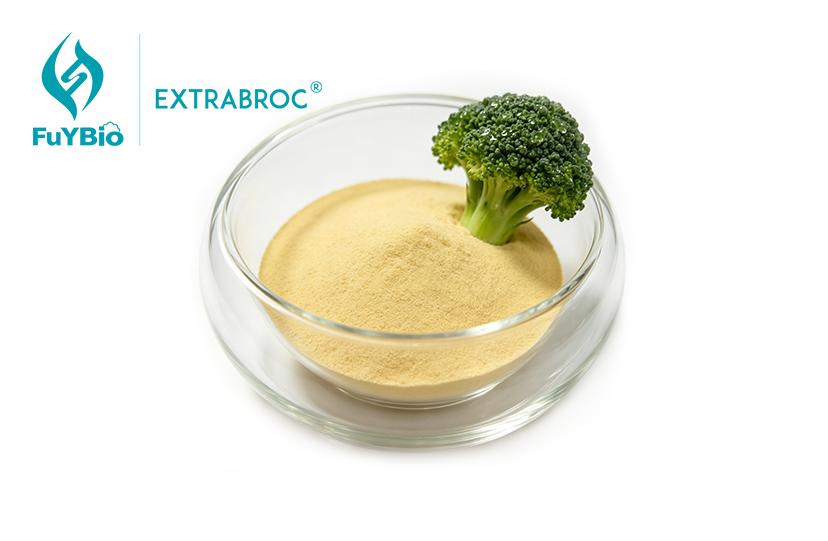
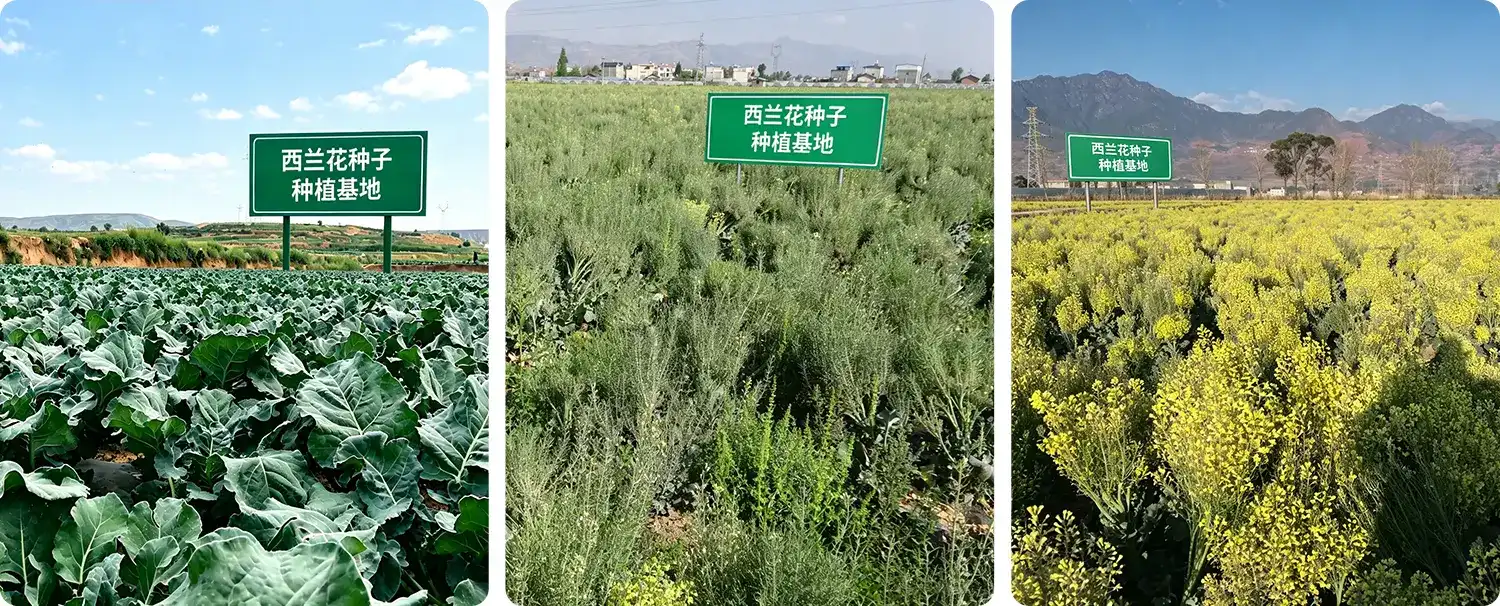
In order to make broccoli seed extract, the seeds of Brassica oleracea var. italica are used. All of these things should be called by their Latin name and plant part, even though they are not the same thing. That is not needed for EXTRABROC® because it is made from water. It smells different and is a fine, light yellow powder that comes from China. Not sulforaphane itself, but glucoraphanin, which is a part of sulforaphane, is what makes it work. It turns into sulforaphane when an enzyme called myrosinase works on it or when bugs in the gut do the work. Find out more about that conversion if the claims you make about your product or service depend on it.
Read the Specification Before the Certificate of Analysis
When evaluating Broccoli Seed Extract 13% Glucoraphanin, always distinguish between the product specification and the actual findings recorded on a batch-specific certificate of analysis (COA). Start by reviewing the specification, then compare each requirement against the COA to confirm that the delivered material meets the agreed standards. According to the EXTRABROC® specification, Broccoli Seed Extract 13% Glucoraphanin should contain at least 13% glucoraphanin, appear as a fine, light-yellow powder, have at least 90% of its particles pass through a 180 μm mesh, and be tested using HPLC. The specified shelf life is two years when the product is stored under the recommended conditions. Before purchasing Broccoli Seed Extract 13% Glucoraphanin, ask the supplier to disclose the ingredient composition, including any carriers, excipients, or processing aids, so you can assess its suitability for your formulation. It is also important to match the ingredient's physical properties to the intended dosage form. Beverage manufacturers may prioritize color, taste, solubility, and dispersion, whereas capsule and tablet manufacturers often focus on powder flow, particle size, and handling characteristics. By comparing the specification, COA, and application requirements for Broccoli Seed Extract 13% Glucoraphanin, buyers can identify discrepancies before production and reduce the risk of formulation problems. A consistent review process for Broccoli Seed Extract 13% Glucoraphanin also helps maintain batch-to-batch quality, improve supplier accountability, and support reliable manufacturing outcomes.
How the 13% Extract Compares With Sprout Powder and Lower Grades
Sprouts are a good source of glucoraphanin. A study from 1997 in the Proceedings of the National Academy of Sciences found that broccoli sprouts that are 3 days old have 10 to 100 times more glucoraphanin than plants that have already been grown. There are different sprout powders based on the cultivar, growth stage, and drying time. A standardized extract, on the other hand, gives you a more stable number to work with. Use the price per gram of verified glucoraphanin instead of the price per kilogram to compare suppliers. Based on the test, a 13% powder holds 130 grams of glucoraphanin per kilogram, while a 10% powder holds only 100 grams. Always make sure that both suppliers report results in the same way.
Verify Potency, Identity, and Safety on Every Lot
Confirm Glucoraphanin Content With HPLC
Use HPLC to check the levels of glucoraphanin. This is the standard way to measure glucoraphanin, and it's also the test method that's written into the EXTRABROC® specification. A useful report has the unit, lot, production date, and test date written down. On the same page, you should see other release data, such as the particle sizes. As ICH Q2(R1) says, you should find out what reference standard the lab uses and check to see if the method has proof data for its precision, accuracy, and linearity. Take a sample you want to keep and send it to a different lab. Then, compare the results. If you are disputing a first sale or shipment, you should do this. Be clear in the contract about what the accepted range is, and agree ahead of time how to handle a result that doesn't meet the needs. Scientists can talk about the method directly when they use EXTRABROC® for HPLC analysis.
Check Identity, Purity, and Safety Data
Under 21 CFR Part 111, a US company that makes food supplements has to test an ingredient at least once to make sure it is what it says it is. This step must be done in addition to a source COA (Code of Federal Regulations, 2007). I'm going to make sure everyone is who they say they are when they get their packages. The EXTRABROC® specification sheet states that the product has 280 cfu/g of total aerobic bacteria and a weight of 240 mg/kg of inorganic arsenic. Before the process starts, there is another step that gets rid of dangerous impurities such as allyl isothiocyanate. It's important to compare these numbers to your own microbe, pesticide, and heavy metal limits. Also, instead of an old summary, you should ask for lot-level data with every order.
Use a Document Checklist for Each Shipment
When I buy Broccoli Seed Extract 13% Glucoraphanin, these are the three types of paperwork I ask for.
- Batch-specific COA: It lists the lot number, the HPLC glucoraphanin result against the 13% minimum, particle size, heavy metals, microbiology, and production and test dates. Check that the lot number on the COA matches the package label and shipping papers before accepting delivery, and reject any lot where they differ.
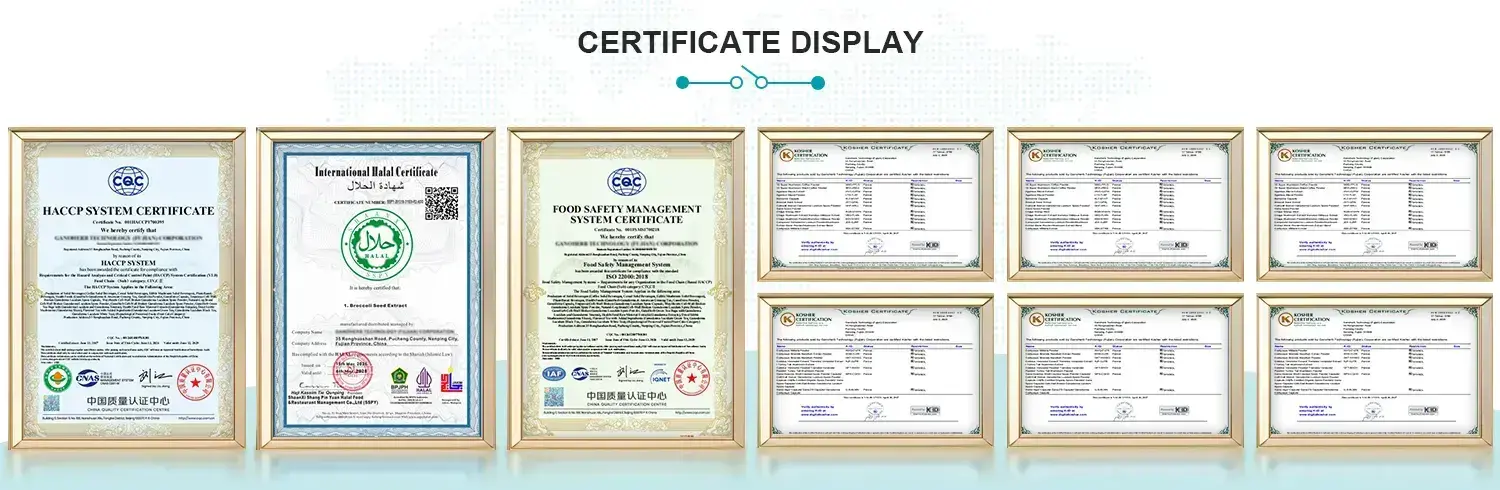
- Compliance records: Ask for current GMP, ISO22000, HACCP, and HALAL certificates for the production site, plus FDA GRAS and USP-NF compliance statements. Confirm each document's scope and expiry date, and check that it covers this product. A certificate for a different site or product does not help you.
- Traceability and sourcing: EXTRABROC® reports full-process quality control and traceability from seed to finished product. Its raw materials meet standards covering over 500 indicators for pesticide residues, microorganisms, and heavy metals. Request a non-GMO declaration and records that link origin and processing to your lot.
With these three groups, it's easy to match each claim to proof and quickly find holes.
Check Stability, Packaging, and Formulation Fit
Stability Through the Full Shelf Life
Glucoraphanin should be strong until the expiration date, not just on the day it is made available. Water, heat, oxygen, and light are all common threats, so how you store things is important. EXTRABROC® should be kept somewhere cool and dry, out of direct sunlight and away from sources of heat. If you store it right, it will last for two years. The company also says it will stay safe at room temperature for 24 months. You can get glucoraphanin assay data from any provider. This data can show it at different times, either in real time or quickly. To check a shelf-life number, you need to know that. Find out what kind of packaging works best for your route as well. FuYNature can move goods by air or sea.
Solubility, Flow, and Processing Tests
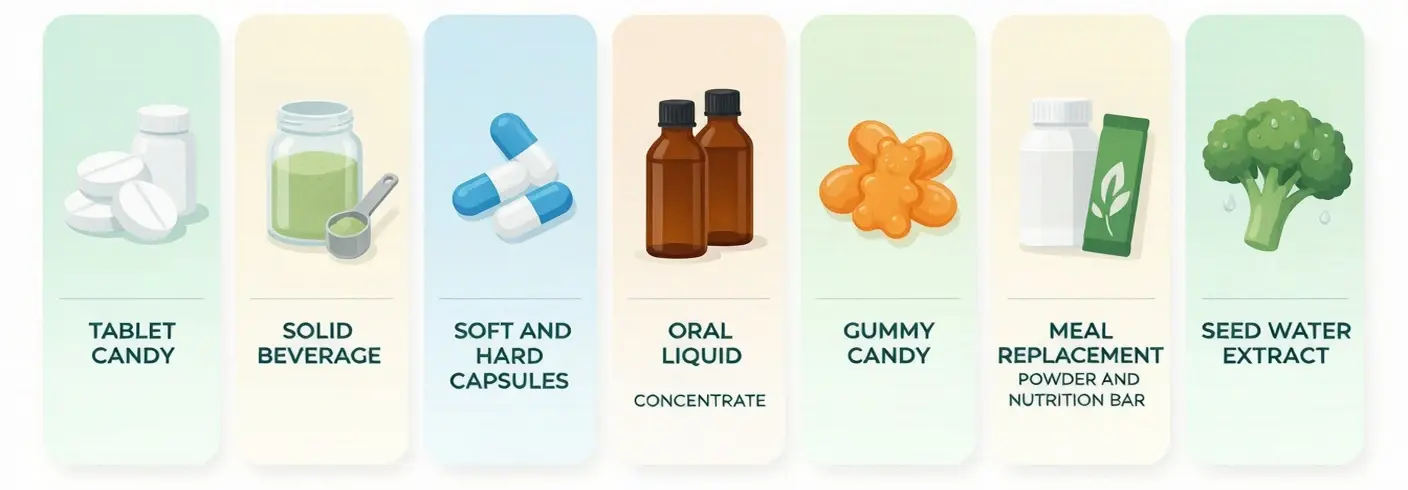
A water extract doesn't always make your drink clear. Make sure you test the powder the way you normally would, using your own quantity, temperature, mixing time, and water. After that, check the color, taste, spread, and sediment. Check out how it works in your final taste system to see what it smells like. To find out how much flow, bulk density, and compressibility a tablet or capsule has, you should use your own tools. EXTRABROC® can be put in drinks, tablets, mixes, and other things. It's in functional drinks, sports nutrition, medical foods, and dietary supplements, among other things. Before you make a big order, make a test batch. What works on the bench might not work when you're mixing, filling, and packing.
Conversion to Sulforaphane: Ask for Evidence
Any information on the label about sulforaphane must be able to stand on its own since glucoraphanin is a precursor. This process changes for each person and is based on how active myrosinase is or the bacteria that live in the gut. To keep an eye on it, researchers look for sulforaphane metabolites in urine. For example, a 2011 crossover trial that was published in Cancer Prevention Research did this. There is at least a 10% chance that EXTRABROC® will convert sulforaphane in living things. It has been used in more than 10 clinical trials and real-life tests with people. Any provider, even FuYNature , I would ask to show me the study design, demographics, and dose that were used to get those numbers. This person in charge of regulations should also look over the label claims before you go to market in the US.
Build a Supplier Check and Receiving Routine
Evaluate the Supplier Beyond the Quote
When sourcing Broccoli Seed Extract 13% Glucoraphanin, a low price alone does not indicate product quality, safety, or supplier reliability. Buyers should evaluate the supplier's industry experience, quality-control procedures, testing capabilities, and management of process changes before placing an order. FuYNature Biotechnology began developing Nrf2-focused nutritional ingredients in 2012 and has accumulated 13 years of experience in this field. Its raw material business operates under the name FuYNature. The company has filed five invention patent applications and obtained more than 30 approved patents, according to its company information. Its R&D team is led by four PhD-level researchers and has supported patent-related work in markets including the United States, China, and Japan. With an annual production capacity of 50 tons, the company can serve a range of purchasing requirements for Broccoli Seed Extract 13% Glucoraphanin. However, buyers should independently verify relevant company credentials, production capacity, and quality documentation before committing to a supplier. When requesting a quotation for Broccoli Seed Extract 13% Glucoraphanin, confirm the minimum order quantity, production lead time, batch testing procedures, and replacement or compensation terms in writing. It is also advisable to ask how the supplier documents manufacturing changes and maintains consistency between batches. By assessing both technical capabilities and commercial conditions, buyers can make a more informed decision when purchasing Broccoli Seed Extract 13% Glucoraphanin and establish a more dependable long-term supply relationship.
Set Up a Receiving Workflow
Once you write down your routine, supplier promises turn into power. I look at the COA, lot number, birth date, and expiration date of something before I ship it. As soon as the goods arrive, my team checks the seals, labels, amount, color, smell, caking, and any signs of moisture. The lot is put in quarantine until it passes tests for identity and strength, and we keep a sample for future use. Two or three lots are put next to each other to see how reliable the supplier is. We check the supplier again if the site or method changes. Some parts of a product can be changed by FuYNature to meet the needs of a customer. If you make a big enough order, it also lets you change the formula, work on technical projects with other people, and give out patents.
Common Mistakes to Avoid
Four mistakes keep happening. People buy this because they believe what the label says without seeing how it was tested. They don't compare prices based on how much confirmed glucoraphanin costs per gram, but on how much something weighs. As if glucoraphanin were sulforaphane, they treat it that way. They also don't test the real dose form in any way. The second mistake is easy to fix: just split the item's price by its verified glucoraphanin weight in grams. If two prices for the same amount of powder are the same, the more expensive powder has more active ingredients per gram. For less risk, use written specs, samples, pilot batches, and have a third party test it. It doesn't cost much to do these things instead of having a production run turned down.
Conclusion
To show that Broccoli Seed Extract 13% Glucoraphanin works, you need to compare each step of the process to what was said. There is no doubt about what the 13% number means or how it was found. An HPLC report on the batch COA proves the potency. The powder comes from the right plant and doesn't go too far for you based on its identity, purity, and safety statistics. Information about how stable the powder is and how to package it correctly will help it keep working while it's being stored. Making the powder dissolve and processing it shows if it can be used in drinks, pills, or tablets. Since glucoraphanin is a part of sulforaphane, people who say it can be changed need to show proof. You can be sure you always buy the right thing with checks on the supplier, a written receiving process, and the price per gram of verified glucoraphanin.
FAQ
Is glucoraphanin the same as sulforaphane?
Glucoraphanin comes before, not after. That's why claims about sulforaphane need different kinds of proof. It can be made when the enzyme myrosinase reacts with it or when bacteria in the gut change it.
Which test confirms the 13% figure?
HPLC. By HPLC, the EXTRABROC® standard says that the amount of glucoraphanin must be at least 13%. For the first order, you should get the lot COA, the reference standard that was used, and a result from a different lab.
How long does the powder keep?
It will last two years if you keep it somewhere cool and dry, away from light and heat. Ask for stability data that goes back more than one point in time.
Which certificates and documents should I request?
You should ask for the specification, the most recent GMP, ISO22000, HACCP, and Halal certificates, as well as a COA that is unique to the lot. Add rules and records for FDA GRAS and USP-NF compliance.
Can the specification be customized?
As long as the customer wants it, EXTRABROC® can change the specs. Aside from that, it can change formulas and do HPLC analysis.
Contact FuYNature for Broccoli Seed Extract 13% Glucoraphanin
Looking for a Broccoli Seed Extract 13% Glucoraphanin supplier with batch documents ready for review? FuYNature offers water-extracted powder, 50 tons of annual capacity, air and sea freight, and specification customization. Send your target potency, dosage form, annual volume, and destination to info@extrabroc.com to request a sample, COA, and quotation. For details, visit extrabroc.com.
References
1. Code of Federal Regulations, Title 21, Part 111, 2007. Current Good Manufacturing Practice in Manufacturing, Packaging, Labeling, or Holding Operations for Dietary Supplements.
2. International Council for Harmonisation, 2005. ICH Q2(R1): Validation of Analytical Procedures: Text and Methodology.
3. Proceedings of the National Academy of Sciences, 1997. Fahey, Zhang, and Talalay, "Broccoli sprouts: an exceptionally rich source of inducers of enzymes that protect against chemical carcinogens."
4. Cancer Prevention Research, 2011. Egner et al., "Bioavailability of sulforaphane from two broccoli sprout beverages: results of a short-term, cross-over clinical trial in Qidong, China."
5. Trends in Molecular Medicine, 2012. Dinkova-Kostova and Kostov, "Glucosinolates and isothiocyanates in health and disease."
6. Nutrition and Cancer, 2011. Cramer and Jeffery, "Sulforaphane absorption and excretion following ingestion of a semi-purified broccoli powder rich in glucoraphanin and broccoli sprouts in healthy men and women."