Does Broccoli Seed Extract 2% Sulforaphane Help Create Competitive Plant Extract Products for Global Brands?
Yes — Broccoli Seed Extract 2% Sulforaphane can genuinely help global brands build more competitive plant extract products. This naturally occurring isothiocyanate, derived from glucoraphanin in Brassica oleracea var. italica seeds, activates the Nrf2 cellular defense pathway, producing measurable antioxidant and anti-inflammatory effects at the molecular level. For B2B procurement teams, the 2% concentration hits a practical balance: clinically relevant potency, formulation flexibility, and cost efficiency — all within a format that clears FDA, GMP, and international regulatory thresholds.
Understanding Broccoli Seed Extract 2% Sulforaphane and Its Benefits
What Sulforaphane Actually Does in the Body?
Sulforaphane is not an ordinary antioxidant that gets rid of one free radical per molecule. Instead, it turns on the Nrf2 signaling pathway, which is the body's own control system for Phase II elimination enzymes. One dose can set off a chain of events that protect cells for 48 to 72 hours. This mechanism gives it long-lasting physiological importance that goes far beyond the size of the molecule.
Key Health Applications Backed by Research
Peer-reviewed research backs up sulforaphane's role in slowing down aging, controlling glucose and lipid metabolism, improving happiness and sleep, helping athletes recover, and keeping the right weight. Because it has been tested for so many uses, a single raw material can be used to make products in many health areas. This is very helpful for brands that have to manage a lot of different SKUs.
Why Standardization to 2% Matters for Formulators?
One problem that keeps happening in the business is that the amount of sulforaphane isn't always the same. Each batch of broccoli sprout powder and whole seed flour is different. A normal 2% extract, which can be checked by HPLC, gives formulators a set starting point that can be checked. It gets easier to figure out dosages, it gets easier to defend label claims, and it takes less time to do quality control.
Comparing Broccoli Seed Extract 2% Sulforaphane with Other Sulforaphane Products
2% vs. Higher Concentrations: Where Each Makes Sense
Higher amounts, like 10% sulforaphane, work well in high-quality clinical-grade capsules where the number of pills is limited and an accurate dose is very important. There are more ways to use the 2% extract than the 1% extract. It works well in functional foods, drinks, topicals, and regular dietary supplements. This is because it is cheaper per dose and easier to formulate.
Glucoraphanin Precursor Products vs. Activated Sulforaphane
Some products give you glucoraphanin and trust your body's myrosinase to make sulforaphane. This change is very different for each person. A stable 2% extract that delivers active sulforaphane directly, without having to be converted first, gives more predictable therapeutic results and backs up more accurate dosage claims on finished product labels.
Sprout Extracts vs. Seed Extracts: Stability and Purity
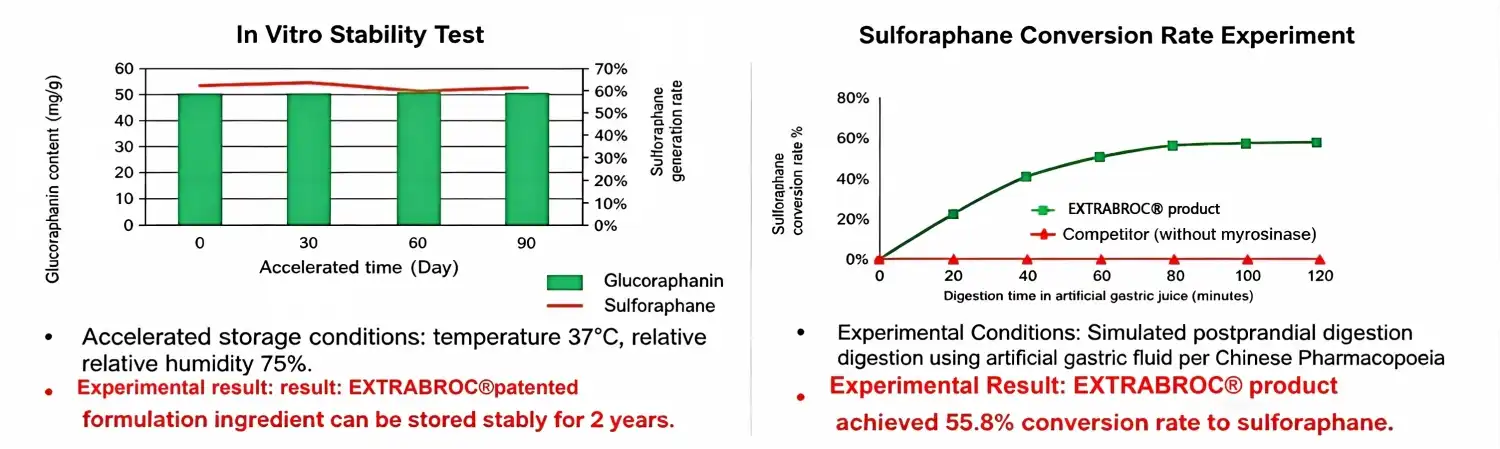
Broccoli sprout extracts often have a wider range of glucosinolates, but they are harder to keep stable and give less consistent amounts of sulforaphane. Water-extracted seed-based extracts that don't leave behind any organic solvents, such as Broccoli Seed Extract 2% Sulforaphane, tend to make a powder that is cleaner and lasts longer on the shelf. A product that can stay stable at room temperature for 24 months is important for world marketing.
How Broccoli Seed Extract 2% Sulforaphane Supports Competitive Product Development?
Regulatory Alignment Across Key Markets
The 2% sulforaphane extract from EXTRABROC® complies with China's New Food Raw Materials regulations, US FDA GRAS status, and USP-NF pharmacopeia standards. These credentials matter because they reduce the regulatory preparation burden for brands entering the US, EU, and Asian markets simultaneously — rather than managing separate compliance tracks per region.
Here are some of the core application advantages this extract brings to product development:
- Anti-aging and longevity supplements: Activates Nrf2-dependent pathways that regulate oxidative stress markers, supporting cellular protection claims backed by clinical data.
- Sports nutrition and recovery: Supports post-exercise inflammation modulation; compatible with protein-based powder matrices without significant odor interference.
- Functional food and beverage integration: The stabilized light yellow powder blends into green drink formulations and capsule fills while retaining bioactivity across a range of pH environments.
- Dermaceutical applications: Applied in anti-aging serums and UV-repair creams, it demonstrates measurable protection against environmental oxidative stress in skin cell studies.
These application pathways give brands genuine room to differentiate — not just in supplement aisles but across cosmeceuticals and functional food categories. For procurement teams, sourcing one certified, multi-application ingredient that performs across formats reduces vendor complexity and per-SKU raw material costs.
Evidence-Based Claims as a Market Differentiator
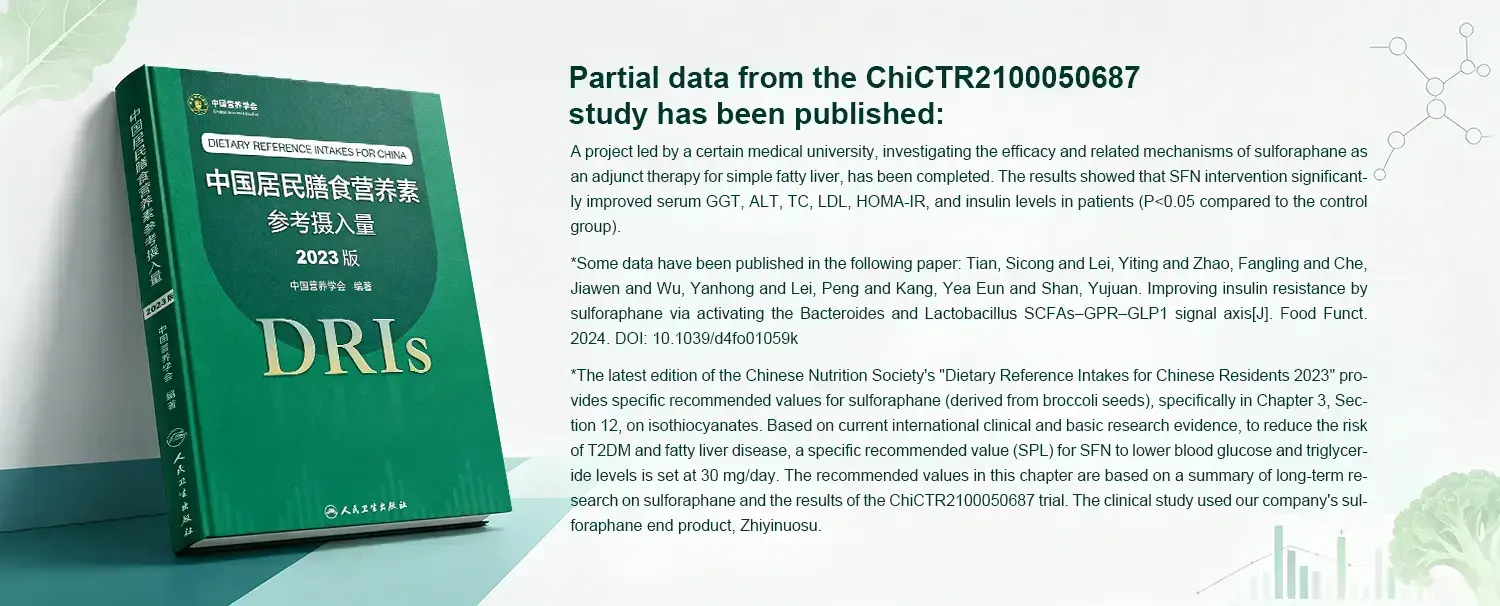
In a market where consumers research ingredients before purchasing, having over 10 completed human clinical trials and real-world studies behind a raw material is tangible marketing capital. Brands can cite that evidence chain in product copy, landing pages, and retail conversations without overstating efficacy. That kind of scientific credibility shortens the consumer trust gap significantly.
Formulation Support Beyond Raw Material Supply
Working with a supplier that provides formulation strategy alongside ingredient supply changes the product development equation. EXTRABROC® offers formula customization — including ingredient content adjustment, dosage form selection, and combination formulations — along with HPLC process and testing support. That reduces the internal R&D workload for brands that lack dedicated laboratory infrastructure.
Procurement Guide: Buying Broccoli Seed Extract 2% Sulforaphane for Global Brands
What Certifications to Require from Any Supplier?
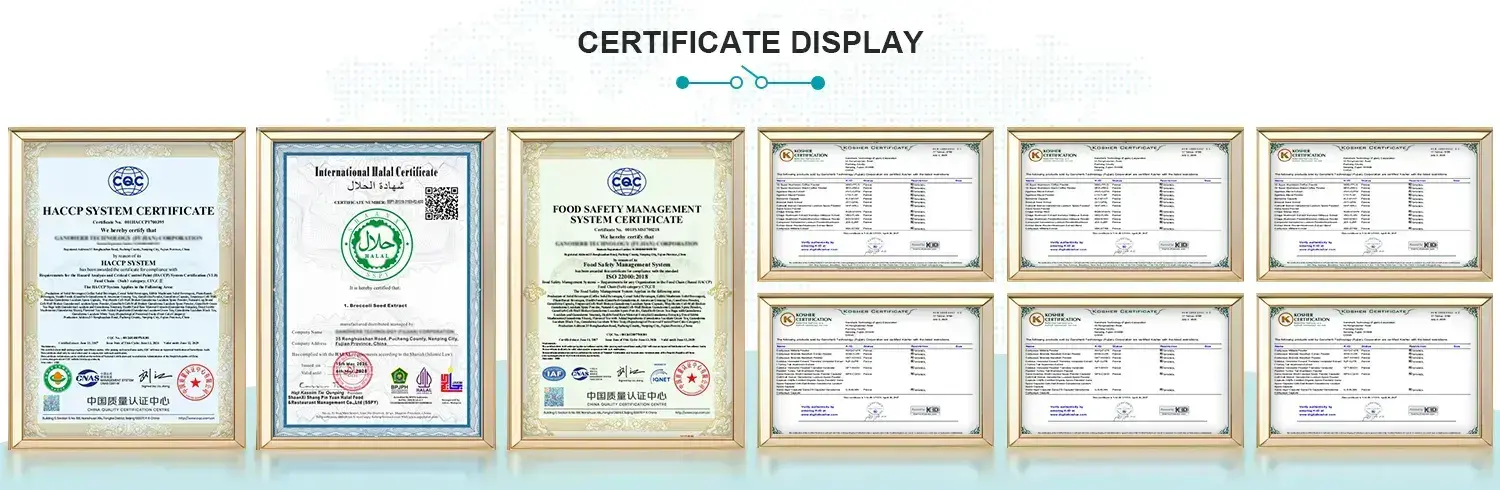
A trustworthy Broccoli Seed Extract 2% Sulforaphane provider should have FDA, GMP, ISO22000, HACCP, and HALAL certifications at the very least. These are not just for looks; they show that the production processes and safety management systems have been checked. No matter how much the seller charges, you should be wary of them if they can't provide up-to-date, verifiable paperwork for each item.
Specification Benchmarks Worth Verifying
It is important for buying teams to make sure that the sulforaphane content is at least 2% by HPLC, that the particle size is at least 90% passing 180μm, that the total aerobic bacterial count is less than 10 cfu/g, and that the inorganic arsenic levels are safe (reference: ≤0.042 μg/g). These numbers show both the safety and usefulness of the floors. A more honest partner is usually a seller who is ready to share all of the COA paperwork without being asked.
Logistics, Volume, and Storage Considerations
EXTRABROC® can consistently make 50 tons of product each year, which means that large orders can be filled without worrying about lead times. The extract ships go by both air and sea. Normal storage needs are to keep things cool, dry, out of the sun, and away from high temperatures. The product's shelf life is two years if it is stored properly, which is a good amount of time for brands to plan their foreign distribution processes.
Leading Broccoli Seed Extract 2% Sulforaphane Suppliers and Brand Trustworthiness
What Separates a Reliable Supplier from a Price-Competitive One?
When it comes to plant ingredients, reliability means that the active ingredients are the same from batch to batch, that the whole process can be tracked from the seed to the finished extract, and that you can provide paperwork that third parties can check. Under one quality system, EXTRABROC® keeps track of every step of the production process, from growing the seeds to water-based extraction, standardization, and final quality assurance. When their own customers or retailers start to ask about where ingredients come from, global brands need that traceability architecture.
Patent Protection as a Quality Signal
Patents are more than just intellectual property; they also serve as outside proof that a process is technically unique and has been checked by separate examination groups. Patents have been issued in China, Japan, and the US for EXTRABROC®'s sulforaphane release technique. That the patent covers three different countries shows that the process is truly unique and not just a general way to extract a product.
In Vivo Performance Data Over Marketing Claims
The in vivo conversion rate of sulforaphane being ≥55.8% with low individual variation is a performance standard that can be measured, not something that is said in advertising. This number, which comes from finished clinical studies, tells formulators that the effective physiological amount can always be reached at the right serving size. That uniformity is very important for brands that want to make dose claims.
Conclusion
Broccoli Seed Extract 2% Sulforaphane standardized to 2% active sulforaphane is a scientifically sound and commercially sensible ingredient choice for global brands making plant extract products that compete. Its Nrf2 activation process, stability at room temperature for 24 months, wide range of uses, and compliance with regulations in multiple markets make it a functionally strong and effectively manageable raw material. It's more than just an ingredient when it comes from a supplier with confirmed certifications, patent-protected technology, and clinical proof to back it up. It's a brand story based on real science.
FAQ
Is broccoli seed extract with 2% sulforaphane safe for long-term use?
Yes. The extract comes from broccoli seeds that are not genetically modified. It is extracted with pure water, leaving behind no chemical solvents. Over 500 tests for pesticides, bacteria, and heavy metals have been passed, and it is FDA and GMP certified. Clinical trials on humans show that it is safe at the doses that are recommended.
How does 2% sulforaphane compare to glucoraphanin-only products?
Bioactive sulforaphane is what you need. Glucoraphanin is the building block that needs to be changed by myrosinase, an enzyme whose activity varies a lot from person to person. The active ingredient is delivered straight by a 2% standardized extract, which leads to more uniform physiological effects.
What is the recommended daily intake for dietary products?
Depending on the health goal, most clinical studies recommend taking 20–50 mg of actual sulforaphane every day. This is equal to 1,000–2,500 mg of a standardized 2% broccoli seed extract.
Does this extract have a strong odor?
The fine, light yellow powder has a mild, distinct vegetable smell. The standardized extraction process cuts down on volatile sulfur compounds by a lot compared to lower-grade preparations. This makes it good for functional food applications and encapsulation.
Can this ingredient support multiple product categories?
Yes. One conforming raw material can be used for anti-aging vitamins, sports nutrition, supporting glucose and lipid metabolism, controlling mood and sleep, weight management, and external cosmetics.
Partner with EXTRABROC® — Your Trusted Broccoli Seed Extract 2% Sulforaphane Supplier
Every B2B partnership with EXTRABROC® for Broccoli Seed Extract 2% Sulforaphane includes 13 years of Nrf2 research, a sulforaphane release system that is protected by a patent, and the ability to produce 50 tons per year. Our High-Efficiency Stabilized Sulforaphane (SFN2%) is approved by the FDA, GMP, ISO22000, HACCP, and HALAL, and it has also been tested on more than 10 people. We provide full traceability from seed to shipment, whether you need large raw materials, help with legal paperwork, or formulas that are made to fit your needs. Visit extrabroc.com or email our team at info@extrabroc.com to ask for a sample or talk about your buying needs.
References
1. Fahey, J.W., Zhang, Y., & Talalay, P. — Proceedings of the National Academy of Sciences, 1997.
2. Kensler, T.W., Egner, P.A., Agyeman, A.S., et al. — Chemical Research in Toxicology, 2013.
3. Houghton, C.A. — Nutrients, 2019.
4. Shapiro, T.A., Fahey, J.W., Wade, K.L., et al. — Cancer Epidemiology, Biomarkers & Prevention, 2001.
5. Dinkova-Kostova, A.T., & Abramov, A.Y. — Free Radical Biology and Medicine, 2015.
6. Bahadoran, Z., Mirmiran, P., & Azizi, F. — Nutrition Reviews, 2013.