How to Blend Astaxanthin Oleoresin into Oil-Based Products
To blend Astaxanthin Oleoresin into oil-based products, I start with a small compatibility trial, confirm the actual astaxanthin assay, and build a premix in a portion of the carrier oil. Next, I add the premix gradually under moderate agitation and keep heat, light, and oxygen exposure low. Then I sample the top, middle, and bottom of the vessel. HPLC testing confirms concentration and homogeneity. This order protects the active compound, improves color uniformity, and keeps dosing accurate. The sections below cover each step, common problems, and the supplier checks that matter for commercial production in the United States.
Why Astaxanthin Oleoresin Needs a Controlled Oil-Blending Process
What Astaxanthin Oleoresin Contains
You can get Astaxanthin Oleoresin directly from the microalgae Haematococcus pluvialis if you want to mix it with oil. There is some free astaxanthin, but most of it is found as monoesters and diesters. It also has a carrier oil and some other natural compounds that aren't very important. Marine Drugs looked at astaxanthin in 2014 and found that air, heat, and light can change it. That's why you need to deal with it. It works well with softgels, supplements, functional foods, cosmetics, and animal feed because it is made from oil. It's not a straight swap from a powder to an oleoresin because oil has its own traits when it comes to spreading, thickening, and getting the right amount.
Define Formulation Requirements Before Blending
What is the finished product, how much do I want to use, how will it be processed, and what are the rules for the market? This is what I do before picking a grade. You need to be able to work with fill oils that work well with softgels. Forms that are made just for cosmetics are needed. For feed, coats need to be even and output needs to stay the same. It changes shape, cost, and use when you add or take away something. As usual, FuYNature charges between 5 and 10 percent for its astaxanthin oil. You can also have the amounts changed to 15% or 20%. To figure out how much to take, never use the name of the product. Instead, always use the amount that the source tells you. At the same time, look at the COA, the carrier oil, the oxidation signs, the contaminant data, the certificates, the allergen status, and the export papers.
Understand Solubility and Carrier-Oil Compatibility
Astaxanthin oil only mixes well with oil and not with water. It can make particles rise, solidify, or change color in an uneven way when mixed with water. For those recipes, they need a slurry or a form that dissolves in water, like the 1% and 2% microencapsulated powder levels. The oleoresin's transport oil needs to match the oil phase of the thing that will be made with it. Check out the differences between polarity, viscosity, reactive stability, taste, smell, and support for control. Before throwing away a whole batch of goods because they settle, separate, lose their color, or change thickness, a small test finds these problems early on.
Step-by-Step Method for Blending Astaxanthin Oleoresin into Oil-Based Products
Prepare Equipment and Precondition the Oil
Make sure that all of the tools are clean, dry, and can be used with each other. Don't shine too much light on the measuring stick either. Astaxanthin Oleoresin oil from FuYNature should be kept in a cool, dry, dark (below 4°C) place that is tightly closed for a long time. Let the sealed jar cool to room temperature before you open it. The vapor won't be able to stick together. If the oleoresin is thick, slowly warm it up to a safe level with indirect heat. Things that are hot can make the color too hot, which can damage it. Before you weigh, write down the batch number and your COA. You can then see where each kilogram came from.
Build a Premix and Add It Gradually
The best way to mix all the colors is to use a mix. While the oleoresin is being stirred, a small amount of the carrier oil should be slowly mixed in. Pour it near the flow instead of dumping it all in one spot. Make sure the base is smooth and free of lines. Finally, slowly add the mix to the rest of the oil. Moving the color around or mixing it in line makes it spread out when the tank is bigger. It's also easier to dose with a premix because it gives you a bigger, easier-to-weigh amount to work with instead of a thick oleoresin. The last thing that needs to be done is an eye test and a normal sample.
Control Heat, Light, Oxygen, and Mixing
As little heat as possible should be used for preheating, mixing, homogenizing, and filling. To set limits, you should use stability tests. If you want to weigh, test, or pack astaxanthin oils without seeing too much color, use a filter or turn down the light. Spend less time in open tanks, use nitrogen to clean out the nitrogen, and cut down on air. Pick carrier oils that don't have a lot of peroxide in them. Only add antioxidants when the rules let you. When you mix something without adding air, heat, or swelling, it should become the same. Make sure you try each step on a large scale because what happens in the lab doesn't always have a clear effect on the end result. First, mix a small amount in the real pot. Then, use a bench test to find out how long it takes.
Verify Quality and Solve Common Blending Problems
Verify Blend Uniformity and Concentration
Make sure the spread is even in the industrial batches. Take samples at the beginning and end of the transfer, as well as from the top, middle, and bottom of the jar. Check out the color, the mass, and the peroxide number on the HPLC test for Astaxanthin Oleoresin. The estimated concentration and the lab report should match. If they don't, it means that the sample was moved, weighed, or taken incorrectly. As the test method for FuYNature, HPLC is written on the checks, so they will be written in a way you are already used to. Take some of each group for yourself. This also speeds up the process of finding deviations.
Run Stability Studies
Study that are done quickly and in real time will show if the blend works. Watch how long the color lasts, how it smells, how the stages split, how it settles, how thick it is, and how much peroxide it has while it is being stored in real life. You can keep an FuYNature astaxanthin oil bottle locked, below 4°C, out of the light, and dry for 24 months. The oil will stay fresh. The way the oils are mixed and packed makes the blend last longer. The study results can help you decide on headroom, the opacity of the container, and the temperature of the building. Don't guess based on another product.
Fix Common Blending Problems
The oil doesn't mix well, the temperature is wrong, there isn't enough moving, or air gets in. These are the main reasons why things go wrong. To get streaky color, you often need a premix that is less concentrated, mixing that lasts longer, or better recycling. You can see that the carrier and oil can mix through sedimentation and phase separation. Instead of putting more stress on them, you should look at how they store. What can oxidize something? Light, heat, air, or bad oil can. This can fade the color, make it smell worse, and raise the peroxide level. Stickiness can often be fixed by preheating in a controlled way, diluting well, or making changes to the pump and moving line. Oils and powders don't work the same way, so don't use what you know about powders to judge oils.
Application-Specific Formulation Considerations
Softgels and Dietary Supplements
When you make softgels, you need to make sure that the Astaxanthin Oleoresin works with the fill oil, the pill shell, the amount you want to give, and how stable it is against oxidation. Softgels that have astaxanthin oil, lutein, zeaxanthin, or fish oil in them are most often used. The 5% grade is most often used for softgels and vitamins, while the 10% grade is best for high-end, more concentrated recipes. 2% and 3% grades work for additions that need to save money. Labels on pills in the US have to follow rules about what they can say. To follow these rules, don't say that your work can fix diseases. Instead, talk about how it works and how it is structured.
Functional Foods and Cosmetics
It's important to learn more about how functional foods and drinks made from oil look, taste, smell, feel in the mouth, and emulsify, especially when water is added. Makeup artists need to know how to work with silicones, waxes, esters, creams, serums, and parts that move. To take care of your skin, vitamin serums, creams, and face masks can all use microencapsulated powder or oils. Early on, check the end color because the deep red can change the base color. This market has rules about how claims about cosmetics must be written.
Aquaculture, Feed, and Pet Nutrition
It is fed to chickens, salmon, and ornamental fish to help them stay healthy and keep their colors. A company that makes feed should check how stable the covering is while it's being stored, how well it holds up after being made or dried, and how thick it is. The oil is fluid, which makes it easy to move and handle. But you should still check your own line. Pure astaxanthin is also used in high-quality cat food and vitamins. Follow the rules for the destination market for each grade, dose, handling situation, and claim. The provider should be able to show proof that they did this.
How to Choose a Supplier and Control Production Quality
Supplier Selection Criteria
Price is not the only thing to think about. Look at the paperwork, read it carefully, and think about how much it will hold over time. Ask the company where the Astaxanthin Oleoresin comes from, how it is removed, what kind of carrier oil it uses, how much of it it has, and what those profiles are. It matters more how much active astaxanthin costs per unit than how much oleoresin costs per kilogram. Check to see if you can keep track of batches, if COAs are available, what the minimum order quantity is, how long the lead time is, how the products are packed, if they have any certifications, and how long the company has been exporting. Samples and test runs are good ways to make sure the app works well before you agree to a long-term deal.
What FuYNature Haematococcus pluvialis Extract Offers
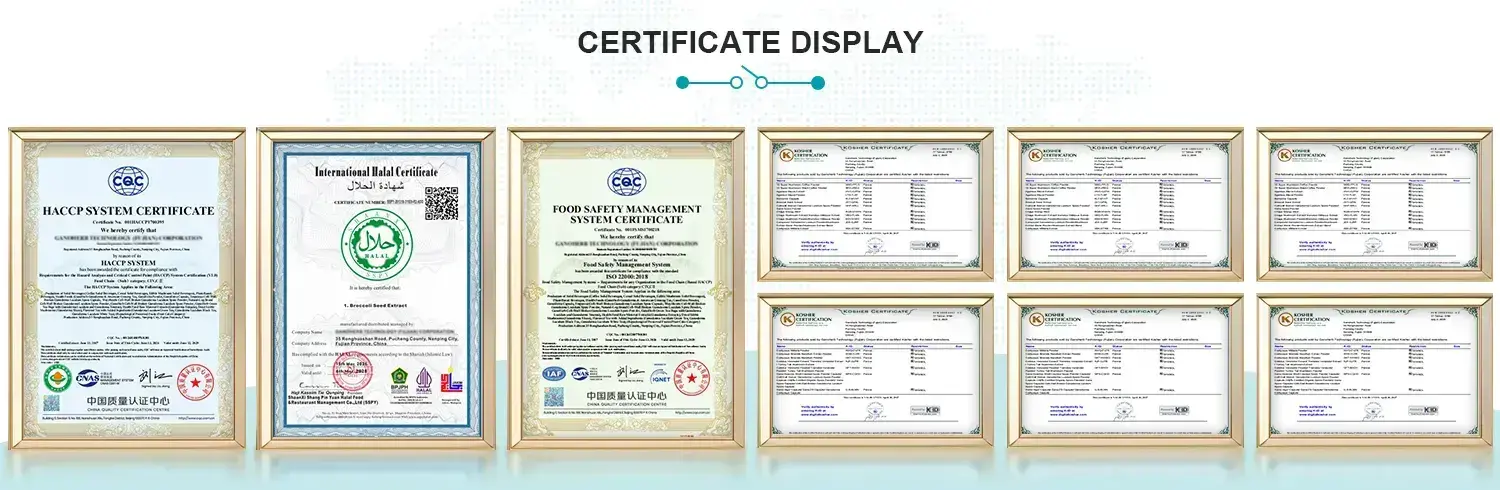
In 2012, four PhDs led an R&D team that turned into a national high-tech business. FuYNature is sold all over the world by this business, Hefei Fushan Yuansheng Biotechnology Co., Ltd. We used a piece of Haematococcus pluvialis that was from China. The HPLC test showed that the oil is dark red and has at least 5% astaxanthin, which is 10%. You can keep it for 24 months. It is safe for bacteria and has FSSC22000, HACCP, HALAL, and Kosher licenses. Breaking down the cell walls of dried algae powder that was grown in a sealed glass pipe with pure water doesn't add anything else. This makes the liquid very clean, smooth, and doesn't leave much behind. Everything can be tracked, from the seed to the finished result. Every year, it can grow up to 100 tons of food. We can help with shipping goods by sea or air.
Practical Quality-Control Checklist
A plan makes things that need to be done into things that can be done over and over. Before you start mixing, make sure you know the current proof of approval (COA), the batch number, the source of the astaxanthin, whether the carrier oil and astaxanthin can be mixed, the concentration you want to reach, how clean the equipment is, and the limits of the processing. While you're making something, write down temperatures, weights, mixing speeds, adding steps, holding times, and any notes you make at the time. Don't add too much air either. Find different kinds of the mix to check its color, look, rust, and consistency. Check out the saved notes, spaces, samples, and packages. Our team can also help with testing and changing the recipe for HPLC. Buyers can be sure that the list they make meets the needs this way.
Conclusion
When adding Astaxanthin Oleoresin to oil-based goods, it's best to think about how well they work together, how they should be handled, and how they should be confirmed at every step. Users should use the real assay to find out the amount. And they should first do a small test to make sure that the oil phase and the carrier oil work well together. The color and amount are more exact when the premix is added slowly while being stirred around a bit. Low heat, little light, and little oxygen protect this compound. HPLC analysis, stable studies, and tests done at more than one point have all shown that batches don't change over time. Hardgels, foods, makeup, and feed are all different and need different things. Making things is less risky when suppliers give clear paperwork and goods can be tracked back to where they came from.
FAQ
Can Astaxanthin Oleoresin go into water-based products?
Not right away. That is not true at all. For recipes that need water, you need to mix, encapsulate, or use a powder that is microencapsulated and breaks down in water.
What temperature should I use for blending?
This mix does not work at the same temperature. Find the coldest setting that will still let the things move around and mix well. Make sure that temperature stays the same to be sure it's the right one.
How do I calculate the addition rate?
Here's what you need to do: divide the amount of astaxanthin that was asked for by the amount that was confirmed on the COA. A 5% oil has 50 mg of astaxanthin per gram.
What documents should I request from a supplier?
You should ask for the export papers, the safety data, the source statement, the contaminant reports, the licenses, the information on stability, and the certificate of authenticity.
CTA: Request an Astaxanthin Oleoresin Sample and Technical Specification from FuYNature
Are you ready to see how Astaxanthin Oleoresin works in your oil mix? Get in touch with Hefei Fushan Yuansheng Biotechnology Co., Ltd. to learn more about FuYNature Haematococcus pluvialis extract, which comes in two strengths: 5% and 10% astaxanthin. Astaxanthin Oleoresin is what we sell. We can send you samples, COAs, specs, help with HPLC tests, and change the formula if you need it. Email info@extrabroc.com with your application, goal dosage, and number. You can also go to extrabroc.com to find out more.
References
1. Marine Drugs, 2014 – Ambati et al., "Astaxanthin: Sources, Extraction, Stability, Biological Activities and Its Commercial Applications—A Review"
2. Molecular Nutrition & Food Research, 2011 – Yuan et al., "Potential Health-Promoting Effects of Astaxanthin: A High-Value Carotenoid Mostly from Microalgae"
3. Critical Reviews in Food Science and Nutrition, 2006 – Higuera-Ciapara et al., "Astaxanthin: A Review of Its Chemistry and Applications"
4. Frontiers in Plant Science, 2016 – Shah et al., "Astaxanthin-Producing Green Microalga Haematococcus pluvialis: From Single Cell to High Value Commercial Products"
5. Marine Drugs, 2020 – Martínez-Álvarez et al., "Recent Advances in Astaxanthin Micro/Nanoencapsulation"
6. Phytotherapy Research, 2019 – Brendler and Williamson, "Astaxanthin: How Much Is Too Much? A Safety Review"