How to Store Broccoli Seed Extract 13% Glucoraphanin to Preserve Quality
To store Broccoli Seed Extract 13% Glucoraphanin properly, keep the powder in a cool, dry place away from light and high temperatures, inside sealed moisture-barrier packaging. Close each opened container right after use, record the opening date, and rotate stock by expiry date. For EXTRABROC®, we state a two-year shelf life when you store the powder properly. Heat, humidity, oxygen, and repeated opening are the main threats to assay accuracy and powder flow. This guide explains each risk, shows practical handling steps for supplement manufacturers, and lists the documents buyers in the United States should request before ordering.
Understand the Main Quality Risks Affecting Broccoli Seed Extract
How Moisture and Humidity Change the Powder
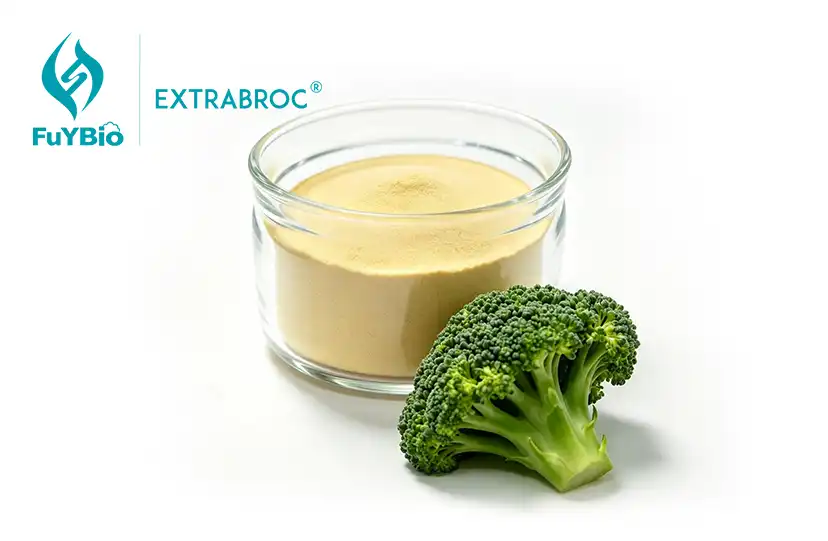
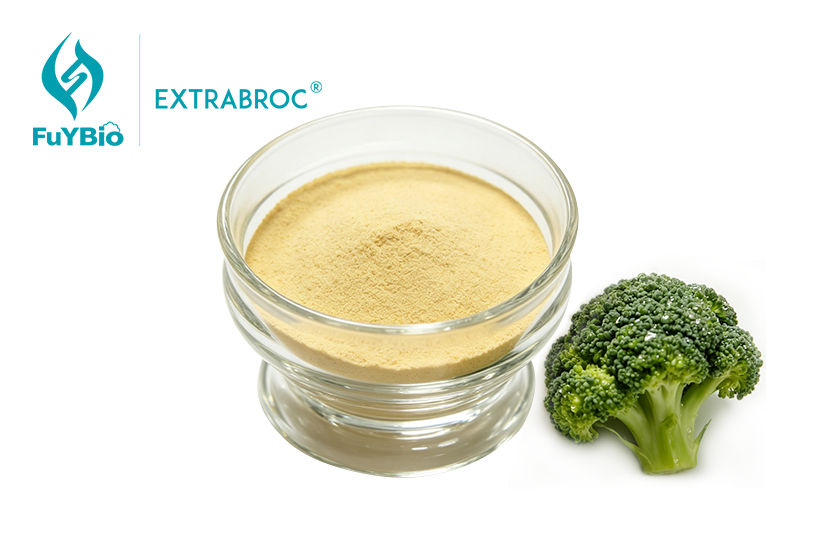
Water is the first thing I look for in a plant extract powder. When a cover breaks, a fine powder can take in water vapor from the air in a building. Because of this, hoppers and tools that hold things get cakes, lumps, and bad flow. Small living things can also grow more quickly when there is more water. The fine, light yellow powder is called EXTRABROC®. At least 90% of it can pass through a 180 μm sieve, so it's easy to fill up as long as it stays dry. If the weather changes quickly, the inside of a bag might get wet. This can be useful as a hidden water source. That's why I tell people who buy hot or cold boxes not to open them until they are room temperature.
Heat, Light, and Oxygen Exposure
It is still important to keep glucoraphanin at the right temperature, even though it is more stable than sulforaphane. Any plant powder that stays hot in a building, a box, or a transport truck for a long time will lose its quality faster. The EXTRABROC® package says that it should be kept somewhere cool and dry, away from light and heat. Light and air stress things out in a way that builds up over months, so dark, sealed packaging is best. Also, our tests show that it can work for short periods of time in temperatures as high as 80°C. On the other hand, that temperature range is for short work steps, not for a warehouse. When kept in the right way, the item will work the same way for 24 months at room temperature. The temperature inside the pack is also less likely to drop if it stays the same.
Contamination and Packaging Damage
Cleansers, water, and things that smell strong shouldn't be near plant seeds. When boxes fall, hit each other, or sit under big loads, even sealed bags can get holes or smells. The powder can get dust and air because the cover is torn. Before we treat the material, we get rid of impurities that are bad for it, like allyl isothiocyanate. Besides that, we keep full records from the seed to the finished batch. It's still not possible to fix a bag that has been on a wet dock for weeks. I think you should check each box as it comes in and keep any that are broken until the quality staff can look at them.
Recommended Storage Conditions and Packaging for Glucoraphanin Extract Powder
Set Up a Cool, Dry, Light-Protected Storage Area
The first and most important thing to look at is the level of service. It is simple to keep EXTRABROC® Broccoli Seed Extract 13% Glucoraphanin inside. Put it somewhere cool and dry, away from light and heat. That really means a clean room with lots of airflow and boxes that are off the ground and away from walls, doors, windows, water pipes, and things that heat up. Do not put the extract near things that are wet, smell bad, or have chemicals in them. Make sure you know what temperature range, highest humidity, and short-term exposure an item can handle before you ship it. The service company can tell you these things. Number loggers let you keep track of things and give authorities a full account if they ask.
Choose Packaging for Bulk Orders
Because of this, packaging is the first thing that keeps out things like air, water, light, tears, and holes. Plant powders are often stored in sealed plastic bags, food-grade cases, fiber drums, and outer boxes with extra support. What to do is based on the market's rules, the size of the package, how long it needs to stay fresh, and the route. If you're in the US, make sure the pack can handle air freight, sea freight, seasonal temperature changes, and possible delays at customs. We can talk about the different kinds of packaging that will work with your warehouse and the time you have to make EXTRABROC®. It can be sent by sea or air. Make sure you know what kind of pack it is before you place your order. That way, people who get it will know what to expect.
Handle Opened Containers Carefully
It starts to pick up moisture as soon as you open the bag. Get scoops that are dry and clean. Take out what you need, press out the extra air, and then put the lid back on right away. On both the batch log and the container, write down the date it was opened. Place some of the powder in a smaller jar that can be sealed. This will allow you to use it over a few weeks. It will not let in as much air. Opened bags shouldn't be kept near steam, liquids, or open mixing tanks at work. In many plants, things that have been opened don't last as long as things that haven't been opened, which is two years. They should decide on that time frame based on their own data.
How Storage Affects Glucoraphanin, Myrosinase, and Sulforaphane Potential
Glucoraphanin Content Is Not Sulforaphane Content
Glucoraphanin is a naturally occurring glucosinolate that can be converted into sulforaphane through enzymatic activity. When sourcing Broccoli Seed Extract 13% Glucoraphanin, buyers should understand that a product standardized to 13% glucoraphanin is not the same as an extract containing 13% sulforaphane. Glucoraphanin is a precursor compound, while sulforaphane is its conversion product, and the two should never be treated as interchangeable on product labels or technical specifications. Compared with ready-made sulforaphane, Broccoli Seed Extract 13% Glucoraphanin can offer formulators a more stable starting ingredient under appropriate storage conditions, although stability depends on the formulation, packaging, and handling requirements. EXTRABROC® uses HPLC testing to verify that its Broccoli Seed Extract 13% Glucoraphanin meets the specified glucoraphanin content of at least 13%. Its sulforaphane conversion process achieves a conversion rate of at least 55.8% under the stated test conditions, helping manufacturers evaluate the ingredient's potential performance. When comparing suppliers of Broccoli Seed Extract 13% Glucoraphanin, buyers should review the certificate of analysis, analytical methods, glucoraphanin content, and conversion data to ensure that the reported values are clearly defined and supported by testing. Keeping the precursor and its conversion product distinct in product labels, formulation records, and warehouse specifications is essential for accurate quality control. By selecting Broccoli Seed Extract 13% Glucoraphanin with transparent documentation and reliable testing, manufacturers can improve ingredient traceability and make better-informed formulation decisions.
Reduce repeated keyword usage. Clarify the 55.8% conversion claim
Why Myrosinase Matters for Storage Planning
Myrosinase is an enzyme that changes glucoraphanin into sulforaphane. In 2015, a study published in PLOS ONE found that foods high in glucoraphanin needed myrosinase to be active in order for sulforaphane to be available. This study talks about why different types of extracts need different ways to keep track of them. A lot of glucoraphanin powders that are all the same don't have any enzymes that can be used. Some things depend on the fact that it's natural or has it in them. If there is water in the mix, the reaction can start early, so the humidity may need to be better controlled. How did the team check to see if the extract has myrosinase that works? Be sure to ask the seller this before you decide. When you should use the other forms, you shouldn't use broccoli seed extract, sprout extract, powder, or liquid form.
Test Raw Material and Finished Products Separately
It doesn't mean that the pill, tablet, or drink will be stable just because the raw material is stable. This could happen if the drink is hot from being compressed, if it has water in it, or if the pH is too low. You should first choose what you want to do: stop the glucoraphanin test, keep the enzymes going, or help the end result make more sulforaphane. Then, make plans to check how stable the powder as a whole is and how stable each full form is. ICH Q1A(R2), which came out in 2003, talks about both short-term and long-term stability tests for drug chemicals. Supplement teams can use this method as a guide. It is always better to believe data that is specific to a use case than opinions that are based on a lot of facts.
Storage and Handling Procedures for Supplement Manufacturers
Inspect and Test Every Incoming Lot
The receiving dock is where the written steps should begin. Look at the quality of the packaging, the seals, the lot numbers, the dates it was made and when it goes bad, the smell, any lumps that you can see, and how the food was moved. The 2007 U.S. FDA's Rule 21 CFR Part 111 says that companies that make food supplements must keep their ingredients at the right temperature, humidity, and amount of light. There may be identification checks, moisture checks, microbial limits, heavy metal checks, and glucoraphanin checks when goods are put into testing. This is based on your market. To sum up, it says there are 0.052 mg/kg of solid arsenic and 280 cfu/g of aerobic bacteria. This is a good place to start if your team wants to compare batches.
Rotate Stock and Keep Batch Records
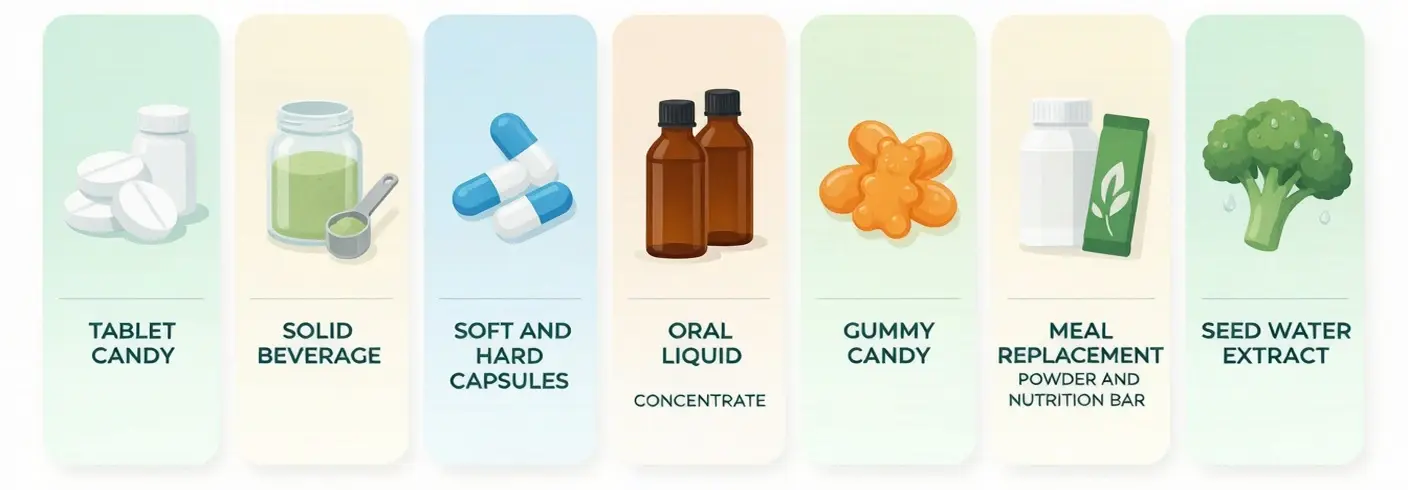
You can move your goods around using either FIFO or FEFO, but the older lots should leave the building first. Since they only last two years, it's best to ship the things that go bad first. Write the lot number, the amount left, the opening date, the expiration or retest date, the location, and the status of the release on each vessel. Each lot sold should be linked to the goods that were made with it in batch records. You can follow EXTRABROC® from the seed to the finished product. This makes it easy to show this link when complaints or reports are being looked at. When you're making drinks, pills, or tablets, you need to think about how the ingredients are mixed, how long they are exposed, and how safe the room temperature is. Since our powder has a bulk mass of 0.40 to 0.60 g/ml, smooth flow also helps cut down on filling waste.
Run a Practical Warehouse Checklist and Avoid Common Mistakes
It's simple to check every day, every week, and for each group. The staff writes down the temperature and humidity and then checks for pests, packages, and clumps. When teams receive goods, they keep track of things like water damage, the condition of the pallets, and changes in temperature. Also, packages that are out in the open are put in a separate area until they can be checked by quality staff. Most people mess up when they store food in a warm or damp place, when they open bags without closing them, when they don't watch how the food is moved, when they mix vegetable extracts, and when they only look at the expiration date. The risk goes up when packages are held at the port, customs delays happen, or the packages are hot. If you're going on a long trip, ask for shipping records. In 2009, the journal Molecular Nutrition & Food Research published a study that looked at how storage and treatment can change the amount of glucosinolates in Brassica spp.
Quality Documents and Supplier Selection for Long-Term Storage
Documents to Request Before a Bulk Order
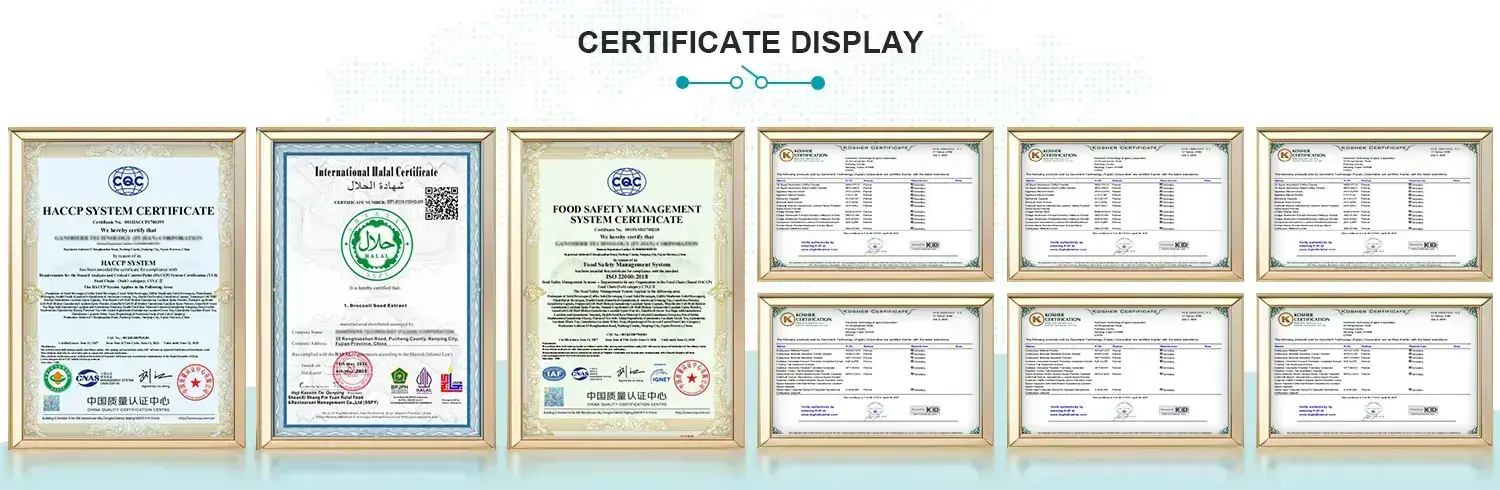
When sourcing Broccoli Seed Extract 13% Glucoraphanin, request an up-to-date specification sheet and a batch-specific certificate of analysis (COA) that clearly identifies the glucoraphanin assay method, lot number, manufacturing date, expiration or retest date, appearance, moisture content, microbiological results, and heavy metal levels. For Broccoli Seed Extract 13% Glucoraphanin, stability documentation is equally important because it helps manufacturers determine appropriate storage conditions and product shelf life. Ask the supplier to specify the shelf life of unopened packaging, recommended temperature and humidity ranges, handling procedures after opening, and any available real-time or accelerated stability study results. Depending on the target market and intended application, additional documentation may be required to support food ingredient compliance, botanical ingredient status, allergen declarations, non-GMO claims, or statements concerning residual chemical contaminants. Suppliers of Broccoli Seed Extract 13% Glucoraphanin should provide relevant documentation that supports the product's quality, traceability, and regulatory suitability. For example, EXTRABROC®'s manufacturing partners maintain GMP, ISO 22000, HACCP, and Halal certifications, while the raw materials are described as meeting applicable FDA GRAS and USP-NF requirements. Buyers should verify the exact scope and applicability of these claims for the specific product and intended market rather than assuming that every certification or regulatory status automatically applies. A comprehensive testing program for Broccoli Seed Extract 13% Glucoraphanin may include hundreds of quality and safety parameters, covering heavy metals, microorganisms, pesticide residues, and other relevant contaminants, depending on the applicable standards. If samples have already been approved, your quality assurance team can use them as reference materials when reviewing the first production batch. By checking the documentation and testing results for Broccoli Seed Extract 13% Glucoraphanin before shipment, buyers can reduce quality risks, improve supplier accountability, and establish a more reliable procurement process.
Compare Value Beyond Price per Kilogram
As a whole, glucoraphanin might not cost very much, but each gram might cost more. It might be easier to put on the label claims for a 13% product that shrinks pills or tablets, makes them easier to ship, and gives more accurate counts. There is a 13% powder that you need 770 mg of to get 100 mg of glucoraphanin. Different types of powders and liquids need different amounts of water, space, and time to stay fresh on the shelf. It is not enough to pick normal, organic, food-grade, or drug-grade products. You should also think about your market and your goal. When you look at different providers, you should think about things like how accurate the assay is, how well they follow GMP, how much paperwork they need, how long the wait time is, what packaging options they offer, and how much experience they have with exporting.
Why EXTRABROC® Suits Storage-Sensitive Projects
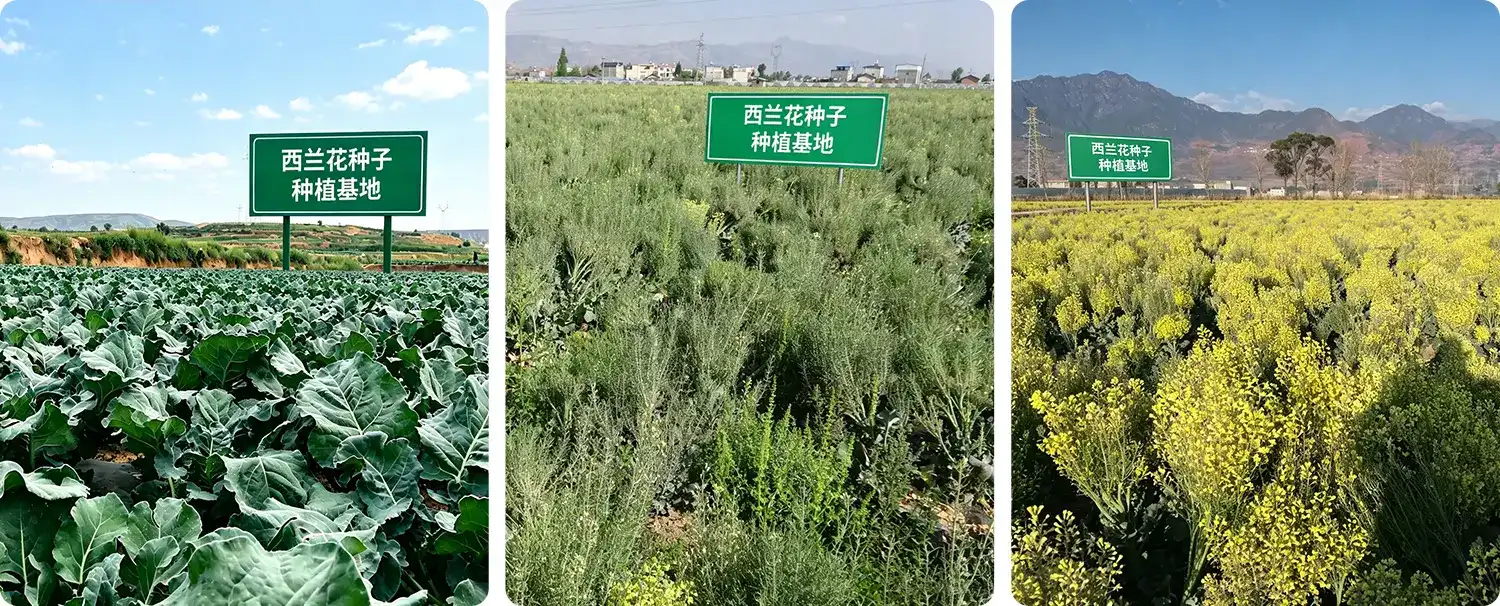
Nrf2-based functional diet has been the focus of our R&D for 13 years. Seeds are cultivated in soil to naturally accumulate nutrients, following the development philosophy of medicinal botanicals for hospital applications. All materials for EXTRABROC® are non-GMO, and the production process uses only water with no organic solvents applied. The company has completed more than 10 human clinical studies. The ingredient maintains consistent quality for a minimum of 24 months under proper storage. Relevant innovations are under patent prosecution in the United States, with granted patents in Japan and China. The production facility has an annual capacity of up to 50 tons to support large-volume orders. For qualified volume purchases, we can also support formula adjustment, patent licensing, joint technical development and HPLC testing services.
Conclusion
The way that Broccoli Seed Extract 13% Glucoraphanin is stored keeps its test accuracy, powder flow, appearance, and shelf life. Water, heat, light, air, pollution, and damage to the packaging are the main things that can go wrong. If you keep the area cool, dry, and out of direct sunlight and use packaging that keeps water out, you can avoid most of these. After a package is opened, it needs to be quickly sealed again, and records with marks need to be kept. The myrosinase state should be checked on both the raw materials and the finished goods so that buyers are sure they get the right sulforaphane and glucoraphanin. To keep the standard the same for two years, there are one-time checks, FEFO cycle, batch records, and a simple plan for storage. Users can look at more than just price when they compare companies with the help of fact sheets, COAs, and security data.
FAQ
Should I refrigerate Broccoli Seed Extract 13% Glucoraphanin?
The EXTRABROC® powder should be kept somewhere cool and dry, away from light and heat. When cold bags meet warm air in a fridge, condensation can form. If your quality team doesn't have data to back up what the standard says, you should still follow it.
How long does the powder keep?
Don't open the powder for two years and keep it somewhere cool and dry. Things need to be used right away sometimes after they've been opened. This is something that your quality team should decide based on its own experience.
Is 13% glucoraphanin the same as 13% sulforaphane?
Not at all. It is not possible to make sulforaphane from glucoraphanin. It is made by enzymes instead. Find out from the source if the extract has active myrosinase. Based on what they say, you can plan how to store and name it.
Which documents should I request before ordering?
To reach the market you want, you should ask for the specification sheet, a batch COA, data on stability, test reports for contaminants, and paperwork from the government. These things have already been checked by the service provider, but your team still needs to check them.
CTA: Request Storage Guidance and a Sample of EXTRABROC® Broccoli Seed Extract 13% Glucoraphanin
When sourcing Broccoli Seed Extract 13% Glucoraphanin, you need a supplier who provides clear storage protocols. Our R&D into Nrf2-focused functional nutrition spans 13 years. EXTRABROC® is a non-GMO water-soluble powder with an annual production capacity of up to 50 tons. Email mailto:info@extrabroc.com with your requested lead time, packaging format, intended application and target market to receive a sample, specification sheet, COA and quotation. For further information, please visit extrabroc.com.
References
1. PLOS ONE (2015): Sulforaphane Bioavailability from Glucoraphanin-Rich Broccoli: Controlled by Active Endogenous Myrosinase.
2. Cancer Prevention Research (2011): Bioavailability of Sulforaphane from Two Broccoli Sprout Beverages: Results of a Short-Term, Cross-Over Clinical Trial in Qidong, China.
3. Molecular Nutrition & Food Research (2009): Glucosinolates in Brassica Vegetables: The Influence of the Food Supply Chain on Intake, Bioavailability and Human Health.
4. Journal of Medicinal Food (2019): Isothiocyanate from Broccoli, Sulforaphane, and Its Properties.
5. International Council for Harmonisation (2003): ICH Q1A(R2) Stability Testing of New Drug Substances and Products.
6. U.S. Food and Drug Administration, Federal Register (2007): Current Good Manufacturing Practice in Manufacturing, Packaging, Labeling, or Holding Operations for Dietary Supplements, 21 CFR Part 111.