Haematococcus Pluvialis Astaxanthin Powder: Dispersibility in Formulas
Haematococcus Pluvialis Astaxanthin Powder disperses well when you match the powder format to your product, wet it in a compatible oil or emulsifier, and add it slowly under controlled mixing. Because astaxanthin loves oil, standard grades disperse in water rather than dissolve. Particle size, moisture, carrier, pH, and heat all shape the result. I wrote this guide to help US formulators and buyers compare formats, avoid common mistakes, and qualify a supplier with confidence. Let's start with the basics.
Understanding Haematococcus Pluvialis Astaxanthin Powder and Its Dispersibility
What the Ingredient Is
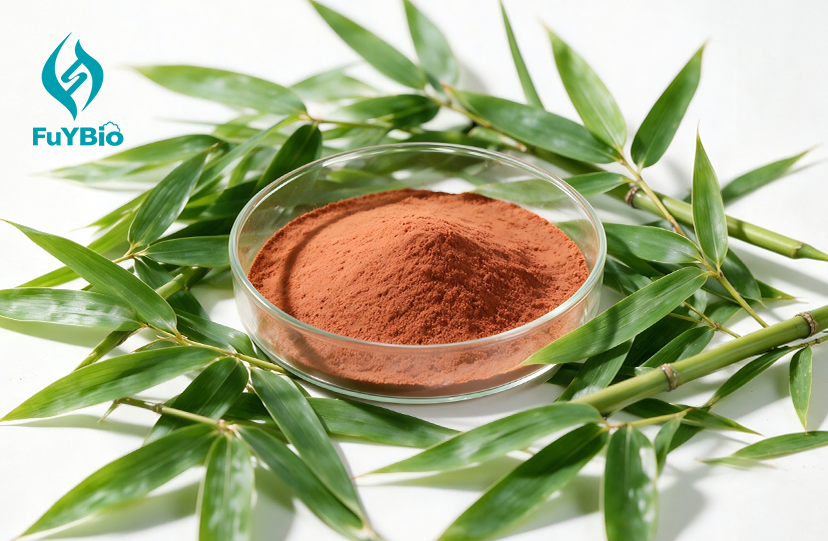
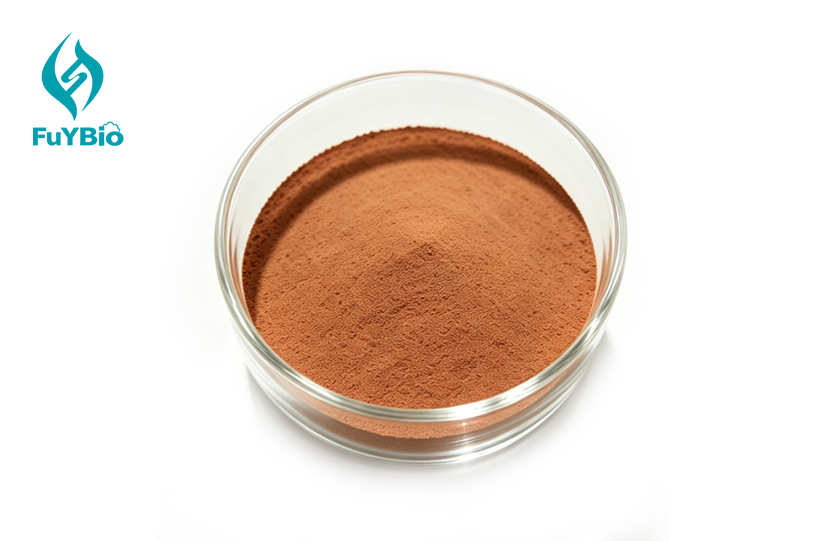
Astaxanthin is the name of a red xanthophyll made up of carotenoids. It is made by a microalga named Haematococcus Pluvialis Astaxanthin Powder. They believe this is one of the best native sources. When cells are under a lot of stress, like when there is too much light or not enough food, it turns them red. That's why the end powder is a medium to dark red color. There are a lot of astaxanthin esters in this algae. This means that it links to fatty acids. This trend is talked about in two reviews, one in Marine Drugs and one in Frontiers in Plant Science. Based on the HPLC test, the amount of astaxanthin in our powder is between 2% and 6%. It's a fine, dark red powder.
Dispersibility vs. Solubility
A lot of people mix these up. It is possible for particles to move through a liquid without getting stuck and stay spread out for a long time. When something is soluble, its molecules break down into a clear liquid. It breaks down in fats but not in water because it is lipophilic. This means that regular powder doesn't break down in water; instead, it spreads out. The third idea is bioavailability. This word refers to how much of the active ingredient the body takes in. For a clear sports drink, you need a different shape than for a softgel fill. Before you choose a grade, you should decide which goal is most important to you: impermeability, solubility, or stability of suspension.
Main Causes of Poor Dispersibility
When spread is bad, more than one thing is usually going on. Things that are big or not round fill up slowly and quickly settle down. It's hard to spread powder out again after it gets wet. When you carry something, it changes how it looks, tastes, moves, and dries. Carotenoids can also be less useful if they are exposed to too much heat, air, light, or a pH that is too low. Ocean Drugs, a journal from 2014, says that astaxanthin is affected by many things, such as oxygen, heat, and light. Find out how big the particles are and how much water is in a sample before you trust it. It's not enough to look good on the bench or have a jersey number.
Improving and Verifying Dispersibility in Real Formulas
Mixing and Addition Strategies
I split up into two groups to mix things up. Pills and dry mixes should be made with shape reduction. Every time you make twice as much, mix the Haematococcus Pluvialis Astaxanthin Powder with the same amount of the excipient. Lessens the gap and makes everything more even. Before adding the powder to a liquid or mixture, you should wet it with an oil or lubricant that works with it. Then stir it in slowly while you add it. After that, you can blend the pieces to make them spread out evenly. Too much energy, heat, or air can hurt carotenoids, but a lot of flow is good. Start by making a test batch. Write down the steps, temperature, time, pressure, and order of each one. A lot of the time, small changes made at the bench level have big effects at the plant level.
Choosing Between Powder, Oil, and Microencapsulated Formats
A lot of the time, the structure can stop a growing problem before it even starts. Haematococcus Pluvialis Astaxanthin Powder is what it is. You can get it as oil (2%, 3%, 5%, or 10%), fine powder (≥2%, ≥3%, ≥4%, ≥5%, or ≥6%), or microencapsulated powder (1% or 2%). The oil can be used with both softgels and oil-phase drugs. It works well when the powder is thick, like in hard candies or drinks that don't melt. A study published in 2007 in the Journal of Food Science says that lipophilic actives need something to hold them in place in foods that are made with water. A review that came out in 2020 in Marine Drugs says that astaxanthin can stay stable if it is wrapped up. The amount of all-trans isomer in the oil can be 5%, 10%, 15%, or 20%. The ratio can go from 70% to 85%.
Testing Dispersibility Before Scale-Up
Tests take ideas and turn them into facts. When I get off the bench, I check the wet time, the repair time, the sedimentation rate, and the re-dispersion. I also look for groups, bits that float, ring marks, and color that isn't even. Particle size, turbidity, viscosity, droplet size, zeta potential, and accelerated stability may all need more of the following in order to be finished. Check with the seller to make sure that the terms they used are the same as yours. Also, don't be shy about asking if the data they gave you was from a finished product or raw powder. You should use the same set of rules to compare each person. Reading claims from different suppliers next to each other doesn't work as well this way.
Stability and Application Fit for Astaxanthin Powder
Stability and Storage
Oxygen, heat, light, water, and the wrong pH can all change natural Haematococcus Pluvialis Astaxanthin Powder. It also slows down flow when there is water because it clumps up and takes longer to spread out again. Our things need to be kept in a cool, dry place that is out of the way of light and high heat in a container that can't be opened. To keep it for a long time, keep it below 4°C. You can keep it for 24 months if you keep the box it came in locked. Solid packaging that keeps air out can be safer. But you should still check that the whole recipe is stable, not just the part you're using. Know how the things will be sent and how long you have to test them again.
Supplements and Beverages
Next, make a plan for how you'll take your medicine. Supplement makers should check the powder's flow, uniformity, active concentration, and ability to fit into the structure. This oil is often mixed with lutein, zeaxanthin, or fish oil in softgels. People put this very fine powder into crushed candy. It can also be mixed with vitamins or grape seed extract. The microcapsule structure can also be used for solid drinks, like stick packs and big powder types. Let the drink sit in water for a while, then sip it. It will be very clear after this. A stronger mix will break it up if you add more mass. It will be easy to mix in small amounts if you add less mass. Food supplements shouldn't be said to be able to make you sick.
Skincare, Feed, and Other Uses
The people who work in skin care should check the color strength, smell, fit for oils, and resistance to rust. We sell oil and microencapsulated powder that work well with masks, serums, and creams. They have to follow the rules for cosmetics when they say what they are. Astaxanthin is used to look into skin health, according to a 2018 study published in the journal Nutrients. It is added to salmon, chicken, and decorative fish food to make the meat taste better and the fish look better. It's also in pet food. You shouldn't mix up the grades for food, cosmetics, and feed. Check each mark and the papers that go with it. Astaxanthin from seaweed, astaxanthin made in a lab, and krill oil are all different. To tell them apart, look at the paperwork, the ingredients, and how well they fit into a recipe.
Sourcing Haematococcus Pluvialis Astaxanthin Powder: Manufacturing and Buying Guide
From Algae to Powder
Our Haematococcus Pluvialis Astaxanthin Powder grows in clean water that is pumped through glass that is shut tightly. There is nothing else in the dried algae powder, so it is as clean as 99%. We make sure that every batch is good, from the seed to the finished product. To get astaxanthin back, cells need to be collected, dried, and broken up. The astaxanthin has a tough cell wall that makes it hard to get out. When you mix, dry, or grind the material later on, you need to look at the form, particle size, color, and how wet the material is. You can keep track of any maker and get batch records and in-process rules.
Product Snapshot
Take a quick look at what I share with new buyers.
- Specification and testing: The powder is fine and red or dark red. It comes in ≥2%, ≥3%, ≥4%, ≥5%, and ≥6% amounts. We use HPLC to test, and our bacteria is fine. It comes from China. It can be kept for 24 months if you store it the way I said above. This makes it easy for your team to find what they need.
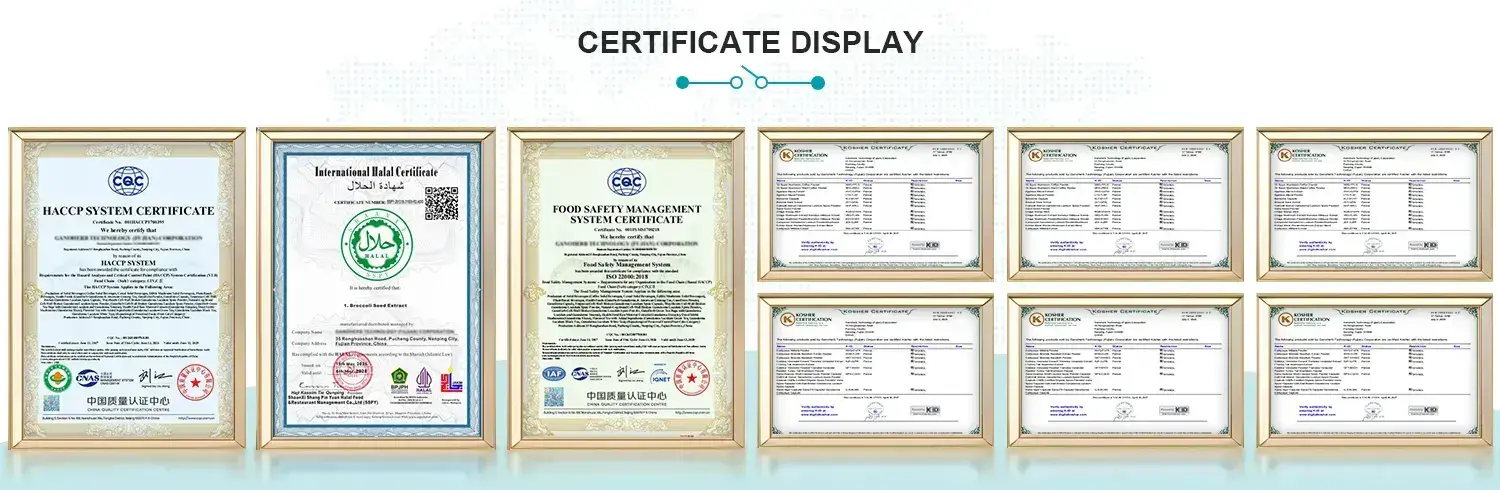
- Certifications: There are FSSC22000, HACCP, HALAL, and Kosher labels on the items. The papers can be asked for by people who need to know if the food is safe or who have religious dietary needs. We will match your samples to the exact grade you want to test as long as you bring us up-to-date grades and batch COAs.
- Supply: A steady 300 tons of goods are made every year, so big orders can be filled. There are no changes to the batches because everyone knows how to do it. This item can be shipped by air or sea, and the specs can be changed to fit your needs. It's easy to plan starts and follow-up sales this way.
Writing a Procurement Specification
When you compare sources, it's best to find ones that are easy to understand. Write down the goal, the people you want to reach, the active ingredient, the dosage form, the amount you want to buy each year, the amount you want to try, the minimum order quantity (MOQ), the delivery plan, the packaging, and the international trade terms (ITC). To find and test for germs, heavy metals, pesticides, solvent residues, and other toxins, look at the COAs for each batch. Then, set the price based on how much active astaxanthin it has, since something that costs less per kilogram might not have as much astaxanthin. You can figure out how much it really cost by adding up the freight, testing, packing, customs, process loss, and professional help.
Avoiding Mistakes and Qualifying a Supplier
Common Formulation Mistakes
There are five mistakes that always happen. First, teams try to use a powder that only partially mixes with water and clear drinks. Second, they choose the price per kilogram that is the lowest. They don't care about how busy the carrier is or how much weight it has. Third, they put the Haematococcus Pluvialis Astaxanthin Powder right into a base that has a lot of water. This makes the color powder rise, stick together, and spread out. Fourth, they don't think about how shipping, heat, humidity, and light can make the food go bad faster. Fifth, they say it's okay to take a lab sample without seeing how it works first. In other words, they are caught off guard when the tools and mixing methods are different. Early on, make sure you have clear goals for your success and that you can actually meet them.
A Step-by-Step Qualification Workflow
Here is how I think you should work. Find out what it's going to be used for, what kind of material will be used to spread it, how it's going to be processed, how much sedimentation is okay, and its length of time. Put the service providers on a short list based on their paperwork, certificates, and how easy it is to follow them. Discover how stable it is and get samples, specs, COAs, SDSs, and regulatory statements. Test the machinery in the lab and on a small scale before putting it to use in production. Write down the time, temperature, speed, and pressure as you mix. After the tests are over, you should agree on business terms, acceptance standards, rules for change control, and a good deal. Keep an eye on new batches, yield, stability, and what customers say once it's out there. Each step has to answer a question before it can move on to the next step, which costs money. Scale-up is less likely to happen now.
Conclusion
When water hits Haematococcus Pluvialis Astaxanthin Powder, it doesn't break down. Instead, it spreads out. What will happen depends on the format and method used. Heat, air, light, caking, particle size, and pH are some of the things that can make this happen. You need to wet the material first, add it slowly, and use the right powder, oil, or microencapsulated form. After you're done, check the recipe to see if it sets and stays stable. The active ingredient should not be near water, heat, or light. There are different ways to store medicines, skin care products, and food. People can better compare providers once a standard price is set based on current content and landing page costs. Before going big, they should also look over batch COAs and try small amounts.
FAQ
Is Haematococcus Pluvialis Astaxanthin Powder fully water-soluble?
Not at all. This is because Haematococcus Pluvialis Astaxanthin Powder likes oil and doesn't break down in water. We have 1% or 2% microencapsulated powder for solid drinks that you can ask about. To help you decide, do a settling test in your own base first.
How do I improve dispersion in a liquid formula?
Wet the powder with a grease or oil that works with it before you add it. Then stir it in slowly while you add it. Protect the carotene by not putting too much heat, pressure, or air on it. Controlled blending is what you should do instead.
How should I store the powder?
Put it somewhere cool and dry, out of the way of light and heat. If you want to store it for a long time, keep it below 4°C. Don't open things that are wet, because that can make them cake up. When packed in its original box, this food can be kept for 24 months.
Which documents should I request from a supplier?
You should ask for the standard sheet, batch COA, SDS, certificates, steady data, and reports for contaminants. You can get up-to-date copies of our FSSC22000, HACCP, HALAL, and Kosher certificates for our HPLC-tested powder if you ask.
Request a Haematococcus Pluvialis Astaxanthin Powder Sample from FuYNature
Are you ready to see how well your own formula works with spread? Because it is approved by FSSC22000, HACCP, HALAL, and Kosher, FuYNature can supply Haematococcus Pluvialis Astaxanthin Powder stably. We have Haematococcus Pluvialis Astaxanthin Powder and can help you find project papers in the right grade, style, and quantity. Send an email to info@extrabroc.com with the amount, type of dosage, target market, and amount you want to buy each year. You can find out more at extrabroc.com as well.
References
1. Marine Drugs, 2014. Astaxanthin: Sources, Extraction, Stability, Biological Activities and Its Commercial Applications—A Review.
2. Frontiers in Plant Science, 2016. Astaxanthin-Producing Green Microalga Haematococcus pluvialis: From Single Cell to High Value Commercial Products.
3. Marine Drugs, 2020. Recent Advances in Astaxanthin Micro/Nanoencapsulation to Improve Its Stability and Functionality as a Food Ingredient.
4. Journal of Food Science, 2007. Emulsion-Based Delivery Systems for Lipophilic Bioactive Components.
5. Nutrients, 2018. Astaxanthin in Skin Health, Repair, and Disease.
6. Critical Reviews in Food Science and Nutrition, 2006. Astaxanthin: A Review of its Chemistry and Applications.