Stachyose 60% Powder Supports Functional Food Development with Prebiotic Ingredients for Daily Gut Care Products
Stachyose 60% Powder has become one of the most sought-after prebiotic ingredients in the functional food sector. As consumer demand for daily gut care products grows across the United States, manufacturers, OEMs, and distributors are actively sourcing high-purity tetrasaccharide prebiotics that deliver measurable bifidogenic effects without compromising formulation flexibility. This plant-derived oligosaccharide, standardized at ≥60% purity and verified by HPLC, offers B2B procurement teams a science-backed, cost-effective solution for building differentiated gut health product lines.
Understanding Stachyose 60% Powder and Its Role in Gut Health
What Is Stachyose and Where Does It Come From?
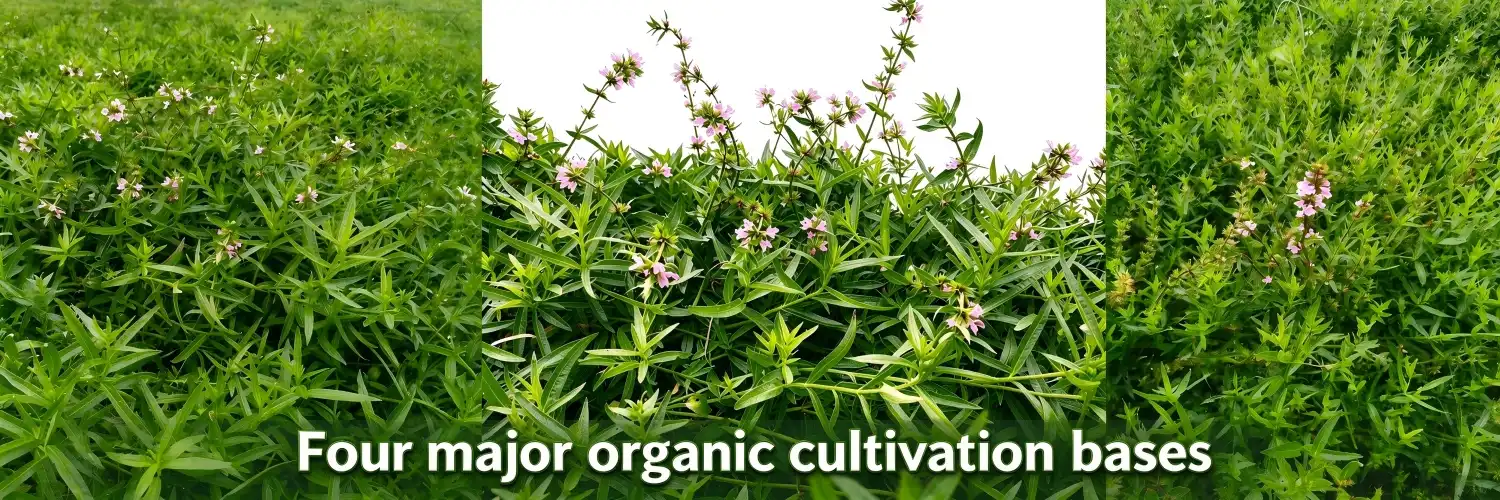
There are four types of sugars in native stachyose. One unit of D-glucose, two units of D-galactose, and one unit of D-fructose are present. People have eaten Chinese artichoke (Stachys affinis), which is in the Lamiaceae family, for a long time. It has a lot of it. It's also in beans, Rehmannia glutinosa, and Lycopus lucidus, though not in the same amounts. It is the best plant source for food because it tastes the best and is the clearest.
How It Supports Gut Microbiota Balance
Different kinds of grains break down in different ways, but stachyose only helps Bifidobacteria and Lactobacilli grow about 40 times faster than other prebiotics. There are no places for germs like Clostridium perfringens to grow in it. It doesn't get broken down in our stomachs, so it goes straight to the gut whole. It is changed into short-chain fatty acids by a group of good bacteria. Because of these SCFAs, the pH level in the gut goes down. In addition to helping peristalsis, this stops the spread of germs that are bad for you.
Three Gut Barrier Mechanisms
Stachyose helps protect the gut in three ways that can be measured. The first thing it does is protect the body by letting good bacteria form a thick film on the walls of the intestine. Enterotoxins can't get in this way. When SCFAs are made, they create a chemical wall that stops pathogens from spreading. Third, molecules left over like mannose and melibiose help the body make more immunoglobulin A (IgA), a substance that fights viruses and other dangerous things.
Comparing Stachyose 60% Powder with Other Prebiotic Powders: Making the Right Choice
Stachyose 60% vs. 90%: Balancing Purity and Cost
The difference between 60% and 90% purity for people who make things depends on what they plan to use the goods for. If you need cheap vitamins for daily use, useful drinks, or cheap snacks with extra vitamins, the 60% grade is good. It always works as a prebiotic and doesn't cost too much. Only therapeutic and clinical formulas that are meant to help certain illnesses and need a higher active load per dose are made with this grade (90%) or higher.
Stachyose vs. Inulin and FOS
Short-chain fructans, such as inulin and fructooligosaccharides (FOS), break down quickly in the proximal gut. Even in small amounts, they can make you feel full and cause gas. Stachyose ferments more slowly in the distal colon, which means it makes a lot less gas but still does a great job of forming bifids. It can handle temperatures up to 140°C and doesn't change when the pH level is between 3.0 and 7.0. They can't do this with the normal way to heat or bake FOS and most other types of inulin.
Sourcing Criteria: Certifications and Traceability
For teams that buy things, ISO22000, HACCP, and Halal standards are basic ways to tell if a company is good. Before you buy something, make sure that it has been HPLC-verified for quality, that it has been microbiologically tested for each batch (Total Plate Count <1,000 CFU/g; Yeast & Mold <25 CFU/g; lack of E. coli and Salmonella), and that it has heavy metal compliance records (Pb <0.5 mg/kg; As <0.3 mg/kg). It makes you look even more like a high-end business if you have organic certification and clear botanical sources.
Incorporating Stachyose 60% Powder into Functional Food Development
Dosage, Solubility, and Formulation Compatibility
Study after study has shown that to really get the bifidogenic effects, people should eat 5–10 g of it every day. At 25°C, it's easy to mix the powder with up to 60 grams of water for every 100 milliliters of water. With about 25–30% sugar, it stays thin and sweet. Since it doesn't soak up water, it doesn't bunch up when you store it. It can be stored normally for 24 months, which helps plan the whole supply chain. It has 0.5% ash and 5% water. The spin seems to be between +130° and +140°.
Application Scenarios Across Product Categories
You can use Stachyose 60% Powder with a lot of different things. Here are the most important ways to use formulations:
- Functional beverages: Since it doesn't change when they get hot, it's great for UHT probiotic drinks and sports recovery drinks. It tastes the same and doesn't get cloudy.
- Baked goods: When you bake something, the rheological qualities of the dough change. At normal baking temperatures, this keeps the dough wet without browning too quickly.
- Infant and pediatric nutrition: It's good for babies and kids because it works like human milk oligosaccharides (HMOs) to soothe constipation and get babies' immune systems ready for birth.
- Clinical nutrition: For older people or people with diabetes, it works as a low-GI fiber that helps keep blood fats in check and gets rid of ammonia without the need for insulin.
You can use these profiles for a lot of different methods, from everyday things to hospital food lines.
Regulatory Compliance and Safety Profile
Food safety rules all over the world are met by facilities that make Stachyose 60% Powder that are GMP-compliant and ISO22000-certified. There are no hormones or digestive enzymes that can break it down, and it has not been linked to any cases of dependence. It's a flexible ingredient on the U.S. market for controlled health groups because it can be used in products for diabetics, pregnant women, and the elderly.
Procurement Guide for Stachyose 60% Powder: Ensuring Quality and Reliability
What to Look for in a Supplier
You should be able to see proof that the stachyose supplier has ISO22000, HACCP, and HALAL checks. For each output batch, they should also be able to show you HPLC test results from a third party. When a company can regularly make a certain amount of goods, say 1,000 metric tons per year, it can take on big orders without having to stop making things. If brands want to expand into new markets or add more goods to their lines, they should work with suppliers that offer private label services, flexible minimum order quantities, and help with government filing.
Bulk Buying, Logistics, and Long-Term Partnerships
Every time you buy in bulk, you save a lot of money and make sure you always have the things you need when you're busy making things. Suppliers who can handle both air and sea freight need to be able to change their start times to fit your needs. If you've worked with a provider for a long time and settled on quality standards for each batch, wait time guarantees, and quick technical help, it's safer to buy from them. Over time, this makes people trust the supply chain more.
Private Label and Customization Options
For OEM clients, being able to change the particle size, package style, and standard paperwork is very important. Suppliers who have their own research and development departments can also work together to come up with fact-based strategies for formulation. They could combine stachyose with chemicals that work well together to make the immune system stronger, keep hormones in check, or make women's gut health better.
Future Trends and Market Outlook of Stachyose 60% Powder in Functional Foods
Rising Demand for Gut Health Ingredients
The market for prebiotic ingredients is growing very quickly around the world as more people learn about the gut-brain axis, microbiome diversity, and proper nutrition for health. As time goes on, Stachyose 60% Powder is used in more useful snacks, personalized nutrition plans, and eating plans for people who aren't healthy. For some of these people, worry makes them eat a lot, and their guts don't work right. More than 70% of adults who live in these kinds of places are in this group.
Advances in Production Technology
New technologies for mesh separation and purification have made it easier to get more stachyose and guarantee that it is always pure at the commercial level. Now that these changes have been made, the 60% grade can be made with better batch standards. This makes it easier for people who make things to meet government standards and lowers the quality gap between big orders.
Strategic Positioning for B2B Partners
People are ready to spend more on items that have "clean labels" and "plant-derived prebiotics." This is where people in charge of buying things can find people who want to buy those things. A way for product development teams to stand out in the market is to work with certified makers who offer scientific paperwork, methods that are covered by patents, and quick regulatory support.
Conclusion
Stachyose 60% Powder and other plant-based prebiotics have been looked into a great deal. Goods for gut health can use them to make their lines stand out. As long as it doesn't change much at high temperatures, has a low GI, and mixes well with a lot of other things, it can be used in a lot of different foods and drinks. If a business wants to save time and make sure they have a steady supply of goods, the best way to be sure that a product will last is to buy it from a qualified, high-capacity maker with clear quality papers.
FAQ
What is the recommended daily dosage of stachyose for gut health?
Study after study has shown that to get the most bifidogenic benefits, people should eat 5 to 10 grams of it every day. People who are healthy might only need 3–5 g for maintenance.
Does stachyose cause bloating like other prebiotics?
Stachyose doesn't make as much gas as FOS or short-chain inulin because it takes longer to ferment at the end of the gut. It is well absorbed, so even useful amounts of it are taken in.
Is it suitable for diabetic product formulations?
Yes. It doesn't have a very high glycemic index and doesn't raise insulin levels. Stachyose 60% Powder doesn't need insulin to be broken down. It can be used to make medicines for people with diabetes and other issues with their metabolism.
How does Stachyose 60% Powder compare to 90% purity grades?
It is a good deal to get the 60% grade because it has strong prebiotic activity and works well in daily care products and mass-market mixes. The 90%+ grade is used when there needs to be a higher quantity of active ingredient per serve.
What certifications should a qualified stachyose supplier hold?
Before you hire a service provider, you should make sure that they are certified in at least ISO22000, HACCP, and HALAL. Along with that, they should have HPLC batch testing results, paperwork showing that they follow heavy metal rules, and GMP facility approval.
Partner with EXTRABROC® for Your Stachyose 60% Powder Supply
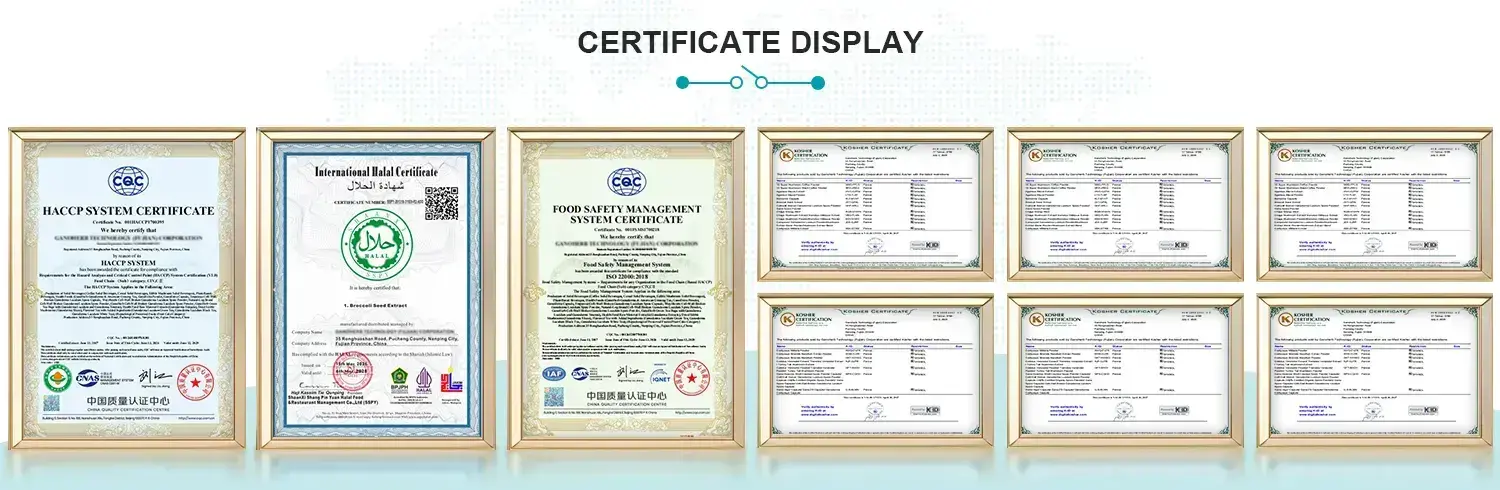
It is safe to buy Stachyose 60% Powder from EXTRABROC® because it meets ISO22000, HACCP, and HALAL standards. They can make 1,000 tons of it every year without fail. It's safe to buy a lot because HPLC is always used to check the quality. If you want to buy Stachyose 60% Powder in bulk or for private label development, our team can help you understand the rules and give you samples. Please visit extrabroc.com or email us at info@extrabroc.com to get a product information sheet or to talk about your recipe needs.
References
1. Gibson, G.R., & Roberfroid, M.B. (1995). Dietary modulation of the human colonic microbiota. Journal of Nutrition.
2. Roberfroid, M. (2007). Prebiotics: The concept revisited. Journal of Nutrition.
3. Tzortzis, G., & Vulevic, J. (2009). Galacto-oligosaccharide prebiotics. Prebiotics and Probiotics Science and Technology, Springer.
4. Rastall, R.A. (2010). Functional oligosaccharides: Application and manufacture. Annual Review of Food Science and Technology.
5. Shoaib, M., et al. (2016). Inulin: Properties, health benefits and food applications. Carbohydrate Polymers.
6. Bindels, L.B., et al. (2015). Towards a more comprehensive concept for prebiotics. Nature Reviews Gastroenterology & Hepatology.