How to Blend Stachyose 70% Powder into Instant Food Mixes
Before I can mix Stachyose 70% Powder into instant food mixes, I need to figure out the dose from the 70% test. After that, I sieve the powder and mix it with a little glue that doesn't stick to anything. I add the pre-blend to the main batch in steps. After that, I mix it for a certain amount of time and get test samples from different spots. I make sure the room is dry, stay away from oils, and get rid of the right amount. This guide goes over each step, the things I look out for, and the paperwork a buyer should ask for before you start making the product.
Why Stachyose 70% Powder Is Used in Instant Food Mixes
What the 70% Assay Tells You
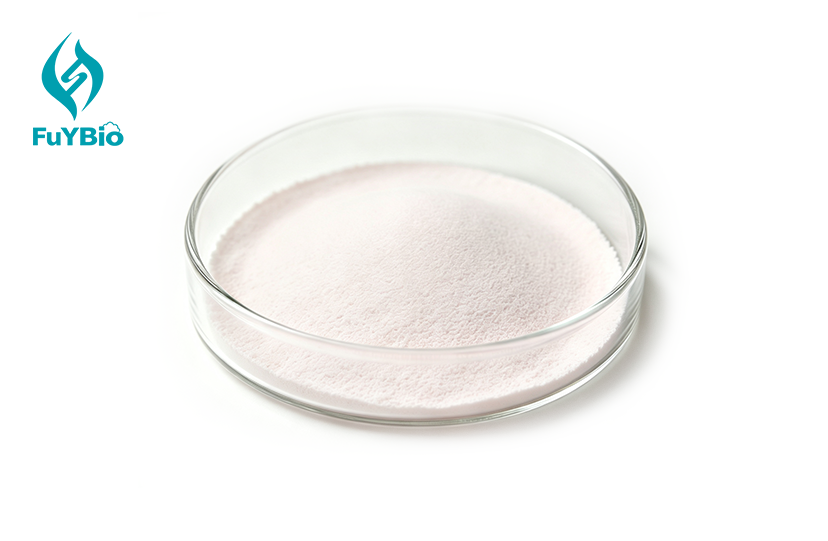
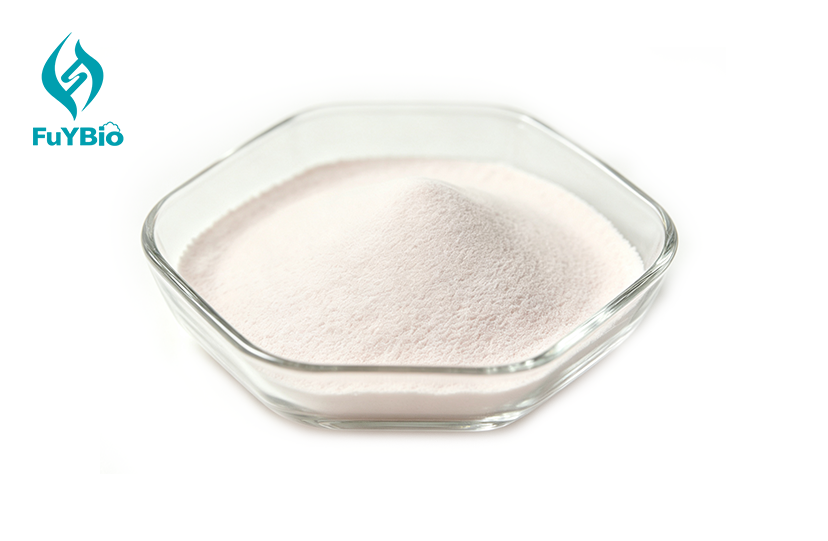
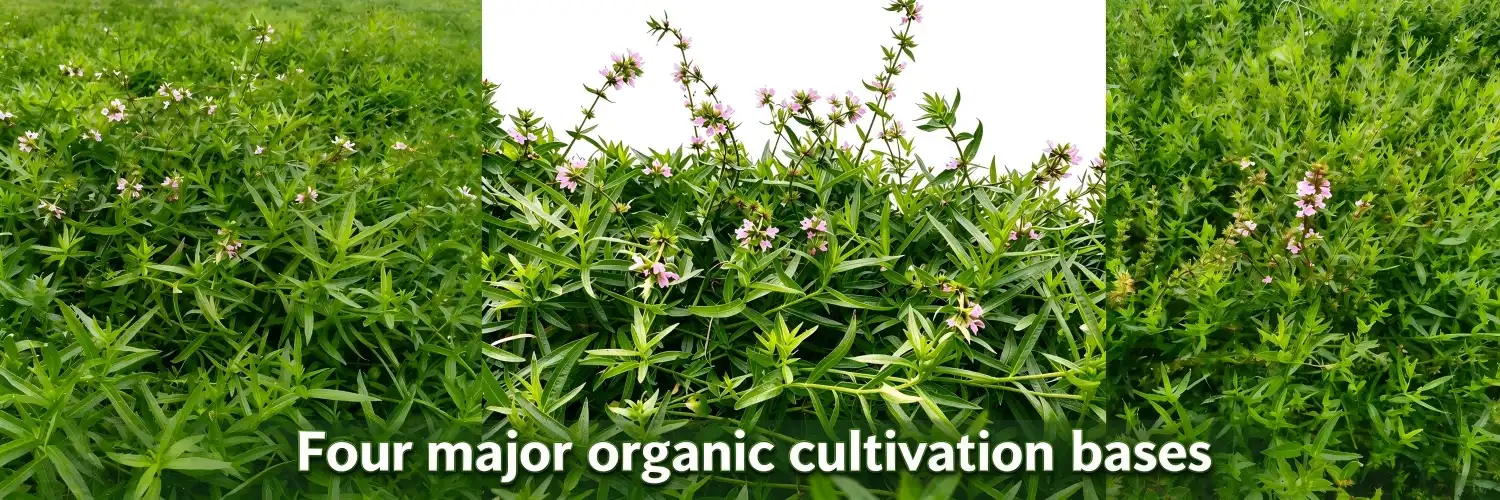
There are four sugar units in stachyose: two galactose units, one glucose unit, and one fructose unit. It is naturally found in beans and plants like Chinese artichoke (Stachys affinis). Based on HPLC tests, the 70% number means that the sample has at least 70% stachyose. A white powder that can be kept for 24 months is one of the things that FuYNature needs. Microbiology and heavy metals follow the rules. I always read the details sheet and the proof of analysis for each lot. It's not clear from the label whether the line is assay, moist, or of a certain particle size.
How It Supports Gut-Focused Products
From the point of view of the International Scientific Association for Probiotics and Prebiotics, a prebiotic is something that host bacteria use to make health better. Good bacteria like Bifidobacteria eat the oligosaccharide stachyose, which is a useful idea based on science. It gets to the gut because enzymes in humans can't break it down. For gut health reasons, it makes sense to use a prebiotic that is high in stachyose. Changes can also be made to the amount, formula, processing, and local rules. I never promise something I can't keep because of the law or proof.
Instant Formats Where It Fits
Stachyose 70% Powder dissolves readily in water, making it a versatile ingredient for a wide range of powdered formulations and dry mixes. It can be incorporated into probiotic sachets, cereal powders, beverage mixes, instant soups, weight-management products, and pet supplements, depending on the formulation requirements. When selecting Stachyose 70% Powder, manufacturers should evaluate its solubility, sweetness, and compatibility with other ingredients to ensure consistent product performance. Stachyose provides approximately 2 kcal per gram and has a relative sweetness of around 22% compared with sucrose, allowing Stachyose 70% Powder to contribute mild sweetness without overpowering the overall flavor profile. Product specifications also indicate that stachyose can remain stable under certain conditions at temperatures up to 140°C and within a pH range of 3.0–7.0. However, these values should be verified against product-specific testing because processing time, moisture, and the composition of the complete formulation can influence stability. Sugars, proteins, minerals, and other ingredients may affect the behavior of Stachyose 70% Powder during mixing, heating, and storage. Therefore, manufacturers should conduct application-specific trials before scaling up production. By evaluating Stachyose 70% Powder under realistic processing conditions, formulators can better determine its suitability, maintain batch consistency, and achieve the desired texture and taste in the finished product.
Common Blending Problems and Core Principles
Why Segregation and Uneven Dosing Happen
Particles that are different sizes, shapes, or densities in a powder mix separate. Williams wrote about these ways of sorting particulate materials in 1976, and the reason is still the same today. Smaller stachyose particles can pass through larger cereal or protein particles if they are shaken, full, or moved. When a small amount of the ingredient has to be spread out over a big batch, this is where the most risk is. When there is water and not enough flow, it gets worse. I think it's because of segregation before I think it's because of the raw material if the test results for the first and last bags of a run are different.
What Causes Clumping and Poor Solubility
Most of the time, lumping is caused by water. The powder can stick together in damp air, open bags, and condensation before it even gets to the water because it is slightly hygroscopic. There are other things that cause it too. Bits of matter are kept safe and dry by oils. Water is drawn in by minerals and other things that are hygroscopic. Proteins can stick together in cold water. It will leave spots of stuff that hasn't been mixed if you add the powder too early or all at once. Also, friction heat from long runs can melt sweets and mix the pieces together. Dry rooms, closed containers, and a planned order of adding things are what you need to fix things. You don't need to stir things more.
Quality Checks Before Blending Starts
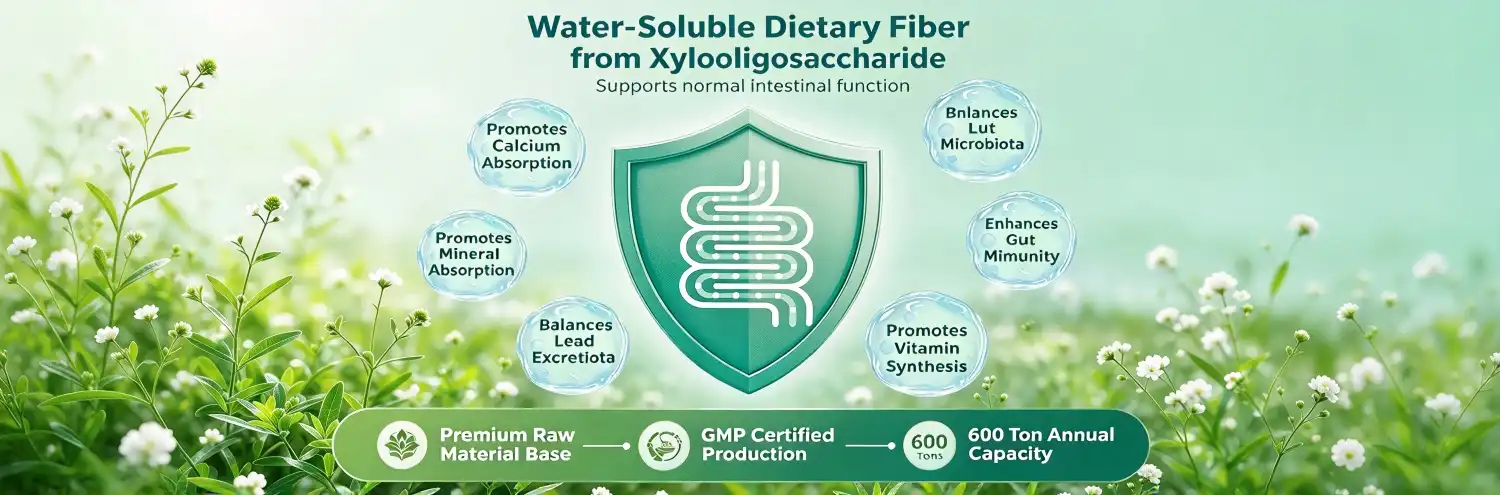
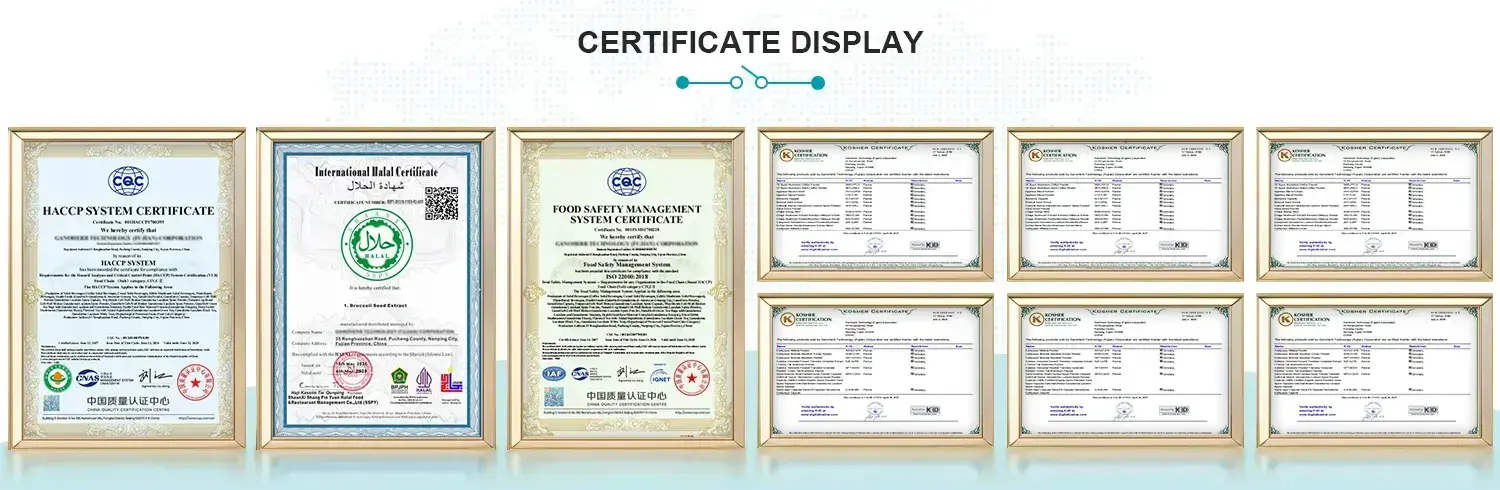
Before I add a lot to the mixer, I check the certificate of analysis for the stachyose assay by HPLC, the amount of moisture, the microbes, the heavy metals, the lot number, and the date it goes bad. This thing should be safe for food and come with certifications like ISO22000, HACCP, and HALAL. Rule 21 CFR Part 111 of the FDA says that companies that sell supplements in the US must make sure that the ingredients they use are real. This means that testing for new users should be part of the plan. I also check the particle size, bulk density, and flow of the mixture as it is mixed with the other ingredients. To blend, the room is kept clean, dry, and at the right temperature.
Step-by-Step Blending and Instant Dispersion
Calculate the Dose from the Assay
When calculating the raw material requirements for Stachyose 70% Powder, manufacturers should base their calculations on the actual stachyose content stated in the product specification and confirmed by the batch-specific certificate of analysis (COA). For example, if Stachyose 70% Powder contains at least 70% stachyose, the theoretical powder weight can be estimated by dividing the required amount of stachyose by 0.70. If a hypothetical formulation requires 1 gram of stachyose per serving, approximately 1.43 grams of Stachyose 70% Powder would be needed at exactly 70% content. For a production batch of 1,000 kg with 30 g serving sizes, the batch would contain approximately 33,333 servings. At the same assumed concentration and serving target, the theoretical ingredient requirement would be about 47.6 kg of Stachyose 70% Powder. These figures illustrate the calculation method only and should not be interpreted as dosage recommendations or finished-product formulation instructions. Actual ingredient quantities depend on the intended product, target market, applicable regulations, and verified assay results. Before finalizing a formulation, manufacturers should check the COA for each lot of Stachyose 70% Powder and adjust their calculations according to the measured stachyose content rather than relying solely on the nominal 70% specification. Label declarations should also be based on verified product composition and the applicable labeling requirements. Using batch-specific data for Stachyose 70% Powder helps improve formulation accuracy, support consistent quality, and reduce discrepancies between the declared and actual ingredient content.
Sieve, Pre-Blend, and Mix
First, I sieve the powder to get rid of any soft lumps. Then, I make a geometric pre-blend. I mix the powder with the same amount of maltodextrin or wheat flour as the recipe says. I slowly add twice as much carrier after the pre-blend is well mixed with the main batch. I add it slowly to the main mix. Ribbon, paddle, and V-blenders are great for mixing things up. Soft things, like probiotic cultures, are put last and as slowly as possible so that the mix stays smooth.
Improve Solubility and Instant Dispersion
Since stachyose is easily broken down by water, the things that are close to it often slow it down. Cold, room-temperature, and warm water are all used in the tests. I use how much food a customer would serve and how they would mix it. I write down the lumps, silt, foam, and how it feels in my mouth, as well as how long it takes to dissolve. If lumps appear, I check to see if an agglomerated carrier, a flow aid, or a different particle size can help. To mix powder with fats or oils, I coat the powder with the oil. This makes the mixing process take longer. Once these tests are over, I'll write the last set of packaging instructions.
Formulation Examples and Ingredient Comparison
Probiotic Sachets and Beverage Mixes
Putting probiotic sachets in water is not a good idea. I keep the water activity low, blend at a moderate temperature, and use barrier packaging to keep live cultures alive in damp powder. I test drink mixes at the serving size I want to use to see how well they dissolve, how acidic they are, how sweet they are, and how they feel in my mouth. Stachyose is often used in clear drinks with light flavors because it works well with water and tastes slightly sweet. It helps me figure out what the pH level is when I'm making mixes that taste like lemon or vinegar. So I know when something will go bad, I do a shelf-life study.
Nutritional Powders and Pet Supplements
Nutritional shakes and meal replacements both have different amounts of minerals, vitamins, fiber, protein, and water. They also change how dense and liquid they are. Mineral salts can pull water into them, and protein can clump together when they're drunk. That's why I test the whole mix in a pilot blend, not just the stachyose line. There is also information about stachyose for baked goods because it helps keep the wetness in. Pet supplements need more study because they aren't the same for every breed, every area, or every pet. I make sure that the legal path for the target market is clear before I start the trials.
Stachyose vs. Inulin, FOS, and Raffinose
Each prebiotic has a different effect when put together. Inulin is a fructan that is found in chicory. It can thicken drinks when it is present in large amounts. Fruit sugar with a short chain, FOS, is not too sweet. This is a three-sugar sugar called raffinose. This is a four-sugar sugar called stachyose. I look at the source, the test, the solubility, the sweetness, the texture, the tolerance, and how the particles behave in the full mix. I check the levels in the final product to make sure everyone is safe. It can be hard to understand the price per kilogram. The amount of water, the bulk density, the microbiology, the packaging, the shelf life, and the COA consistency are all things I compare.
Quality, Validation, and Supplier Selection
Documents, Storage, and Handling
When purchasing Stachyose 70% Powder, buyers should request a batch-specific certificate of analysis (COA), documentation confirming the ingredient's origin and traceability, and regulatory documents applicable to the intended sales market. These records help verify product identity, quality, and suitability for the intended application. For proper storage, Stachyose 70% Powder should be kept in a cool, dry, well-ventilated area away from direct sunlight, moisture, and strong odors. According to the applicable product specifications, the stated shelf life may be up to 24 months under recommended storage conditions, but buyers should confirm the exact shelf life and storage requirements on the supplier's technical data sheet. During the handling of Stachyose 70% Powder, personnel should keep work surfaces and weighing equipment clean, wear appropriate personal protective equipment, and follow the supplier's handling instructions. Opened bags should be resealed promptly to minimize exposure to moisture and environmental contaminants. Maintaining suitable storage conditions and careful handling procedures helps preserve the quality of Stachyose 70% Powder throughout its shelf life. Before accepting each shipment, manufacturers should check the batch number, packaging integrity, and COA results against the agreed specifications. By establishing clear requirements for documentation, storage, and handling, buyers can improve traceability and maintain more consistent quality when sourcing Stachyose 70% Powder.
Validation and Troubleshooting
It is important to have a validation plan that lists places to sample, levels of acceptance, test methods, and records that need to be kept before production starts. It's up to me to test the top, middle, bottom, and return streams to see if there is any incomplete mixing or segregation. Then I test stachyose, moisture, flow, and mass density with HPLC. The temperature, volume, stirring method, dissolution time, clumping, sediment, and mouthfeel of the water are all things I write down so I can make it again. If I don't get the results I want, I either change the mixer's fill level or time, lower the humidity, make the pre-blend better, or switch the order of the additions. I might also try a different grade of powder or make the packaging better so that moisture doesn't get in.
Choosing a Supplier
First, I look at how well a supplier does complex things. One of these is a steady stachyose assay. Other ones are food-grade controls, tracked COAs, the right particle size, solubility, and flow, and working with functional foods and supplements. The next thing I do is look at the MOQ, samples, lead time, delivery history, export papers, packaging, and supply continuity. I also want to know if the seller makes the item and has any test reports I can look at that are from recently. As of now, FuYNature can handle 600 tons of stachyose per year and has ISO22000, HACCP, and HALAL certifications. It's from China. It can change to fit your needs and can handle both air and sea freight.
A Practical Path from Concept to Production
Things are always done in a certain way for me. First, I talk about the use, dose, serving size, and rules for the market. Next, I need a set of technical data and a standard sample. Tests are done in the lab to see how well the ingredients dissolve, pair, and taste. Then I mix a small amount to see how even it is. Once permission is given, I confirm the specifics, including the packaging, minimum order quantity, logistics, and delivery terms. I check the first batch that is sold to the public and each one that comes after it. These are the things that Hefei Fushan Yuansheng Biotechnology Co., Ltd. offers for Fushan Biotechnology. They also let you change the recipe, work together on technical development, and get help with HPLC testing. The scale-up can be done again and again because of the detailed records from the test.
Conclusion
Planning each step ahead of time is the best way to mix Stachyose 70% Powder into instant food mixes. The 70% test is used to figure out the dose, and the COA, specifications, and certificates make sure that the plant gets the right stuff. Different-sized particles, water, oils, and adding things in the wrong order are the main things that cause them to separate and clump. Some things that can help lower them are dry rooms, sieving, geometric pre-blending, and staged mixing. There are two kinds of tests that prove the mix works: breakdown tests in the real serving format and multi-point sampling with HPLC. It is necessary to test each supplement, drink mix, probiotic sachet, and nutritional powder on its own. A good idea is to look at how much stachyose, inulin, FOS, and raffinose cost per finished serving and then choose a seller who can offer papers, samples, and technical help.
FAQ
Can I add the powder directly to the batch?
Direct addition can work for small, simple groups. For recipes with a low dose or a lot of ingredients, a pre-blend is safer because it makes the mixture more even.
Does the 70% assay decide solubility?
No, because solubility depends on the type, size, dose, temperature of the water, and other ingredients in the mix, I test the finished product in the way it will be used.
How should I store it?
Close it up and put it somewhere cool, dry, and well-ventilated, away from heat, sunlight, and strong smells. It will last 24 months if you store it right.
What dose should I use?
The amount is different for every market, use, form, and set of rules. A lawyer and I agreed to it, and then I checked to make sure it was right.
Is it suitable for OEM or private-label products?
With FuYNature, you can make your own specifications and talk about technical things. Email info@extrabroc.com to talk about your papers, packaging, and customers.
Request Stachyose 70% Powder Samples for Your Instant Food Mix
If you are planning an instant food mix, FuYNature can support you as a Stachyose 70% Powder supplier. Hefei Fushan Yuansheng Biotechnology offers a white powder with Stachyose ≥70% by HPLC, a 24-month shelf life, ISO22000, HACCP, and HALAL certificates, and capacity of 600 tons per year. Email info@extrabroc.com or visit extrabroc.com to request a sample, COA, specification, or quotation. Our team can also review your blend design.
References
1. Carbohydrate Polymers, 2007. Mussatto and Mancilha, "Non-digestible oligosaccharides: A review."
2. Nature Reviews Gastroenterology & Hepatology, 2017. Gibson et al., "The International Scientific Association for Probiotics and Prebiotics (ISAPP) consensus statement on the definition and scope of prebiotics."
3. Powder Technology, 1976. Williams, "The segregation of particulate materials. A review."
4. Food Powders: Physical Properties, Processing, and Functionality, Springer, 2005. Barbosa-Cánovas et al.
5. Code of Federal Regulations, Title 21, Part 111 (Current Good Manufacturing Practice for Dietary Supplements), 2007.
6. The Journal of Nutrition, 1995. Gibson and Roberfroid, "Dietary modulation of the human colonic microbiota: introducing the concept of prebiotics."