How to Prevent Color Variation in Astaxanthin Powder Batches
To prevent color variation in astaxanthin powder batches, I recommend controlling the process instead of sorting powder by eye afterward. For Haematococcus Pluvialis Astaxanthin Powder, that means fixing growth and harvest conditions, validating drying and blending, and protecting the finished powder from light, oxygen, heat, and moisture. It also means approving a written color specification backed by instrumental readings. Buyers should check astaxanthin content by HPLC, moisture, and microbiology on every lot, because color alone does not prove potency. The sections below explain the causes of drift, the controls that work, and the checks that keep each shipment close to the approved reference sample.
Why Color Consistency Matters and What Causes Variation
Why Buyers Care About Powder Color
Color is often the first thing a production manager notices when a drum is opened. If the color changes from a deep red to a brownish red, you might be asked to explain it. It might take longer to make a blend, or private-label customers who always want the same capsule or tablet look might not be happy. A color that doesn't change makes a business stand out and cuts down on the work that needs to be redone. I don't think color is the only way to tell if something is good, though. When doing an evaluation, it's important to look at the astaxanthin test, as well as the papers that show the product's stability, bacterial safety, and compliance. There's no reason to use color instead of doing more thorough checks. It should be used as an early tip that makes you do them.
Biological Causes Behind Color Drift
When Haematococcus pluvialis, a microalga that lives in fresh water, is stressed, like when it is in bright light or doesn't have enough food, it stores astaxanthin. This was written by Boussiba in 2000. When the temperature, nutrients, or age of the culture change, so can the amount of color and the mix of free and esterified forms. The color adds up because of how the plant grows in this case. Even if the rest of the process stays the same, if different batches were picked at different times during the stress phase, they may look different. This is why it's important to keep track of growth. If they don't have written information about light, weather, nutrients, and output, they won't be able to explain why one lot looks lighter than another.
Processing and Storage Causes
The cell walls of H. pluvialis are thick, so they need to be broken up to get to the color. Shah and other people wrote about this step in 2016. You can tell what kind of light powder bounces off of by how well it is mixed, broken up, dried, and what kind of carrier is used, as well as by the size of the particles. Fine powder is stronger than coarse powder, even though it doesn't look like it. And his coworkers said in 2014 that astaxanthin can be broken down by light, heat, and oxygen. That is, if you don't store it right, it can fade or get darker over time. The way the light hits the samples can also make differences look bigger than they are. This is why running your eyes over it might not be enough.
Set a Color Specification and Control Production
Write a Specification That Goes Beyond "Dark Red"
"Dark red" is a word that can mean many things. One that is better lists the format of the product, how much astaxanthin it has, and a reference sample that has been approved. This is then backed up with pictures and numbers that have been set using the CIE Lab* color method. The standard way to find differences is the CIEDE2000 method, which Sharma and his coworkers wrote about in 2005. Differences are written as ΔE. Connect the color range to the particle size, moisture, and HPLC tests so that each range helps the others. Before the first order goes out, write down what the target market wants, such as non-GMO items and claims about brand names.
Control the Process From Growth to Finished Powder
Records are the first thing that you need to keep your color stable. People who buy your plants might want to write down the levels of light, nutrients, culture density, stress induction, and output time for each lot. So that the plants don't lose their color before they dry, the biomass should be fixed as soon as the crops are picked. Then, the sets for temperature, time, feed content, and carrier ratio must be tried and shown to mix cells, break them down, and dry them out. We need to focus on how we mix more. Because astaxanthin is given in small amounts, powder that isn't mixed well can have spots or be rough. The person who is making something doesn't have to guess where a color change took place—in the raw materials, during processing, or during mixing. They could instead use full batch records and samples that are similar to the whole batch.
How FuYNature Approaches Batch Consistency
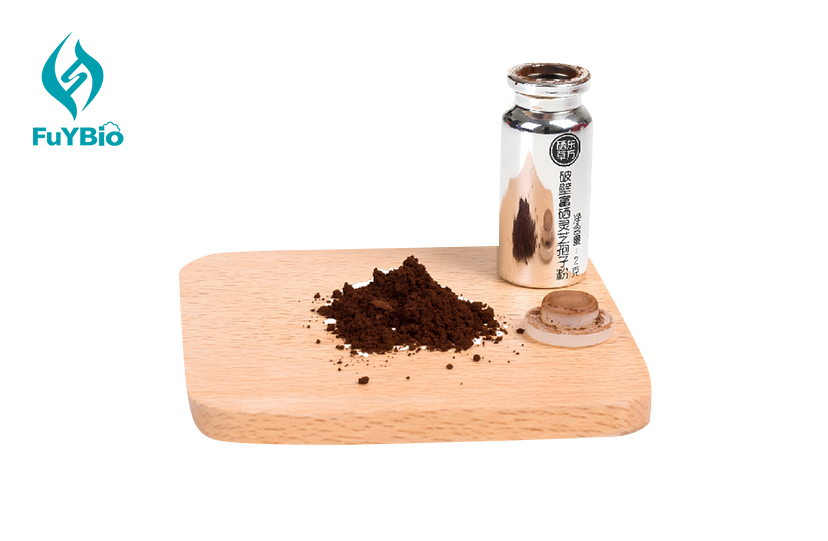
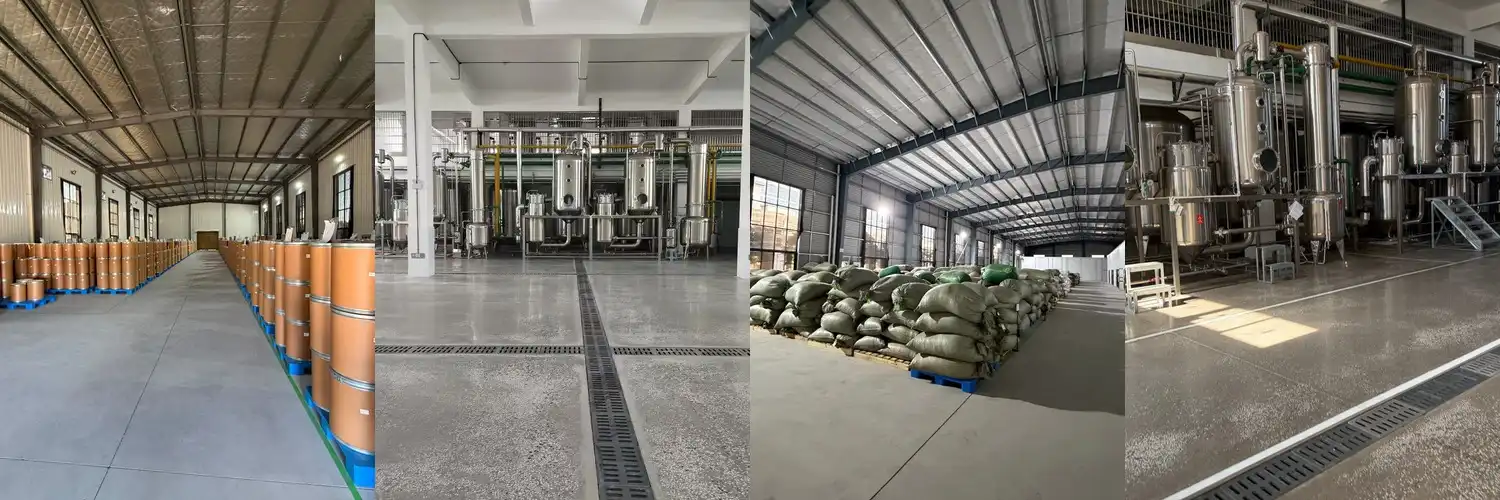
They offer Haematococcus Pluvialis Astaxanthin Powder, a fine or dark red powder. It has at least 2%, 3%, 4%, 5%, or 6% astaxanthin, according to HPLC tests. There are green plants growing in glass tanks that have clean water in them and the valves closed. Up to 99% of the dried algae powder is just algae; nothing else has been added. You can keep track of each lot from the seed to the finished batch. There are checks for quality at every step. Since 300 tons of work can be done all year, the same tried-and-true method can be used for big sales. This part makes sure that each batch is the same level of good.
Protect Color With Packaging, Storage, and Verification
Choose Packaging That Blocks Light and Oxygen
When you store astaxanthin powder, make sure it doesn't get any light or air. A good number of people choose neon-flushed containers, high-barrier layered bags, light-resistant boxes, and bags lined with foil. It matters a lot what kind of pack it is, how strong it is, and how long it takes to ship. You can pick the type of transport and length of time for FuYNature based on how it is packed. It can handle freight by air or sea. They should write down how they will move, seal, and stack the things on the boxes. Also, they should agree on how to prove that the things have been tampered with. You also need a plan for tubs that are only half full. When you open a drum, air and smells get inside. Now is the time to write the date and close it up again. Also, keep bags that are open away from the lights in the warehouse.
Store the Powder Under Controlled Conditions
This is how to keep FuYNature Don't put Haematococcus Pluvialis Astaxanthin Powder near light or heat, and make sure the lid doesn't break. Keep it somewhere cool and dry. Things should be kept below 4°C if you want them to work for a long time. As long as it is still in its original box, the item will stay fresh for 24 months. Keep stores out of direct sunlight and away from sources of heat. Write down how to open, close, and give samples to your OEM partners and sellers. When it first comes out, a lot of it will meet specs, but it will turn yellow if it's not handled properly.
Verify Color With Instruments and Laboratory Tests
A tool you can trust checks both what the facts are and how things look. To count colors with instruments, it's best to use tools that are well-calibrated, always prepare samples the same way, have a good background, good lighting, and take more than one measure. Trends can show slow changes better than a single pass or fail result. Draw the numbers L, a, and b* one at a time. Check more than just color with HPLC. In addition, it should find the amount of astaxanthin, the moisture, the bacteria, and the name. It is possible to include heavy metals, herbicides, solvents that have been used up, and the GMO status if the framework and market allow it. Fed 21 CFR Part 111 says that supplement makers need to use at least one good test to make sure that every food item is what it says it is. That is, a COA shouldn't replace the identifying checks that are already done in-house; it should only add to them.
Compare Approaches and Evaluate Suppliers
Visual Inspection Versus Instrumental Testing
Not only does it not take any time or tools, but everyone can get a different effect from it. A fight over the same powder can happen even when they are in different lights. The results of instrumental tests can be correct, but only if they are calibrated and carried out by trained professionals. You should use both, in my opinion. To begin, quickly compare the sample at the dock to the allowed reference sample. Then, use instruments to get readings from samples that were saved. There should never be any changes to the background, lighting, or sample level. As much as a real batch difference can happen if any of these are changed.
Comparing Formats and Sources on Equal Terms
There are different kinds of whole-cell powder, extract-based powder, and powders that dissolve in water or oil. It is important to compare them side by side. They can be different sizes, colors, and types of carriers. The shape of most of the astaxanthin in H. pluvialis is (3S,3'S), which means it is esterified. In 2006, Higuera-Ciapara and others wrote that synthetic astaxanthin is a mix of stereoisomers. Krill oil and yeast from different sources also smell, break down, and deliver in different ways. Heavy powder isn't always more pure or stronger. Its look can be changed by carriers, how wet it is, and the size of the particles. Use HPLC data and the needs of the application to look over each material.
Qualifying a Supplier
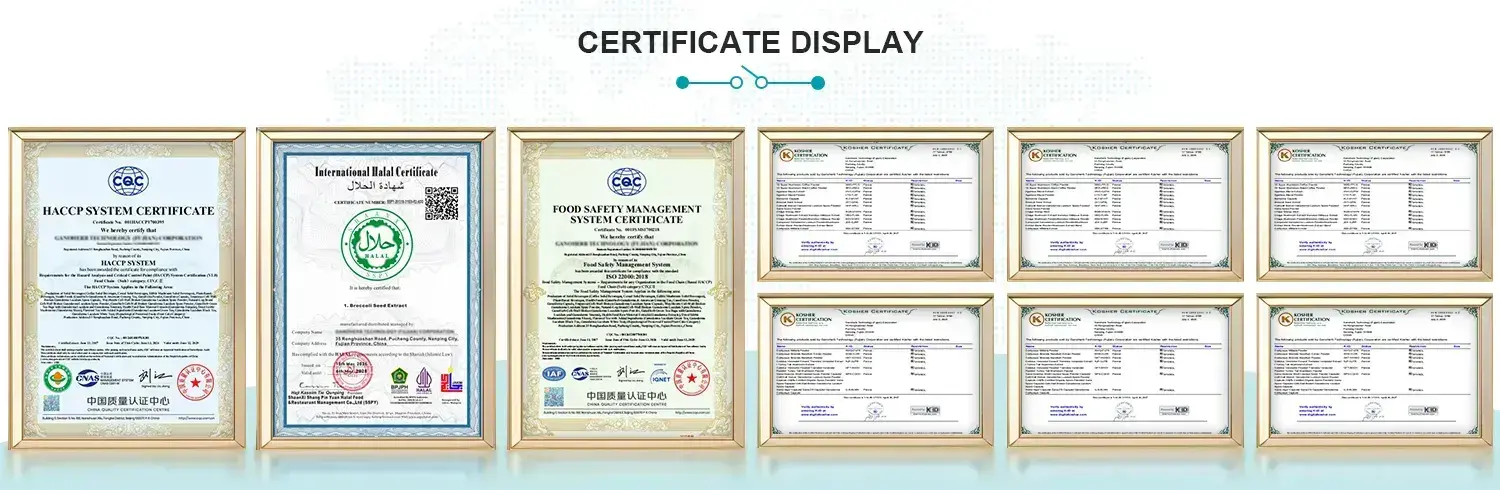
The service review should include controls for manufacturing, paperwork, analysis skills, and access to experts. Make sure the papers show the real place where the goods are made. The microbiology of Haematococcus Pluvialis Astaxanthin Powder meets the standards of some of the groups that certify it as kosher, HACCP, and FSSC22000. Ask for specifics, such as up-to-date COAs, stability data, statements about where the product came from, and statements about allergens and GMOs. It is not enough to have just one acceptance sample. You should ask for examples from more than one batch of goods. How does the company handle complaints? How many samples do they keep? How much do you need to order? How long do you have to wait?
Inspect Incoming Lots and Prevent Drift in Future Batches
Incoming Inspection Checklist
First, look at the paper work. Find out the name of the seller, where the item was made, the grade, the batch number, the dates, the ways it was stored, and how reliable the COA is. Next, look at the real lot with controlled lighting and see how it matches up with the approved one. Look at the labels, seals, look, smell, caking, foreign matter, and powder for signs that water has damaged them. Natural Haematococcus Pluvialis Astaxanthin Powder should have a mild sea smell. If it smells strongly of spoiled food, it may have been out in the air for a while. Last, do tests in the lab that are based on how dangerous they are. Some things that these tests might look for are the amount of astaxanthin by HPLC, the color, the amount of water, bacteria, heavy metals, and antioxidants.
What to Do When a Lot Looks Different
Do not make things worse by adding too much. Lock it up, take pictures of the powder and the boxes it came in, and write down information about the samples, such as the lot numbers and how bright they were. Because of the size or amount of water in the particles, the color might be lighter instead of having less power. The color might be darker because of the rust. Once you have that, ask the service provider for a report that describes the basic materials, how they were handled, mixed, and moved, along with what was done to fix the issue. Only let go of the lot when the facts and the reason match up. We could compare things more quickly since we kept some from each lot.
A Repeatable Prevention Process
That is why it is important to come up with a plan that includes the size, shape, color range, moisture, packing, storage, test methods, criteria for release, and how long the product will last. Make sure they work well and don't change how they look, smell, or stay stable by testing them in capsules, tablets, or powder blends. Be willing to take samples from different lots. Before you buy something big, check out how the seller handles tracking, changes, and deviations. Think ahead about what to do when something goes wrong and when to answer. Once it's out there, check the color, analysis, and moisture levels every three months and select new providers if necessary. When this method is used, slow motion isn't even noticed.
Conclusion
The color of Haematococcus Pluvialis Astaxanthin Powder mostly changes depending on how it was grown, handled (by breaking up cells, drying, and mixing), kept, and how much light, air, heat, and water it was exposed to. If you just look at it, you can't tell if the color stays the same. It needs to be controlled during production, have written specs with instrumental values, be packed and stored safely, and be tested for HPLC, moisture, and bacteria. People who buy things can spot drift early if they look at new material, compare similar forms, use multi-lot samples to vet sellers, and keep an eye on trends. This means people don't complain as much, the recipe doesn't need to be changed as often, and the results are more consistent.
FAQ
Does darker powder mean higher potency?
The color changes because of the carriers, how wet it is, the particle size, how it is process, and rust. Use HPLC to be sure of the strength.
How do I confirm degradation?
The amount of astaxanthin, the amount of wetness, and the signs of oxidation should all be compared between the sample that was released and the sample that was kept. The color changing isn't enough to let you know.
Which documents should I request?
Ask about the standard, a certificate of analysis (COA) for each batch, information on how stable it is, a statement of origin, certificates for the production site, and information on GMOs and toxins.
How should I compare suppliers?
To compare and contrast things like strength, stability, testing methods, certificates, wait time, and customer service, you can use examples from different lots.
Request Your Haematococcus Pluvialis Astaxanthin Powder Specification from FuYNature
Looking for a Haematococcus Pluvialis Astaxanthin Powder supplier that documents every batch? FuYNature offers red to dark red fine powder from 2% to 6% astaxanthin, HPLC-tested, with FSSC22000, HACCP, HALAL, and Kosher certificates and 300 tons per year of stable capacity. Email info@extrabroc.com to request a sample and COA, discuss bulk supply, or get a custom specification. More details are available at extrabroc.com.
References
1. Carotenogenesis in the green alga Haematococcus pluvialis: Cellular physiology and stress response. Physiologia Plantarum, 2000.
2. Astaxanthin: Sources, Extraction, Stability, Biological Activities and Its Commercial Applications—A Review. Marine Drugs, 2014.
3. Astaxanthin-Producing Green Microalga Haematococcus pluvialis: From Single Cell to High Value Commercial Products. Frontiers in Plant Science, 2016.
4. Astaxanthin: A Review of its Chemistry and Applications. Critical Reviews in Food Science and Nutrition, 2006.
5. The CIEDE2000 Color-Difference Formula: Implementation Notes, Supplementary Test Data, and Mathematical Observations. Color Research & Application, 2005.
6. 21 CFR Part 111: Current Good Manufacturing Practice in Manufacturing, Packaging, Labeling, or Holding Operations for Dietary Supplements. Federal Register, 2007.