How to Select Pure Lion's Mane Extract for Consistent B2B Sourcing
Before you look for a good B2B source for Pure Lion's Mane Extract, think about what you want to use it for. To be sure, write down the chemical names, the plant part, and the species. Ask for one-of-a-kind certificates of analysis, a named test method, and certificates that are up to date for each batch. You can use a scorecard to compare at least two or three sources. You should choose your own way to test items. Before you place your first order, talk about how to deal with changes. For the most part, these steps should keep people from getting great shocks. This guide walks you through each step and shows you how FuYNature Lion's Mane Extract fits in.
Why "Pure" Takes More Than a Product Label
What "Pure" Can Mean on a Spec Sheet
Lion's mane mushroom extract is being found in more and more supplements that claim to help with memory, focus, and nerve health. But "pure" isn't a normal word for rules. It could be a single species, fruiting body material, an extract that doesn't have any carriers, or a powder that has been standardised to marker chemicals. Those ideas are not the same at all. The word "pure" can still be on the label even if maltodextrin is added to powder. So, I always ask sellers to write down what the word means and a list of all the powder's parts, like the flow agents and shippers.
Where Sourcing Risk Comes From
A big part of the problem is that different providers send the wrong mushrooms, which makes the quality not always good. There is a chance that different sources will use different raw materials, remove them in different ways, test them in different ways, and keep different records. Some reviews say that the chemical profiles are different depending on what part of the fungus is used. The Journal of Agricultural and Food Chemistry published this type of work in 2015. There are different kinds of research materials. Body powder made from fruits was used in a study that came out in Phytotherapy Research in 2009. Another one, which came out in 2020 in Frontiers in Ageing Neuroscience, used mycelia that were rich in erinacine A. These differences aren't seen until a batch breaks while it's being made because of bad writing.
Define Your Application Before Comparing Suppliers
First, write down all the ways it can be used. For different kinds of pills, tablets, tea, solid drinks, and gummies to work right, powder needs to be mixed with them. You can get fruiting body, mycelium, or a mix of the two. Pick out the marker compounds that are also important. You should think about your goals for particle size, solubility, colour, smell, and bulk density. Setting business limits is important. These include the minimum order quantity (MOQ), the annual volume, the lead time, the packaging, the paperwork you need for your target market, your private label needs, and a fair price per serving. Since this list is your RFP, every company that answers it will have to answer the same questions. You can't compare deals without it, and a low price might hide a good deal.
Understand How Lion's Mane Extract Is Made and Measured
Raw Powder Versus Extract
Most of the time, Pure Lion's Mane Extract is made from carefully chosen dried Lion's Mane mushrooms that have been ground into a strong powder. Because it goes through additional extraction steps to concentrate some naturally occurring compounds, Pure Lion's Mane Extract is different from regular whole mushroom powder. This makes it easier to use in different kinds of products. This method is often used to get parts that dissolve in water, such as beta-glucans and other polysaccharides. Some makers also use ethanol extraction or dual-extraction to get a wider range of chemicals. But people who want to buy Pure Lion's Mane Extract should look at how the end product tastes, how much residual solvent is left, and how well it dissolves before picking a seller. The right raw materials should be chosen, then they should be extracted, filtered, concentrated, dried, sieved, and finally packed. This is all part of a good manufacturing process. When looking for Pure Lion's Mane Extract, make sure the company you buy it from gives you a full breakdown of every step of the process, along with quality control records and test results for each batch. Buyers will be able to check the quality, consistency, and manufacturing standards of the product if the seller writes down each step in detail. This makes it simple to find out if the Pure Lion's Mane Extract does what you want it to do.
Marker Compounds and the Test Method
It doesn't matter what something is called if you can't use it. 1% to 4% of FuYNature Lion's Mane Extract is made up of erinacines, and 1% to 4% is made up of hericenones. These are markers. People say that HPLC is the best way to test for both. Find out what chemicals they offer and how they measure them when you compare service providers. Check the certificate to see if it gives actual numbers or just common ranges. Ask for beta-glucan data on its own, and if you need it, make sure you know what method was used. It's easier to compare results when you send the same test to different suppliers and use the same method.
Judge Potency, Purity, and Batch Consistency
Don't just look at the extraction ratio to figure out how strong something is. Not unless the seller tells you what the starting material was, how much was made, and how much active ingredient was found. A 10:1 extract is not stronger or cheaper per serving than a 4:1 extract. Ask for analysis certificates that are unique for each batch. The name of the sample, the test, heavy metals, pesticides, mycotoxins, solvents that are still present, moisture, and foreign matter should all be written on these papers. Then make sure you know what "pure" doesn't include: maltodextrin, silicon dioxide, other types of mushrooms, agents, or maltodextrin. Check out the two or three groups that are next to each other. A big number is not as important as results that stay the same from batch to batch.
Screen Suppliers and Match the Extract to Your Business Model
Confirm Who You Are Buying From
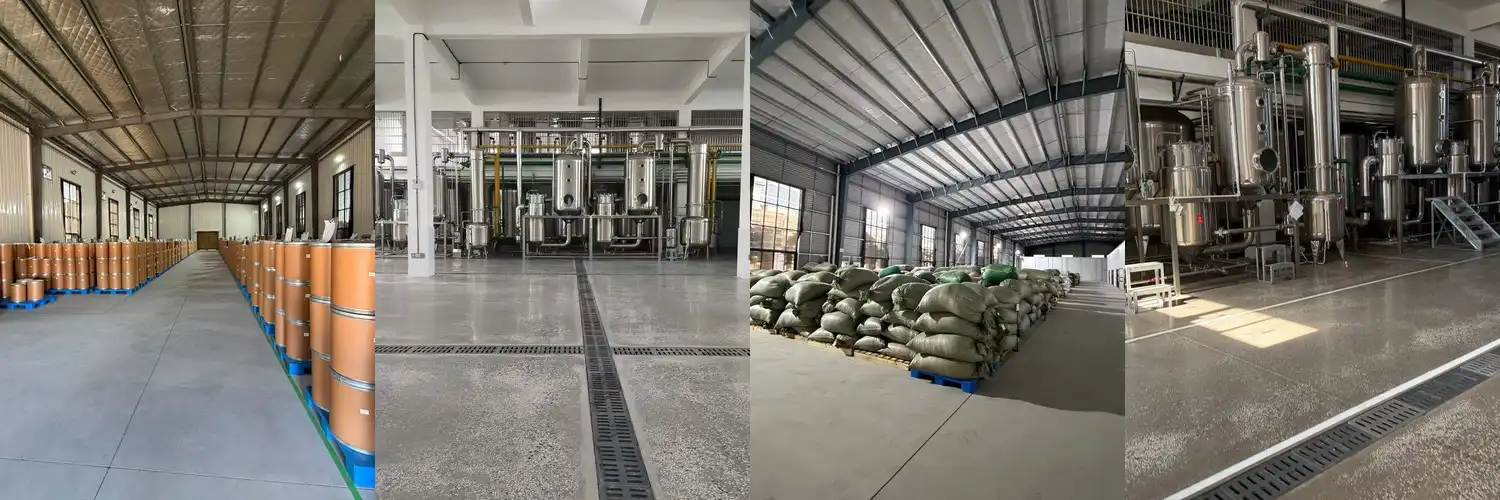
First, you should find out if the business makes, processes, ships, or sells things. There are several good options, but each one gives you a different amount of control over the records for the process and raw materials. Check out the tools for tracking, controlling the warehouse, extracting, and drying the product. You can also see the tests that are being done while the product is being made. Always make sure that the labels that say the product is organic, non-GMO, Halal, HACCP, or ISO-based are correct and up to date. They should also show where the product was made. Strong sellers also provide export papers for North America and Europe, as well as SDS files and allergy statements. They also answer hard questions quickly.
Choose Fruiting Body, Mycelium, or Dual Extract
Fruiting body extract helps brands look clean and expensive a lot of the time. Mycelium is used to make a lot of different things that you can buy. Where you can find them, how to grow them, and how much they cost are all different. You should learn about the substrate's grains, species name, and activity levels before you buy it. Sometimes you need parts that break down in water and parts that break down in alcohol. You can do that with the help of dual extracts. You should find out how they taste, how well they dissolve, how much liquid is left over, and how well the market is tracked before you use them. Also look at the file types. You might have to give up some control if you want to buy a lot of lion's mane extract powder, capsules, private-label goods, or OEM ones. It's simple to use, you don't need to order as much, and it costs less to make overall. The type you choose should depend on what you want to do with the product, how much money you have, and your product claim.
Score Offers and Avoid Common Sourcing Mistakes
People who want to buy Pure Lion's Mane Extract can use a weighted supplier evaluation report to help them make smart choices. You should think about the type of mushroom, where the raw materials come from, how they are extracted, how pure they are, how much of an active compound is standard, the test results for each batch, any certifications, how much they can make, how they can be customised, and how they do business. There could be more than one thing that buyers value most. Supplement makers might care more about technical documentation, batch consistency, and being able to keep track of products, while supplement distributors might care more about stable prices, reliable inventory, and having products available. When you compare Pure Lion's Mane Extract sellers, it's easy to pick the wrong one to buy from. Some buyers think that words like "organic" or "fruiting body" automatically mean that the product is better, while others rely on standards that may not be specific enough or are out of date to check the product. If the price per kilogram is low, it could also mean that the product has more fillers or carriers than the chemicals that users want. Don't just compare prices per kilogram; instead, look at the specs of Pure Lion's Mane Extract to see how much it costs per serving. You might want to keep a qualified backup supplier on hand for long-term purchases. Make sure there are clear agreements about things like having a safety stock, predicting demand, and letting the other party know ahead of time about any changes to raw materials, specifications, or production processes. These steps can help you get Pure Lion's Mane Extract more often, buy it with less risk, and keep the product's quality the same as your business grows.
Verify Safety, Run Samples, and Approve the Purchase
Check Safety and Regulatory Fit
Make sure that the safety and regulatory review is done before you accept an ingredient or write any promises for customers. It should say on the label what to do for people who are breastfeeding or pregnant. It should also say what to do for people who are allergic to mushrooms, have stomach problems, or take other drugs. There is a rule from 2007 called CGMP that says companies in the US that make vitamins must check the names of the ingredients they use. Part 111 of this rule says this. This is why the supplier papers are important. The same is true for supplements: they can't say they can heal or treat illness. Do not take a dose from somewhere else. Different types and amounts of materials have been used in studies with people, such as a test study that came out in Nutrients in 2023. Talk to a lawyer about what the label should say.
Run a Sample and Pilot Process
Before you buy samples, make sure you read the spec sheet, the process description, the certificates, and the allergy statement. Every batch should also have a certificate of analysis. The test piece needs to work just as well as the everyday stock and come from the same line. Check out the drink's colour, smell, and taste, as well as how well it mixes with other things, stays steady, spreads, dissolves, fills capsules, and squashes tablets. Test more than one batch if you can. Now you should both agree on the quality levels that are right for test results, how something feels, how wet it is, how many microbes it has, the size of the particles, the mass density, and how it looks. You should write these amounts down before you sign a business order.
Final Buyer Checklist
I look at this short list before telling a Pure Lion's Mane Extract seller that they're good.
- Identity and composition: Confirm Hericium erinaceus, the raw-material source, the plant part used, the extraction method, and the active-compound specification. Ask directly whether the powder contains carriers, fillers, or grain substrate, and get the answer in writing on the specification sheet. Validate moisture, particle size, solubility, and bulk density on a representative sample.
- Quality and compliance: Review batch-specific COAs, contaminant testing, current certifications, allergen and non-GMO documents, country-of-origin information, and market-specific compliance. Check that each certificate names the actual production site and product, and that dates are still valid before the purchase order goes out. Keep copies in your supplier file for audits and customer questions.
- Commercial terms: Agree on MOQ, pricing, payment terms, capacity, lead time, packaging, rejection procedures, change control, and backup supply. Add any private-label, OEM, or custom-formulation needs now, so the quality agreement covers them from the first shipment rather than after a problem appears. Written terms protect both sides and keep deliveries predictable.
Going through these three groups quickly fills in a lot of the blanks that cause lots to be turned down.
What FuYNature Lion's Mane Extract Offers B2B Buyers
Specifications and Quality Data
The powder that makes up our Lion's Mane Extract is tan to yellow-brown and smells like fruit. China makes it. 1% to 4% for hericenones and 1% to 4% for erinacines, both by HPLC. Mould has less than 1000 cfu/g, and the amount of heavy metals is just right. Right now, the product data doesn't put any limits on heavy metals, particle size, moisture, packaging, MOQ, or lead time. Before you place your order, please call us to make sure you have these details correct.
Farm-to-Factory Production Control and Certificates
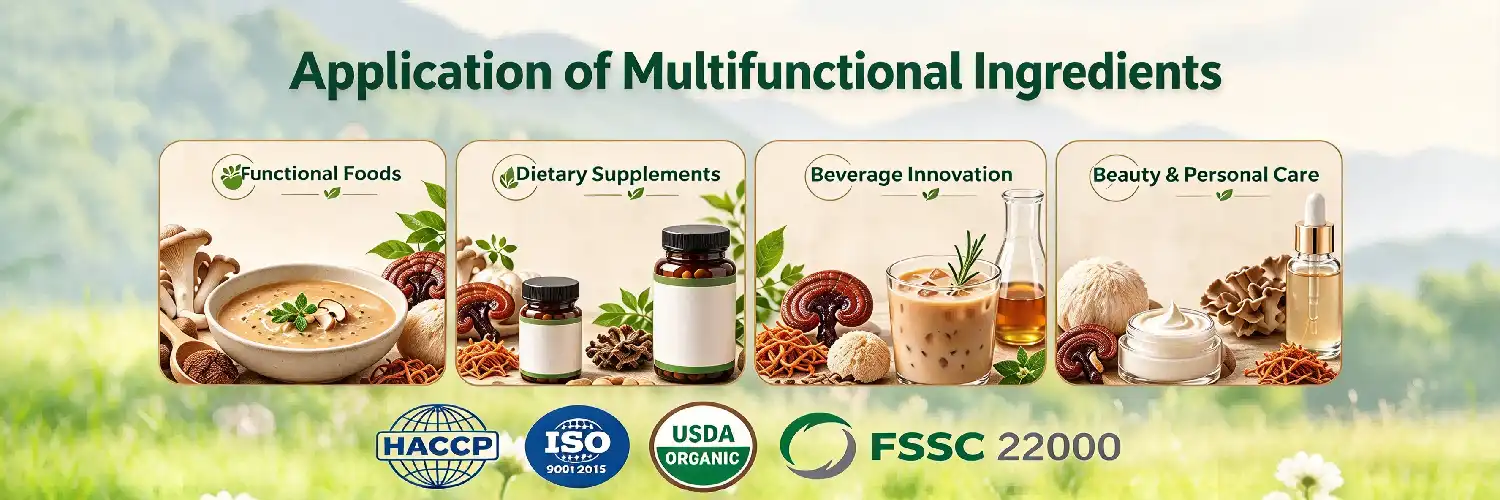
All parts of the growth process are controlled by a single system, from choosing the strain to making the powder. It is this system that also makes the fruiting body. The business says that the apple body powder and extract are made in a way that meets the requirements for organic exports in both the US and the EU. There are four certifications for this item: FSSC 22000, USDA Organic, HACCP, and ISO9001:2015. There are rules that you must follow to say that something is organic in the US. These are set by the USDA National Organic Program (7 CFR Part 205). We'll make sure you have the right forms if you tell us who you want to talk to. Keep the powder somewhere cool and dry, not near light or heat. You can keep it for 24 months.
Applications, Customization, and Technical Support
For cookies, solid drinks, oral liquids, capsules, and tea, this information is useful. You need to know your base and process in order for tests to be useful. Check the fill weight and powder flow of the capsules, the sediment and mixing ability of the tea, the stability and dissolving ability of the drinks, and the taste and heat-handling ability of the biscuits. It is up to you how much information to show. This is the dosage form. Please send it to us along with a list of people you want to reach. FuYNature Biotechnology has already filed 54 invention patents since it began in 2012. The research and development team for the company is led by four PhDs. If you ask, we can help you with scientific proof, patent licensing, and following the rules when coming up with ideas for formulation and dosage forms. Making things that are already made to order needs its own discussion.
Conclusion
You can choose Pure Lion's Mane Extract if you need a steady B2B supply. There is proof of this for you to see. Write down what kind of plant it is, what part of the plant it is, how it was extracted, what carriers and marker compounds are used, and how those compounds are tested using a named method. In the law, the word "pure" doesn't always mean the same thing. You shouldn't judge how strong something is by how much of it is extracted or how much it costs per kilogram. Instead, you should use live content that is standardised and certificates that are unique to each batch. Look at the type of supplier, their current certifications, a weighted scorecard, the safety and regulatory review, and the pilot tests that use the real dosage form. This will help a batch work better. In real life, it looks like this: fruiting body powder, hericenones and erinacines checked by HPLC, controlled farming, listed certificates, and clear things to make sure of before you place an order.
FAQ
What documents should I request before buying lion's mane extract powder?
Request the specification sheet, a batch-specific certificate of analysis, the process description, SDS, current certifications, an allergen statement, and origin documents. Make sure each document names the production site and product you plan to buy, and compare it with your own incoming test.
Is a higher extraction ratio always better?
No. A 10:1 extract is not automatically stronger than a 4:1 extract. Compare standardized active content, test results, and cost per serving instead of the ratio or the price per kilogram.
What is the difference between raw powder and an extract?
Raw powder is dried and milled mushroom. An extract is processed to concentrate selected compounds and to improve how the powder performs in capsules, beverages, and other formats.
Which details are not listed for FuYNature Lion's Mane Extract?
The current product data does not list specific heavy metal limits, particle size, moisture, packaging, MOQ, or lead time. Please contact us to confirm them before ordering, and tell us if you need a custom content level.
Request a Pure Lion's Mane Extract Sourcing Review with FuYNature
Looking for a Pure Lion's Mane Extract supplier with clear documentation? FuYNature offers Lion's Mane Extract from an integrated cultivation system, with USDA Organic and FSSC 22000 certificates. Email info@extrabroc.com with your dosage form, target market, and content level, or visit extrabroc.com. We will confirm which specifications, sample options, and batch documents are available for your order.
References
1. Phytotherapy Research, 2009. Improving effects of the mushroom Yamabushitake (Hericium erinaceus) on mild cognitive impairment: a double-blind placebo-controlled clinical trial.
2. Journal of Agricultural and Food Chemistry, 2015. Chemistry, nutrition, and health-promoting properties of Hericium erinaceus (lion's mane) mushroom fruiting bodies and mycelia and their bioactive compounds.
3. Frontiers in Aging Neuroscience, 2020. Prevention of early Alzheimer's disease by erinacine A-enriched Hericium erinaceus mycelia: a pilot double-blind, placebo-controlled study.
4. Nutrients, 2023. The acute and chronic effects of lion's mane mushroom supplementation on cognitive function, stress and mood in young adults: a double-blind, parallel groups, pilot study.
5. U.S. Food and Drug Administration, 2007. Current Good Manufacturing Practice in Manufacturing, Packaging, Labeling, or Holding Operations for Dietary Supplements (21 CFR Part 111).
6. U.S. Department of Agriculture, National Organic Program, 2000. National Organic Program regulations (7 CFR Part 205).