Broccoli Seed Extract 1% Sulforaphane for Functional Food Formulators
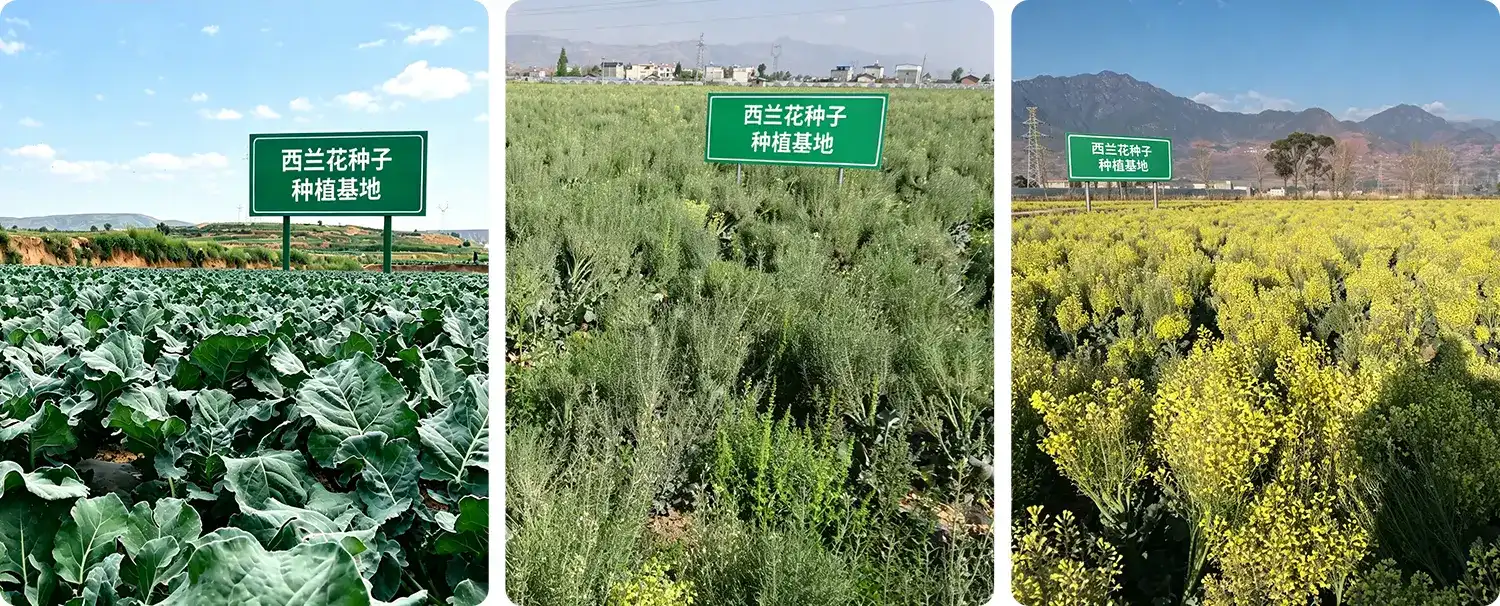
Broccoli Seed Extract 1% Sulforaphane for Functional Food Formulators is a standardized, water-extracted powder that delivers sulforaphane from glucoraphanin in a stable, dry format. It suits capsules, tablets, powder blends, and other nutrition products. FuYNature offers a light yellow fine powder with sulforaphane at 1% or higher by HPLC, a 24-month shelf life, and an in vivo conversion rate of at least 55.8%. The right choice depends on documented assay, conversion, and stability data. In this guide, I explain what the 1% figure means, which specifications to request, and how to choose a supplier.
What Is Broccoli Seed Extract 1% Sulforaphane?
Sulforaphane, Glucoraphanin, and Myrosinase Explained
Glucoraphanin is a stable precursor that is stored in broccoli seeds from Brassica oleracea var. italica. When the enzyme myrosinase breaks down glucoraphanin, sulforaphane is made. This process was written about in PLoS ONE in 2015. Because sulforaphane is easily broken down by heat and water, it is hard to keep in a finished product. There are a lot of companies that only sell the precursor and don't do the conversion in the gut bacteria. This means that results will be different for each person. The FuYNature powder has a special mix of glucoraphanin, horseradish powder (which has myrosinase), and calcium salts. Instead of leaving conversion up to chance, this design tries for steady sulforaphane release.
Why the Assay Definition Behind "1%" Matters
"1% sulforaphane" is used in different ways by different groups. Some measure glucoraphanin, others measure free sulforaphane, and still others report possible sulforaphane after conversion. You can't directly compare those numbers. The FuYNature specification says that sulforaphane must be at least 1%, which was checked using an internal HPLC method. Before you accept a lot, you should ask each seller to describe the HPLC method, the compound it can detect, and the reason for the conversion. Our team can help with questions about tests and processes, such as HPLC analysis, so your lab can compare the number to its own way. With a clear meaning, your label claim will always match up with what's in the product.
Seed Extract Versus Broccoli Sprout Extract
Both ingredients are from the same species, but they come from different places. Young plants that have been grown over a few days are called sprouts. Because seeds are dry, easy to store, and high in glucoraphanin, seed extract is good for planning long-term amounts. A 1997 PNAS study was one of the first to look at sprouts. Do not think that sprout results will work with a seed-based powder. To find proof of the exact item, look for it. FuYNature says that its sulforaphane-release device has been used in more than 10 clinical trials and real-world tests with people. Please ask our team for the study details that are right for what you want to do.
Benefits and Functional Value for Product Development
How Sulforaphane Activates the Nrf2 Pathway?
Sulforaphane is an isothiocyanate that scientists study to see how it affects the Nrf2 pathway. As discussed in Trends in Molecular Medicine in 2012, this pathway controls genes that help the cell fight free radicals and toxins. The way FuYNature works is by turning on Nrf2 to help cells stay healthy. For thirteen years, FuYNature has been focusing on Nrf2-centered nutrition and keeps a secret library of six molecular signaling pathway targets, such as Nrf2 and APC. It's easier for formulators to make a clear product story when they know how the product works. Still, every comment has to follow the rules of the target market and the proof.
Conversion Efficiency and Serving Consistency
How useful something is for you depends on how much sulforaphane your body gets. FuYNature says that the rate of conversion in living things is at least 55.8%, with little difference between people. A small range helps formulators find a dose that works for the body at a serving size that is legal. It also helps people see that the results are the same from batch to batch. Molecules published a review in 2019 that asked whether the source or dose of sulforaphane is more important. This shows how important it is to pay attention to standardization. Regular delivery also makes it easier for your team to name things and check the quality.
Application Areas and Responsible Claims
Anti-aging and long-life products, products that help with mood and sleep, metabolic health, sports nutrition, and weight management are all things that Broccoli Seed Extract 1% Sulforaphane focuses on. Structure/function claims on dietary products sold in the US must be true and based on proof. Another thing they need is the FDA disclaimer, and the brand has to tell the FDA within 30 days of the first marketing. It is against the law to say that a supplement cures or stops disease. Some clinical data from other sources, like a 2014 study of a broccoli sprout drink in China that was published in Cancer Prevention Research, might not apply to your final product. Plan to back up what you say with proof that is specific to the offering.
Key Specifications, Testing, and Quality Documentation
Core Specifications to Request
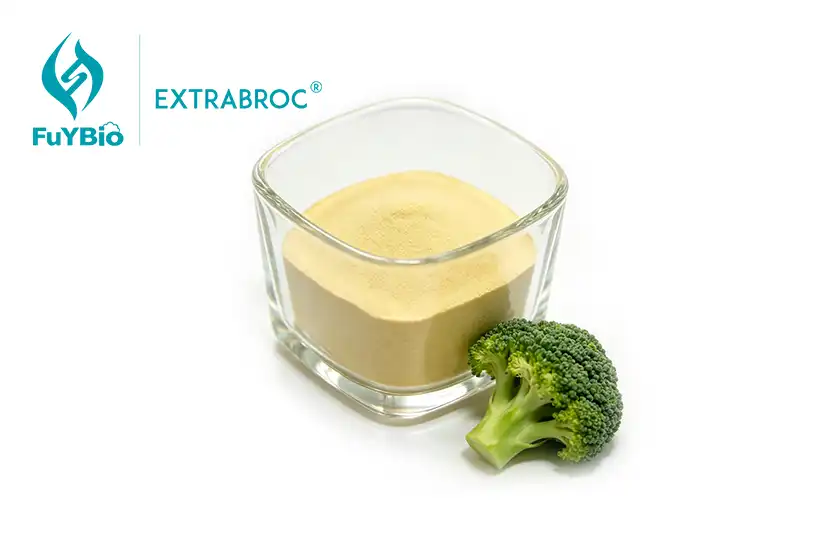
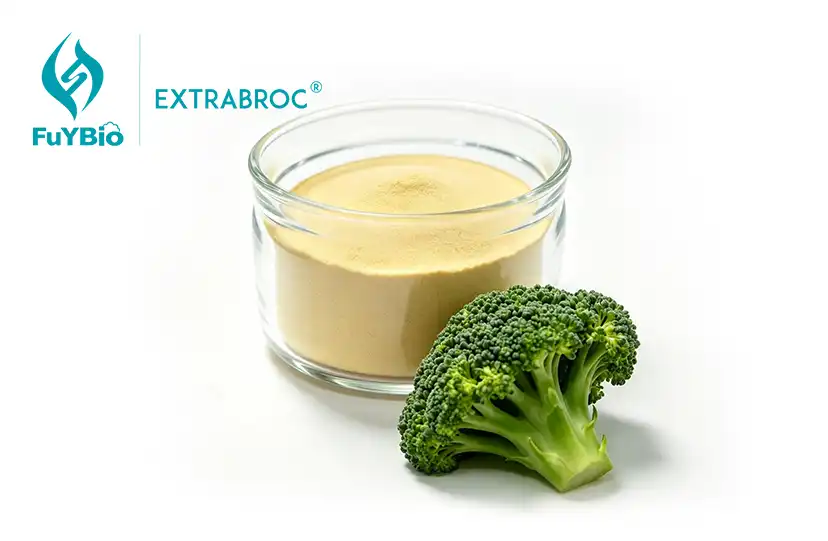
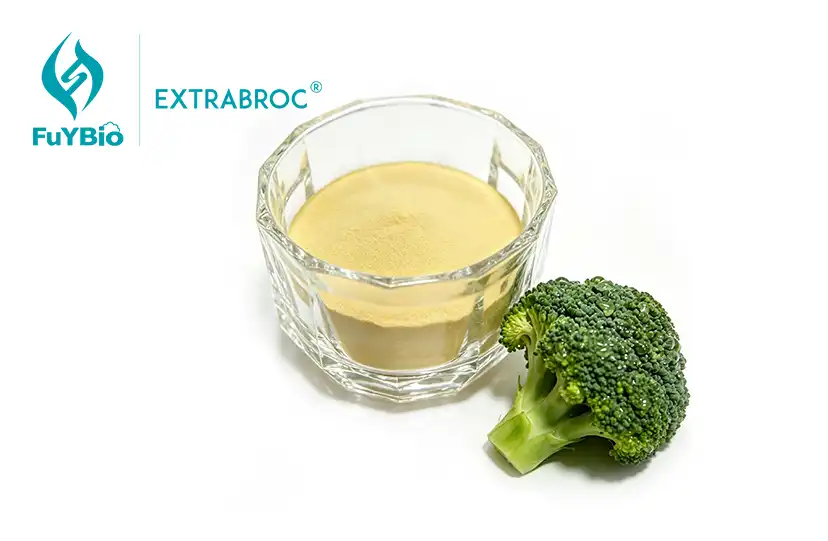
These are the things that are written in the FuYNature specification. Very Good Efficiency: The 1% stabilized sulforaphane powder is light yellow and has a strong smell. It comes from the seed and is extracted with water. It is from China. By HPLC, sulforaphane is at least 1%, and the particles are at least 90% of the size at 180 μm. If you keep it right, it will last for two years. Ask for moisture, bulk density, flowability, carrier content, and allergen statements for every lot you look at in addition to these numbers. The extract is made from pure water and doesn't contain any organic solvents, so you can talk to your customers about a cleaner label.
Contaminant and Microbial Data
Every certificate of analysis should have safety information on it. The FuYNature specification says that the inorganic arsenic level is 0.042 εg/g and the total aerobic bacterial count is less than 10 cfu/g. The extract also meets standards for over 500 different things, such as heavy metals, bacteria, and herbicide residues. The batch number, manufacturing date, assay result, test method, and quality approval should all be on a full COA. Make sure the testing covers the U.S. market, and for big programs, think about getting a third party to check them out. Over time, compare several lots because consistency from batch to batch tells you more than one good thing.
Stability, Storage, and Traceability
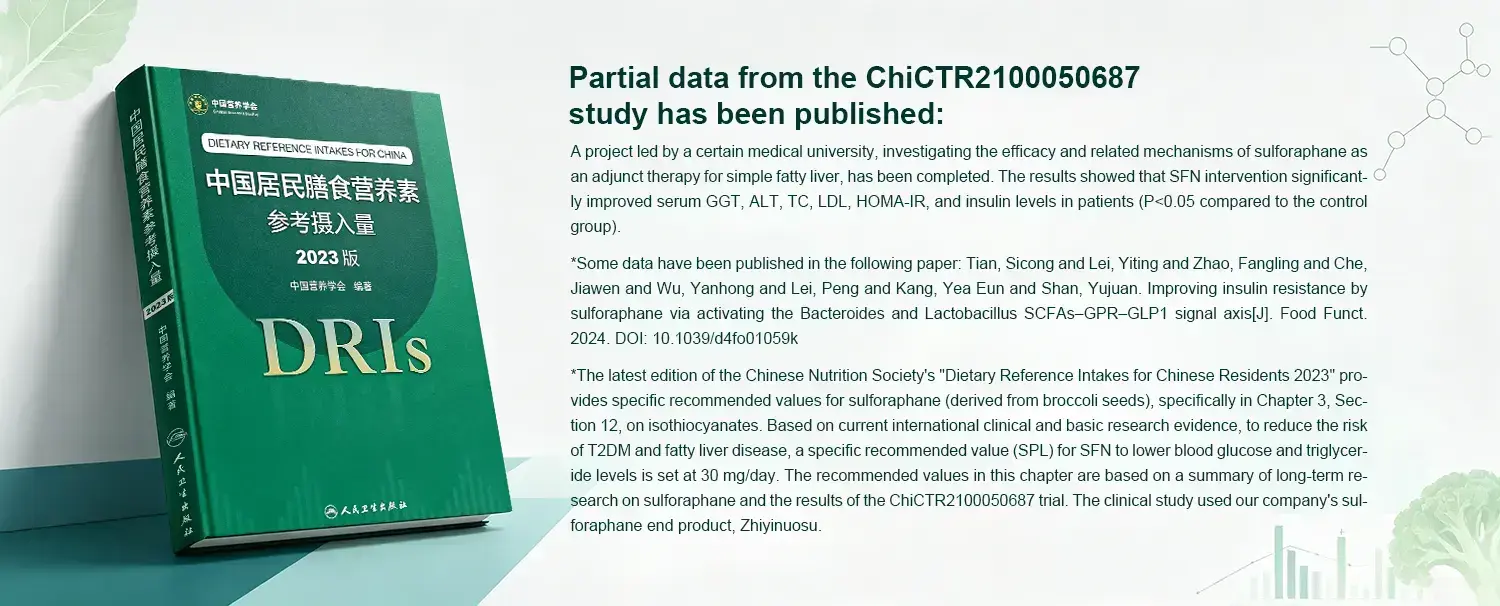
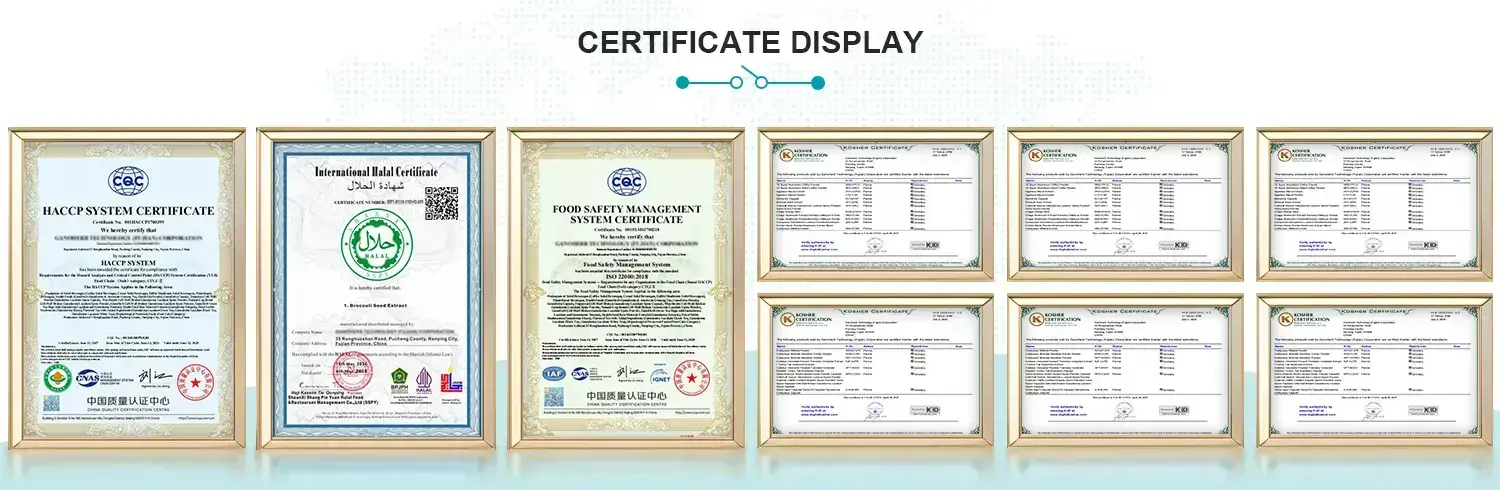
A lot of sulforaphane goods have trouble with stability. FuYNature has a 24-month shelf life and says it won't break down or lose its effectiveness at room temperature for two years. Still, store the powder somewhere cool and dry, away from light and heat, and make sure the packaging is correct with your warehouse team. The companies that make our products are certified by GMP, ISO22000, HACCP, and HALAL. The raw material meets the standards set by the US FDA GRAS and USP-NF. There is full tracking from where the seeds come from to where the finished raw material comes from, so if you have a question, you can follow any lot back to where it came from.
Formulation Applications for Functional Food and Supplements
Capsules, Tablets, and Powder Blends
The best place to start is with dry forms. Actives that are sensitive to water and heat are usually better protected by low moisture, and a fine powder is a good base for mixing. Check to see if capsules can flow and if the fill weight is uniform. When testing tablets, squeeze them and look for any sticking. Check how the powder spreads out in stick packs and bags and how well its smell fits with your taste system. Our team can change the formulas for you, such as the amount of ingredients, the dosage form, and combination formulas, so you can get powder that works with your equipment and serves the right number of people.
Beverages, Shots, and Gummies
More tests need to be done on wet and heated formats for Broccoli Seed Extract 1% Sulforaphane. Water can make enzymes work faster, and heat, pH, and time on the shelf can change how much sulforaphane is left. Stable data for raw materials doesn't mean that a drink or candy will also be stable. Check the retention at the end of the shelf life as well as when it was first filled. Check the texture of gummies and the amount of sediment in liquids. Taste is also important. The main smell might come through in light tastes, and stronger flavor systems might help, but sensory groups should make the final pick.
Pilot Batches and Stability Studies
Run pilot batches at the real temperature and mixing time before you go live. Check for uniform mixing, HPLC analysis, moisture, taste, and how well the packaging works. Do both real-time and rapid stability studies at the same time, and take samples at regular times during the shelf life that was planned. Keep track of any test errors and set clear limits for what is acceptable. Our technical team helps with testing and processes, such as HPLC analysis, and they also work with you to make evidence-based products for specific health uses. Problems with flavor, flow, or retention show up when batches are still small, so early collaboration can cut down on the number of times the recipe needs to be changed.
Choosing a Supplier, Dosage, and Regulatory Review
Supplier Checklist and Commercial Terms
Price doesn't always tell the whole story. Assay description and HPLC method, batch COAs, certifications, MOQ, lead time, capacity, packing, private-label support, shelf life, and export papers are some of the things that you should write down on a list. Trading companies that resell lots aren't as likely to offer close technical support and control over production as direct manufacturers and their sales arms. FuYNature relies on its R&D team to carry out seed screening, extraction, new drug development and clinical trial related businesses. The annual bulk supply capacity reaches 50 tons, with air and sea shipping available. Patent licensing support is subject to order volume.
Dosage and Safety Calculations
Start with the assay that has been confirmed. To give you an idea, a serving with 10 mg of sulforaphane from a 1% lot needs 1,000 mg of extract. This is not a recommended dose. Add the rest of the ingredients to the mixture and check the daily amount. Based on your own data on stability, you should account for processing losses. Look over how well it works and whether it might react with other plants. Add warnings for kids, women who are pregnant or nursing, and people who are taking medicine, and tell people to talk to a doctor. Label mistakes can be avoided by doing good math at the beginning.
U.S. Regulatory Review and Procurement Workflow
The raw material meets the standards of the US FDA GRAS and USP-NF, and it is recognized as a new food raw material by China's National Health Commission. Still, your legal team should make sure that the ingredient works with your label and final product. Then stick to a simple process. Set the format, dose goal, market, and yearly output. Look at the sample, COA, and data sheet to find suppliers. After lab and pilot tests, the final limits and change control rules should be approved. It is important not to make these three mistakes: believing that all 1% claims are equal, going for the cheapest option without checking the test scope, and buying in bulk before accepting a representative sample.
Conclusion
Buyers of Broccoli Seed Extract 1% Sulforaphane should know what the percentage means and how the ingredient works in a finished product. Sulforaphane is made from glucoraphanin by myrosinase, so the label number is not the only thing that matters. The conversion scheme, assay method, and stability data are also important. The FuYNature powder has glucoraphanin, horseradish powder, and calcium salts in it. It has an in vivo conversion rate of at least 55.8%, lists sulforaphane at 1% or higher by HPLC, and can be stored for two years. For simple development, dry formats work best, while drinks and gummies need more testing to make sure they keep their shape. The evaluation is finished with data on contaminants, certifications, traceability, and claims that follow U.S. law. Technical and legal risks are lower when the work is organized, from reviewing the specifications to running the sample tests.
FAQ
Is broccoli seed extract the same as broccoli sprout extract?
No. To make seed extract, you start with dry seeds, and to make sprout extract, you start with young plants. There are differences in supply, composition, and research, so look at the evidence to find the exact ingredient.
Does 1% always mean 1% active sulforaphane?
No, suppliers may report glucoraphanin, free sulforaphane, or possible sulforaphane after conversion. A proprietary HPLC method used by FuYNature shows that sulforaphane levels are at least 1%, so you should always ask for the method.
Which product formats work with this powder?
The easiest to use are capsules, tablets, powder blends, and sachets. You can make drinks and gummies, but you need to test their safety in your own grid.
Which documents should I request?
Ask for the specification, the most recent COA, HPLC data, microbial and heavy metal results, certifications, the minimum order quantity (MOQ), the lead time, and storage instructions.
What supply capacity can I expect?
We ship 50 tons of bulk goods every year by air or sea. You can change the product specifications to fit your needs.
CTA: Request a Broccoli Seed Extract 1% Sulforaphane Sample and Specification Package from FuYNature
Are you ready to use a stabilized sulforaphane powder in your next recipe? FuYNature supplies Broccoli Seed Extract 1% Sulforaphane, holding patents in China and Japan, with its US patent under substantive examination.They offer samples, HPLC support, formula modification, and bulk supply of up to 50 tons per year. The powder has a conversion rate of at least 55.8% in living things and stays stable at room temperature for 24 months. Send an email to info@extrabroc.com with your desired format, market, and yearly volume, or go to extrabroc.com for more information.
References
1. PLoS ONE, 2015. Fahey JW, et al. "Sulforaphane Bioavailability from Glucoraphanin-Rich Broccoli: Control by Active Endogenous Myrosinase."
2. Proceedings of the National Academy of Sciences (PNAS), 1997. Fahey JW, Zhang Y, Talalay P. "Broccoli Sprouts: An Exceptionally Rich Source of Inducers of Enzymes That Protect Against Chemical Carcinogens."
3. Trends in Molecular Medicine, 2012. Dinkova-Kostova AT, Kostov RV. "Glucosinolates and Isothiocyanates in Health and Disease."
4. Cancer Prevention Research, 2014. Egner PA, et al. "Rapid and Sustainable Detoxification of Airborne Pollutants by Broccoli Sprout Beverage: Results of a Randomized Clinical Trial in China."
5. Molecules, 2019. Yagishita Y, Fahey JW, Dinkova-Kostova AT, Kensler TW. "Broccoli or Sulforaphane: Is It the Source or Dose That Matters?"
6. Oxidative Medicine and Cellular Longevity, 2019. Houghton CA. "Sulforaphane: Its 'Coming of Age' as a Clinically Relevant Nutraceutical in the Prevention and Treatment of Chronic Disease."