Broccoli Seed Extract 13% Glucoraphanin for Functional Beverage Production
Broccoli Seed Extract 13% Glucoraphanin is a normal botanical powder that is extracted with water. It helps functional drink makers put the right amount of medicine in powdered drinks, shakes, shots, and sachets. The 13% number comes from an HPLC test of the raw material, so the person making the formula doesn't have to guess how much glucoraphanin is in each serving. The powder's taste, colour, dispersion, and pH in each drink still need to be tested. So, before you place your order, you'll know what the standard means, how to use it, and which source checks are important.
What Is Broccoli Seed Extract 13% Glucoraphanin?
A Standardized Glucoraphanin Powder
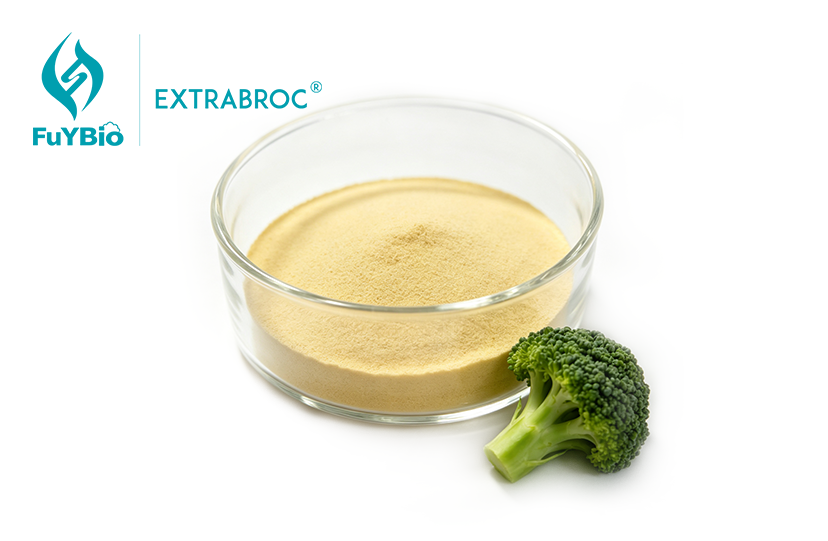
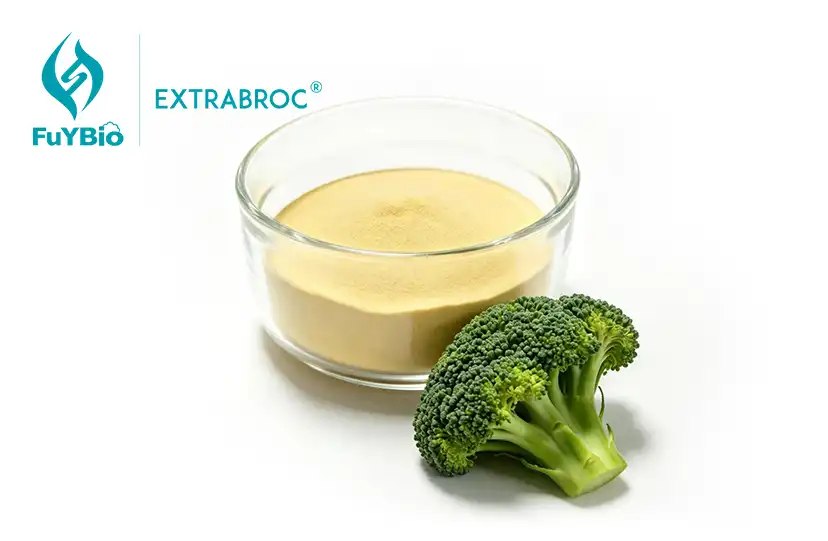
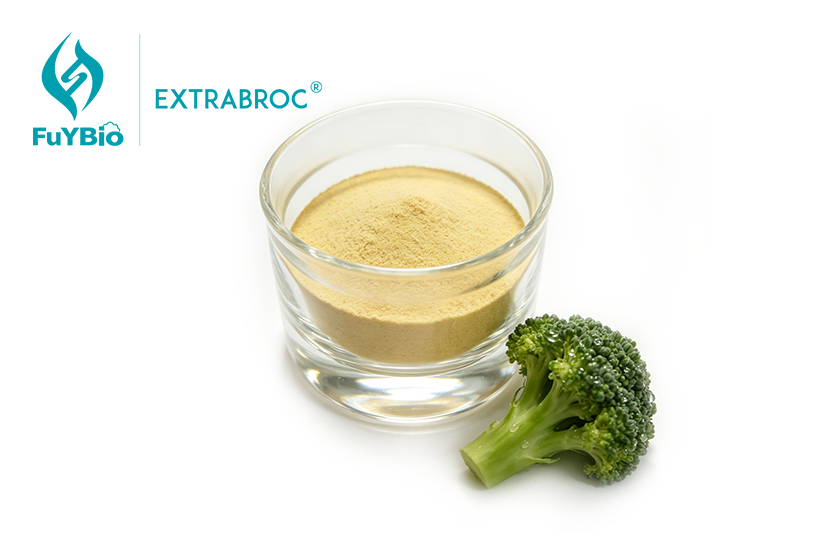
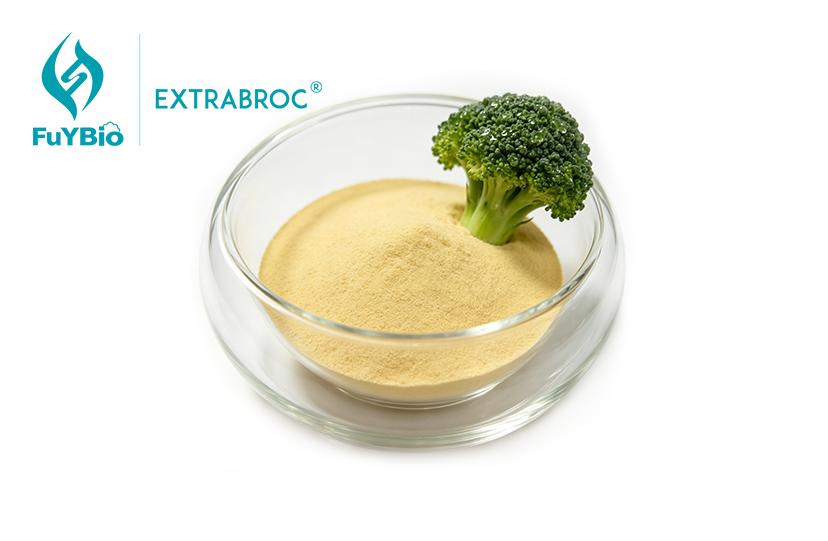
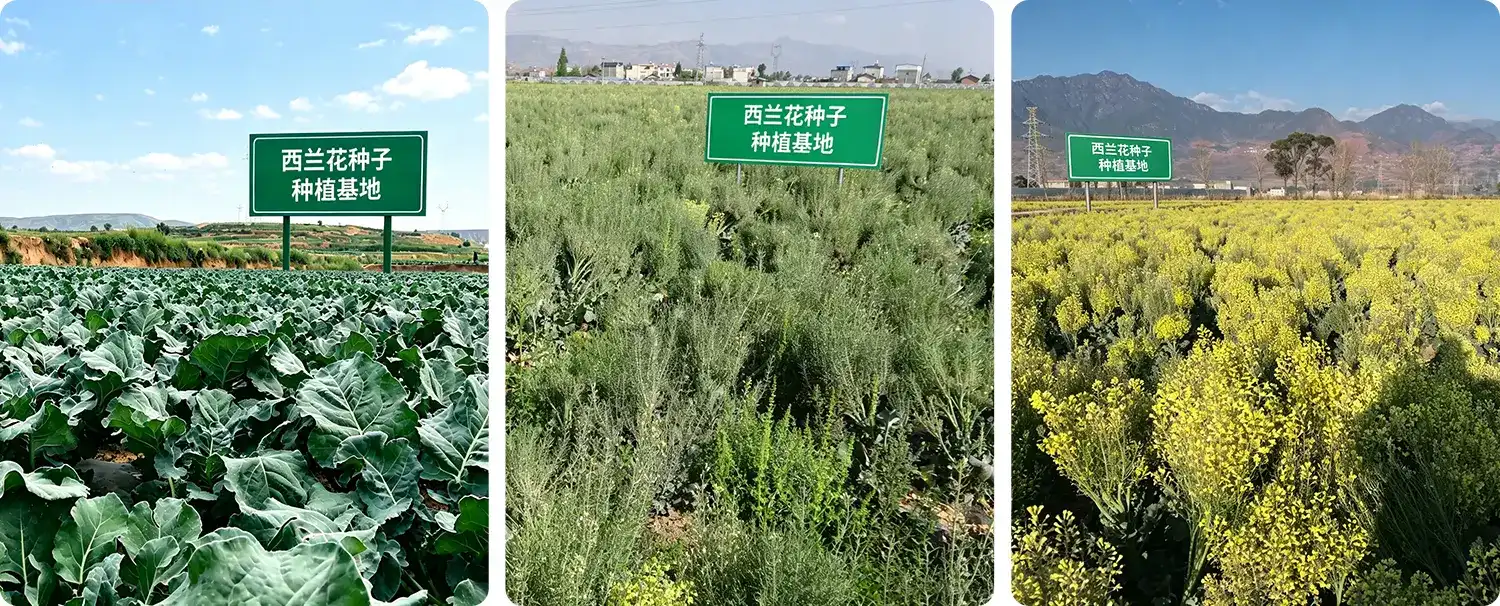
Brassica oleracea var. The broccoli seeds are called italica, and the glucoraphanin powder that comes from them is called FuYNature Broccoli Seed Extract 13% Glucoraphanin. As a fine, light yellow powder with a unique smell, it can only be taken with water. The built-in HPLC method makes sure that the amount of glucoraphanin is at least 13%, which is what the standard requires. To put it another way, 130 grams of glucoraphanin are in 1 kg of powder. The actual results depend on the batch test, the amount of water, and the losses during processing. Check the certificate of analysis (COA) and ask if the analysis is given "as-is" or on a "dry basis" to figure out the production numbers.
Seed Extract, Sprout Extract, and Sulforaphane Are Different Ingredients
You can call sulforaphane a glucosinolate, which is its main ingredient. As an Nrf2 pathway activator, sulforaphane is a drug that has been looked at a lot. Sulforaphane is made from glucoraphanin by an enzyme called myrosinase. In 2014, the Journal of Functional Foods published a review that said bacteria in the gut can make some of these changes when myrosinase is not working. Cancer Prevention Research published a study in 2011 that showed the way sulforaphane was given changed based on the form it was in. Sulforaphane products come from various locations and have various enzyme functions, carriers, tastes, and regulatory positions.FuYNature says that its broccoli seed aqueous extract technology can change at least 55.8% of sulforaphane into sulforaphane in living things. That being said, you should still test your drink before you serve it.
Key Specifications at a Glance
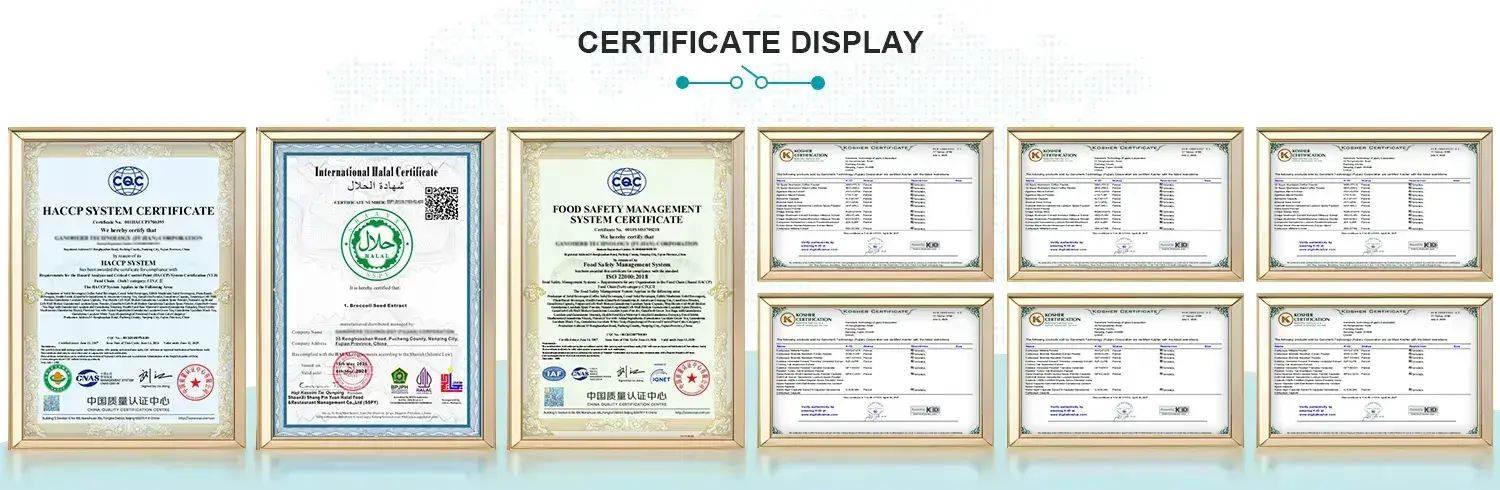
The specs sheet says that 90% of the particles are at least 180 μm in size. It was found that there is 0.052 mg/kg of inorganic arsenic and 280 cfu/g of aerobic bacteria. For two years, keep the thing somewhere cool and dry, out of the way of light and heat. A unique pre-treatment method is used to get rid of harmful impurities such as allyl isothiocyanate. The whole process can be seen, from the seed to the finished product. On the list are certifications from FDA, GMP, ISO22000, HACCP, and HALAL. This stuff is safe and meets the requirements set by China's New Food Raw Materials, the US FDA GRAS, and the USP-NF. Find out what numbers are unique to the batch from the present COA.
Why Use Broccoli Seed Extract 13% Glucoraphanin in Functional Beverage Production?
Predictable Dosing Across Batches
It's hard to figure out the right dose when different batches of plant powder don't have the same amount of glucoraphanin. With a standard Broccoli Seed Extract 13% Glucoraphanin, your R&D team can decide what they want to achieve with each dose, bottle, or card. For the quality team, this test helps them keep an eye on new lots and figure out how much powder they need. The 13% standard helps people buy healthy food and make sure the quality is good, but it's not a health claim for the food itself. Standardisation makes sure that the recipe is followed, but it doesn't mean that the finished drink doesn't need to be checked. I think you should do an in-house HPLC check on your first few lots to be sure of recovery.
Beverage Formats Worth Testing
I think you should start with Broccoli Seed Extract 13% Glucoraphanin that is dry. To make drinks, smoothies, and protein shakes, you can use powdered packs. These are ready to mix and don't need to be cooked or kept cold in a certain way. But more study needs to be done on how liquid shots and enhanced drinks settle, how acidic they are, and how long they last. This part can be used in powders, pills, and different kinds of drink carriers. At this point, it's already found in functional foods, sports drinks, dietary supplements, and medical foods. Because the amount of water to powder, the time it was heated, and how it was packed can all change the results, each style needs its own bench test. Choose the format that fits the way you make things now best.
Water Extraction and Clean-Label Positioning
Your ingredients need to have a simple history if you want to use clean labels. There are no organic solvents used by FuYNature to get the stuff out. It only uses water. The stuff doesn't have any GMOs and checks out clean for over 500 different things, like heavy metals, bacteria, and chemical leftovers. Full-process traceability lets you show retailers and auditors the whole process, from the seed to the powder that is ready to sell. It still depends on the container, the other ingredients, and the people you want to reach for a clean-label claim. Make sure that the message on the sign follows the rules before you put it up. We can back up that review with proof from our team.
Formulating With Broccoli Seed Extract 13% Glucoraphanin in Beverages
Solubility and Dispersibility
When you add a powder mix to water, it doesn't always dissolve right away. There are various types of dispersion, suspension, and breakdown that act in various ways. The result is based on the whole powder structure, not just the glucoraphanin test. Find out from your service provider how much water to powder you need, and then make it yourself to make sure it's right. If our particles are at least 90% 180 μm in size, that gives your team a place to start with their wetting and mixing tests. During the shelf life, keep an eye on the clarity, clumping, and sediment. What kind of wrapper you choose also changes how the food tastes, whether it works with sugar-free foods, and what's written on the package.
Taste, Color, and Stability
Broccoli pills may smell like leaves, be bitter, or have a sulphurous smell. It often helps to hide the flavour, change the acid or sweetener, or encapsulate the flavour. However, you can't know what will work in your base until you try it. Look at the colour too. The pH level and heat can change how the drink looks when it's done. Broccoli Seed Extract 13% Glucoraphanin should be checked for pH, heat, air, and light. At the end of its shelf life, it should be checked to see how much of it is still there. Keep the raw powder somewhere cool and dry, away from heat and light. This is what it means for the shelf life to be two years.
Calculating the Dose
You need to know how much glucoraphanin you want to add to each serving before you set the addition level. Divide the target glucoraphanin by the glucoraphanin fraction to get the amount of extract you need. The goal is 50 mg, and the powder has 13% of that. Then 50 mg times 0.13 is equal to about 385 mg of extract. Let's not talk about a dose here; this is just a math example. From each batch's COA, change 0.13 to the real test to make the product. Make samples in the lab at different levels of inclusion before locking down the addition sequence and mixing parameters. Write down how they wet, how long they mix, how they settle, how they taste, how they look, and how much potency they recover.
How to Choose a Broccoli Seed Extract 13% Glucoraphanin Supplier?
Compare Cost per Effective Dose
Broccoli Seed Extract 13% Glucoraphanin price per kg doesn't tell the whole story. A 13% powder needs about 23% less material by weight than a 10% powder (10 ÷ 13 = 0.77 grams) to make the same amount of glucoraphanin. You can only use this savings if the taste, stability, and spread meet your needs. Find out how much glucoraphanin costs per amount that works, taking into account how much it costs to test and handle. Powder works well with dry mixes, but when it comes to liquid concentrates, you need to pay more attention to the stabilisers, how the water acts, and the packaging. Different natural and man-made sources of Broccoli Seed Extract 13% Glucoraphanin can be different in how pure they are and how well they fit the market. Write down what you want the source to be.
Documents and Checks to Request
If you have technical questions, a good service should be able to answer them quickly and give you the information you need. Not just the COA and safety statement should you ask for them. You should also ask for a technical data sheet, a definition of the product, and a way to analyse it. Find out about bacteria, heavy metals, pesticides, and residual chemicals. Also, find out how stable the substance is. Find out how the supplier handles changes, results that don't meet specifications, and making sure that samples are representative. It makes searches go faster when you can follow a product from the beginning to the end. Your lab can compare our data to their own because FuYNature works with HPLC research. The people on our team can help you find the files you need for your job.
What FuYNature Brings to Beverage Projects?
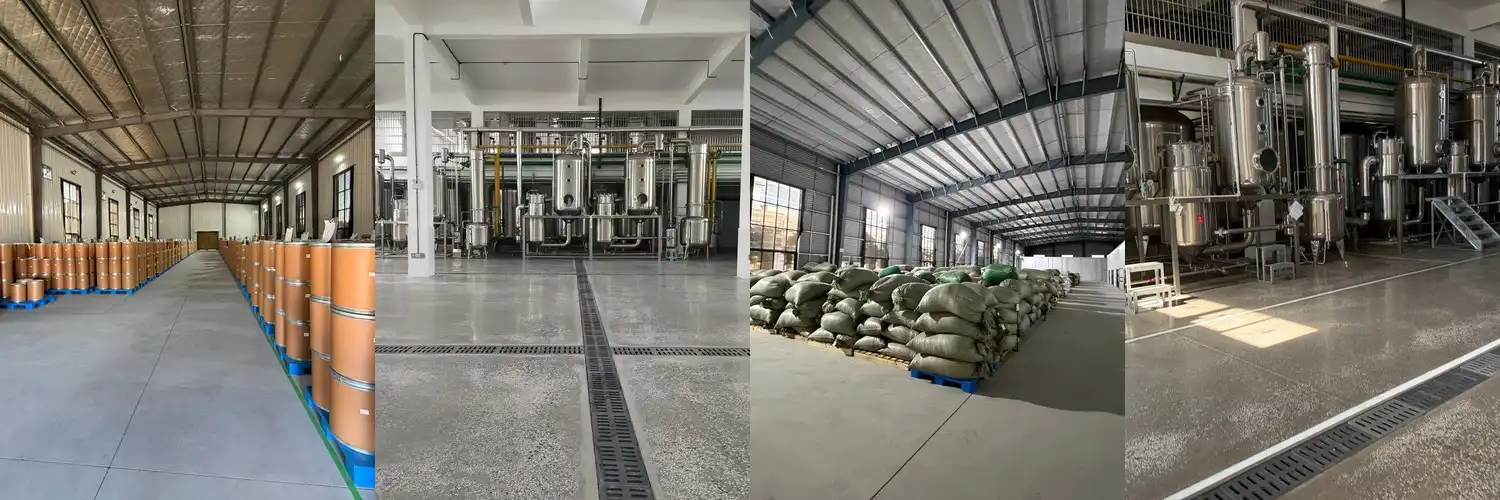
FuYNature Backed by an R&D team led by four PhDs, it specializes in the research and development of functional foods centered on the Nrf2 pathway.FuYNature says that its broccoli seed aqueous extract technology has been used in over 10 finished clinical trials and studies that took place in the real world. We can ship by air or sea, and each year we can handle 50 tonnes. Services might include making formulas more specific, working on technical projects together, helping with processes, and patent licensing. It all depends on the size of the order.
Managing Risks and Qualifying Your Supply
Common Risks in Beverage Projects
Even if the test says the alcohol is 13%, that doesn't mean the finished drink will be the same strength. This is because sampling, handling, and storage can all lower recovery. Standardisation doesn't promise that things will go away or be put on hold forever. On the Broccoli Seed Extract 13% Glucoraphanin label, don't put sulforaphane. Also, be sure that any promise you make is based on what you truly believe. Choose a service based on price alone, don't give in to anger, and don't forget to go over the rules with the people you want to serve. There are different rules for each type of product in the US, so talk to a regulatory lawyer about the status of ingredients and how to word claims. The risks are smaller when pilot tests and full goods are tested.
A Four-Step Qualification Plan
The first step is to choose the type of drink, the dose size, the glucoraphanin goal, the licenses, the yearly demand, and the scheduling of the delivery. The second step is to narrow down the list of suppliers by checking their paperwork, seeing if they can make the product, and getting technical help. Third, test a sample and rate how it spreads, tastes, looks, settles, and gets stronger in the whole mix. Step 4: Get approval from the business. This is where you agree on the price, packaging, minimum order quantity (MOQ), and specs. In order for your test to match the bulk shipment, ask for a sample that was taken from commercial production material. Allow time for things to settle down before setting a start date.
Quality Agreements and Ongoing Monitoring
Write down the terms when you’re ready to buy from someone. An understanding of quality or standards should spell out things like test ranges, batch release, change control, and how to handle problems that don't meet standards. Check the strength of a plan that fits your level of risk and compare each lot to its COA. Before you change where the raw materials come from, how they are extracted, or where the product is made, you should let people know. Make sure you know how to fill out the export packing and customs papers before you send something abroad. This is done so that differences between batches can be seen and so that everyone knows what to do if a lot of them get lost.
Conclusion
Broccoli Seed Extract 13% Glucoraphanin is a standard, water-extracted powder that helps drink makers figure out amounts, buy the right stuff, and check the quality. The 13% number refers to the raw material. There is a difference between glucoraphanin and sulforaphane, and the strength, taste, colour, and ability to stay stable need to be checked in all sorts of drinks. A dose formula and a cost-per-effective-dose comparison show that there is more value than just price per kilogram. A COA, tracking, contaminant data, and a change notice are some of the checks that suppliers do that make things safer. Goods are always on hand thanks to a signed design agreement and a four-step approval plan. Control is better when things are standardised, but the success of a drink depends on how well it is tested and labelled.
FAQ
Does the extract dissolve completely in water?
Adding water to the powder makes the extract, but how well it dissolves depends on the powder, the amount of water used, and how it is mixed. Use your own formula to check this and get information from the supplier.
How do I calculate the amount to add?
Divide your glucoraphanin target by 0.13 and then put that number back where it belongs to find the actual batch assay. Like, you would need about 385 mg of Broccoli Seed Extract 13% Glucoraphanin to reach a 50 mg goal. How stable it is and how it feels will tell you how much to use.
Is glucoraphanin the same as sulforaphane?
No, the precursor is glucoraphanin, and it needs to be converted into sulforaphane by an enzyme called myrosinase or by bacteria in the gut. On your label, only write down the things you tried.
Which documents should I request before approval?
You need to ask for the COA, the product specification, the HPLC method, the bacteria results, the heavy metal and pesticide data, the leftover solvent data, the allergen statement, and the stability data.
Can I use it in ready-to-drink bottles?
Maybe, but pH, sedimentation, air exposure, and shelf life need more research when it comes to liquid forms. Powdered packets or shake mixes are a good way to start before moving on to liquid trials.
Request a Broccoli Seed Extract 13% Glucoraphanin Sample or Bulk Quote
Looking for a Broccoli Seed Extract 13% Glucoraphanin supplier for your next drink project? FuYNature offers 50 tons of annual capacity, a two-year shelf life, HPLC-tested specifications, and formula customization. Email info@extrabroc.com to request a sample, COA, product specification, bulk pricing, or OEM and private-label support, or visit extrabroc.com for details. Our team will discuss your beverage format, glucoraphanin target, packaging, and air or sea shipping.
References
1. Proceedings of the National Academy of Sciences, 1997. "Broccoli sprouts: An exceptionally rich source of inducers of enzymes that protect against chemical carcinogens."
2. Cancer Prevention Research, 2011. "Bioavailability of sulforaphane from two broccoli sprout beverages: Results of a short-term, cross-over clinical trial in Qidong, China."
3. Journal of Functional Foods, 2014. "Glucosinolate hydrolysis and bioavailability of resulting isothiocyanates: Focus on glucoraphanin."
4. PLoS ONE, 2015. "Sulforaphane bioavailability from glucoraphanin-rich broccoli: Control by active endogenous myrosinase."
5. Journal of Medicinal Food, 2019. "Isothiocyanate from broccoli, sulforaphane, and its properties."
6. Frontiers in Nutrition, 2021. "The challenges of designing and implementing clinical trials with broccoli sprouts… and turning evidence into public health action."