Haematococcus Pluvialis Astaxanthin Powder for Dry Premix Production
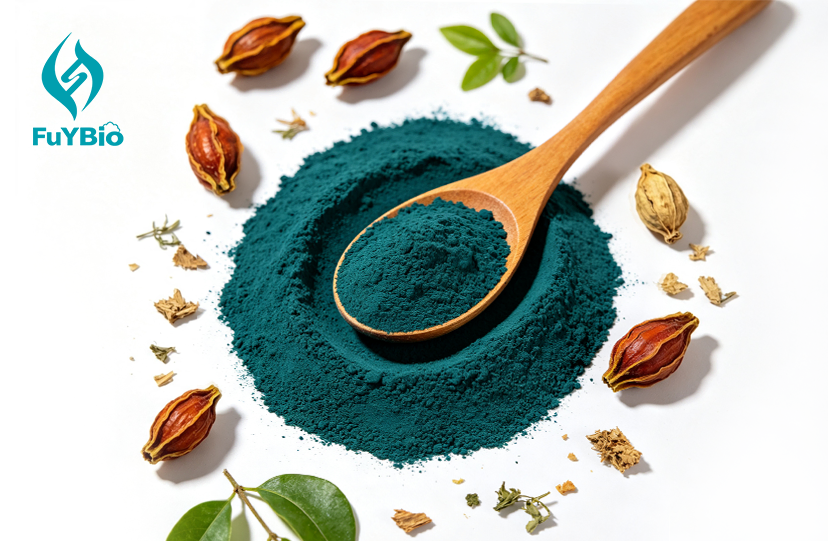
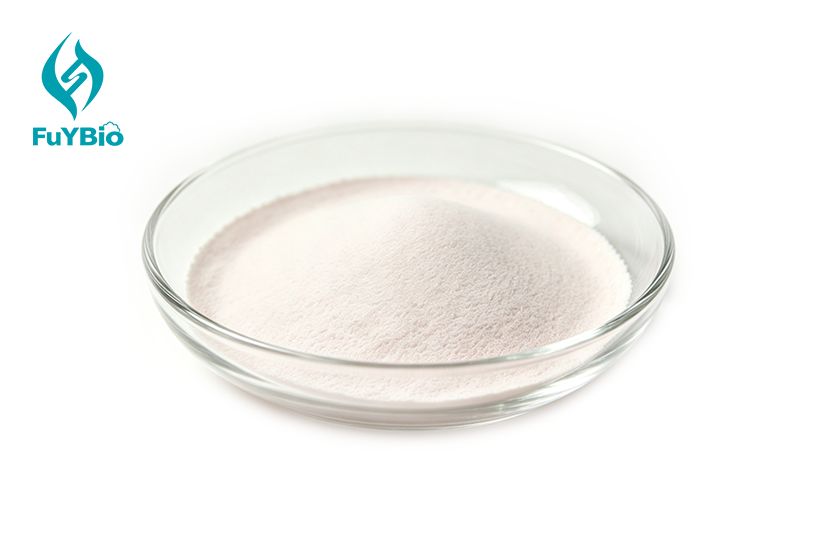
Haematococcus Pluvialis Astaxanthin Powder works well in dry premix production when you match the assay, particle size, and carrier to the final dosage form. The powder is easier to weigh, blend, and ship than liquid oil, and it supports dry blending for solid formats. Our Haematococcus pluvialis powder from FuYNature is a red or dark red fine powder with astaxanthin of at least 2%, 3%, 4%, 5%, or 6%, tested by HPLC. It carries a 24-month shelf life when stored as directed, so formulators can plan production runs with clear data.
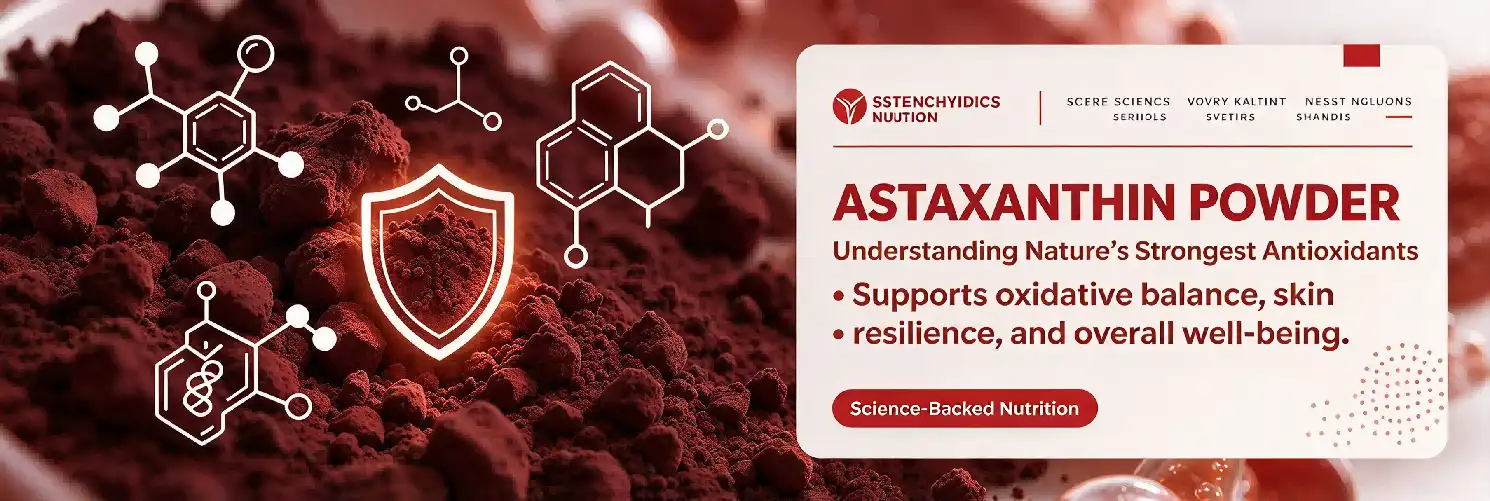
Why Haematococcus Pluvialis Astaxanthin Powder Matters in Dry Premix Production
Whole-Algal Powder, Extracts, and Standardized Ingredients
A pure extract, whole-algae powder, and an astaxanthin ingredient that has been tried and found to be safe are the three things that most people look for when they buy something. What is whole-algal powder? It is the dried Haematococcus Pluvialis Astaxanthin Powder biomass that is made into powder. An product, most likely an oil, is what makes the color so strong. An everyday thing is changed so that it fits a certain astaxanthin test. Before you buy it, find out about the test, container, particle size, and purpose of each type. Because they do different things when mixed together. In clean water with glass lines around it, algae grow so that our powder is ready to be used. Since nothing else has been put on the dried algae powder, it is as clean as 99%.
Practical Advantages Over Liquid Oil
There are several ways to mix astaxanthin oil. In dry premix lines, ribbon blenders, scoops, and hoppers are used. They help you figure out how much a powder is, mix it with other dry ingredients, and make sure it doesn't leak oil while it's being shipped. You can better control the amount when you add a measured mass to a batch instead of a sticky liquid. When astaxanthin is in fat, light, heat, and air all speed up the process. Putting the powder in a container that can't be opened is another simple way to avoid that. You can still use oil, but make sure the shape fits the thing.
Checks for International Procurement Teams
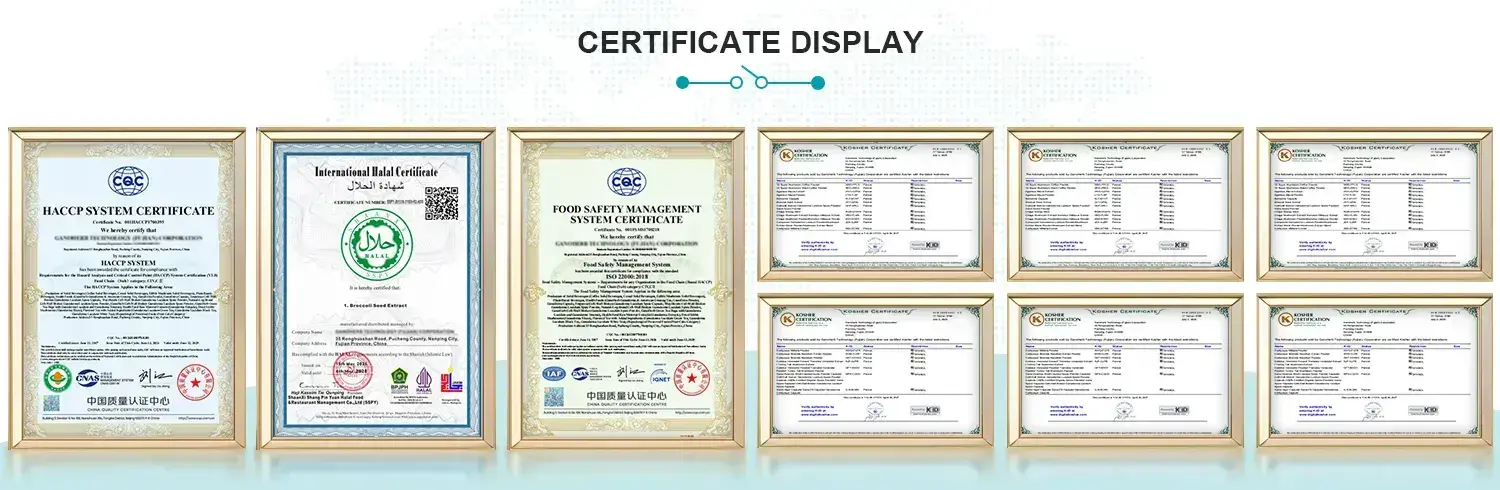
People in the US should look at the rules for their market before they make an order. It is important to follow the FDA's current good manufacturing practice rules for supplements if you are in the US. These rules are in Part 111 of 21 CFR. Government rules also say that signs can't make false claims. Do some research and get an answer that makes it clear if they will work with OEMs. The supplier also needs to work quickly because formula questions are often raised during test runs. We can help with HPLC tests, formulation talks, and document requests through FuYNature. There are labels that say our Haematococcus Pluvialis Astaxanthin Powder is FSSC22000, HACCP, HALAL, and Kosher on it. Look at the grade's award scope.
Composition, Properties, and Manufacturing of Natural Astaxanthin Powder
Natural Versus Synthetic Astaxanthin
A lot of it is found as esters and is mostly the (3S,3'S) stereoisomer. Haematococcus Pluvialis Astaxanthin Powder is where it comes from. Most of the time, this is how the three stereoisomers of man-made astaxanthin are mixed: 1:2:1. They change how formulations work and where they stand in the market because they are different. Because of this, a lot of companies choose microalgae as a source for their natural goods. In the lab, this type of xanthophyll pigment has been shown to be very good at fighting free radicals. Claims shouldn't be bigger than what the law and science allow. That doesn't mean the places we talk about can heal sickness; they just sell food.
Powder Format, Assay, and Solubility Grades
The test, the container, the size of the particles, their mass density, and how well they can spread all have an impact on how well the premix works. Astaxanthin naturally mixes with oil, and our Haematococcus Pluvialis Astaxanthin Powder also does well with dry solid mixes. We also have astaxanthin powder that is microencapsulated and can be used in water-based goods since it melts between 1% and 2% in water. The microencapsulation technology that was used to make this powder is also used to make hard candies and drinks that are high in doses. The four strengths are 2%, 3%, 5%, and 10%. It can be used to make gels that are smooth. If you give the dose form before 8 p.m., it might not mix well with the drink.
How the Powder Is Made
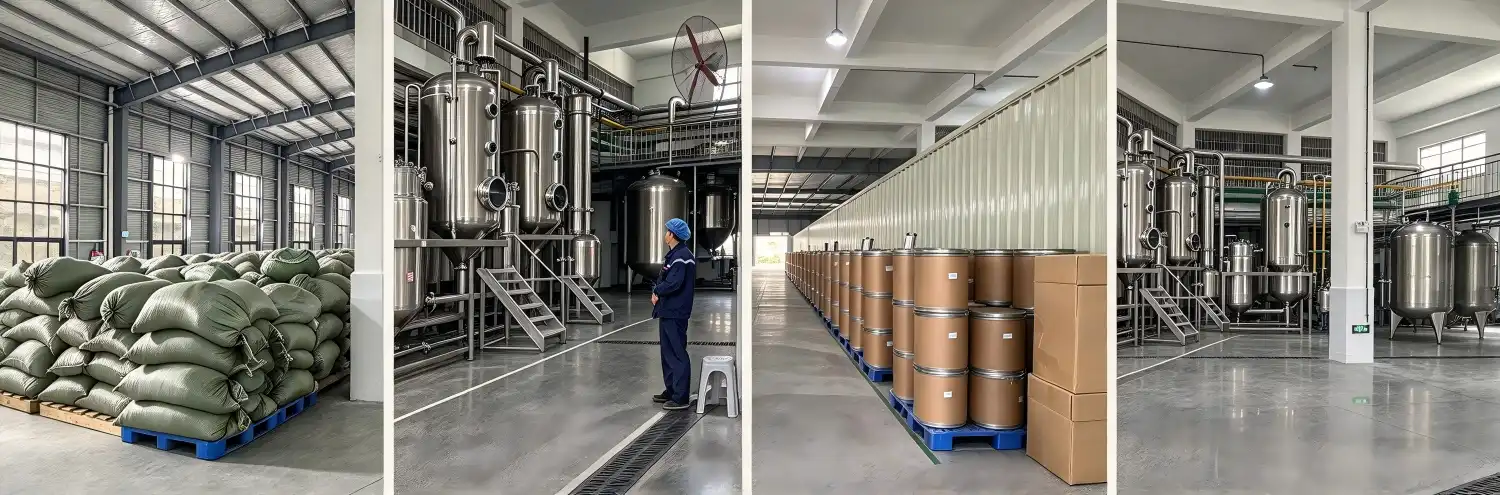
Microalgae have to be grown before they can be used to make something. When this bacteria is under a lot of stress, like when it doesn't have enough food or is in direct sunlight, it makes eggs with thick walls. After that, they pick up the trash, crush it, and dry it. You can use either liquids or supercritical CO₂ for extraction, but the way you do it doesn't show quality by itself. It's just as important to keep the colors safe, clean up the process, and check for any solvents that might still be there. Plants can grow in clear water that is kept in glass pipes. We always check the quality before, during, and after the process. The seed is part of this.
Formulation, Processing, and Stability Guide for Dry Premixes
Selecting a Grade and Setting Up the Blend
First, decide why you want to use it, how much, what kind of dose, and who you want to reach. Pick the grade next. It's easy to thin out small amounts of a 2% powder, which gives each dose more bulk. Take extra care when adding little bits of 6% powder since it's stronger. To begin, mix the powder with a little of something that works well. Then make the batch with geometric dilution. Make twice as much food at a time until there is enough for everyone. You can use more or less powder. Before you mix it, keep it away from heat, air, water, and light.
Compatibility and In-Process Checks
Use all eight of the main things you need to make the powder. Iron and copper can break down carotenoids more quickly. Some things can add water to the air and make it more humid. This could make it harder for colors to move or stay put. Plants, enzymes, and bacteria all need their own tests to make sure they work well with each other. As the mix is being made, it should be checked often for consistency, wetness, water activity, assay, and bacteria. A lot of people test things with HPLC, and that's what we do with our powder. So that you can figure out why any changes happened, you should write down the results by batch.
Stability, Packaging, and Shelf Life
Why is it important to keep astaxanthin in a certain way? It breaks down in air, light, heat, and water. Don't shine any light on our powder. Keep the lid on and put it somewhere cool and dry. If you want to keep it for a long time, keep it below 4°C. As long as the package is still the same, the food will stay fresh for 24 months. Open and close it a lot in damp places, and the color may change and the test may go down. It is possible to help by taking steps like high-barrier packing, nitrogen cleaning, desiccants, and oxygen screens. You should also look at the bacteria' state, color, smell, and how wet they are as part of real-time and fast stability studies. A lot of people use fiber drums or bags lined with foil to send their things overseas.
How to Choose a Supplier and Buy in Bulk
Documents and Claims to Verify
Ask for more than just the statement of origin. You should also get an analysis certificate, a specification sheet, an assay method, a report on contaminants, information on how the product will be packed, and information on how stable it is. Check your license and the people you want to sell to to see if words like "natural," "organic," "food grade," "dietary supplement grade," and "feed grade" are acceptable. HPLC checked our powder, and it comes from China. FSSC22000, HACCP, HALAL, and Kosher all agree with it, and the bacteria is fine. When you buy papers, make sure they are the grade you need. After that, connect each label claim to a good stack file.
Evaluating Manufacturers and Capacity
One provider is different from another because they offer technical support, tracking, exporting, and manufacturers with a lot of experience. You can ask the Chinese companies that make and sell things who makes them, if they keep track of each batch, and how they handle trials. A big order is fine with us as long as we keep making 300 tons of goods every year. This step makes sure that every batch has the same level of quality.
Bulk Purchase Steps and Pricing
You should listen to the tracks by themselves and with your own mix. Watch how the mix moves, spreads, stays put, and is spread out evenly. When you compare prices, don't just look at the price per unit. Along with the total cost, you should also look at the order number, the level of analysis, the carrier system, the certificates, the packing, and the total cost. Talk about the wait time, the minimum order quantity (MOQ), any special needs, who owns the papers, how to handle changes, and how to plan for the future. There is a signed understanding on both sides that backs up a long-term deal. We can help you with technical jobs and HPLC tests, and you can change the methods.
Common Problems and Buyer Priorities in Dry Premix Production
Uneven Distribution and Assay Loss
The particles could be too small, the pre-blending could be weak, the particles could separate during transfer, or the mixing times could be too short. Shape reduction and tried-and-true mixing times work best most of the time. Try out some of the mix. A long work time, ozone, light, heat, humidity, or ingredients that don't mix well can all mess up an analysis. It's less likely to happen if you keep things cool, pack them safely, and check that they work. If your plan calls for extra money, it should be based on your own model's facts, not a guess.
Poor Reconstitution and Documentation Gaps
If powdered drinks don't mix right, it's likely because the wrong pot or grade was used. Astaxanthin works best in drinks that contain a form that mixes with water, since it doesn't work well in oil. You can pick 1% or 2%. Before adding a lot of it, taste a small amount of it in a test tube. Make sure there are no holes in the rules and papers before the item goes on sale. Make sure the rights, claims, labels, and details are right for the US market. We don't say that vitamins can cure sickness when we put them in boxes. Also, you shouldn't say that.
Priorities for Different B2B Buyers
If you make supplements, you should make sure that the ingredient is stable, that the tests are right, that it comes from natural sources, and that it will work in tablets or pills. People who make drinks from powder need to make sure they taste good, mix well with water, and don't change color. People who sell and bring things into the country need items with a set shelf life, export papers, MOQs that can change, and the ability to replace. When buying brands or OEMs, people should check how flexible the product is, how simple it is to make and mark, how many technical files are available, and how fast the product can go from being studied to being mass-produced. Make sure these goals are clear before you ask for samples. You'll remember to do the review this way.
Conclusion
The Haematococcus Pluvialis Astaxanthin Powder can be used to make dry premixes as long as the final dosage form has the right assay, carrier, particle size, and solubility. To measure, mix, and give, powder is better than oil. Scientists make astaxanthin in the lab, but natural astaxanthin from H. pluvialis has a different set of isomers and is made in a different way. Because of this, you should know where astaxanthin comes from and how it is made. Its worth changes in more ways than one when it is taken away. Also, remember to keep an eye on tests, tracking, projects, and growth. Before you start, mix the ingredients together, use geometric dilution, make sure they work with each other, and keep them away from heat, light, air, and water. You can keep the thing for this long by reading this. In real life, you should look at a supplier's skills, analysis certificates, and sample results before choosing them. Things aren't always valued in the same way.
FAQ
When is astaxanthin powder suitable for dry premixes?
The carrier and assay must be right for your method for the real mix to work. Our powder has between 2% and 6% astaxanthin in it.
How does powder differ from astaxanthin oil?
It takes less time to measure and mix powder in dry recipes. We have 2%, 3%, 5%, and 10% oil on our list.
How should I store it, and for how long?
Don't let any light hit it and keep it cool and dry. Keep it below 4°C if you want to keep it for a long time. If you close these boxes, they will last for 24 months.
Which documents should I request?
The HPLC method, the specs, the analysis proof, the stability data, and the packing are all important things to know.
Can you provide custom grades or private label?
We talk about OEM, private name, and your own unique specs. Tell us what you want from the assay, the carrier, the dispersibility, the packaging, the lead time, the minimum order quantity, and the packaging.
Request a Sample or Bulk Quotation for Haematococcus Pluvialis Astaxanthin Powder
For your dry premix line, you could get Haematococcus Pluvialis Astaxanthin Powder. Have you ever thought about it? A steady 300 tons are made every year, and FuYNature has licenses for FSSC22000, HACCP, HALAL, and Kosher. It can also be kept for 24 months. Send us an email at info@extrabroc.com with the type of assay you need, what it will be used for, how much you expect to buy, where you want it delivered, and how you want it packaged. When we get back to you, we'll tell you about samples, bulk pricing, and OEM options. Extrabroc.com is where you can find out more.
References
1. Astaxanthin: Sources, Extraction, Stability, Biological Activities and Its Commercial Applications—A Review, Marine Drugs, 2014
2. Astaxanthin-Producing Green Microalga Haematococcus pluvialis: From Single Cell to High Value Commercial Products, Frontiers in Plant Science, 2016
3. Synthetic Astaxanthin Is Significantly Inferior to Algal-Based Astaxanthin as an Antioxidant and May Not Be Suitable as a Human Nutraceutical Supplement, Nutrafoods, 2013
4. Astaxanthin: A Review of Its Chemistry and Applications, Critical Reviews in Food Science and Nutrition, 2006
5. Chemical Stability of Astaxanthin Integrated into a Food Matrix: Effects of Food Processing and Methods for Preservation, Food Chemistry, 2017
6. Current Good Manufacturing Practice in Manufacturing, Packaging, Labeling, or Holding Operations for Dietary Supplements (21 CFR Part 111), U.S. Food and Drug Administration, 2007