Astaxanthin Oleoresin: How to Compare Concentration and Carrier Oils
To compare Astaxanthin Oleoresin, start with the verified astaxanthin assay, then review the carrier oil. Convert every quote to cost per gram of active astaxanthin, because a higher-percentage oil can cost less per gram than a lower one. Next, match the carrier oil to your product, whether that is a softgel, a feed premix, or a skincare formula. Check the peroxide value, allergen status, and storage needs. Finally, test a sample in your own formulation before you buy in bulk. I wrote this guide for U.S. formulators, buyers, and brand owners who want clear steps for choosing with confidence.
Understanding Astaxanthin Oleoresin Before You Compare
What Astaxanthin Oleoresin Is
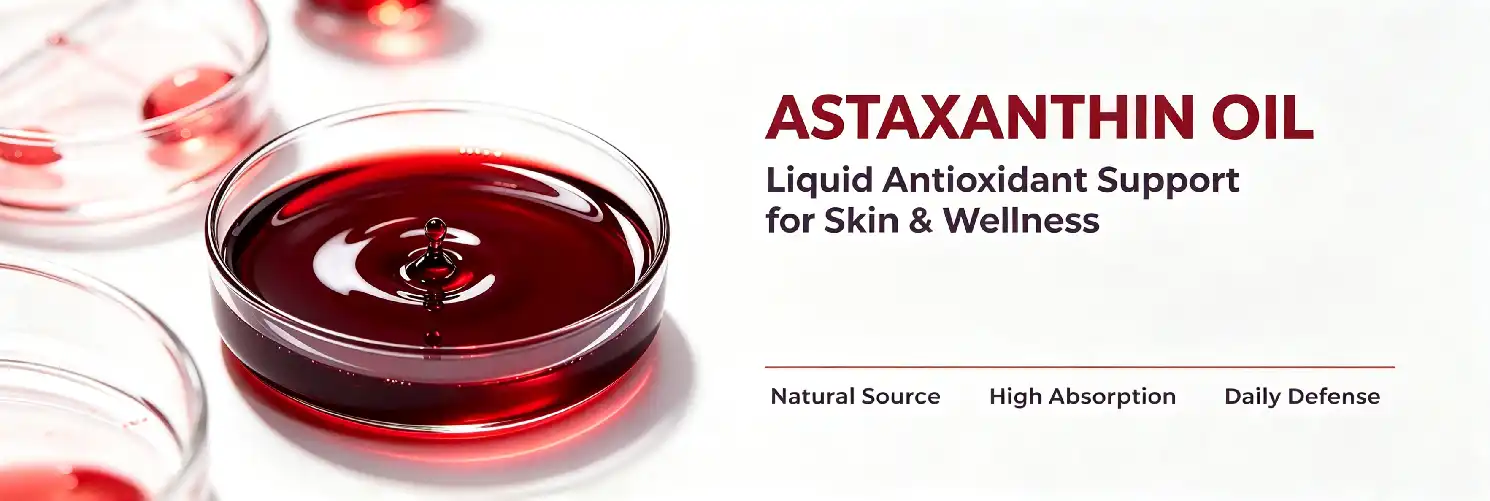
This is not a dry powder. It is Astaxanthin Oleoresin. It is a product made from oil. It also has astaxanthin, natural fats, and other colors. Haematococcus pluvialis, a type of microalgae, is where it comes from most of the time. Based on a review that came out in 2014 in Marine Drugs, astaxanthin is mostly linked to fatty acids in this algae as mono- and diesters. The label counts more than just astaxanthin; it also lists other lipids that are in the oil. Buyers need to be careful when they see the word "extract." Two items that have the same name might have different active ingredients, oil systems, liquid residues, and physical forms. Before you look at prices, write down those things.
How Production and Standardization Work
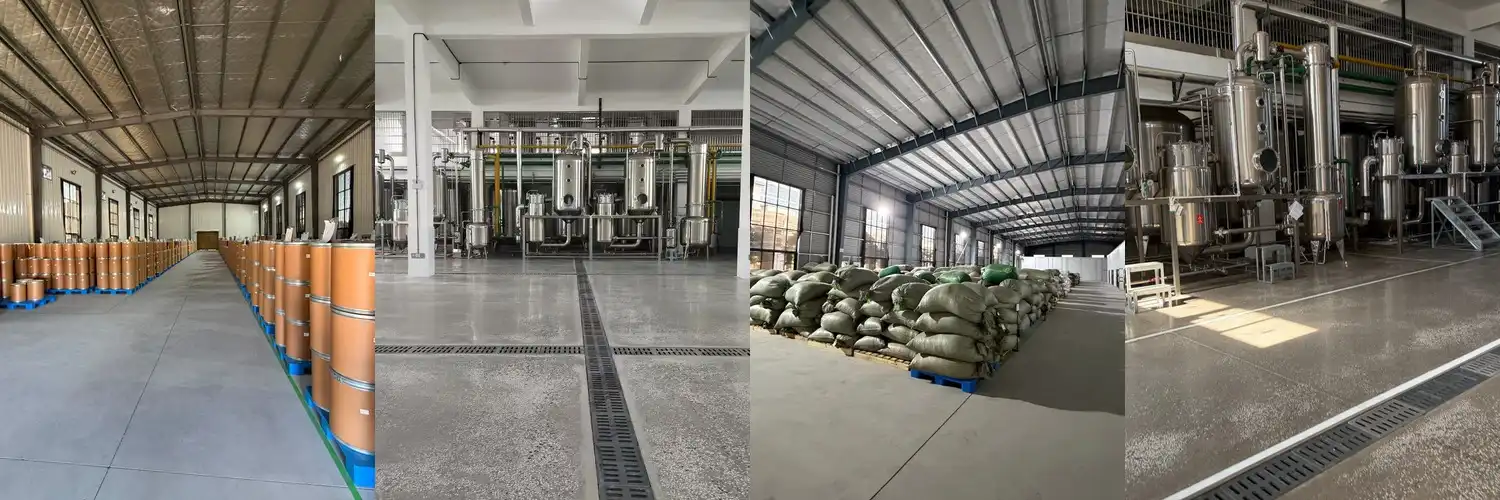
Things are made in a clear order. The makers grow the algae, gather and dry the biomass, break down the tough cell wall, separate the color from the algae, filter and concentrate it, and then mix it with a carrier oil to make it even. Light, heat, air, and water can all speed up or slow down the healing process, so it's important to keep an eye on each one. Haematococcus pluvialis extract starts with algae powder that has been dried out. The algae was grown in clean water in glass pipes that were shut off. After that, a mixture is given that breaks down the cell walls. No other chemicals are added at this point. It turns into a dark red oil that is very pure, runs easily, and doesn't leave behind much solution. Every batch can be tracked from the seed to the finished product, and HPLC makes sure the test was done right.
Oleoresin Versus Powder and Synthetic Astaxanthin
The format should be right for the job. It works well in softgels, oil-filled vitamins, feed premixes, and dry skin care items because it is based on oil. Powder forms, such as microencapsulated ones, work better with tablets, stick packs, and solid drinks. The same can't be said for natural and man-made astaxanthin. It is made up of three stereoisomers that are mixed together in a way that is 1:2:1. It's not made of ester. Capelli and his colleagues wrote about natural astaxanthin in Nutrafoods in 2013. They said that it is mostly the 3S,3'S form and is esterified. In the market and with the government, the two types are also in different places. So, you should think about how much it costs to prepare, how much liquid waste there is, how well the substance is spread out, how stable it is, how easy it is to handle, and how well it works as a test. Don't just look at the item's name.
How to Compare Astaxanthin Concentration
Read the Assay Line Correctly
Start with the unit. Suppliers may write concentration as a percentage of weight to weight, in milligrams per gram, or in kilograms per kilogram. It can cost a lot of money to get these units wrong. A simple rule can help: 10 mg/g, or 10 g/kg, of finished oil is the same as 1% astaxanthin. One gram of 5% oil has 50 mg, and one gram of 10% oil has 100 mg. Next, find out what kind of test was used to get the number. We can tell how much astaxanthin is in FuYNature by HPLC. Also, find out if the number is the smallest or largest that can be. Instead of a booklet, a batch-specific COA is a much better way to say these things.
Calculate Cost per Gram of Active Astaxanthin
When comparing Astaxanthin Oleoresin suppliers, it is easy to focus too much on the price per kilogram and overlook the actual cost of the active ingredient. To make a fair comparison, divide the price per kilogram by the number of grams of astaxanthin contained in that kilogram. Keep in mind that the following figures are illustrative examples, not actual quotations. For instance, a 5% Astaxanthin Oleoresin containing 50 grams of astaxanthin per kilogram and priced at $400 per kilogram costs $8.00 per gram of astaxanthin. In comparison, a 10% Astaxanthin Oleoresin containing 100 grams of astaxanthin per kilogram and priced at $700 per kilogram costs $7.00 per gram, despite its higher purchase price. However, the active ingredient cost alone does not determine the final purchasing decision. Buyers should also account for minimum order quantities, freight, packaging, testing fees, and applicable taxes when calculating the total landed cost of Astaxanthin Oleoresin. A higher concentration may also reduce the amount of oil required per softgel, potentially creating additional formulation space for ingredients such as lutein or fish oil. Therefore, evaluating Astaxanthin Oleoresin based on active content, total landed cost, and formulation efficiency can help manufacturers make more informed sourcing decisions. Before placing an order, compare the specifications and certificates of analysis for each Astaxanthin Oleoresin option to confirm that the stated concentration meets your requirements.
Standard and Custom Concentrations Available
What you need to know about the right strength is how much to take and how to take it. The Haematococcus pluvialis extract is an oil that is dark red and has at least 5% to 10% astaxanthin in it. This is the type that is used to make most vitamins and softgels. The 10% grade is a good choice for high-end recipes because it has a lot of concentration. When custom made, the amount of astaxanthin can be changed to 15% or 20%, and the all-trans isomer ratio can be set between 70% and 85%. Vitamins from standard diet work well with oils like 2% and 3% that aren't too strong. The solid dosage types we have are 1% and 2% microencapsulated powder. If you need something that can mix in water, we also have that.
How to Compare Carrier Oils in Astaxanthin Oleoresin
Common Carrier Oils and Their Roles
The most important part of the product is the carrier oil, which makes up most of its weight. You can use olive oil, canola oil, MCT oil, sunflower oil, or a special mix. They all change the smell, taste, marking, solubility, texture, and how safe they are against oxidation. There is a lot of MCT oil that doesn't have much viscosity, which makes it easy to run. Olive oil tastes different and is thicker. It's easy to find sunflower and canola oils, but we need to know if they don't contain any allergens or GMOs. There's no one oil that always does well. Choose the one that works with your label, dosage form, and how it was processed.
What to Check on a Carrier Oil Specification
Ask the company what the oil is called. That "vegetable oil" with no name hides some important details. Next, look at the GMO status, the allergy status, the food or feed grade, and the anti-oxide value. The peroxide number is very important because it shows how bad the damage is right away. It's important to make sure that the U.S. government will accept it and that there is enough for each batch. Find out how the oil works with your pill shell or feed matrix as well. When you contact FuYNature, please let us know which carrier oil you would like. After that, our tech team will talk about what your project needs.
Matching Carrier Oil to Application
Make sure the oil is safe for food, that the capsules work with the supplement, and that you know how much to take. Feed for fish needs to be spread out properly, meet standards for feed, and be able to handle being cooked while it is being processed. For animal feed premixes, low-dose delivery needs to be done right. Skin care items need to be the right shade of color, smell, feel, and mix with other things. Some things that work well in softgels might not work well in a mix. A bright red color can also stain cream, so make a small batch first to test the dose. You should test the oil both in the beginning and at the end of the process. Before the whole batch is made, small tests show if there are any issues with the color, smell, or spread.
Stability, Storage, and Quality Control
What Degrades Astaxanthin Oil
Light, heat, air, water, and metal ions can all change astaxanthin. If you handle it badly, the color can fade, the smell can get bad, the grade can go down, and the oxidation marks can go up. A study from 2006 and a review in 2014 in Marine Drugs say that the molecule's long chain of double bonds helps it work as an antioxidant but also makes it simple to break down. It is said that natural forms last longer than free forms because they are esterified. This is one reason herbal oils are liked by formulators. Still, esterification isn't a match for good packing. It's still important to have containers that are covered and keep light out. Poor oxygen intake is also important.
Storage and Shelf Life
When purchasing Astaxanthin Oleoresin, bring the product specifications and storage requirements with you to ensure proper handling throughout the supply chain. Astaxanthin Oleoresin derived from Haematococcus pluvialis should generally be stored in a tightly sealed container in a cool, dry place away from direct light and excessive heat. For long-term storage, some products may require temperatures below 4°C, depending on the manufacturer's recommendations and product formulation. Under the specified storage conditions, Astaxanthin Oleoresin may have a shelf life of up to 24 months in its original, unopened packaging, but buyers should always confirm the actual shelf life on the product label or technical data sheet. After opening a container of Astaxanthin Oleoresin, reseal it promptly to minimize exposure to oxygen, moisture, and environmental contaminants. Proper inventory management is equally important: use older stock first, following the first-in, first-out (FIFO) principle, to reduce the risk of expired materials and unnecessary waste. Always follow the supplier's storage instructions and certificate of analysis documentation, as the ideal conditions can vary by concentration, carrier oil, packaging type, and formulation. By handling Astaxanthin Oleoresin correctly and monitoring storage conditions, manufacturers can better preserve product quality and maintain consistent performance throughout its intended shelf life.
Documents and Tests to Request
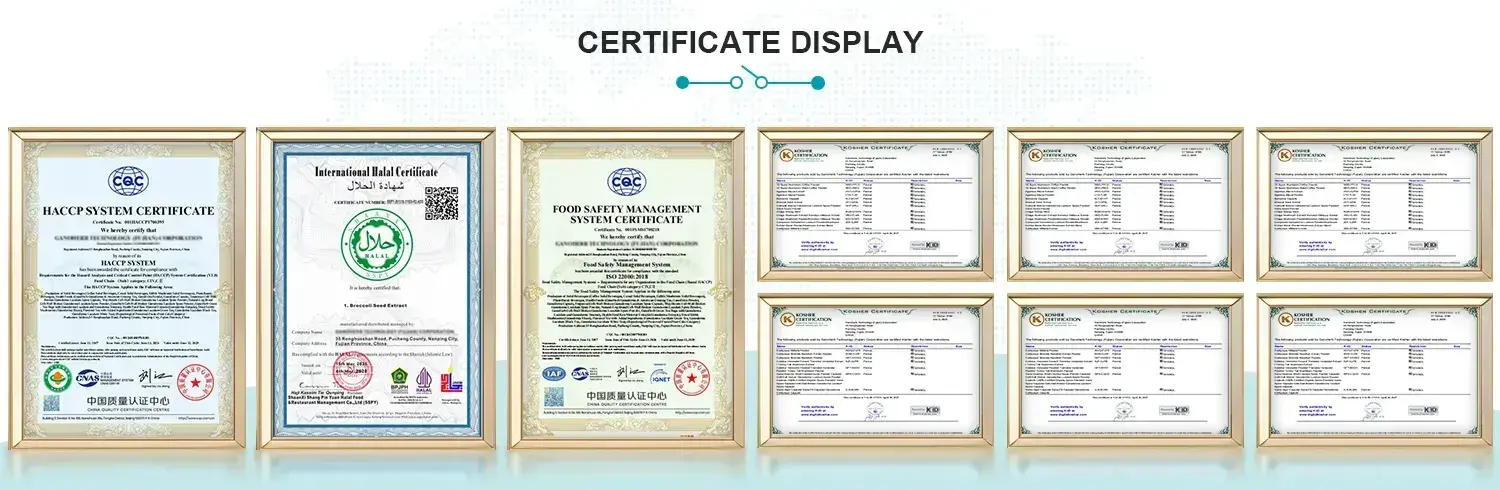
It's good to send papers right away. For a certain batch, ask for a COA, a technical data sheet, an SDS, stable data, and records of how the product was made. The peroxide value, the moisture level, the heavy metals, the microbes, the astaxanthin analysis by HPLC, and the pesticide residues are some important studies. Microbiology in FuYNature is up to par, and the product is certified as kosher, halal, FSSC22000, and HACCP. Don't just fill out the forms. As soon as the first lots arrive, test them on your own. An independent HPLC result checks what the label says and keeps a record in case it needs to be checked again.
Choosing the Right Product and Supplier
Start with Your Application and Dose
To begin, think about the finished item, like a softgel, pill, stick pack, food, or skin care. After that, go backward. Next, figure out how much astaxanthin you want in each dose. Then, choose a carrier oil that works with that percentage and gives you that amount in a fill volume that you can use. Brendler and Williamson looked at records about the safety of astaxanthin in Phytotherapy Research (2019). Take a look at the most recent U.S. guidelines for your amount and claims. Supplement labels can't say that they can make you healthy. Goods with astaxanthin often say they can help your eyes, skin, and recovery from exercise. But your writing should follow the rules of structure and function.
Test Samples Before Bulk Orders
Get a sample and test it in your real matrix. Look at the color, smell, how it spreads, how well it packs, and how stable it is when stored. Try to seal a softgel a little and see if there are any leaks or color changes. For feed, make sure the premix is mixed well all over. You should keep one sample from each lot. Write down the needs or sign a quality agreement if you want to order again after the work is done and looks good. Another step that doesn't work out costs more than this one.
Supplier Checks and Why FuYNature Fits
Check to see if the factory has a good reputation, has experience exporting, can be tracked, has had third-party testing done, has a minimum order size, and offers technical support. TFuYNature is backed by 54 filed invention patents and an R&D team led by four PhDs. We deliver customized ingredient solutions. Share your requirements, and we will develop targeted specifications, support HPLC testing, and arrange shipment by air or sea, or any other way you please.
Conclusion
You can contrast Astaxanthin Oleoresin based on three things: the confirmed test, the carrier oil, and the stable record. If you read concentrations in different units, you should change them to cost per gram of active astaxanthin. This is because an oil with a higher percentage may cost less per gram. It is important to give carrier oils names and test them in the real product to make sure they don't change the shape or consistency of softgels, feed, or skin care products. Things break down in oxygen, light, heat, and water, so they need to be kept cool, sealed, and with paperwork that is unique to each batch. Natural and man-made astaxanthin are different in how they are structured and how they are sold on the market. Oil and powder are better for different dosage types. It is safer and more accurate to buy something after matching these factors to the job and then testing a sample to make sure the results are correct.
FAQ
Is there one best concentration for Astaxanthin Oleoresin?
Not at all. The amount, the form of the dose, and the price all depend on which strength is best. A good number of supplement makers choose 5% as the normal grade and 10% for small, high-dose items. To make your choice, look at how much active astaxanthin costs per gram.
Which carrier oil should I choose?
Choose the oil that works best with your item and tag. Lastly, try a small amount of it to see how it responds to allergens, GMOs, and the fatty acid makeup. Tell us what you want, and we'll talk about what you can do.
How should I store astaxanthin oil?
Close it up and keep light, heat, and water away from it. For long-term use,FuYNature says it should be kept below 4°C. Inside its original, unopened box, it can be kept for 24 months.
What documents should I request before ordering?
As well as steady data, a COA, an SDS, and records of how the product was made for each run, you should ask for these things.
Request a Customized Astaxanthin Oleoresin Quotation
Want to get Astaxanthin Oleoresin from a company that can meet your needs for carrier oil and concentration? Send an email to info@extrabroc.com explaining what you want to do, how much astaxanthin you need, what kind of carrier oil you like, how much you want, who you want to reach, and what kind of packaging you need. You can get help from our technical sales team with supplements, feed, cosmetics, or private-label projects. They will help you make a specification and share samples and documents. Visit extrabroc.com to find out more.
References
1. Marine Drugs, 2014 – Ambati et al., "Astaxanthin: Sources, Extraction, Stability, Biological Activities and Its Commercial Applications—A Review."
2. Critical Reviews in Food Science and Nutrition, 2006 – Higuera-Ciapara, Félix-Valenzuela, and Goycoolea, "Astaxanthin: A Review of Its Chemistry and Applications."
3. Nutrafoods, 2013 – Capelli, Bagchi, and Cysewski, "Synthetic Astaxanthin Is Significantly Inferior to Algal-Based Astaxanthin as an Antioxidant and May Not Be Suitable as a Human Nutraceutical Supplement."
4. Phytotherapy Research, 2019 – Brendler and Williamson, "Astaxanthin: How Much Is Too Much? A Safety Review."
5. Frontiers in Plant Science, 2016 – Shah et al., "Astaxanthin-Producing Green Microalga Haematococcus pluvialis: From Single Cell to High Value Commercial Products."
6. Marine Drugs, 2020 – Martínez-Álvarez, Calvo, and Gómez-Estaca, "Recent Advances in Astaxanthin Micro/Nanoencapsulation."