Sourcing Stachyose 70% Powder for Industrial Food Formulations
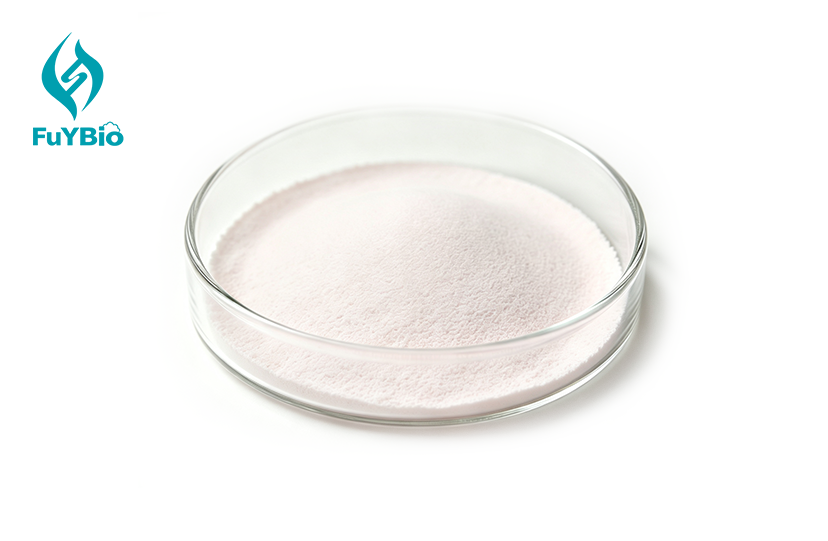
When looking for Stachyose 70% Powder for industrial food recipes, it's best to check the test method and analysis and use the material in your own product before buying a lot of it. Stachyose 70% Powder is an oligosaccharide that comes from plants and is white in colour. It's in functional drinks, nutrition bars, prebiotic supplements, and probiotic blends. This guide was made to make it easy for managers and formulators in the US to compare suppliers. Using the standard that FuYNature gives as a guide, I'll talk about quality checks, application fit, cost factors, shipping, and risk control below.
What Is Stachyose 70% Powder and What Value Does It Offer?
Composition and Natural Sources
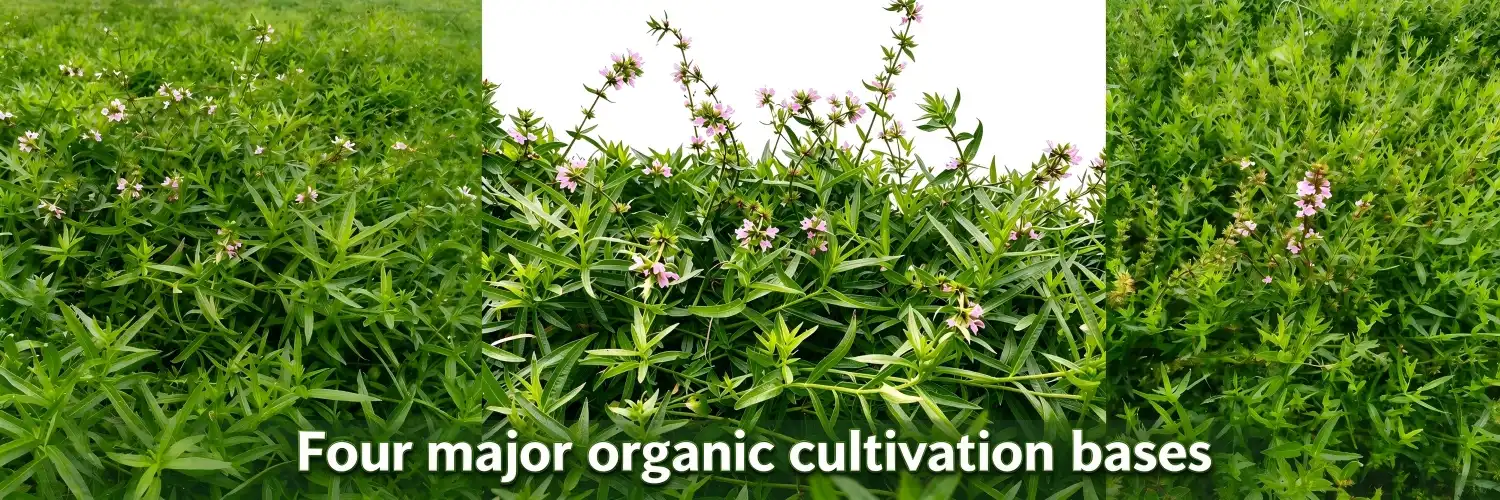
It's made up of four sugar units: two galactose units, one glucose unit, and one fructose unit. Its molecules have the formula C24H42O21. Plants and herbs already have it. Artichoke, Stachys affinis, has been eaten for a very long time because it is very healthy. Small amounts of it can also be found in beans and peas, like mung beans and soybeans (2% to 4%). We get Stachyose 70% Powder from taking it from plants. It has at least 70% stachyose, according to HPLC tests. If someone wants to buy something, they should always ask for the full makeup sheet. This sheet lists the carbs, water, and ash that make up the item.
How It Supports Gut Health Formulas?
Since our bodies don't have the enzymes to break down stachyose, it goes to the gut to be broken down by bacteria like Bifidobacteria. The way they work makes sense when you look at what an ISAPP defines as a prebiotic: a substrate that host microbes use to give you a health benefit. There are short-chain fatty acids made during fermentation. These acids cause the pH of the gut to drop, which makes it less friendly for some bacteria that are bad for you. How well the person can handle it, and the dose, still determine the results. Some people get gassy when they eat a lot of any fermentable oligosaccharide. Don't take a number from another label and put it on your own. You should instead range the dose in first-pass work.
Where It Fits in Finished Products?
Dry white powder can be used to make pops, pills, baked goods, and quick drinks. A little goes a long way toward making drinks with lactic acid more useful without changing the way they taste. Stachyose can change how the dough acts and help baked goods keep their moisture. Ingredients that don't break down in the stomach are also liked by people who make low-sugar foods. Labelling rules and claims about sugar, on the other hand, are different in each market. There should be a test for each group. Because pH, heat, and mineral content can change how an ingredient works in your recipe, you should test it in the exact matrix you want to sell.
How to Evaluate Stachyose 70% Powder Quality Before Purchase?
Read the Specification Line by Line
There is more information in the table of specifications than just "70%." The FuYNature item is white, has stachyose levels of 70% or higher, an HPLC test method, a shelf life of 24 months, and meets standards for heavy metals and bacteria. Not only should you ask about the same fields, but also about moisture, ash, pH, particle size, and numerical microbial limits. To understand what "complies with standards" means, you need to know what standard it means. Check out several suppliers at once on a single sheet. It's important to write down whether the analysis is "as is" or "dry," because "dry" will change the amount of stachyose in your formula. Ask before you order.
Verify Documents and Certifications
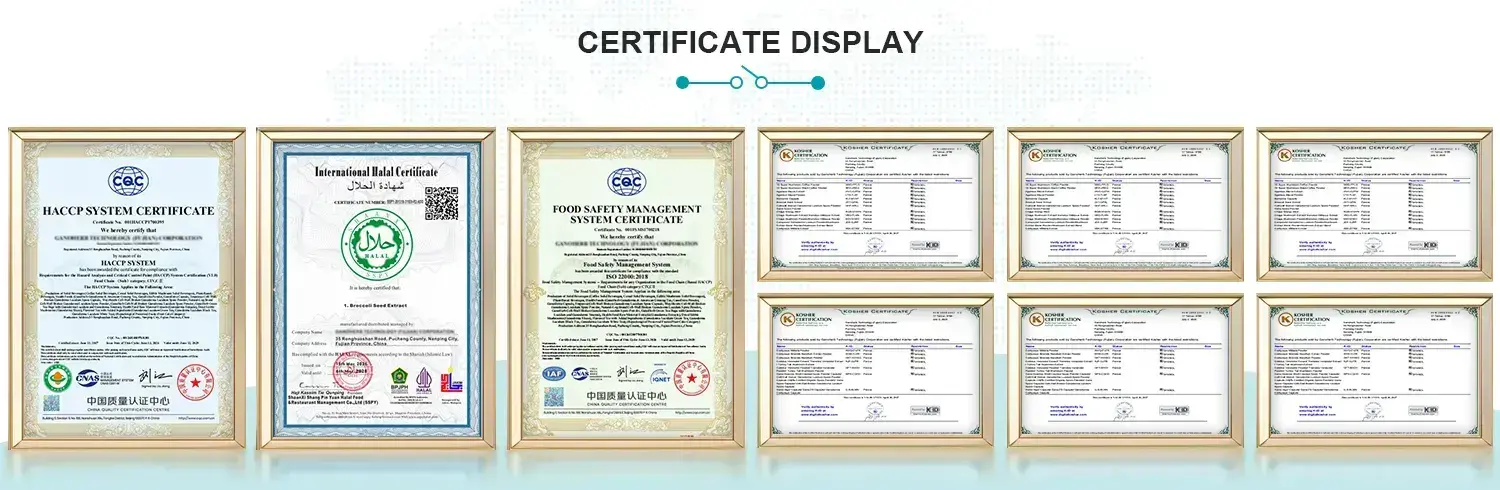
There is proof that a thing does what it says it does. We sell Stachyose 70% Powder that is approved by ISO22000, HACCP, and HALAL, and we can always make 1,000 tonnes of it each year. When you buy something, you should ask for certificates of analysis that are specific to the batch you are getting. A general paper can't guarantee the lot you get. Ask for signs that say if the food is safe for people with allergies or GMOs, where the food came from, and how to keep it fresh. Part 111 of 21 CFR says that companies in the U.S. that make dietary supplements must confirm that the ingredients are what they say they are. In other words, your quality team needs a method and data that it can use over and over again. Importers must also keep records that are clear and well-organised as part of the FDA Foreign Supplier Verification Program. During checks, these records are much more useful.
Test Solubility and Handling in Your Plant
Plant tests and lab tests for Stachyose 70% Powder are not the same. Test something in small amounts and at real temperatures to see if it can break down and spread. Make sure that drinks are clear, dry blends flow well, and powders don't stick together after the bag is opened. This is because oligosaccharide powders can soak up water. Keep the bag tight and put it somewhere cool and dry. After tasting, close it again. Write down how it tastes, feels, and looks afterward and again at the end of its shelf life. Your team can compare samples from approved lots that were kept to packages that came after them. These simple records help you find out what's wrong faster if a batch acts differently on the line later.
Choosing the Right Stachyose 70% Powder and Comparing Prebiotic Options
Match the Ingredient to the Application
Plant tests and lab tests for Stachyose 70% Powder are not the same. Test something in small amounts and at real temperatures to see if it can break down and spread. Make sure that drinks are clear, dry blends flow well, and powders don't stick together after the bag is opened. This is because oligosaccharide powders can soak up water. Keep the bag tight and put it somewhere cool and dry. After tasting, close it again. Write down how it tastes, feels, and looks afterward and again at the end of its shelf life. Your team can compare samples from approved lots that were kept to packages that came after them. These simple records help you find out what's wrong faster if a batch acts differently on the line later.
Stachyose Versus Inulin, FOS, GOS, and Raffinose
It's important for supplements to think about taste, serving size, consistency, and how well they work with probiotics. Drinks must stay clear and steady across a wide pH range and when hot. Check and feel how moist the bars and baked goods are. Animal vitamins and food have to go through a different review process to make sure they are safe for the species, taste good, and are tolerated. So don't think that just because they are food-grade approved, they are safe for animals. First, pick your regulatory category. This will determine what claims you can make and what paperwork you need to give. After that, make test runs. The commercial volume won't be approved until the results meet the written requirements for approval. A common issue is a formula that works in the lab but not in real life. That can't happen because of this order.
Purity and Source Matter More Than Price Alone
What each prebiotic does is different. Inulin is used by many to add bulk and protein. FOS and GOS taste, stay stable, and are sweet in different ways. There are three types of sugars in raffinose and four types in stachyose. They are both from the same raffinose family, so it is important to carefully compare the scientific data. Raffinose-family oligosaccharides can be fermented by bifidobacteria and other bacteria in the gut. One study on fermented milk looked at how these oligosaccharides affected the survival of probiotics. Add things like assay, solubility, sweetness, tolerance, documentation, minimum order quantity (MOQ), and price per kilogram to a table that you can use to compare them. When you compare prices, you should think about how well the formula works. The cheapest quote could end up costing you more if you need to lift the dose or do more work.
How to Source Stachyose 70% Powder from a Qualified Supplier?
Write a Clear Purchasing Brief
Make a brief that's only one page long to begin. Write down what it will be used for, where it will be sold, the brand name, the grade, the test, the annual production, the packaging, the certificates that are needed, the delivery location, the launch date, and any private label needs. It takes less time to quote and less back-and-forth when the brief is clear. Then ask each supplier how it controls its process: raw material source, purification, batch capacity, in-process testing, release procedures, and traceability. Ask each person to write down their answer.
Understand Price, MOQ, and Packaging
How much Stachyose 70% Powder costs per kilogram depends on how many tests are done, how it is packed, how big the order is, how it is customised, how it is measured, how much it yields, and how it is shipped. Once you agree on what you need, you can compare quotes. Then, add up all the costs of landing, such as freight, taxes, and testing. That helps keep costs the same. Many times, the MOQ is different for trial sales, standard trade lots, regular contracts, and samples. Please let us know what stage you are in. Putting the goods in the packaging should keep them dry and make it easier to stack, store, and move them. The shelf life for our stachyose is 24 months. Check the storage limits to make sure they work for your building. So let them know right away if they have any particle size or pack size needs. Specifications can be changed to fit the needs of the client.
Plan Logistics and Ongoing Supply
You can choose the speed that works best for you: air for small pilot lots and sea for larger production runs with FuYNature. Make sure you know the Incoterms, the port of loading, the production lead time, the transit time, and the reorder points before you place your first order. A steady production capacity of 1,000 tonnes per year can handle big orders, but I still think it would be helpful to get an update on the weather so we can plan our batches ahead of time. Remember to keep enough extra on hand to get you through the wait, and ask your sources to let you know if the process or goals change. A single deal is not as likely to keep start dates safe as clear information about when things will happen.
Managing Risk and Planning Long-Term Sourcing
Common Formulation and Quality Pitfalls
Buyers usually only look at price and take "70%" as a full specification. They don't look at the analysis method, test the solubility, or order in bulk before a pilot study. If the material on the plant floor clumps or doesn't spread out fully, settles, changes in how it feels, doesn't work well with acids or minerals, or varies from batch to batch, pay attention. It's also important to know how well your body can handle fermentable oligosaccharides because too many of them can make you gassy. A four-step plan can lower the risk: look over the paperwork, test the idea in the lab, build a prototype, and make sure people will buy the product. In the purchase agreement, make sure there are conditions for acceptance. Also, ask for notices of changes and keep samples from lots that have been approved. It's not as expensive to take these steps as to turn down a production lot.
A Step-by-Step Buying Checklist
This is the order I like best. First, write down the grade, test, packing, paperwork, use, and market where the things will be sold. Second, make a short list of suppliers based on how open they are and how well they can make what you need. Third, get samples, information, up-to-date COAs, allergy and GMO statements, certificates, and clues about how long the product will last. Fourth, see how well it breaks down, tastes, feels, stays stable, and mixes with other things. Fifth, look at each item's price, FOB, freight, payment terms, Incoterms, and landing cost. Sixth, give the supplier the go-ahead, decide how much inventory to keep on hand, and set controls for batch releases. Follow a plan and look over results often, and after any changes. When changes are most expensive, they won't come up until the very end of the development process if you follow this order.
Why Technical Support Matters Over Time?
For long-term supply, there needs to be a steady test for assay, wetness, particle size, microbe quality, and delivery across many batches. A service provider with a lot of technical know-how can help with making changes to the specs, giving tips on stability, and handling.Customising formulas, working on technical projects, helping with HPLC analysis, and giving advice on how to follow the rules are some of the things that it does. These services are very helpful for keeping projects on track, with quick and clear responses when it comes to private-label programs, regional growth, and different pack sizes. You should look at the response when you sample because it shows how the connection will work in the future.
Conclusion
Check out the proof, how well it works, and how often it comes out to find out where to get Stachyose 70% Powder for making commercial foods. People need more than just the 70% test to be sure that the quality is good. Plus, they need the full specs, the HPLC method, certificates for each batch, and things like ISO22000, HACCP, and HALAL. It can be used in drinks, supplements, bars, or baked goods if it breaks down, tastes good, and stays stable. You should compare stachyose to other sugars based on how well they work and how much they cost to ship, not just how much they cost per kilogram. When there is a clear purchasing brief, a clear MOQ, clear logistics terms, pilot validation, and change notification, there is less risk. With these steps, buyers can find a seller whose technical support and ability to make batches consistently high.
FAQ
What documents should I request before approving a batch?
Make sure you get the most up-to-date standard, a COA for each batch that shows the HPLC result, and certificates such as ISO22000, HACCP, and HALAL. What the food is made of, where it came from, and how long it will last should be added. You should get these with the first sample and every time the process changes. After that, your quality team can compare these records to the rules for new materials before putting them out there.
Does Stachyose 70% Powder work in beverages?
Yes, but test first. Check how well it dissolves, how clear it is, how it tastes, and how stable it is at the real temperature, concentration, and pH. Before accepting the full batch, make a trial batch and write down the results at the start and end of the shelf life. Fermentable oligosaccharides can give you gas if you take too much of them, so make sure you can handle the amount you want to take.
Can I request a custom specification?
Yes. With FuYNature, you can change the formulas and specs of the product. It also helps with the process and testing, and it can do HPLC analysis. Our team will let you know what they can do for you based on your project's use, annual volume, location, grade, and paperwork needs. When we get back to you, we'll give you a price and specify what you need.
Request a Stachyose 70% Powder Specification and Bulk Quotation
Ready to evaluate a Stachyose 70% Powder supplier? FuYNature offers stachyose at 70% or higher, HPLC testing, ISO22000, HACCP, and HALAL certification, a 24-month shelf life, and stable capacity of 1,000 tons per year. Send your application, volume, destination, and documentation needs to info@extrabroc.com, and our team will match a specification and quotation to your project. Visit extrabroc.com for details.
References
1. Nature Reviews Gastroenterology & Hepatology, 2017. Expert consensus document: The International Scientific Association for Probiotics and Prebiotics (ISAPP) consensus statement on the definition and scope of prebiotics.
2. The Journal of Nutrition, 1995. Dietary modulation of the human colonic microbiota: introducing the concept of prebiotics.
3. Carbohydrate Polymers, 2007. Non-digestible oligosaccharides: A review.
4. International Dairy Journal, 2006. Influence of addition of raffinose family oligosaccharides on probiotic survival in fermented milk during refrigerated storage.
5. Code of Federal Regulations, Title 21, Part 111, 2007. Current Good Manufacturing Practice in Manufacturing, Packaging, Labeling, or Holding Operations for Dietary Supplements.
6. Code of Federal Regulations, Title 21, Part 1, Subpart L, 2015. Foreign Supplier Verification Programs for Importers of Food for Humans and Animals.